 Eats PEI
Lunch often becomes the weakest meal during a crowded week. Breakfast may already have a routine, and dinner usually gets attention because everyone notices when it is missing. Lunch is different. It lands in the middle of work, errands, school runs, meetings, and everyday noise. When the week gets busy, lunch is often expected to somehow take care of itself. That is exactly why it so often falls apart.
Meal-planning educators often explain that midday meals become easier when one dependable backup option is already in place before the week gets messy. Nutrition coaches also note that many lunch problems do not start with a complete lack of food. They start with the absence of one clear option that still works when energy, time, and attention are running low. This is why many busy households benefit from planning one fallback lunch before the week starts feeling crowded.
Why Lunch Gets Pushed Aside More Easily Than Other Meals
Lunch often gets pushed aside because it usually happens when people are already deep into the day. There may be less time to think, less energy to prepare food, and less space to stop and reset. Breakfast often happens closer to the kitchen. Dinner usually carries more emotional weight because it closes the day. Lunch, on the other hand, is often squeezed between tasks and expected to stay simple no matter what else is happening.
Meal-smarts coaches often explain that this is exactly why lunch needs at least one reliable plan. The middle of the day usually does not reward improvisation as well as people expect it to.
Why One Fallback Lunch Often Matters More Than Five Ideal Lunch Ideas
Many households try to solve lunch by collecting lots of ideas. In practice, too many options often help less than one dependable choice. A fallback lunch does not need to be exciting. It needs to be realistic, easy to assemble, and useful enough to repeat without much effort. That reliability is what makes it valuable.
Meal planners often explain that crowded weeks reveal the difference between aspirational food planning and practical food planning. The lunch that still works on the busiest day often matters more than several good ideas that never actually happen.
How Crowded Weeks Quietly Weaken Lunch Coverage
Weekday lunch coverage usually weakens in small ways rather than all at once. One day there is no time to prep. Another day the leftovers are already gone. A third day starts with good intentions but turns into snacks and coffee because the break window got smaller. Each change may seem manageable on its own. Together, though, they create a pattern where lunch slowly loses structure across the week.
Food routine educators often note that this kind of drift is common because lunch problems often stay quiet until later. The afternoon feels longer, snacking becomes more random, and dinner pressure grows. By then, the weak lunch choice has already shaped the rest of the day.
Why a Fallback Lunch Should Be Chosen for the Hardest Day
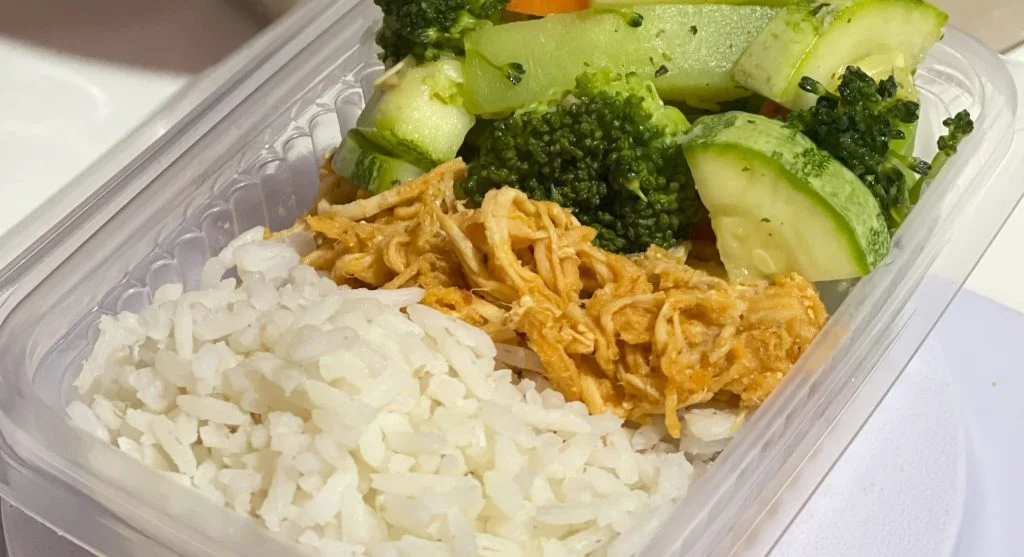
The best fallback lunch is often not the one that sounds best on a calm day. It is usually the one that still works on the most crowded day of the week. It should fit low energy, short prep time, and whatever eating conditions are most likely to get in the way. That might mean soup with toast, a wrap with hummus and eggs, a rice bowl with beans, or a yogurt-and-fruit plate with a more filling side.
Meal coaches often recommend choosing backup meals based on the hardest likely moment, not the easiest one. That is what makes the backup useful instead of just appealing.

What Makes a Fallback Lunch Actually Useful
A useful fallback lunch usually has three strengths. It is easy to repeat, it uses foods that are already likely to be in the kitchen, and it provides enough support to carry someone through the next few hours without feeling too light or random. That usually means some kind of base, some protein, and one simple side or fresh element.
Dietitians often explain that this structure matters because lunch does not need to be perfect to be useful. It only needs enough balance to keep the day steady. A fallback lunch works because it lowers the chance of reaching the afternoon underfed and frustrated.
Why Leftovers Often Make the Strongest Fallback Lunch
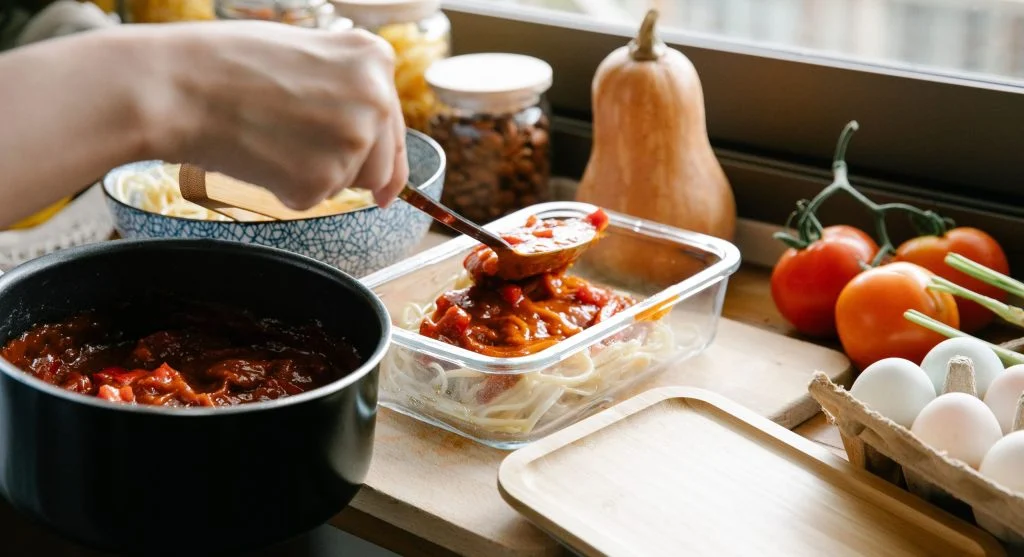
Leftovers often make excellent fallback lunches because they reduce prep and connect lunch to work that was already done earlier. Rice, soup, pasta, cooked vegetables, chicken, and beans can all become simple midday meals when paired with one or two easy foods. Leftovers are especially helpful because they do not require another cooking project during the most crowded part of the day.
Meal planners often point out that a fallback lunch does not need to be freshly made every time. In many homes, the strongest lunch systems are built from foods that already exist and simply need a clear role.
Why a Fallback Lunch Should Not Depend on Perfect Prep
Some lunch plans fail because they rely on too much ideal behavior. Maybe vegetables need to be chopped that morning. Maybe a sauce has to be mixed. Maybe the lunch only works if a fresh ingredient was restocked exactly on time. These details may seem small, but crowded weeks often break lunch plans through those exact weak points.
Food routine coaches often recommend choosing fallback meals that can survive imperfect weeks. A useful lunch is one that can still happen even if the schedule slipped, the kitchen is not as tidy as planned, or the person making lunch feels tired and distracted.
How One Fallback Lunch Protects the Afternoon
The value of a fallback lunch is not limited to lunchtime. It often protects the afternoon too. A steadier lunch can make work blocks feel easier, reduce the urge to graze on low-support foods later, and take some pressure off dinner. Many busy people only notice lunch once it fails. A good fallback lunch often works quietly by preventing several later problems from showing up.
Nutrition educators often explain that meal coverage works best when each meal helps the next part of the day feel more manageable. Lunch is especially important because it sits between the energy of the morning and the strain of the evening.
Why Households Often Overcomplicate Lunch Variety
Some households think lunch needs a lot of variety to stay useful. In reality, repeated lunches often work very well when they are built from practical foods. A wrap one day, a bowl the next, or a snack-style plate later in the week may still rely on many of the same ingredients. That is not a weakness. It often means the lunch system is efficient enough to last.
Meal-smarts educators often support repeated meal anchors because repetition reduces friction. When lunch is easier to build, it is far more likely to happen in a useful way.
How Shoppers Can Support a Fallback Lunch Before the Week Begins
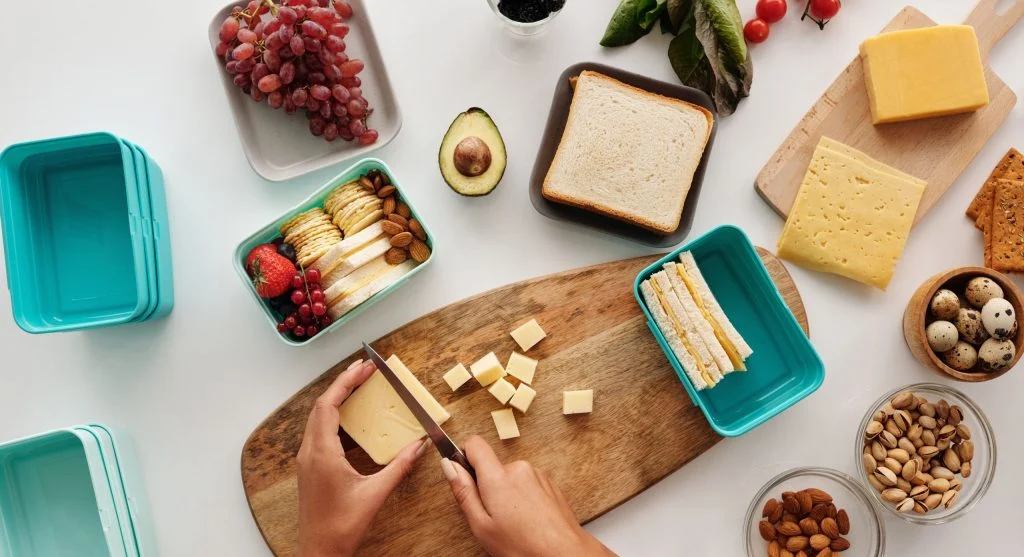
One simple way to support a fallback lunch is to shop for it intentionally. That means making sure the core foods are actually in the house before the crowded week begins. Wraps, yogurt, eggs, rice, beans, soup, crackers, fruit, greens, or whatever the fallback meal depends on should already have a place in the grocery plan. If the lunch relies on foods that may or may not be there, it is no longer a real fallback.
Grocery planners often explain that dependable meals only become dependable when the ingredients are protected in advance. This is one reason lunch planning usually works better before the week gets complicated, not after.
Why This Habit Often Lowers Stress Beyond Lunch Itself
One quiet advantage of this habit is that it lowers stress across the whole day. When lunch no longer feels uncertain, the middle of the day becomes easier to move through. There is less pressure to search for food at the last minute, less need to choose between weak options, and less mental drag from knowing the next meal is still unclear.
Meal routine coaches often note that small food systems can create outsized calm. One dependable lunch may seem minor, but during a crowded week, it can become one of the most useful stabilizers in the whole kitchen routine.
Frequently Asked Questions
Q: Why should households plan one fallback lunch before the week gets crowded?
A: Because one dependable lunch can reduce midday confusion, protect the afternoon, and make crowded weekdays much easier to manage.
Q: What counts as a fallback lunch?
A: A fallback lunch is a simple, repeatable meal that still works when time, energy, and attention are all limited.
Q: Do fallback lunches need to be made from scratch?
A: No. Many strong fallback lunches rely on leftovers, simple staples, or foods that need very little prep during the day.
Q: Will one repeated lunch become boring?
A: Not necessarily. In many households, useful repetition matters more than constant novelty, especially during crowded weeks.