 Eats PEI
Midday meals often become harder than they need to be because lunch is expected to solve itself during one of the busiest parts of the day. Breakfast may already have a routine, and dinner usually gets more attention because it closes the evening. Lunch sits in a more difficult spot. It happens when attention is divided, time is shorter, and energy has already been spent on the first half of the day. Under those conditions, lunch often gets rebuilt from scratch again and again, even when the same problem keeps showing up.
Nutrition educators often explain that midday eating becomes easier when one simple routine removes some of the daily guesswork. Meal-planning coaches also note that lunch satisfaction often has less to do with novelty than people think. It usually depends more on whether the meal has enough structure to feel complete and enough familiarity to happen without much friction. This is why midday meals often feel more satisfying when one simple routine keeps lunch from being rebuilt from scratch.
Why Lunch Often Feels Less Organized Than Other Meals
Lunch is one of the easiest meals to underestimate. People may assume they will “figure something out” later, especially when the day already feels full. That can work once in a while, but it often creates the same pattern again and again. Noon arrives, hunger is present, the options look scattered, and the person starts building a meal from whatever seems easiest in the moment. The result may look acceptable, yet still feel unsatisfying later.
Meal routine educators often explain that lunch becomes difficult when it has no dependable shape. The kitchen may contain plenty of food, but without one routine to guide the meal, the midday plate often ends up weaker than it needed to be.
Why One Simple Routine Often Helps More Than Many Lunch Ideas
Many people respond to lunch problems by collecting more meal ideas. In practice, too many ideas can create more decision-making without bringing much relief. One simple routine often helps more because it gives lunch a repeatable pattern. That pattern can still allow small changes, but it removes the need to solve the entire meal from the beginning every day.
Meal-planning coaches often recommend simple repeated systems because they lower friction. A lunch that happens reliably usually supports the day better than a lunch plan that sounds interesting but depends on too much fresh motivation.
How Rebuilding Lunch From Scratch Creates Scattered Meals
When lunch is rebuilt from scratch each day, the meal often becomes a collection of separate choices instead of one useful eating moment. A yogurt may appear first. Then crackers seem necessary. Fruit gets added because the meal still feels too small. Something sweet may follow later because lunch never fully settled. None of these foods are automatically bad choices. The issue is that they often show up as disconnected answers to the same hunger instead of one stronger meal.
Dietitians often point out that lunch satisfaction usually depends on whether foods work together clearly enough to support the afternoon. Without that structure, the meal may only half-solve the problem.
Why a Repeated Routine Often Makes Lunch Feel Fuller
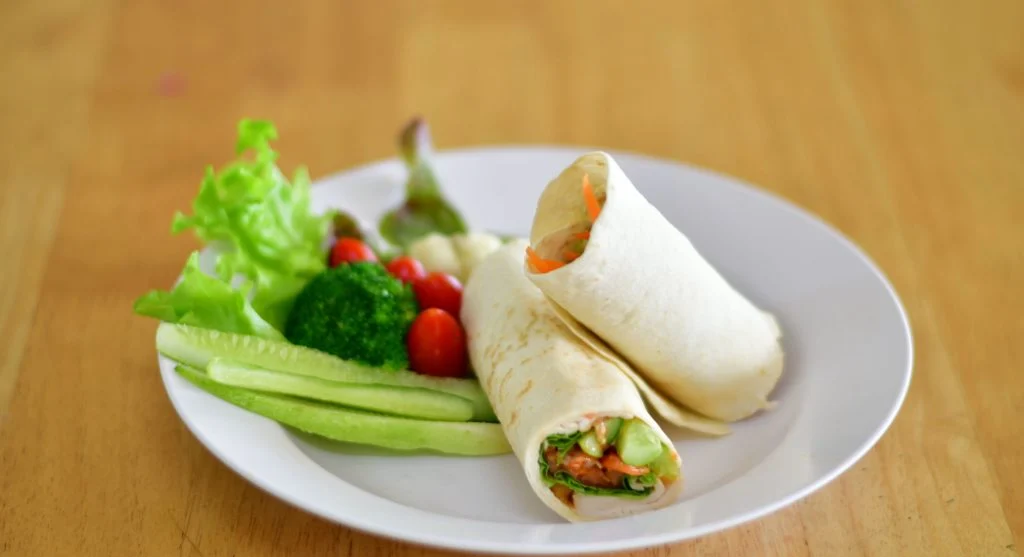
One simple routine often improves fullness because it creates more consistency in how the meal is built. If lunch usually includes one main food, one produce food, and one useful support food, the meal is much more likely to cover the midday gap well. A wrap with fruit. A rice bowl with vegetables. Soup with toast and a side. Yogurt with oats, nuts, and fruit. These meals may change in details, but the structure stays easy to understand.
Food educators often explain that routines help because they give the body and the schedule more dependable support. The meal no longer depends on random assembly under time pressure.
Why Lunch Routines Protect the Afternoon Better Than People Expect
A useful lunch routine does more than improve noon. It often protects the whole second half of the day. A stronger, more organized lunch can reduce food drift in the afternoon, lower the urge to graze on small foods, and make dinner timing feel easier. In this way, lunch routine often matters beyond lunch itself.
Meal-smarts educators often note that midday meals quietly shape the hours that follow. If lunch is weak or uncertain, the afternoon often becomes harder in ways people only notice later.
Why Simple Routines Lower Decision Fatigue During Busy Days
Decision fatigue affects food choices more than many people realize. By midday, someone may already have used energy on work, errands, messages, meetings, caregiving, or commuting. In that state, even a small meal decision can start to feel irritating. One repeated lunch routine reduces that burden by making at least part of the answer already known.
Food routine coaches often explain that reducing avoidable decisions is one of the strongest ways to make eating feel easier. Lunch benefits from this especially because it often happens during the least generous part of the day for decision-making.
How Simple Lunch Routines Still Allow Enough Variety
Some people resist routines because they assume routine means boredom. In real life, a routine can still leave room for small changes. A wrap can hold different fillings. A grain bowl can use different vegetables. Fruit can change with the season. A yogurt-based meal can shift with different nuts, berries, or oats. The routine stays steady while the details move enough to keep the meal useful.
Meal educators often support this kind of flexible repetition because it balances reliability with enough freshness to make the routine practical over time.
Why Leftovers Often Fit Naturally Into a Good Lunch Routine
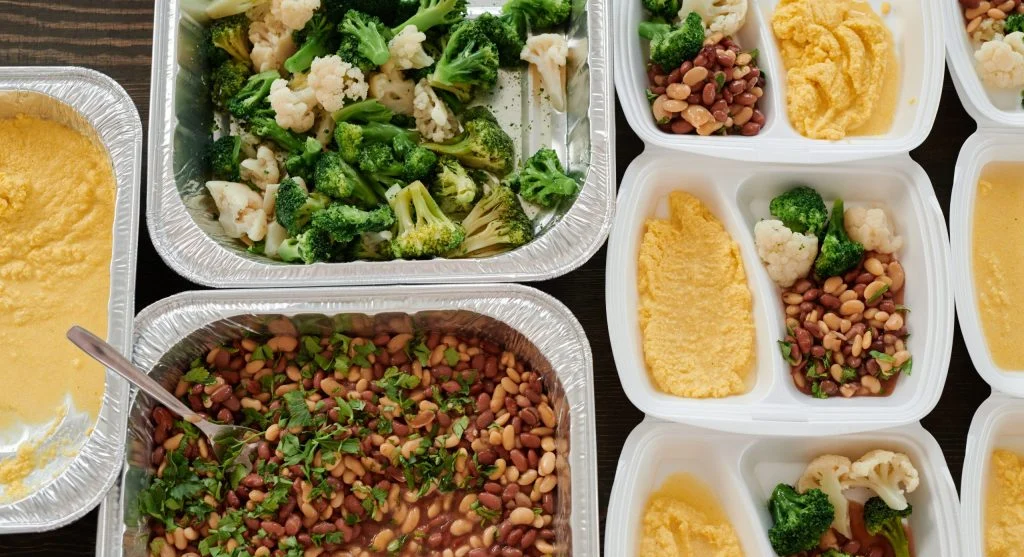
One of the strongest signs of a useful lunch routine is that leftovers can fit into it without much effort. Rice becomes a bowl. Roasted vegetables go into a wrap. Soup becomes the center of lunch with toast and fruit beside it. Eggs or cooked chicken become the stronger part of a snack-style plate. When leftovers fit easily, lunch becomes much more sustainable during a busy week.
Meal-planning coaches often recommend lunch systems that welcome leftovers because they save time, reduce waste, and create more dependable food coverage in the middle of the day.
Why Lunch Satisfaction Often Depends on One Anchor Food
Many simple lunch routines succeed because they include one anchor food strong enough to hold the meal together. That anchor may be rice, eggs, soup, a wrap, yogurt, potatoes, beans, or another dependable base. Once the anchor exists, the rest of the lunch can support it more naturally. Fruit, vegetables, crackers, toast, or sauces often work much better when the meal already has a center.
Dietitians often explain that scattered lunches frequently improve not because more food was added, but because one stronger anchor finally gave the whole meal shape.

How People Can Choose the Right Lunch Routine for Real Life
A useful lunch routine usually matches the kind of day a person actually has. If lunch is often eaten quickly, a wrap or packed box may work best. If leftovers are common, a bowl or plate routine may be stronger. If someone prefers lighter foods, yogurt, eggs, fruit, and toast may form a better system. The routine does not need to look impressive. It only needs to survive the real conditions of the day.
Meal-smarts coaches often recommend choosing routines based on realism rather than ideal plans. The lunch that fits the actual noon hour is usually the one worth repeating.
Why Satisfaction Is Often a Routine Issue, Not a Willpower Issue
When lunch keeps feeling weak, people sometimes blame themselves for poor choices or lack of discipline. In many cases, the bigger issue is that lunch has no system strong enough to carry the day. A person can make reasonable choices and still end up unsatisfied if the meal keeps being assembled under pressure with no dependable pattern.
Food educators often explain that useful routines usually solve more than self-criticism ever does. Once lunch has a repeatable structure, satisfaction often improves without requiring constant effort or perfect food decisions.
Frequently Asked Questions
Q: Why does one simple lunch routine help so much?
A: Because it reduces guesswork, lowers decision fatigue, and makes lunch more likely to feel complete instead of scattered.
Q: Does a lunch routine have to be the same meal every day?
A: No. The routine can stay the same while the foods inside it change slightly, such as using different fruits, vegetables, or fillings.
Q: Can leftovers still fit into a repeated lunch routine?
A: Yes. In fact, strong lunch routines often work especially well because leftovers can drop into them easily.
Q: What makes a lunch routine satisfying?
A: Usually one clear anchor food, a little support around it, and enough structure to carry the afternoon better.
Key Takeaway
Midday meals often feel more satisfying when one simple routine stops lunch from being rebuilt from scratch every day. A useful routine lowers decision fatigue, improves meal structure, and helps the afternoon start from a steadier place. In many cases, lunch satisfaction is not about finding a better idea every day. It is about giving the meal one dependable pattern strong enough to keep working under real midday conditions.