 Eats PEI
Easy evening meals can seem perfectly satisfying when they are first served, yet leave the rest of the night feeling less settled than expected. A quick bowl of food, a light sandwich, a simple soup, or a plate with a few basic items may appear completely reasonable at dinner time. Then the evening goes on, hunger starts creeping back, and the meal suddenly feels much smaller than it did while it was being eaten. Often, the issue is not that the foods themselves were poor choices. The bigger problem is that the meal lacked one reliable centerpiece strong enough to hold everything together.
Food educators frequently explain that dinner tends to feel more satisfying when one familiar food quietly takes on the role of the meal’s foundation. That central food does not need to make dinner complicated or heavy. It simply needs to provide enough structure so the other foods can support the meal instead of trying to carry it together in smaller pieces. This is why simple evening meals often feel more complete when one dependable food gives the plate a stronger center.
Why Dinner Can Look Complete Before It Proves Itself
Dinner is often judged too quickly. A plate may have variety, color, and enough visible food to appear finished. After a long day, that first impression can be convincing. However, the true test of a meal often comes later. If dinner lacks a clear anchor, it may calm hunger temporarily but fail to provide lasting support through the evening.
Dietitians often point out that meals do not need to be large to be effective, but they usually need enough structure to support the hours that follow. A dinner that appears balanced at first can still feel weak later if no single food clearly anchors the plate.
Why Familiar Foods Often Work Better Than Expected
Many of the most useful dinner foods are not particularly exciting. They are the familiar staples that appear in kitchens again and again. Rice, eggs, potatoes, beans, bread, pasta, yogurt, and simple proteins remain popular because they solve everyday meal challenges. They are easy to prepare, easy to repeat, and easy to combine with other foods. When one of these familiar foods becomes the center of dinner, the meal often feels much more stable.
Meal-planning educators often explain that practical meals are usually built around foods people already know how to use comfortably. Familiarity reduces effort, and when dinner already has a dependable center, building the rest of the meal becomes much easier.
How Dinner Starts to Feel Unsettled Without a Strong Center
An unsettled dinner often follows a common pattern. Several small foods may be present, but none of them clearly leads the meal. There may be fruit, crackers, a cup of soup, a serving of yogurt, or a vegetable side. Each item contributes something, but no single food provides enough support on its own. As a result, dinner can feel more like a collection of snacks than a complete evening meal.
Food routine educators often note that people frequently respond by reaching for another small food later. In reality, the meal often needed a stronger anchor from the beginning rather than additional foods afterward.
Why Rice Often Makes an Excellent Dinner Center
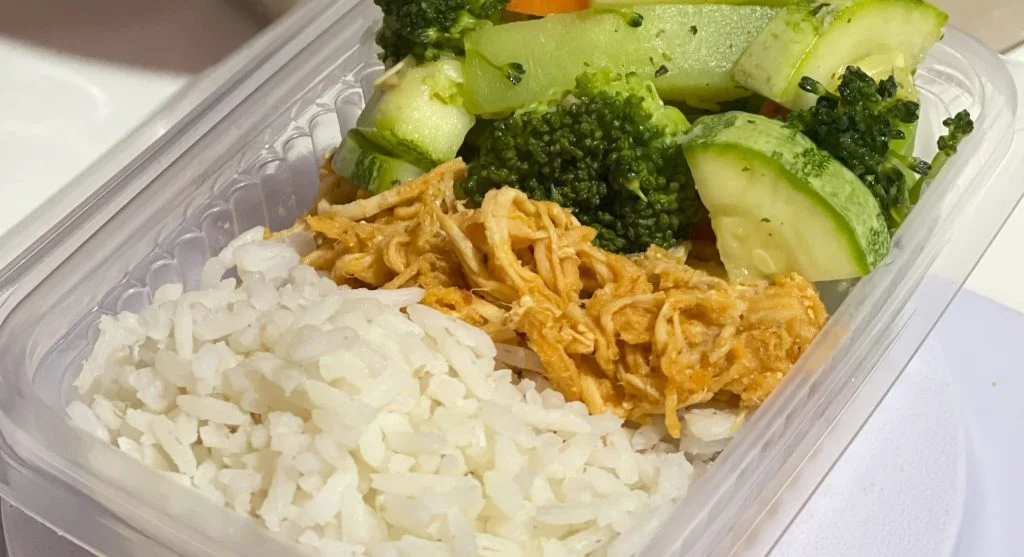
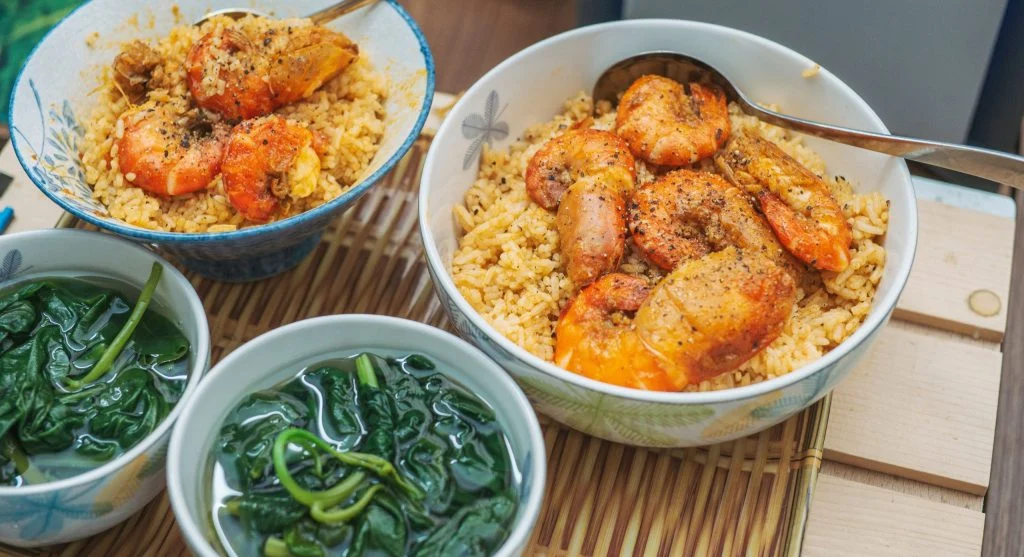
Rice is one of the clearest examples of a familiar food that can strengthen a meal. It creates a dependable base for vegetables, eggs, beans, chicken, tuna, yogurt-based sauces, or leftovers from previous meals. Once rice is part of the plate, smaller foods often work together more naturally because they have a foundation to build around.
Cooking educators frequently explain that grain-based meals feel more organized not just because of the grain itself, but because it helps bring the rest of the plate together. On busy evenings, that kind of structure can make a significant difference.
Why Eggs Often Improve Simple Dinners
Eggs are another familiar food that can contribute far more to dinner than many people expect. They cook quickly, pair well with vegetables, toast, rice, beans, and potatoes, and often add enough protein to help a meal feel more satisfying. While eggs may not immediately seem like a complete dinner solution, they frequently become one when the rest of the meal is built around them.
Nutrition educators often recommend eggs because they provide structure without requiring extensive planning. For many households, that combination makes them one of the most practical dinner anchors available.
Why Potatoes Often Make Light Dinners Feel More Complete
Potatoes are sometimes overlooked because they seem too simple to serve as the center of a meaningful dinner. In reality, they often make lighter meals feel more substantial and comforting. Potatoes paired with eggs, vegetables, yogurt, beans, or tuna can create a dinner that remains simple without feeling inadequate.
Meal coaches often explain that comfort matters at dinner. Potatoes help provide that sense of support while keeping meals straightforward and approachable.
Why Bread Works Best as Support
Bread can absolutely be part of a satisfying dinner, but it usually performs best when paired with a stronger centerpiece. Toast alongside eggs feels more complete than toast alone. Bread served with soup and yogurt often works better than bread being the primary focus. Likewise, crackers paired with cheese, hummus, eggs, or beans often create a more satisfying meal than crackers appearing alone throughout the evening.
Food educators often explain that familiar foods become more effective when they have a clear purpose. Bread is valuable, but it usually shines when it supports a stronger anchor rather than serving as the entire meal.
How One Strong Center Makes Side Foods More Useful
One of the biggest benefits of a strong dinner center is that side foods immediately become more effective. Fruit can add freshness rather than trying to provide substance. Vegetables can contribute color and variety without being responsible for carrying the meal. Yogurt can function as a side dish or sauce instead of serving as the main event.
The same foods may still appear on the plate, but they often work much better once there is a dependable anchor holding everything together. Meal-smarts educators sometimes describe this as giving each food a clearer role within the meal.
Why a Stronger Center Often Reduces Evening Food Drift
Evening food drift frequently begins when dinner felt finished before it was truly satisfying. A person may not feel intensely hungry right away, but the evening gradually fills with extra bites, random snacks, and repeated trips to the kitchen. A stronger dinner center often helps reduce this pattern because the original meal does more of the work upfront.
Dietitians often note that the most effective dinner is not necessarily the largest one. It is often the meal that prevents the evening from becoming a series of small food corrections.

Why Repeated Dinner Anchors Can Make Weeknights Easier
Some of the strongest meal routines rely on repeated anchor foods. Rice may appear several times during the week. Eggs may return regularly. Potatoes may serve as the foundation for different dinners. Rather than showing a lack of variety, this repetition often reflects practical meal planning.
Meal routine educators frequently explain that dependable anchor foods reduce decision fatigue and help create steadier weeknight habits. Dinner does not need to feel completely different every night if the core of the meal already works well.
How to Tell Whether Dinner Needed a Stronger Center
A useful question is not simply whether dinner looked balanced. It is whether the evening felt easier because of it. If hunger returned quickly, snacking became frequent, or dinner seemed to disappear too soon, the meal may have needed a stronger center. Often, the solution is not adding more foods. It is allowing one familiar food to take a clearer leading role.
Food educators often recommend evaluating dinner based on how it performs later rather than how it appears when first served. The evening usually provides the clearest answer.
Frequently Asked Questions
Q: Why does one familiar food help easy dinners feel more settled?
A: Because it gives the meal a clear center and makes the rest of the plate more supportive instead of scattered.
Q: What foods can work as a stronger dinner center?
A: Rice, eggs, potatoes, beans, pasta, or another familiar food that can anchor the meal and help the rest of the plate work around it.
Q: Does this mean side foods are less important?
A: No. Side foods still matter, but they often work better once dinner already has a dependable center holding the meal together.
Q: How can someone tell if dinner lacked a stronger center?
A: Often the answer shows up later through early hunger, reactive evening snacking, or a sense that dinner never fully settled the evening.
Key Takeaway
Easy evening meals often feel more complete when one familiar food serves as a dependable center. A strong anchor can help side foods work more effectively, reduce evening food drift, and provide steadier support throughout the night. In many cases, improving dinner is not about adding complexity. It is simply about choosing one familiar food strong enough to bring the entire meal together.