 Eats PEI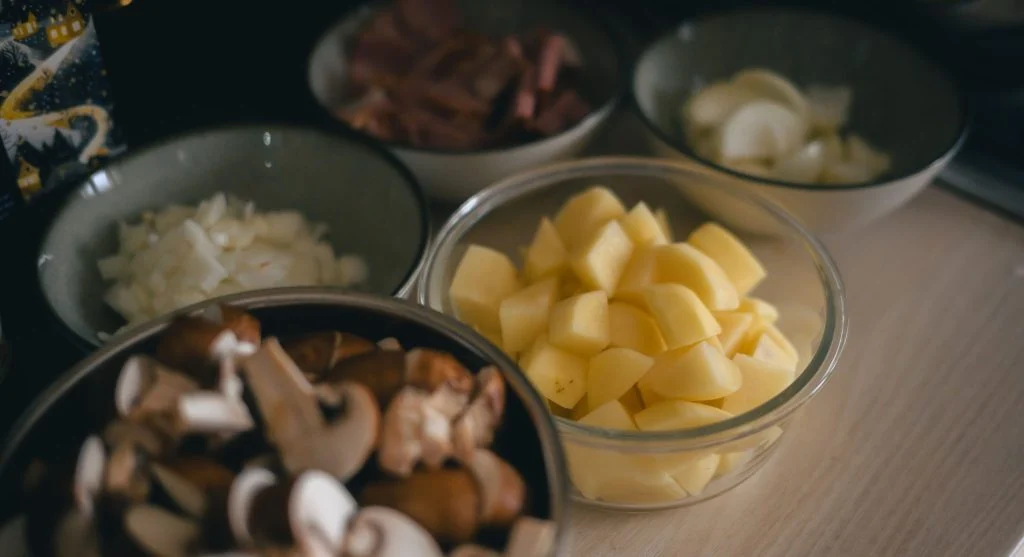
Weeknight cooking often feels more challenging than the meals themselves. In many households, dinner is not difficult because the recipes are complicated or the ingredients are unusual. Instead, it feels difficult because the same small task keeps appearing night after night. Rice still needs to cook. Vegetables still need chopping. Potatoes still need preparing. Protein still needs a starting point. Each of these jobs may be simple on its own, but when they repeat across multiple evenings, one small step can quietly become the part of cooking that makes dinner feel more demanding than it should.
Cooking educators often explain that effective meal prep works best when it solves a recurring problem rather than trying to solve the entire week at once. Meal-planning coaches also note that one prepared ingredient often provides more practical value than an elaborate prep routine that is too complicated to maintain. This is why weeknight cooking frequently becomes easier when one prepped ingredient removes the most common dinner obstacle.
Why Repeated Dinner Tasks Feel Bigger Than They Are
A recurring cooking task can start to feel much larger than it really is because it appears during one of the busiest parts of the day. By evening, energy is often lower, patience is limited, and attention is divided among many responsibilities. At that point, even a simple task such as chopping vegetables or waiting for rice to cook can feel like the step that slows everything down.
Meal-smarts educators often explain that weeknight cooking challenges are usually caused more by repetition than by complexity. The task itself may not be difficult. The issue is that it keeps appearing at a time when people have the least energy to deal with it.
Why One Prepped Ingredient Often Helps More Than Full Meal Prep
Many people assume that meal prep means preparing complete meals days in advance. In reality, one prepared ingredient often provides more value because it remains flexible. A fully prepared meal can lock the week into one direction, while a single ingredient can support a variety of dinners. It can be used in bowls, wraps, soups, pasta dishes, side plates, or leftovers without making every meal look the same.
Cooking coaches often point out that practical meal prep works best when it makes dinner easier to start rather than trying to plan every meal in advance. One useful ingredient often does exactly that.
How the Right Ingredient Simplifies the Entire Meal
When one important ingredient is already prepared, building dinner becomes much easier. Cooked rice can serve as a side dish, a grain bowl base, or part of a mixed plate. Roasted vegetables can be added to soups, wraps, pasta dishes, or egg-based meals. Prepared potatoes can strengthen lighter dinners, while a simple cooked protein can make several meals feel more complete with minimal effort.
Food routine educators often explain that cooking becomes easier when every part of the meal does not require attention at the same time. One prepared ingredient reduces the number of decisions and tasks that need to happen in the moment.
Why the Best Ingredient to Prep Is Often the Most Annoying Step
The most useful ingredient to prepare ahead of time is not necessarily the healthiest or most impressive one. More often, it is the ingredient that removes the task that consistently slows dinner down. If waiting for rice is always the frustrating part, rice may be the smartest thing to prepare in advance. If chopping vegetables feels like the biggest hurdle, then roasted or pre-cut vegetables may provide the most benefit. If protein is always the missing piece, then eggs, beans, chicken, or another simple option may deserve the attention.
Cooking educators often recommend identifying the most common source of frustration before choosing a prep habit. Doing so turns preparation into genuine support rather than just another kitchen responsibility.
Why Cooked Grains Make Multiple Dinners Easier
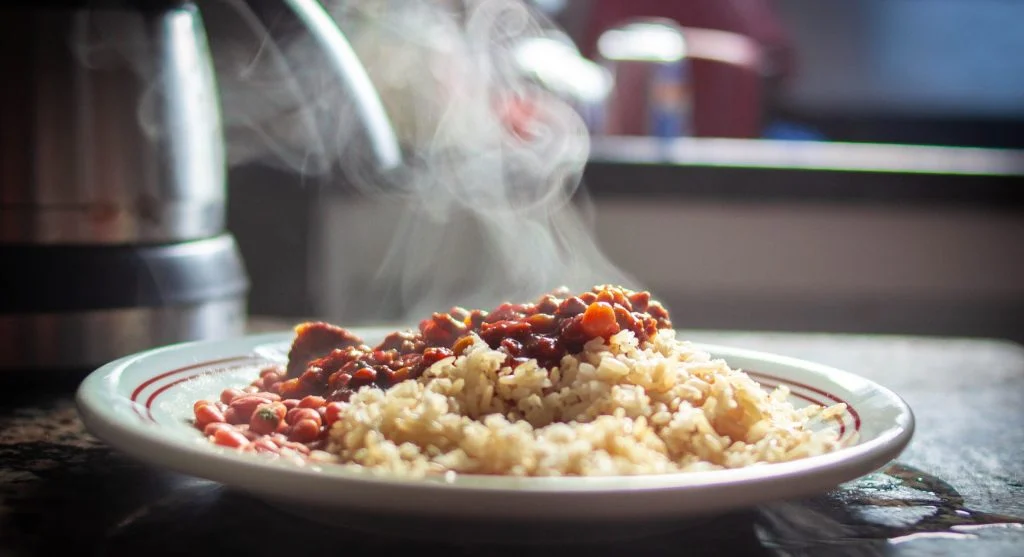
Cooked grains are one of the clearest examples of a prepared ingredient that solves recurring dinner challenges. Rice, quinoa, or similar grains can support a wide range of meals throughout the week. They pair well with vegetables, beans, eggs, yogurt-based sauces, chicken, and leftovers. Once grains are already cooked, dinner often feels like it has a head start instead of beginning from scratch.
Meal-planning educators often explain that grains are especially valuable because they work equally well in both lighter and more substantial meals. Their role is not to define dinner but to make it easier to organize.
Why Roasted Vegetables Remove More Work Than Expected
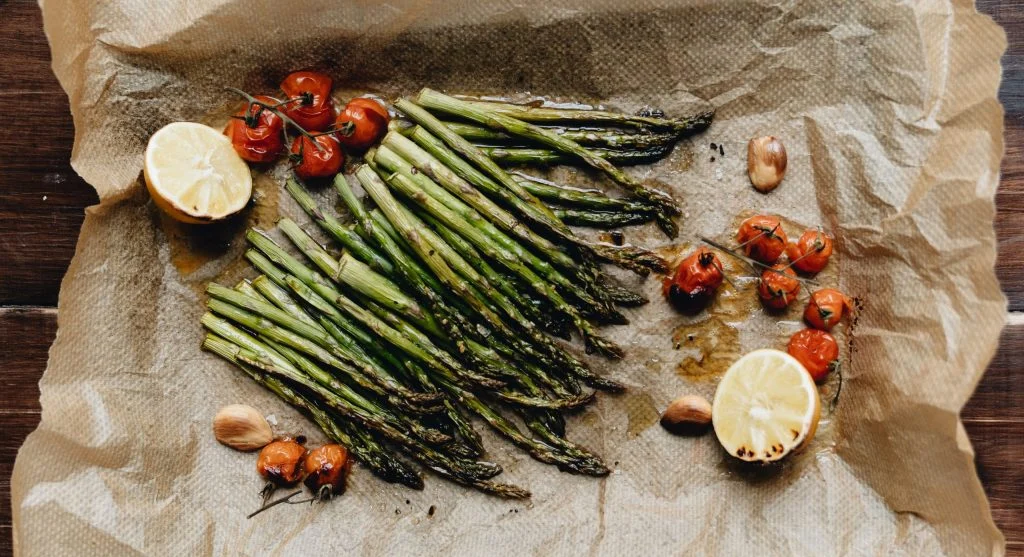
Roasted vegetables are another excellent prep ingredient because they eliminate several tasks at once. The washing, chopping, cooking, and waiting have already been completed. As a result, dinner becomes much easier to finish later. Roasted vegetables can be added to rice bowls, pasta dishes, soups, wraps, omelets, or simple side plates with very little additional effort.
Cooking coaches frequently support vegetable prep because it makes nutritious foods easier to use when evening energy is low. The vegetables are not just available—they are already close enough to finished that they can help dinner come together quickly.
Why Proteins Work Best When Kept Simple
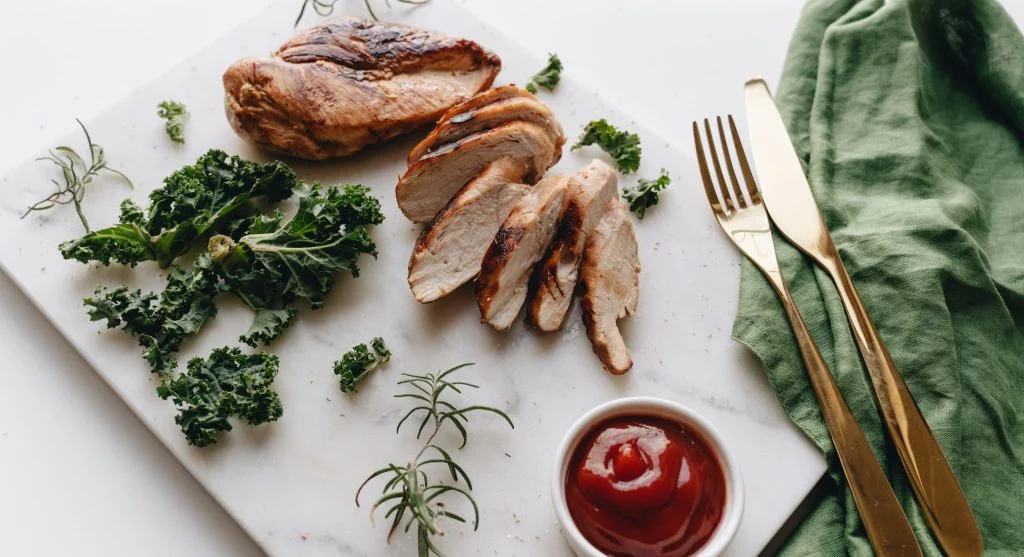
Prepared proteins often provide the most flexibility when they remain simple. Shredded chicken, cooked beans, lentils, boiled eggs, or another basic protein can move easily between different meals throughout the week. A heavily seasoned or highly specific recipe may limit options, while a simple protein can adapt to many dinner styles.
Food educators often explain that the most reusable foods are usually the ones that leave room for the rest of the meal to change. That flexibility helps one prepared ingredient support the week without making meals feel repetitive.
Why This Habit Saves Mental Energy Too
Preparing one ingredient ahead of time often saves more than just cooking time. It also reduces mental effort. When one recurring step has already been completed, there is one less decision to make during a busy evening. This matters because weeknight cooking often becomes exhausting due to accumulated decision fatigue rather than actual cooking difficulty.
Meal routine educators often note that successful meal prep is frequently about reducing mental resistance rather than maximizing efficiency. One prepared ingredient helps because it removes a familiar obstacle before it appears again.
Why This Approach Often Works Better Than Over-Preparing
Some households try to simplify cooking with extensive meal-prep systems. While those plans can sometimes be helpful, they are often difficult to maintain over time. One prepared ingredient is smaller, more flexible, and easier to repeat. It does not require the entire week to follow a strict schedule. Instead, it simply provides one dependable source of support for dinner.
Cooking educators often favor smaller prep habits for this reason. A modest routine that can be repeated consistently is usually more valuable than an ambitious plan that becomes too difficult to maintain.
How to Choose the Right Ingredient to Prep
A useful place to start is by paying attention to the task that repeatedly slows dinner down. If the thought “dinner would be easy if the rice were already cooked” comes up frequently, then rice may be the answer. If vegetables are consistently skipped because preparation feels time-consuming, then vegetables may deserve attention first. If meals often feel incomplete because protein is unclear, then preparing a simple protein may be the most helpful step.
Meal-smarts coaches often explain that frustration usually points directly toward the best prep habit. The task that repeatedly creates resistance is often the first one worth solving in advance.
Why One Solved Step Can Make the Whole Week Feel Easier
When one recurring task is removed, the entire week often feels lighter. Dinner starts faster. Familiar foods become easier to rely on. Leftovers are simpler to reuse. The kitchen feels more supportive and less demanding. While the change may seem small on paper, it can make a noticeable difference in everyday life.
Food routine educators often explain that sustainable cooking habits are built through small, repeatable improvements rather than perfect systems. One prepared ingredient is often exactly that kind of improvement.
Frequently Asked Questions
Q: Why does one prepped ingredient help weeknight cooking so much?
A: Because it removes one repeated step that keeps slowing dinner down and making evening meals feel harder than they need to be.
Q: Does the prepped ingredient have to be used the same way each night?
A: No. The most useful ingredients are usually flexible enough to move into different meals across the week.
Q: What kinds of ingredients work best for this habit?
A: Ingredients like cooked grains, roasted vegetables, boiled eggs, beans, potatoes, or simple proteins often work well because they support several dinner styles.
Q: Is one prepped ingredient really enough to make a difference?
A: In many households, yes. Solving one repeated point of friction often changes how the whole weeknight cooking routine feels.
Key Takeaway
Weeknight cooking often becomes easier when one prepared ingredient solves the most common dinner challenge. Effective meal prep does not need to manage the entire week at once. It simply needs to remove one recurring obstacle that keeps showing up at the busiest part of the day. In many cases, the smartest prep strategy is not the largest one. It is the single prepared ingredient that helps multiple dinners start more smoothly and come together with less effort.