 Eats PEI
Evening snacking often gets blamed on willpower, routine, or habit, but dinner itself usually plays a bigger role than many people realize. A lot of evening meals are built for one immediate purpose: stop hunger quickly, finish the cooking task, and move the night along. In the moment, that may seem like enough. Then, an hour or two later, the kitchen starts calling again, snacks become more tempting, and the evening feels harder to settle than it should.
Dietitians and meal routine educators often explain that the problem is not always that dinner was simply too small. More often, dinner was built only to quiet the first wave of hunger instead of supporting the whole evening. That difference matters. A meal that calms hunger for twenty minutes is not always the same as a meal that helps the body feel steady until the night winds down. This is why evening snacking often becomes harder when dinner was only designed to end hunger quickly.
Why Fast Hunger Relief Is Not Always the Same as Real Dinner Support
Some dinners work more like a quick fix. They may be warm, convenient, and easy to eat, but they do not always have enough structure to support the next several hours. A light bowl of food, a few pieces of toast, a small sandwich, or a snack-style dinner without a stronger anchor may calm immediate hunger without giving much staying power afterward.
Nutrition educators often explain that useful meals usually do more than stop the first hunger signal. They help support energy, comfort, and a steadier appetite during the time between dinner and bed. When a meal only solves the first ten minutes, the rest of the evening may keep asking for more food in a way that feels confusing later.
Why Dinner Often Gets Built Around Speed at the Hardest Time of Day
There is a clear reason this happens. Evening is often the part of the day when energy is lowest and patience is shortest. Work may be over, but family tasks, cleanup, commute fatigue, and mental overload may still be present. In that setting, dinner often becomes less about support and more about getting food onto a plate as quickly as possible.
Meal-planning coaches often note that this is exactly where useful dinner habits matter most. The evening is usually the least forgiving time to rely on spontaneous good decisions. If dinner is built only for speed, it may feel successful in the moment while quietly setting up later snacking that feels harder to control.
How Weak Dinner Structure Can Show Up Later as “Snacking”
Many people go through this pattern without noticing it clearly. Dinner happens. It seems fine. Then later there is fruit, then crackers, then something sweet, then another small bite before bed. The person may feel like they “kept snacking all evening,” but the evening may actually be showing that dinner never fully did its job.
Dietitians often explain that later eating is not automatically a problem. The real question is whether the pattern feels intentional or reactive. When food keeps appearing because dinner never truly supported the evening, that is very different from a planned dessert or a deliberate evening snack.
Why Protein Often Changes How Dinner Behaves Later
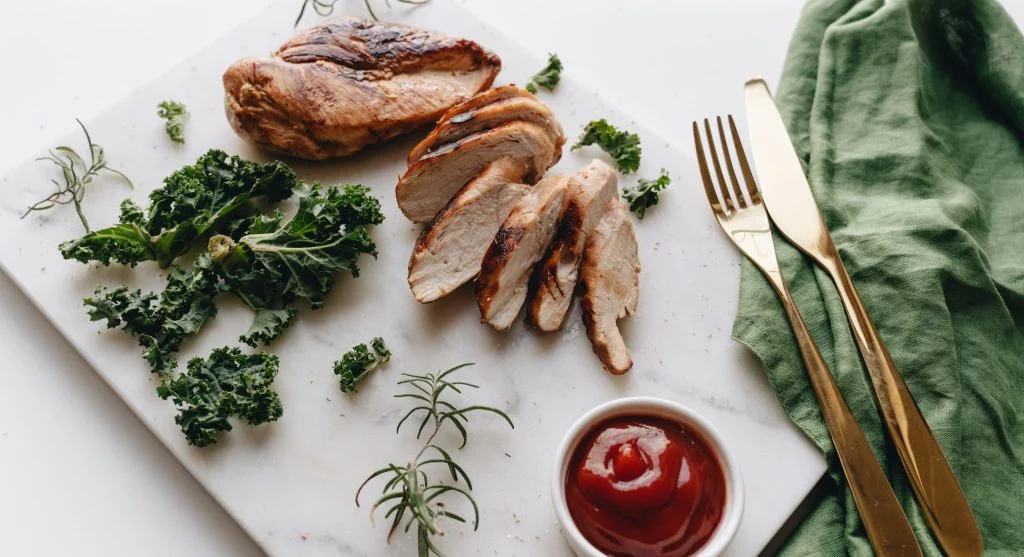
Protein is often one of the main differences between a dinner that feels steady and one that fades too quickly. Eggs, beans, yogurt-based sides, chicken, fish, tofu, lentils, cottage cheese, and other reliable protein sources can help meals feel more complete. This does not mean dinner has to become heavy. It simply means the meal may need one stronger anchor so it can do more than end hunger fast.
Many nutrition professionals support including regular protein at meals because it can improve fullness and make eating patterns feel steadier. On evenings when snacking feels especially strong, that kind of support can matter a lot.

Credit: cottonbro studio / Pexels
Why Light Dinners Are Not the Same Thing as Weak Dinners
Some people assume that if they prefer lighter dinners, later hunger is unavoidable. That is not always true. A light dinner can still work well if it has enough structure. Soup with toast and fruit may work. Eggs with bread and vegetables may work. A rice bowl with beans and yogurt sauce may still feel light while offering more support. The difference is not always the size of the meal. Often, it is how thoughtfully the meal is built.
Meal educators often explain that light meals can still be satisfying when they include some contrast, one dependable protein, and enough total food for the real time gap ahead. A lighter dinner that is built well usually behaves very differently from a rushed dinner that only stops the first wave of hunger.
How Dinner Timing Affects the Rest of the Evening
Dinner timing matters too. An early dinner may naturally leave room for a later snack, even if the meal itself was good. A late dinner may reduce that need. Someone with a long stretch between dinner and sleep may need a stronger meal or a planned small snack later. This is why it helps to judge dinner by the actual night ahead, not only by the plate itself.
Food routine coaches often explain that better eating becomes easier when meals are judged by what they need to support. Dinner is not only about the moment it is eaten. It is also about the hours that follow. When that gap is long, the meal usually needs more intentional support.
Why Texture and Contrast Can Quietly Improve Dinner Satisfaction
A dinner with only one texture often feels less satisfying than people expect. Soft foods with no crisp side, dry foods with no creamy support, or one-note savory meals with nothing fresh beside them can fade quickly. This is one reason a simple side often helps more than expected. Fruit, yogurt, vegetables, toast, crackers, salad, or a small grain side can all improve the meal.
Cooking educators often note that contrast helps meals feel more complete. The plate no longer depends on one mood or one texture to do everything by itself. That can make the whole evening feel more settled after dinner is over.
Why “Healthy Dinner” and “Useful Dinner” Are Not Always the Same Idea
Some evening meals look healthy on paper but still do not support the night very well. A small salad, a bowl that is mostly vegetables, or a plate built around one light item may sound like a good decision in theory, yet still leave the person searching for more food later. In many cases, the meal needed more usefulness, not more approval.
Dietitians often explain that the strongest meal choices are usually the ones that fit the real context. A useful dinner supports both the body and the evening routine. If the meal leads to repeated reactive snacking later, the problem may not be the later food alone. It may be that dinner never truly matched the need of the moment.
How Planned Evening Snacks Differ From Reactive Evening Snacking
It is important to separate two different experiences. A planned evening snack can fit perfectly well into a balanced routine. Someone may eat dinner early and choose yogurt later. Another person may want fruit and nuts before bed. That can be completely intentional. Reactive evening snacking often feels different. It tends to happen when the person keeps returning to the kitchen because dinner never really closed the gap.
Meal educators often recommend asking whether the later eating felt chosen or whether the evening kept asking for food because dinner was built too narrowly. That simple difference can reveal a lot.

What a Steadier Dinner Often Looks Like in Real Life
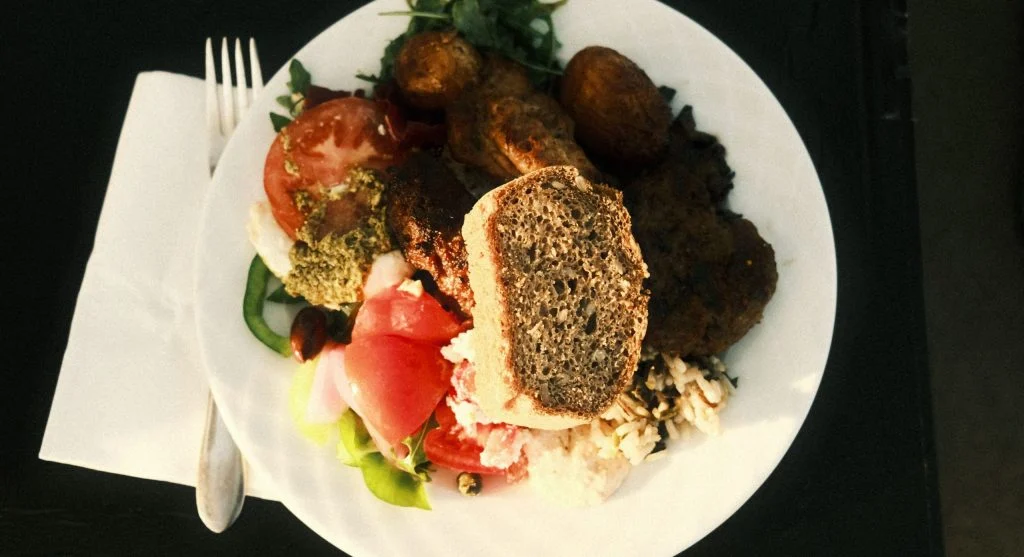
A steadier dinner is often simpler than people expect. It may still be fast. It may still be light. It may still use leftovers or convenience foods. The difference is that it includes enough structure to support the whole evening better. That may mean soup with toast and fruit. Rice with beans and yogurt sauce. Eggs with bread and vegetables. Pasta with a side salad and a stronger protein. A snack-style meal can still work too, as long as it has enough total support and is not just a collection of scattered foods.
Meal coaches often explain that better dinners are usually not built by making them fancier. They are built by helping them do their full job a little better.
How People Can Tell Whether Dinner Was Strong Enough
A useful check is not only whether dinner felt good at the table. It is whether the evening felt calmer afterward. Did the meal carry the next few hours reasonably well? Did later eating feel intentional instead of urgent? Did the person feel supported, or still halfway hungry? Those questions often reveal more than calorie math or rigid meal rules.
Nutrition educators often explain that dinner is successful when it helps the night become easier, not only when it looks balanced for ten minutes. That wider view can make meal building much more realistic.
Frequently Asked Questions
Q: Why does evening snacking often feel stronger after a quick dinner?
A: Because some quick dinners stop the first wave of hunger without giving enough support for the rest of the evening.
Q: Does this mean dinner always needs to be large?
A: No. Dinner may still be light or simple, but it often works better when it has enough structure, protein, and support foods.
Q: Is evening snacking always a bad sign?
A: No. A planned evening snack can fit well into a balanced routine. The issue is usually whether the later eating feels intentional or reactive.
Q: What is the easiest way to improve a weak dinner?
A: Often the easiest fix is adding one supporting element such as protein, fruit, toast, vegetables, yogurt, or another simple side that helps the meal last longer.