 Eats PEI
Busy grocery trips often lead to the same frustrating outcome. The cart looks full, the checkout total feels significant, and the kitchen seems stocked for the week. Then, two days later, breakfast feels uncertain, lunch feels thin, and dinner still feels harder than it should. Many people think this happens because they forgot one or two ingredients. More often, the real issue is that the cart was built around separate foods instead of a few dependable meals.
Food educators often point out that grocery shopping works better when the first goal is meal coverage, not product variety. Dietitians and meal-planning coaches also explain that useful kitchens are not usually built from a long list of perfect foods. They are built from a smaller group of foods that work together well enough to support the next several days. That is why busy shoppers often benefit from building a grocery cart around three easy meals before adding extras, snacks, or more hopeful “maybe I’ll use this” items.
Why Shopping Feels Productive Even When the Cart Is Not Very Useful
Grocery shopping often feels successful in the moment because the cart is full of real food and visible variety. Fruit, yogurt, vegetables, sauces, bread, snacks, and a few proteins can make the trip feel complete. The problem shows up later, when those foods do not connect into meals that are actually easy to make. A kitchen can look stocked and still feel difficult to eat from.
Meal-planning educators often explain that this happens when the shopper solves the “buy food” problem but not the “build meals” problem. The cart may contain plenty of good foods, but it may not have enough structure to support breakfast, lunch, and dinner with confidence.
Why Three Easy Meals Create a Stronger Shopping Foundation
Three easy meals can give a grocery trip enough structure to cover the next few days without making the plan feel too strict. One breakfast, one lunch, and one dinner option are often enough to guide the rest of the cart in a more useful direction. Once those meals are clear, other purchases start to make more sense. The shopper can see which staples are missing, which produce actually fits, and which convenience foods will truly help later.
Grocery coaches often recommend simple meal anchors because they reduce decision fatigue in the store. Instead of reacting to every item on the shelf, the shopper starts with a practical framework and then builds around it.
How Random Grocery Carts Quietly Create Weak Meal Coverage
Random grocery carts often create weak meal coverage because they are built from isolated choices. One product looks healthy. Another looks quick. A third seems like it might be useful later in the week. None of these choices are automatically wrong, but they may not add up to a meal that can actually happen when time and energy are low. That is why some kitchens end up full of food but short on practical eating options.
Shopping experts often note that this pattern is especially common during tired weekend trips or rushed weekday store runs. The shopper keeps making reasonable choices, but the cart never gets connected back to a real meal pattern.
Why Breakfast Should Often Be One of the First Anchor Meals
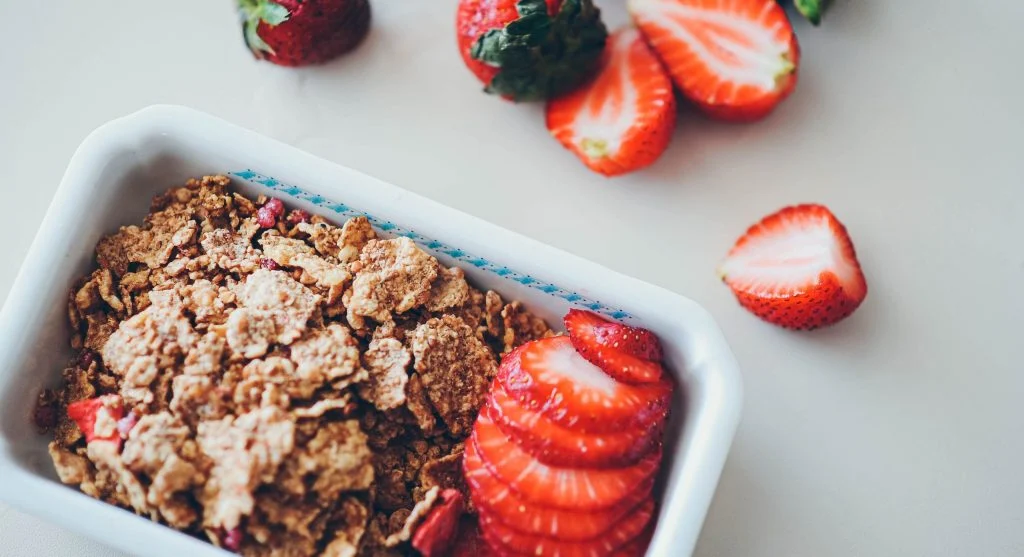
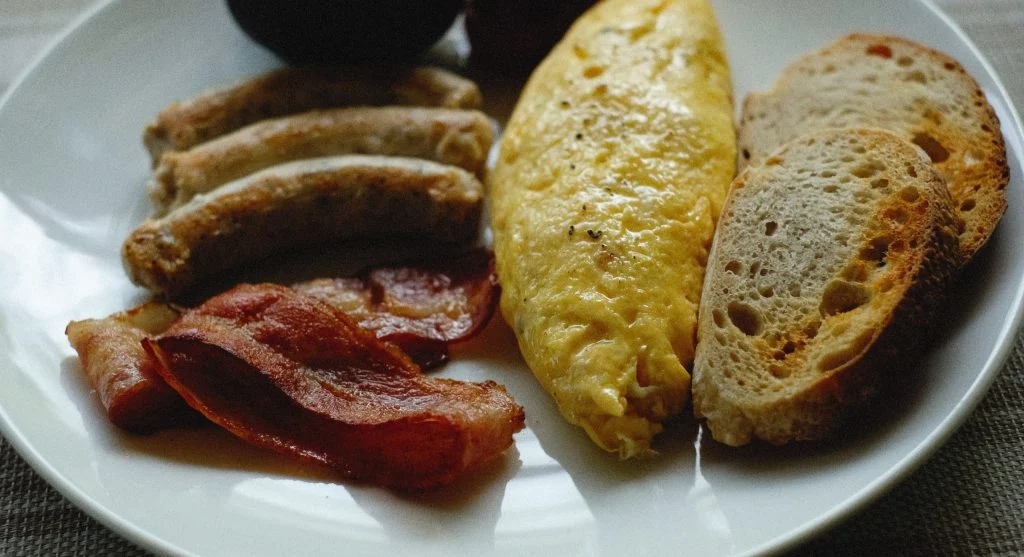
Breakfast often deserves one of the first spots in the grocery plan because it shapes the start of the day and can usually be repeated easily. Oats, yogurt, eggs, fruit, toast, or a simple smoothie routine can create a dependable breakfast anchor without adding much complexity. Once that breakfast is covered, the rest of the cart becomes easier to build because one part of the week is already supported.
Dietitians often explain that repeated breakfasts can make grocery shopping easier because they reduce uncertainty. A familiar breakfast pattern can quietly make the whole cart more useful.
Why Lunch Often Fails When It Is Not Planned Early
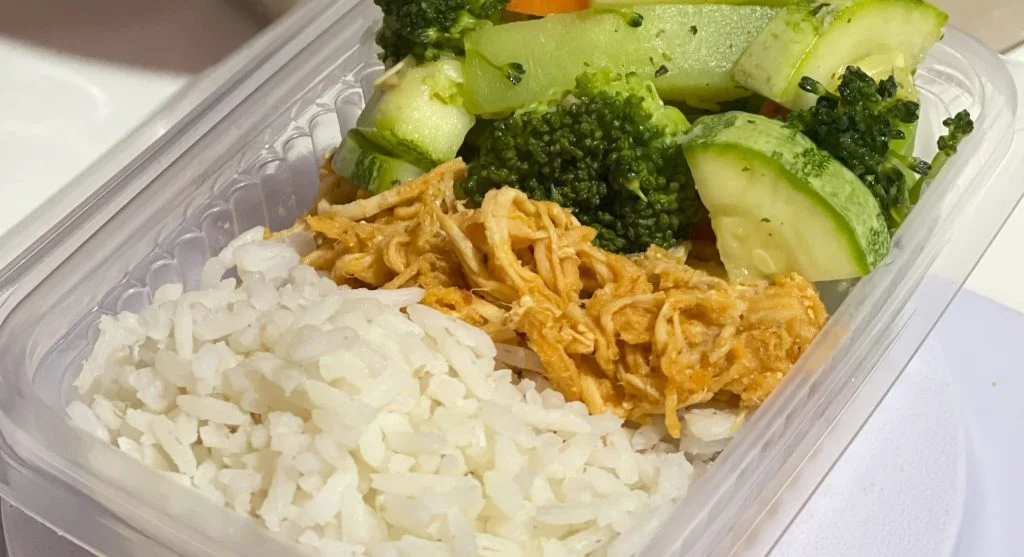
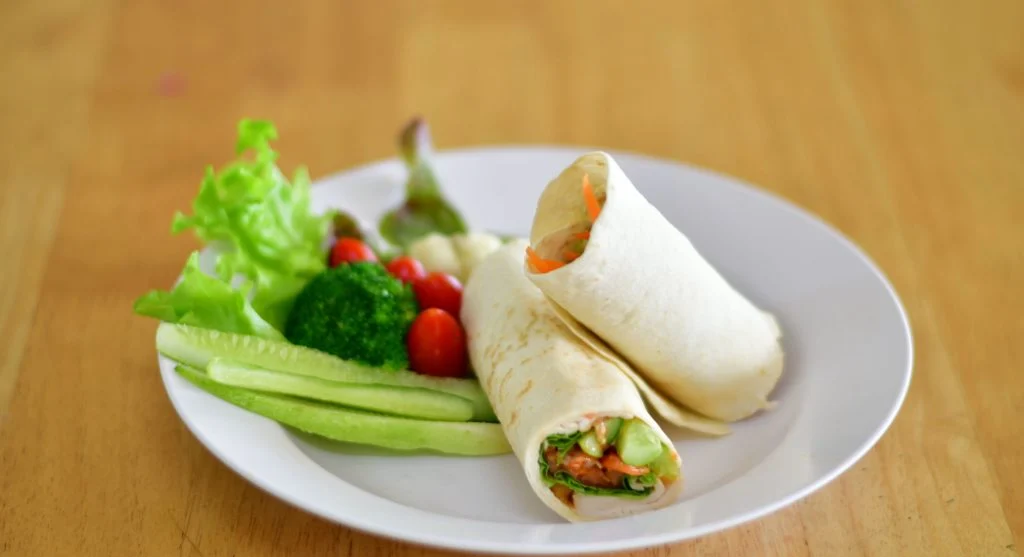
Lunch often becomes the weakest meal in the cart because shoppers assume it will somehow work itself out. Then the week begins, and lunch turns into leftovers that do not exist, snacks that are too light, or food delivery that was never part of the plan. One easy lunch anchor, such as wraps, rice bowls, soup with sides, or yogurt-and-fruit snack plates, can prevent that problem before it starts.
Meal-prep instructors often explain that lunch needs early attention because it is the meal most likely to fall apart under work, errands, and short breaks. A cart that protects lunch usually feels much more useful by midweek.
Why Dinner Should Be Chosen for the Hardest Evening, Not the Easiest One
The most useful dinner anchor is often not the most exciting meal. It is usually the one that still works on the hardest evening of the week. Rice with beans and vegetables, soup with toast, pasta with tuna and tomato sauce, or eggs with potatoes and salad are all examples of dinners that can support low-energy nights without asking too much from the shopper later.
Meal coaches often recommend choosing dinner anchors based on the week’s most difficult night because that is when the grocery cart really proves whether it was helpful.
How Easy Meals Improve the Rest of the Cart
Once three easy meals are in place, the rest of the shopping decisions often become clearer. Fruit can be chosen for breakfast or snacks. Vegetables can be selected based on whether they fit into wraps, bowls, or side dishes. Yogurt can support breakfast and snacks. Eggs may work for breakfast, lunch, or dinner. Instead of feeling scattered, the cart begins to feel connected.
Shopping educators often explain that structure creates flexibility. When the core meals connect well, it becomes easier to use the other foods in different ways throughout the week.
Why Extras Should Come After Meal Coverage, Not Before It
Extras are not the problem. The order is the problem. When extras are chosen before meal coverage exists, they can quietly take up cart space without doing much to support the week. Snack foods, sauces, sweet items, novelty products, and impulse produce may all feel useful in the store, but they often matter far less than a clear breakfast, lunch, and dinner foundation.
Budget-minded shopping coaches often note that the cart becomes more useful and efficient when extras are added only after the core meals are already protected.
How This Method Helps With Budget and Waste at the Same Time
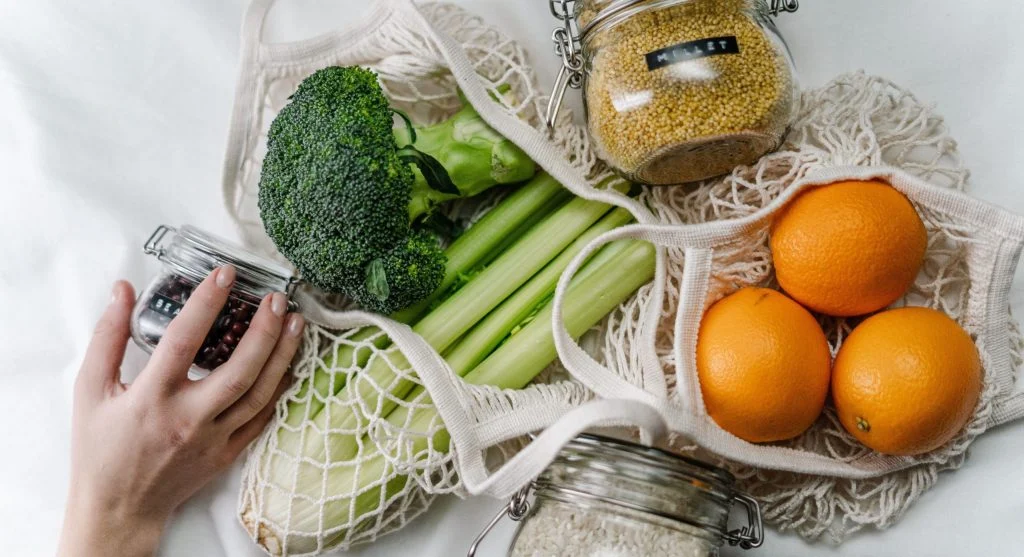
Building the cart around three easy meals often helps with both budget and food waste because the groceries are more likely to be used. Repeated ingredients such as eggs, yogurt, bread, oats, fruit, rice, beans, wraps, and vegetables can support more than one eating moment. That lowers the chance of buying foods that sound good in theory but do not actually fit into the week.
Food waste specialists often point out that groceries are most likely to be wasted when they were never attached to a realistic meal plan in the first place. A practical cart usually protects both money and food.
Why Busy Shoppers Often Do Better With Useful Repetition
Many busy shoppers believe the cart needs constant variety to be healthy or interesting. In real life, useful repetition often makes shopping stronger. A repeated breakfast, one reliable lunch, and one dependable dinner can still leave plenty of room for small changes in fruit, vegetables, sauces, and sides. The difference is that the cart now supports the week instead of simply filling the kitchen.
Experts in habit formation often explain that repetition reduces friction. The easier meals are to repeat, the more likely they are to happen when life gets busy.
How Shoppers Can Actually Use This Method in the Store
A simple way to use this method is to pause before shopping and write down one breakfast, one lunch, and one dinner that feel realistic for the next few days. Then the shopper can list the foods needed to make those meals happen once or twice. After that, it becomes easier to add produce, snacks, and extras that clearly fit around those meals instead of competing with them.
Grocery planners often recommend keeping these meal anchors simple enough to work on a tired day. That is what makes them useful. They are not meant to impress anyone. They are meant to make the kitchen easier to use.
Why This Approach Makes the Whole Week Feel Calmer
When the cart is built around three easy meals, the week often feels calmer because the first few food decisions are already made. Breakfast feels more automatic. Lunch feels less uncertain. Dinner is less likely to turn into a stressful last-minute question. That effect can spread across the whole week, even if every meal does not follow the plan exactly.
Meal educators often explain that useful shopping habits do not need to remove flexibility. They only need to reduce avoidable confusion. Building the cart around three easy meals often does exactly that.
Frequently Asked Questions
Q: Why should shoppers build a grocery cart around three easy meals first?
A: Because three easy meals often create enough structure to make the rest of the cart more useful, connected, and practical through the week.
Q: Do the three meals need to cover the full week?
A: No. They mainly create a reliable foundation. Once breakfast, lunch, and dinner have simple support, the rest of the grocery choices usually become easier.
Q: What kind of meals work best as anchors?
A: Meals that are simple, flexible, and realistic for busy days, such as oats or eggs for breakfast, wraps or bowls for lunch, and rice, soup, or pasta-based dinners.
Q: Does this method reduce variety?
A: Not necessarily. It usually improves useful variety by making sure the basic foods actually work together instead of competing for attention in the cart.