 Eats PEI
Meal smarts can make catch-up meal days much easier, especially after a stretch of rushed schedules, skipped meals, takeout, travel, or general food disorder through the week. Many people have days when meals feel off track and they want the next day to feel calmer, simpler, and more supportive. That does not require a harsh reset. It usually just needs a little structure.
Catch-up meal days work best when they focus on practical food routines instead of perfection. A few useful meal habits can help the kitchen feel organized again without turning eating into a strict project. These meal smarts habits can make those reset-style days feel much more manageable.
Why catch-up meal days often feel emotionally heavier
After a chaotic stretch, people often expect the next day of eating to somehow fix everything at once. That can create too much pressure. Instead of helping, it can make meals feel rigid, overly planned, or hard to follow through on once the day gets busy again.
Meal smarts help by lowering that pressure. A catch-up day usually works better when it focuses on steady meals, balanced food choices, and enough flexibility to fit real life.
1. Start with one steady meal instead of fixing the whole day at once
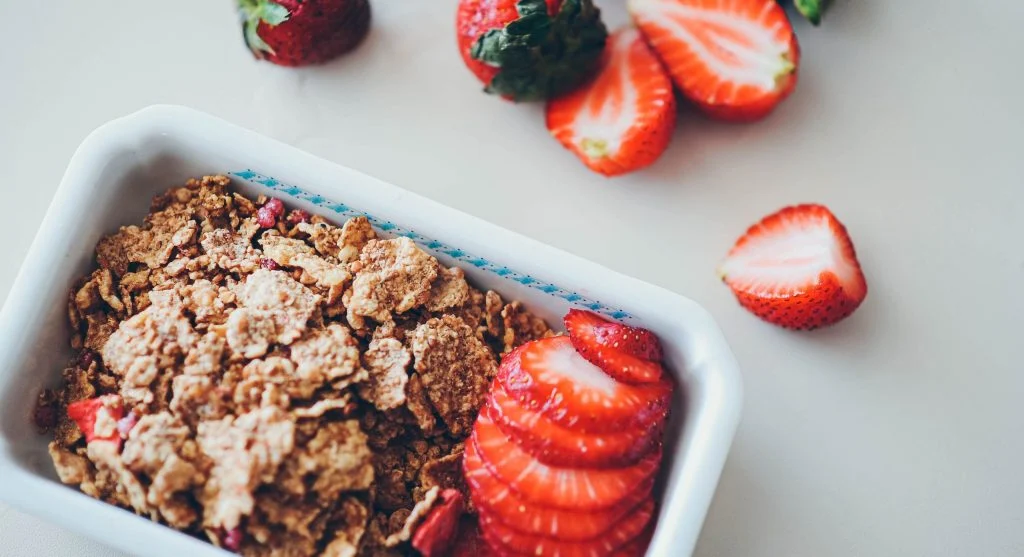
One of the best meal smarts habits is focusing on the first useful meal rather than trying to redesign the entire day in one moment. A balanced breakfast with oats and yogurt, eggs with toast, or fruit with cottage cheese can create a steadier start without making the day feel too controlled.
This helps because one solid meal often makes the next decision easier. A catch-up day does not need a perfect beginning. It just needs a helpful one.
2. Use foods that feel familiar and easy to digest into the routine
Catch-up meal days often go more smoothly when meals are built from familiar foods instead of ambitious recipes. Rice, soup, eggs, yogurt, fruit, oats, toast, beans, and simple vegetables can all support a calmer day without requiring much thought.
This is one of the strongest meal smarts habits because it removes decision fatigue and helps the body feel supported by foods that are easy to repeat.
3. Plan three meal anchors and let the details stay flexible
Instead of writing a strict food schedule, it often helps to plan three meal anchors for the day. Breakfast, lunch, and dinner can each have a likely direction, while snacks stay flexible depending on hunger. That structure is often enough to make a catch-up day feel much more organized.
This is one of the more useful meal smarts habits because it creates rhythm without making the day feel rigid. People often do better with structure that bends a little.
4. Keep lunch simple enough to actually happen
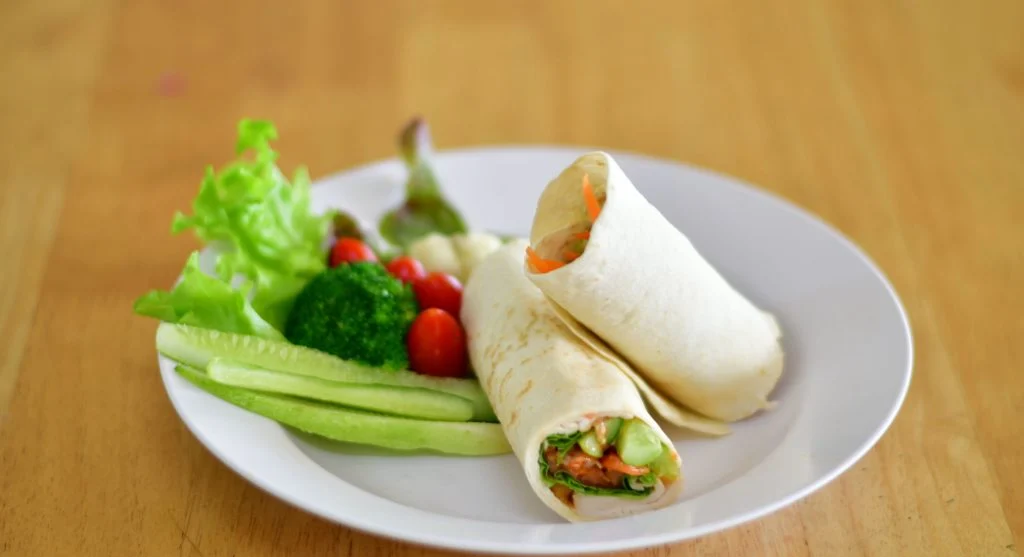
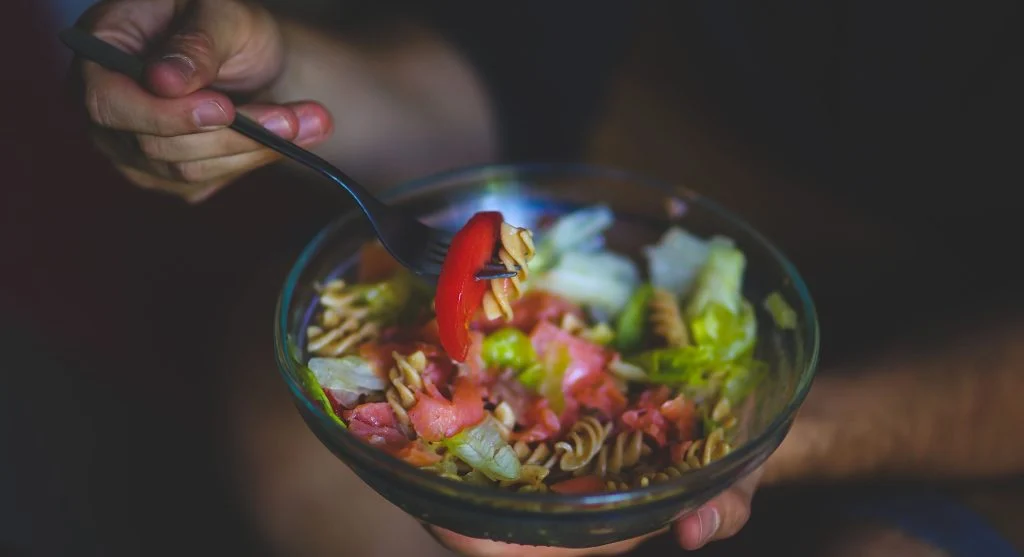
Lunch often becomes the weak point on catch-up meal days because people put too much energy into breakfast and dinner and then leave the middle of the day too open. A simple lunch such as soup with toast, a rice bowl with beans, yogurt with fruit and nuts, or a wrap with eggs and vegetables can help hold the day together.
This is one of the smartest meal habits because lunch often decides whether the afternoon feels calm or turns into random snacking and stronger hunger later.
5. Use one mini meal or planned snack if the day still has long gaps
A catch-up day does not always mean eating only three times. If there is a long gap between lunch and dinner, a planned snack can be very useful. Greek yogurt, fruit with nuts, hummus with crackers, or a boiled egg with toast can all help support the day in a practical way.
This helps prevent the evening from becoming overly reactive around food. A catch-up day often works best when hunger is supported before it becomes urgent.
6. Let leftovers do some of the repair work
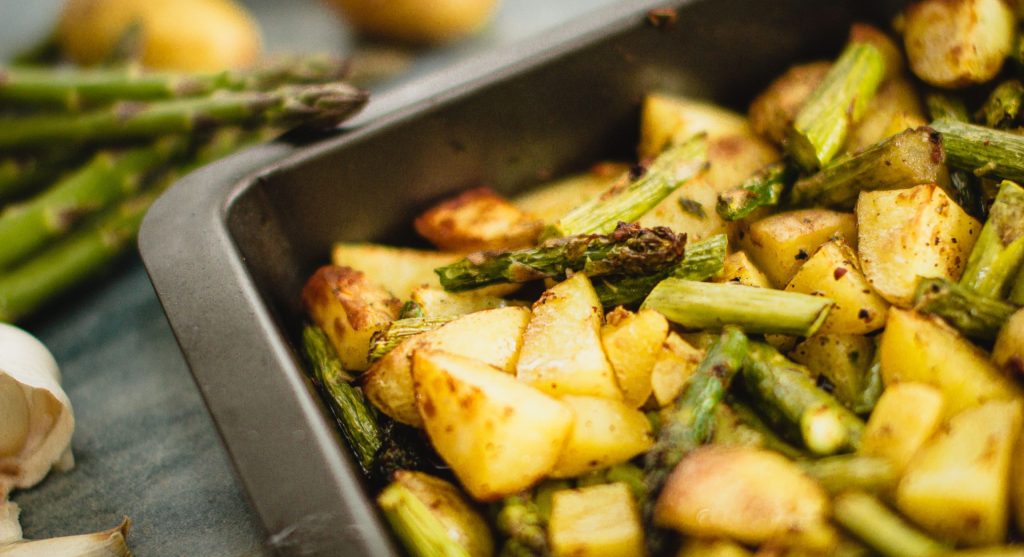
Catch-up meal days often feel easier when leftovers help carry part of the load. Extra soup, rice, roasted vegetables, chicken, or pasta can provide structure without extra cooking pressure. This can make it much easier to stay with simple meal choices instead of defaulting to whatever is quickest in the moment.
Experts often support leftovers as part of practical meal planning because they reduce stress and help useful food stay in rotation.
7. Build dinner around calm, balanced foods rather than a dramatic reset meal
Some people respond to off-track eating by planning an overly strict dinner. That often creates more tension than help. A better approach is usually a calm meal with protein, produce, and a useful starch. Rice with beans and vegetables, soup with toast and fruit, or eggs with potatoes and salad can all work well.
This is one of the most grounded meal smarts habits because it avoids turning dinner into a correction instead of simply another supportive meal.
8. Keep the day realistic enough to repeat next time
A catch-up day is more useful when it offers a pattern that can be used again in the future. If the meals are too detailed, too restrictive, or too disconnected from normal life, they are less likely to help later. Familiar breakfasts, practical lunches, balanced dinners, and one or two snack options are often enough.
This is one of the more important meal smarts habits because the best reset is often one that feels repeatable instead of dramatic.
9. Think of a catch-up day as support, not punishment
This may be the most useful meal smarts habit of all. A catch-up day works best when it is about support, not correction. The goal is not to undo a few busy days with food rules. The goal is to make the next day feel steadier, easier, and more comfortable around meals.
That shift in thinking often makes food choices much more practical. It lowers pressure and makes balanced eating feel more possible again right away.
Simple catch-up meal ideas
Breakfast idea
Greek yogurt with oats, banana, and seeds.
Lunch idea
Soup with whole-grain toast and fruit.
Snack idea
Apple slices with peanut butter and a handful of nuts.
Dinner idea
Rice with beans, cooked vegetables, and yogurt sauce.
Frequently Asked Questions
What are meal smarts habits for catch-up meal days?
They are simple food habits that help bring more structure and balance to a day after meals have felt rushed, random, or off track.
Do catch-up meal days need strict food rules?
No. They usually work better with flexible structure, familiar foods, and practical meals that support the day without too much pressure.
Why do catch-up meal days sometimes fail?
They often fail when people expect one day of eating to fix everything and make the food plan too rigid or unrealistic to follow.
Can leftovers help on a catch-up day?
Yes. Leftovers are often one of the easiest ways to create useful meals with less decision-making and less cooking stress.
Key Takeaway
Meal smarts can make catch-up meal days much less stressful by replacing food pressure with simple structure. Familiar meals, flexible anchors, practical snacks, and balanced leftovers can all help restore a steadier rhythm after a busy stretch. Many experts support realistic meal support over extreme food resets. In everyday life, the best catch-up day is often the one that feels calm, balanced, and easy enough to repeat the next time it is needed.