 Darren LeBlanc
Meal smarts can make mixed-schedule days much easier to handle, especially when breakfast, lunch, dinner, and snacks do not happen at the same times every day. Some days start early, others run late, and many include unexpected gaps between meals that make food choices feel harder than they should.
That is why flexible food routines matter so much. Meal smarts do not require a perfect plan for every hour. They simply help people prepare in a way that supports shifting schedules without turning food into another source of stress. These habits can help meals stay practical, balanced, and easier to manage when the day does not follow a normal pattern.
Why mixed-schedule days make meals harder
Changing schedules often break the usual rhythm of eating. A late breakfast may affect lunch. An early dinner may create hunger later. A missed snack may make the evening feel harder than expected. When those changes pile up, even simple meal decisions can start to feel frustrating.
Meal smarts help by building flexibility into the day ahead of time. That way, food choices can adjust without becoming completely random.
1. Plan meals in flexible blocks, not exact times
One of the most useful meal smarts habits is thinking in meal blocks instead of exact hours. For example, breakfast may happen early or mid-morning depending on the day, but the foods available can still stay similar. Lunch may happen around midday or slightly later, but the meal options can still be prepared with that flexibility in mind.
This helps reduce pressure and keeps the day more manageable when timing shifts. A flexible plan often works better than one that depends on perfect timing.
2. Keep one meal option for each level of hunger
Mixed-schedule days often create different levels of hunger at unusual times. A smaller hunger gap may only need yogurt and fruit. A stronger one may need eggs with toast, a rice bowl, or a wrap with protein. Keeping more than one size of meal in mind can make the day easier to handle.
This is one of the smartest meal habits because it matches real life better than assuming every meal will happen exactly as planned.
3. Build meals from foods that can shift roles
Some foods are especially useful on irregular days because they can work in more than one meal. Eggs can support breakfast, lunch, or dinner. Rice can become a side or a bowl base. Yogurt can be breakfast or snack. Fruit can support a meal or help round out something lighter.
This is one of the strongest meal smarts habits because it makes the kitchen more adaptable when the schedule is less predictable.

4. Keep one portable option ready at all times
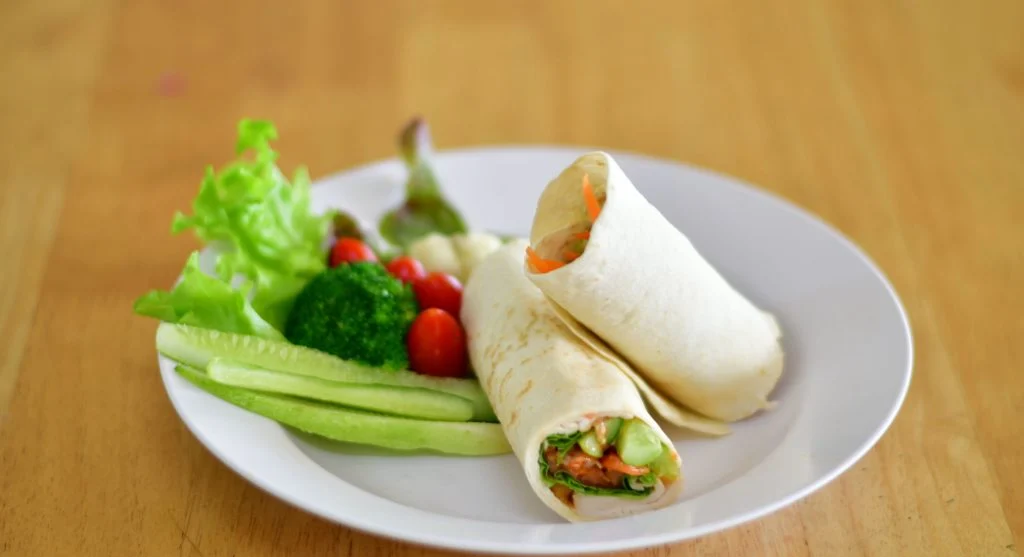
When schedules change, sitting down for a full meal is not always possible. A portable option such as a wrap, yogurt cup, fruit with nuts, boiled eggs, or a small snack box can help cover the gap until a proper meal is possible.
This is one of the most practical meal smarts habits because it protects the day from turning into long stretches without food followed by rushed choices later.
5. Let leftovers fill the uncertain part of the day
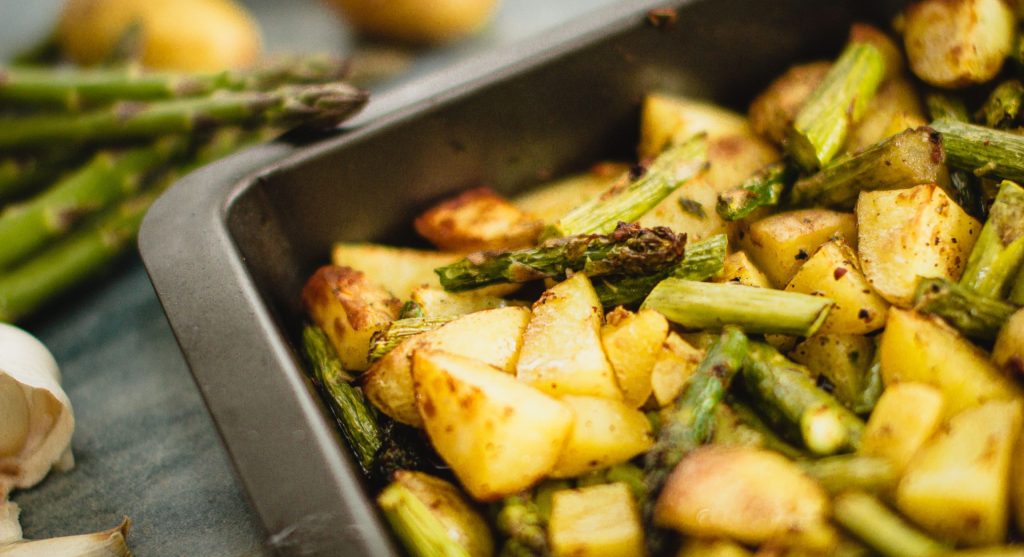
Leftovers are especially useful on mixed-schedule days because they reduce meal prep at the exact moment when time is least predictable. Extra soup, rice, roasted vegetables, chicken, or pasta can become lunch, dinner, or a mini meal depending on how the day unfolds.
Experts often support leftovers as part of good planning because they save time, reduce waste, and give more flexibility when meal timing shifts.
6. Use one backup meal for the hardest part of the day
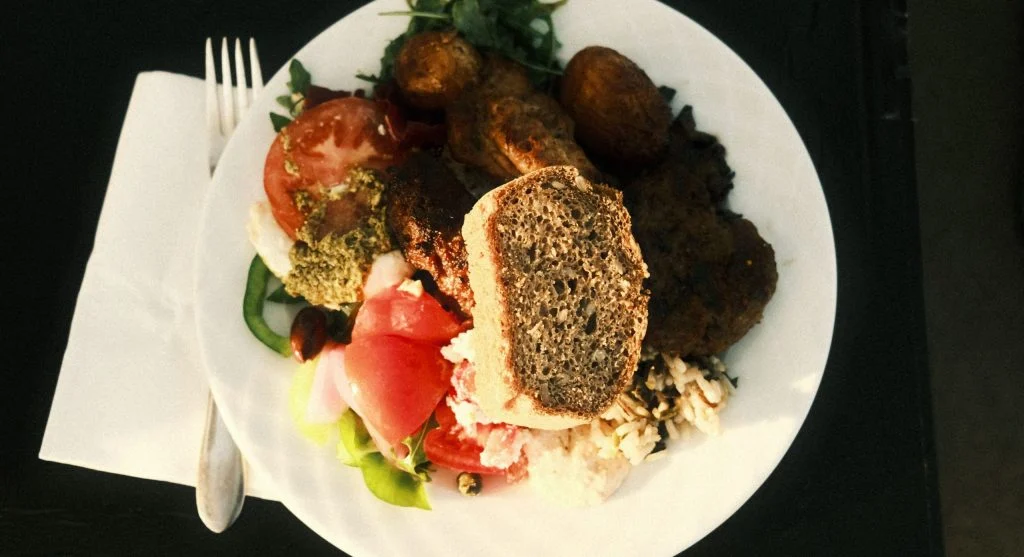
Every irregular day usually has one point when food feels hardest to manage. It may be late afternoon, a rushed lunch break, or a delayed dinner. One dependable backup meal can help. Soup with bread, eggs on toast, rice with beans, or pasta with tuna are all strong examples.
This is one of the meal smarts habits that can hold the whole day together when everything else moves around unexpectedly.
7. Keep snacks connected to the schedule gap
Snacks work best when they respond to timing, not just habit. If dinner will be late, a stronger snack may be helpful. If lunch is close, something lighter may be enough. Mixed-schedule days often get easier when snacks are chosen based on the actual gap rather than as random extras.
This makes the whole eating pattern feel more intentional. It can also reduce the feeling of being caught off guard by hunger later.
8. Write down two meal paths, not one
On irregular days, it can help to think in two possible meal paths. For example, if breakfast is early, lunch can stay normal. If breakfast gets delayed, lunch may need to be lighter and a snack may need to happen later. That kind of thinking makes the day more adaptable without requiring detailed planning.
This is one of the more useful meal smarts habits because it prepares for change instead of reacting to it only after hunger becomes a problem.
9. Stop expecting every meal to feel perfectly timed
One of the most important meal smarts habits is letting meal timing be good enough instead of exact. Mixed-schedule days often do not allow perfect spacing between breakfast, lunch, dinner, and snacks. What matters more is whether the overall day still feels supported by practical food choices.
This helps reduce frustration and makes it easier to focus on useful meals instead of ideal timing.
10. Think about the next few hours, not the full day at once
When a schedule is changing, it often helps to make food choices based on what the next few hours need. Will there be a long meeting, a drive, errands, or a delayed dinner? A meal or snack chosen with that next block in mind is usually more useful than trying to solve the whole day all at once.
This bigger-picture approach helps mixed-schedule eating feel more manageable. The goal is not perfection. The goal is to stay supported as the day changes.
Simple flexible meal ideas
Option 1
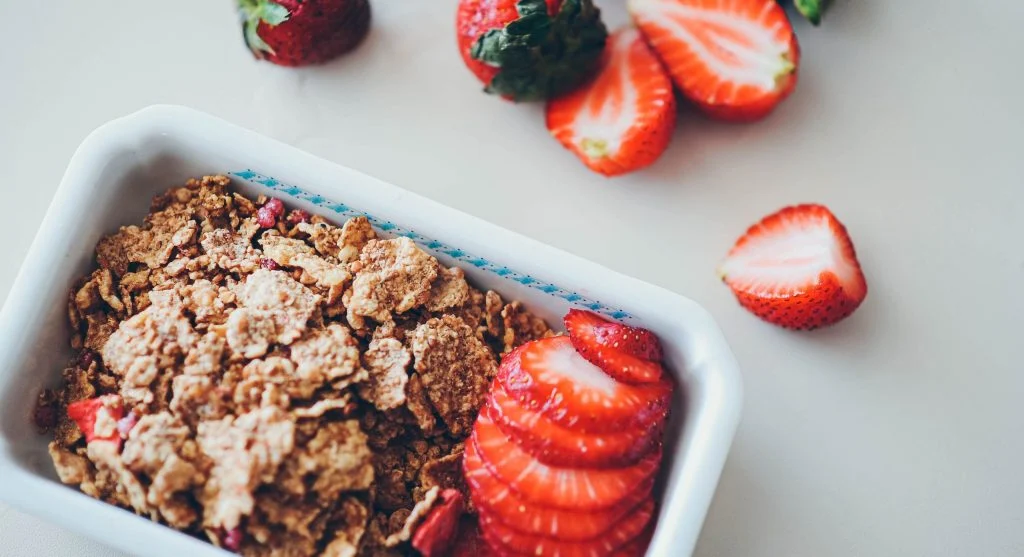
Greek yogurt with oats and fruit for a small breakfast or stronger snack.
Option 2
Rice bowl with beans, vegetables, and yogurt sauce for lunch or dinner.
Option 3
Whole-grain wrap with eggs, hummus, and chopped vegetables for a portable meal.
Option 4
Soup with toast and fruit as a quick backup meal for late shifts in the day.
Frequently Asked Questions
What are meal smarts habits for mixed-schedule days?
They are simple food habits that help meals stay flexible and useful when the day does not follow a normal eating pattern.
Do changing schedules always ruin meal planning?
No. Flexible meal options, leftovers, snacks, and backup meals can make changing schedules much easier to manage.
Why do mixed-schedule days make hunger harder to predict?
They often shift meal timing, create longer or shorter gaps than expected, and make it harder to rely on normal food routines.
Can portable foods still support balanced eating?
Yes. Portable meals and snacks can support balanced eating very well when they include useful structure and enough food for the time gap.
Key Takeaway
Meal smarts can make mixed-schedule days much easier to feed by building flexibility into meals before the day becomes unpredictable. Portable foods, leftovers, snack planning, backup meals, and simple meal paths can all help reduce stress when meal timing shifts. Many experts support practical food routines over perfect meal timing. In daily life, the best food plan for an irregular day is often the one that stays flexible, balanced, and easy to adjust.

 Eats PEI