 Eats PEI
Morning routines often become harder around food for a simple reason. Breakfast may sound good in theory, but it was never chosen for the kind of morning that actually happens. A meal might seem appealing at the kitchen table, yet still fail once the schedule gets tight, the commute takes longer, or someone has to leave before sitting down properly. When that happens, breakfast is not really being shaped around the real day. It is being shaped around an ideal version of the day that rarely shows up.
Meal-planning educators often explain that busy breakfast routines work better when breakfast is chosen not only for taste, but also for portability, timing, and how easily it fits real movement. Dietitians also note that a meal that travels well can often help more than a nicer meal that depends on perfect conditions. This is why morning routines often feel easier when breakfast is planned to travel well instead of only tasting good at home.
Why Many Breakfast Plans Fail Before the Day Really Begins
Breakfast often fails early because the plan depends on too much calm. Maybe the meal needs a full table setup. Maybe it requires several utensils. Maybe it only works if there is time to sit down slowly. On some mornings, that may happen. On many others, it does not. Once the morning starts moving, any meal that depends on stillness becomes harder to use.
Food routine coaches often explain that a breakfast plan is only as strong as the conditions it can survive. If it cannot handle rushing, commuting, school drop-offs, early work starts, or short eating windows, then it may not be a strong weekday breakfast plan, even if it tastes great at home.
Why Portability Often Matters More Than Breakfast Variety
Many people think breakfast routines fail because they need more variety. In many cases, the bigger issue is portability. A repeated breakfast that travels well often supports real life better than several breakfast ideas that only work under ideal conditions. Portability makes breakfast easier to trust because it lowers the chance that the meal will be abandoned during the morning rush.
Meal-planning educators often recommend repeated portable breakfasts for this reason. A breakfast that can move with the day quietly removes more stress than a breakfast that only works beautifully in theory.
How Travel-Friendly Breakfasts Reduce Food Decisions Later
A portable breakfast usually helps in more than one way. It does not just make the morning easier. It also reduces later food drift. When breakfast gets skipped or only partly eaten, the rest of the morning often starts filling with weaker choices. Coffee alone, snack foods, or whatever is easiest later can begin taking over. A breakfast that travels well helps prevent that by making the first meal much more likely to actually happen.
Dietitians often explain that breakfast does not need to be perfect to help. It mainly needs to support the next few hours well enough that the day does not begin with avoidable food stress.
Why Breakfast Should Be Planned for the Doorway, Not Just the Kitchen
One useful way to think about breakfast is to picture the doorway. Can the meal still work when the shoes are on, the bag is packed, and the clock suddenly matters more than the recipe did ten minutes earlier? This question often reveals more than almost any nutrition label. A meal that looks strong in the kitchen may still be weak at the doorway if it cannot be packed, carried, or finished easily.
Morning routine educators often recommend planning breakfast around the last five minutes before leaving, because that is often where good intentions either survive or disappear.
Why Wraps, Yogurt Cups, and Simple Boxes Often Outperform Better-Looking Breakfasts
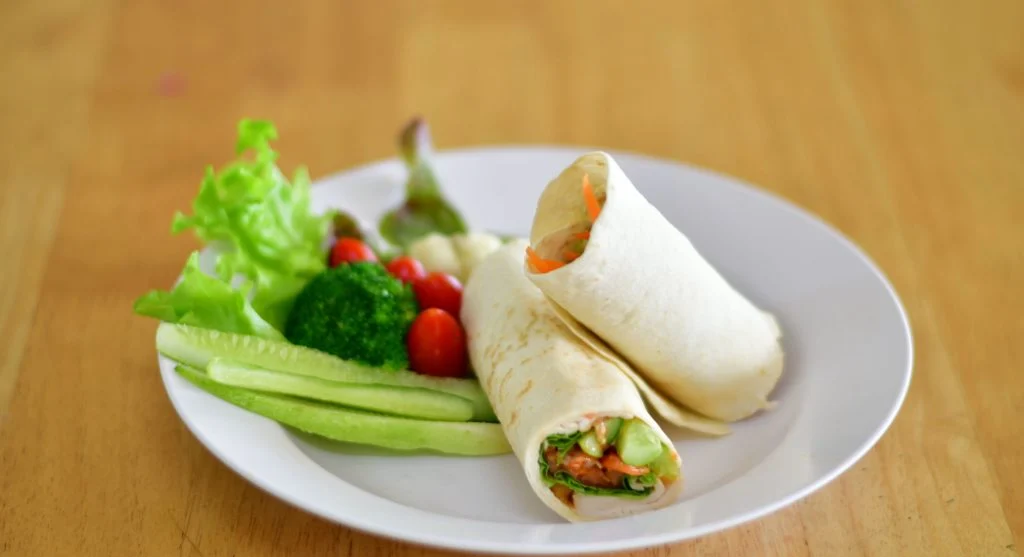
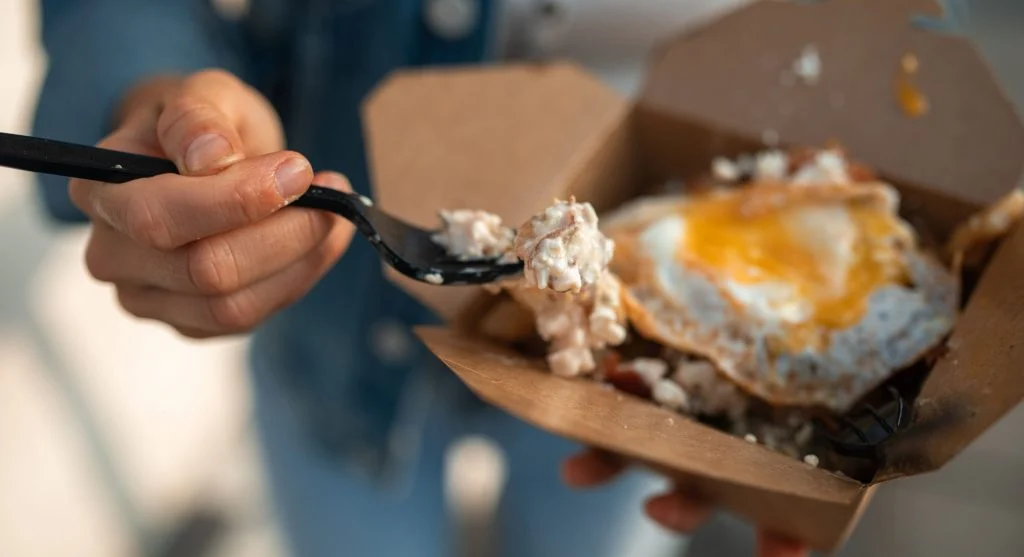
Portable breakfasts often look less impressive than plated ones. A wrap, yogurt cup, fruit box, boiled eggs with crackers, or a nut butter sandwich may not feel exciting beside a full breakfast spread. Yet these foods often outperform bigger breakfasts because they survive the real morning better. They can be packed, paused, resumed, and eaten in sections if needed.
Meal-smarts coaches often note that useful breakfasts are the ones that allow the day to keep moving without losing the meal completely. That practicality is often worth more than appearance.
Why Breakfast Timing Matters as Much as Breakfast Content
Some breakfasts fail not because the food is wrong, but because the timing window is too small. A person may still want breakfast, just not during the ten quiet minutes the meal requires. Portable food helps because it stretches the timing window. The meal can begin at home and continue later, or it can happen entirely after leaving. This often makes breakfast much more realistic during crowded mornings.
Dietitians often explain that breakfast support is not only about what is eaten. It is also about whether the meal fits when the body and schedule are actually ready for it.
How Protein Helps Portable Breakfasts Hold Up Later
Protein often matters even more in portable breakfasts because the meal may need to carry the morning without much help from later snacks. Greek yogurt, eggs, cheese, nut butter, cottage cheese, beans in wraps, or even leftover proteins can all help a breakfast travel better in terms of staying power, not just portability.
Nutrition professionals often support protein at breakfast because it can improve fullness and help the meal last longer. On mornings with commuting, early starts, or delayed breaks, that strength can matter a lot.
Why Pretty Breakfasts Can Still Be Weak Weekday Breakfasts
There is often too much pressure for breakfast to look appealing in a visual way. Bowls, toast plates, and elaborate home breakfasts can all be lovely, but they are not always useful weekday breakfasts. A meal that photographs well may still fail the actual morning if it cannot be packed, finished later, or eaten while moving through the day. That does not make it a bad meal. It simply means it may belong to a calmer kind of morning.
Food educators often explain that useful meals and beautiful meals are not always the same thing. A weekday breakfast earns its value mostly by how well it survives a real weekday.
Why One Repeated Portable Breakfast Often Helps More Than Several Ambitious Ones
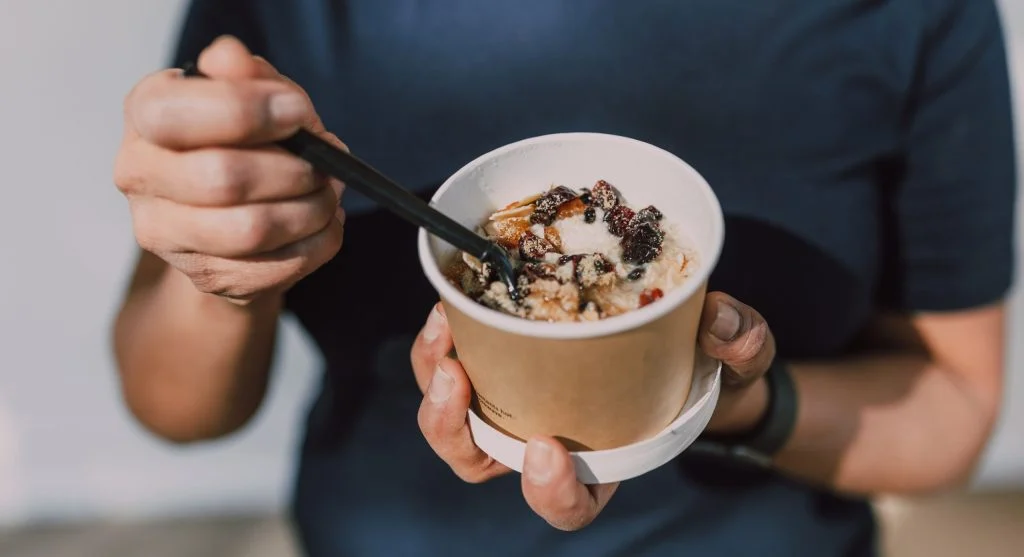
Some people make mornings harder by trying to keep breakfast constantly interesting. In practice, one repeated portable breakfast often helps much more. Overnight oats, an egg wrap, yogurt with fruit and nuts, toast sandwiches, or a simple snack box may repeat through the week because repetition reduces decision fatigue. That repeated routine often creates more reliability than constant breakfast creativity.
Meal routine educators often support repetition when it lowers friction. A breakfast that happens regularly usually supports the week better than several breakfast ideas that rarely get fully used.
How Planning for Travel Changes Grocery Shopping Too
Once breakfast is chosen for portability, grocery shopping often becomes easier as well. Foods like yogurt cups, bananas, berries, wraps, eggs, nut butter, crackers, cheese, and containers that pack well begin to make more sense in the cart. The kitchen starts supporting the real week instead of an ideal one. That usually means less waste, fewer skipped breakfasts, and more reliable mornings overall.
Grocery planners often explain that strong breakfast routines begin long before breakfast itself. They begin when the foods needed for a useful morning meal are already protected in the weekly shop.
Why This Habit Often Lowers Stress Beyond Breakfast Alone
A breakfast that travels well often lowers stress beyond the meal itself. The person leaves with one less unfinished task, one less food decision, and less pressure to solve hunger later with whatever appears first. That can make the whole morning feel steadier. It may even improve how lunch and snacks behave later because the day did not begin from a gap.
Meal-planning coaches often note that small systems can create large calm. Portable breakfast is one of those systems because it protects the busiest part of the day from one very common food failure.
How People Can Tell Whether Breakfast Is Designed for the Real Morning
A useful question is simple: would this breakfast still work if the morning got ten minutes harder? If the answer is no, the meal may fit a calm morning better than a weekday morning. Another useful check is whether the breakfast can be packed quickly, eaten in parts, or finished after leaving home. If it can, then it is probably designed for real conditions rather than ideal ones.
Food educators often recommend testing breakfast by realism rather than intention. The meal that survives the harder morning is usually the one worth repeating.
Frequently Asked Questions
Q: Why should breakfast be planned to travel well?
A: Because many weekday mornings do not leave enough calm time to sit and finish a meal at home, so portability makes breakfast much more likely to actually happen.
Q: Does a portable breakfast have to be small?
A: No. It just needs to be practical to carry and easy to eat under real morning conditions.
Q: Can repeated portable breakfasts still support healthy eating?
A: Yes. In many cases, repeated portable breakfasts support healthy eating better because they reduce skipped meals and lower morning food stress.
Q: What makes a breakfast useful on a busy morning?
A: A useful breakfast usually travels well, fits the timing window honestly, and gives enough support to carry the next few hours.