 Eats PEI
Busy afternoons often fall apart around food in a quiet, almost unnoticed way. Lunch may be finished, dinner may still be hours away, and the day may still include work, errands, commuting, family tasks, or several other responsibilities. During that long stretch, many people end up relying on whatever small foods are easiest to grab. A few crackers here, a piece of fruit later, something sweet after that, and maybe another quick snack before dinner. At first, this can seem manageable. By the end of the afternoon, though, the body often feels less steady than expected, and the evening may begin with stronger hunger than planned.
Nutrition educators often explain that this happens because several small snack moments do not always give the same support as one more complete snack. A stronger afternoon snack often works better because it reduces repeated decision-making, gives the body more useful food at one time, and makes the gap before dinner easier to handle. This is why busy afternoons often run more smoothly when people pack one strong snack instead of several small ones.
Why Several Small Snacks Often Feel Less Helpful Than Expected
Small snacks can be useful, but they usually work best when the next meal is already close. During a long afternoon gap, small snacks may only soften hunger briefly before it returns again. That can create a pattern where someone keeps responding to the same hunger in little pieces instead of covering it clearly enough once.
Dietitians often note that smaller foods are not automatically a problem. The issue is that they may not provide enough structure, enough protein, or enough overall support for the amount of time they are expected to cover. That is when a stronger snack becomes more useful.
Why One Strong Snack Can Change the Whole Second Half of the Day
One stronger snack often helps because it works more like a bridge than a distraction. Instead of briefly interrupting hunger, it supports the body more steadily through the next block of time. A stronger snack may include protein, a little more total food, and a better mix of textures or food groups that help it feel more complete.
Food routine coaches often explain that the real value of an afternoon snack is not only in the moment it is eaten. It is also in how the rest of the afternoon feels afterward. A snack that truly supports the gap can reduce later grazing and make dinner-time hunger feel less urgent.
How Repeated Small Bites Can Quietly Increase Food Stress
One hidden problem with several small snacks is that they create repeated food decisions. A person has to notice hunger, choose something, eat it, realize it was not enough, choose again, and repeat the cycle later. In a busy afternoon, that repeated attention can quietly add stress. Food stays on the mind longer because the first snack never fully solved the problem.
Meal-smarts educators often explain that stronger snacks reduce this cycle by giving the person one clearer solution instead of several temporary fixes. That can make the afternoon feel calmer even before dinner arrives.
Why Protein Often Matters in a Stronger Afternoon Snack
Protein is often one of the biggest differences between a light snack and a stronger one. Greek yogurt, boiled eggs, cottage cheese, cheese, nuts, hummus, beans, tuna, or nut butter can all help an afternoon snack feel more complete. This does not mean every snack has to be large or heavy. It means the snack often works better when it includes something that helps it last.
Many nutrition professionals support protein in snacks because it can improve fullness and make the time gap before dinner easier to manage. On long afternoons, that support often matters more than people expect.
Why Portable Structure Matters Just as Much as Nutrition
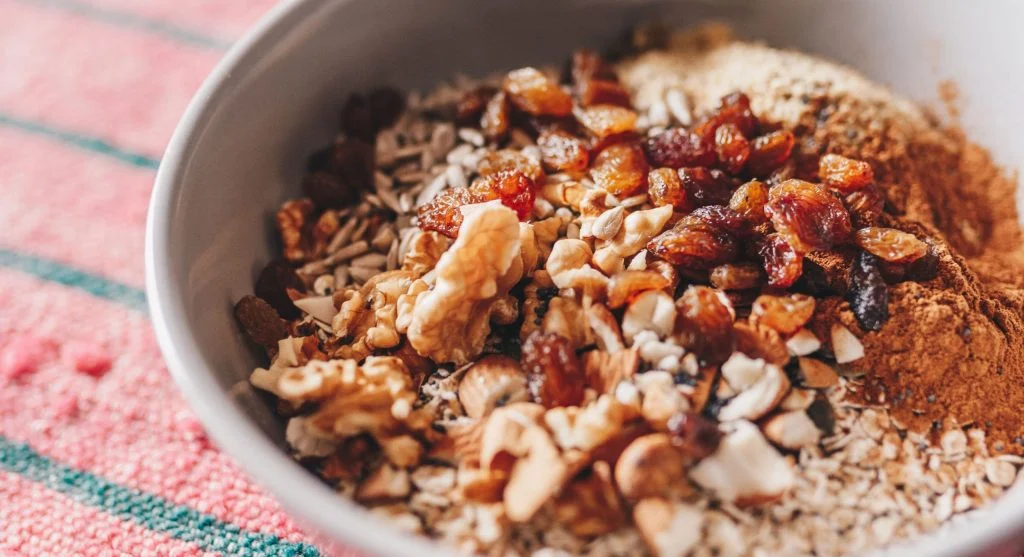
A strong snack also has to be practical. If it is too messy, too hard to carry, or too dependent on perfect timing, it may still fail in real life even if it looks balanced on paper. This is why snack boxes, yogurt-and-fruit containers, wraps, crackers with cheese, boiled eggs, hummus packs, and fruit with nuts often work so well. They provide enough structure to support the afternoon without becoming difficult to manage.
Food educators often point out that useful snacks are not only about nutrients. They are also about portability, timing, and whether someone can actually eat them under real conditions.
Why Fruit Often Works Better When It Is Not Working Alone
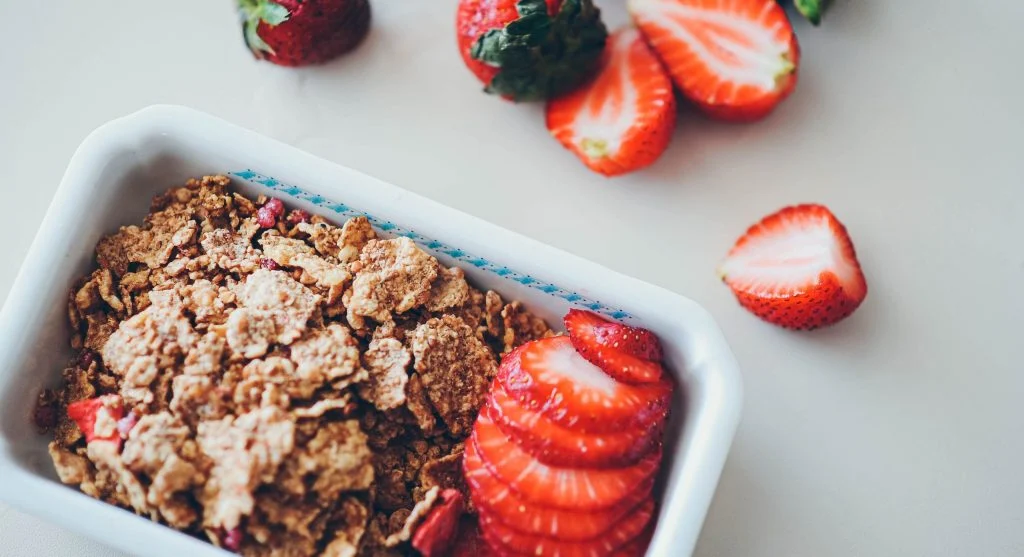
Fruit is one of the easiest afternoon foods to carry, but it often works better as part of a stronger snack rather than as the entire snack. Apple slices with peanut butter, grapes with cheese and crackers, banana with nuts, or berries with yogurt often feel far more supportive than fruit by itself.
This is one reason people sometimes feel like afternoon snacks “do not work.” In many cases, the snack was simply too light for the amount of time it needed to cover. Fruit often becomes much more useful when it has a stronger partner beside it.
How Stronger Snacks Can Make Dinner Feel Easier Later
Some people worry that a stronger snack will ruin dinner. In practice, it often does the opposite. When the afternoon gap is long, a useful snack can reduce the urgent hunger that makes dinner harder to manage. Instead of reaching the evening overly hungry and reactive, the person often arrives at dinner calmer and with more room for better choices.
Dietitians often explain that snacks are most helpful when they protect the next meal instead of competing with it. A stronger afternoon snack often does exactly that by reducing the pressure dinner has to solve all at once.
Why Snack Boxes Often Work So Well for Busy Schedules
A snack box is often one of the easiest ways to create one strong snack. Cheese, crackers, grapes, nuts, boiled eggs, vegetables, hummus, yogurt, or sliced fruit can all fit into a box that feels more complete than a single snack item. This format works especially well for workdays, commuting, errands, pickup routines, and travel between appointments.
Meal routine coaches often recommend snack boxes because they help people see the snack as one clear eating moment instead of several scattered ones. That shift can make the afternoon feel more organized right away.
Why Stronger Snacks Often Reduce Grazing Without Strict Rules
One benefit of a stronger snack is that it can reduce afternoon grazing without turning the day into a rule-heavy project. The person does not need to forbid snacks or force long hunger gaps. They simply need one snack that works better. When the snack actually covers the need, the urge to keep picking at small foods often drops naturally.
Food educators often explain that many food problems become easier when the body is supported more clearly rather than controlled more strictly. A stronger snack is often a good example of that idea.
What a Stronger Snack Often Looks Like in Real Life
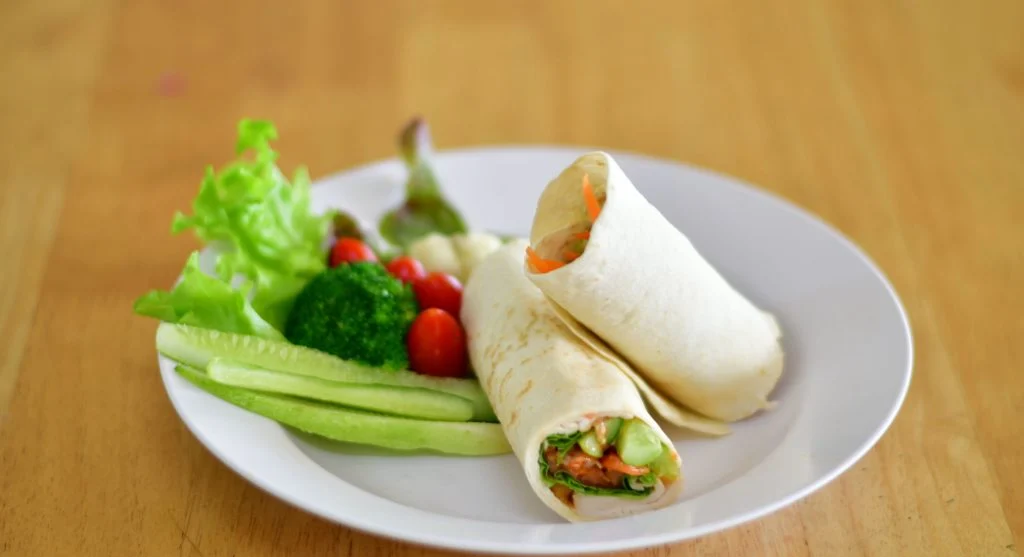
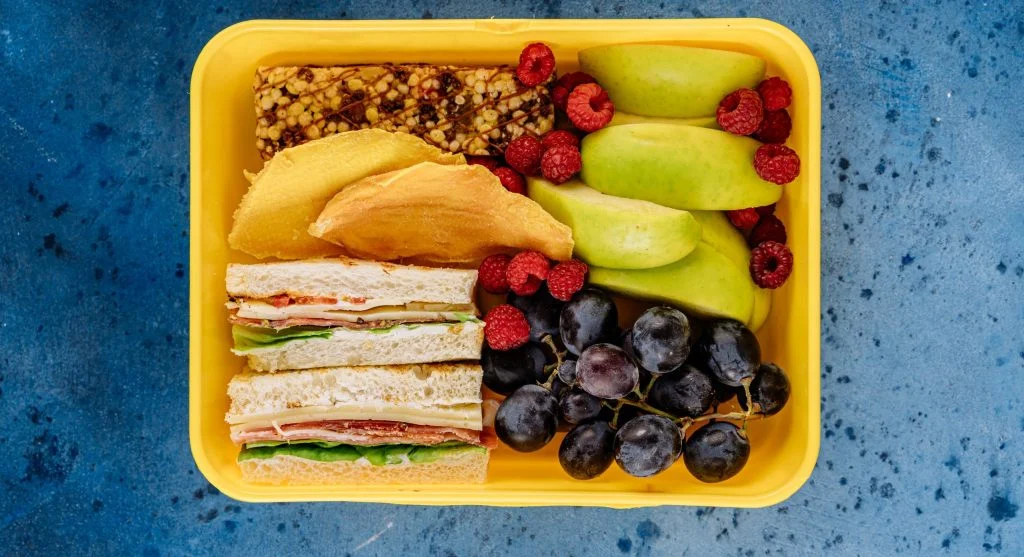
A stronger snack is usually simpler than people expect. It may be Greek yogurt with berries and nuts. Apple slices with peanut butter and crackers. Boiled eggs with fruit. Hummus with vegetables and bread. Cheese, crackers, and grapes. A half wrap filled with hummus and vegetables. The exact snack matters less than the pattern. It usually has enough total food, at least one stronger anchor, and enough structure to feel like a real bridge to the next meal.
Meal-planning educators often explain that useful snacks do not need to look elaborate. They just need to work well later. If the snack helps someone feel steadier through the afternoon, it has already done a great deal.
How People Can Tell if Their Snack Is Too Small
A useful question is not only whether the snack looked healthy. It is whether it actually helped for long enough. If hunger came back quickly, if the person kept searching for more food, or if dinner became harder because the afternoon never really settled, the snack may have been too small or too weak for the need. That does not mean the snack was bad. It usually means the snack needed more support.
Nutrition coaches often recommend judging snacks by how well they carry the next few hours, not only by how light or convenient they seemed in the moment.
Frequently Asked Questions
Q: Why does one strong snack often work better than several small ones?
A: Because one stronger snack often provides enough support to carry a longer time gap, while several smaller snacks may only keep interrupting the same hunger.
Q: Does a stronger snack always need protein?
A: Not always, but protein often helps the snack feel more complete and may improve how long it lasts through the afternoon.
Q: Will a stronger afternoon snack ruin dinner?
A: Not necessarily. In many cases, it helps dinner feel easier by reducing the urgent hunger that builds when the afternoon gap is too long.
Q: What makes a snack strong enough for a busy afternoon?
A: Usually enough total food, one stronger support food, and a practical format that fits the real schedule and time gap before the next meal.