 Darren LeBlanc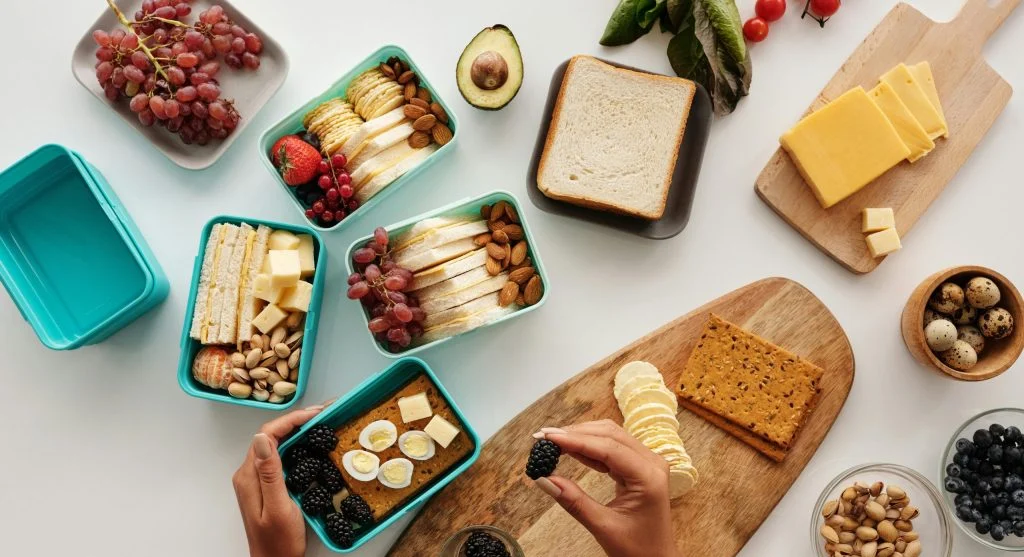
That is why simple planning matters. Meal smarts help people think about snacks as part of the full day instead of as random food choices made in a hurry. With a little structure, snacks can become more balanced, more helpful, and much easier to manage.
Why snack planning is often ignored
Many people plan breakfast, lunch, and dinner, but they do not think much about the hours in between. Then hunger shows up in the middle of a workday, during school pickup, or late in the evening, and the easiest food becomes the default choice.
Meal smarts help solve that problem by making snacks part of the routine. A planned snack often works much better than a last-minute one that does not really satisfy.
1. Plan snacks around the gaps between meals
One of the most useful meal smarts tips is to think about where long gaps happen in the day. If breakfast is early and lunch is late, a mid-morning snack may help. If lunch is light and dinner is far away, an afternoon snack may matter more.
This makes snack planning practical instead of automatic. The snack has a purpose, which usually makes it more useful.
2. Keep snacks built around simple parts
A helpful snack often becomes easier to plan when it follows a simple structure. Protein plus fruit works well. Crackers plus cheese works well. Yogurt plus berries works well. Hummus plus vegetables also fits easily into a balanced routine.
This is one of the strongest meal smarts habits because it keeps snack planning simple without making it feel restrictive.
3. Match the snack to the level of hunger
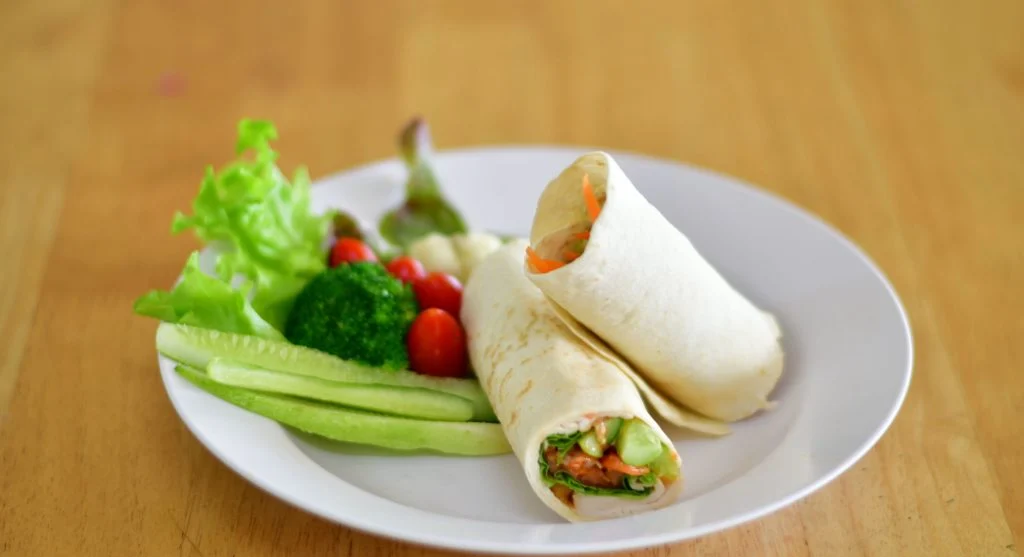
Not every snack needs to be the same size. A small hunger gap may only need fruit and yogurt. A stronger hunger gap may need something more like eggs with crackers, a wrap half, or a small leftover mini meal.
This is one of the more practical meal smarts tips because it helps people stop expecting one snack size to work in every situation.
Credit: cottonbro studio / Pexels
4. Use snacks to support meals, not replace them by accident
Snacks are often most helpful when they bridge the gap between meals rather than quietly becoming the meal itself without enough balance. A few random bites here and there may not do much for real hunger, while a planned snack can make the next meal easier to manage.
Meal smarts often improve when snacks are treated as support for the day, not just background eating.
5. Repeat snack options that already work
Some people feel that every snack should be different, but repetition often makes food routines easier. Yogurt and fruit, nuts and a banana, hummus and crackers, or boiled eggs and vegetables can all be repeated without becoming a problem.
Experts often support repeatable routines because they lower decision fatigue. This is just as useful for snacks as it is for meals.
6. Keep one portable snack ready for busy days
Snack planning becomes much more useful when there is always one portable option available. Nuts, fruit, crackers, yogurt cups, popcorn, or a small cheese portion can help when the day becomes more hectic than expected.
This is one of the most practical meal smarts tips because it prepares for real life instead of only ideal schedules.
7. Let leftovers count when they make more sense
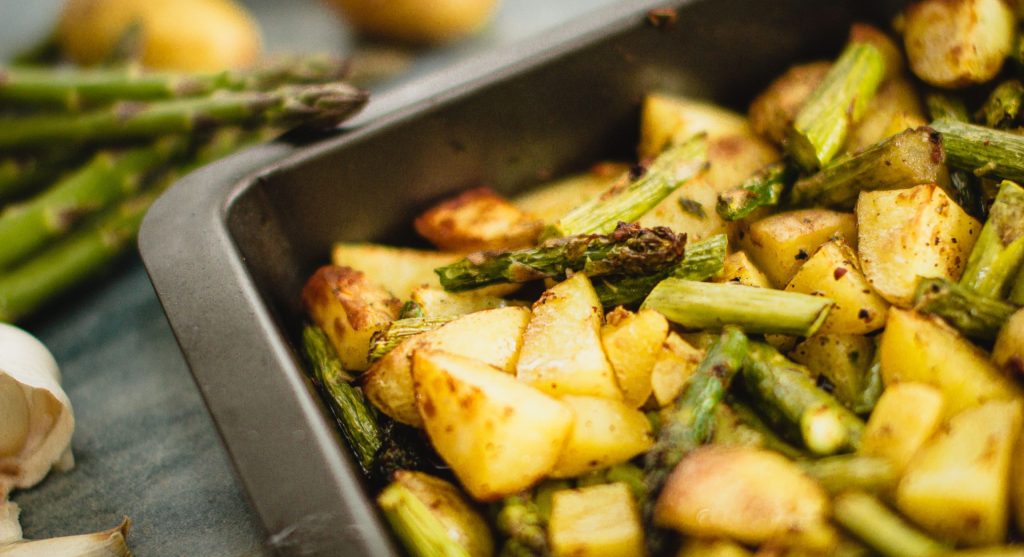
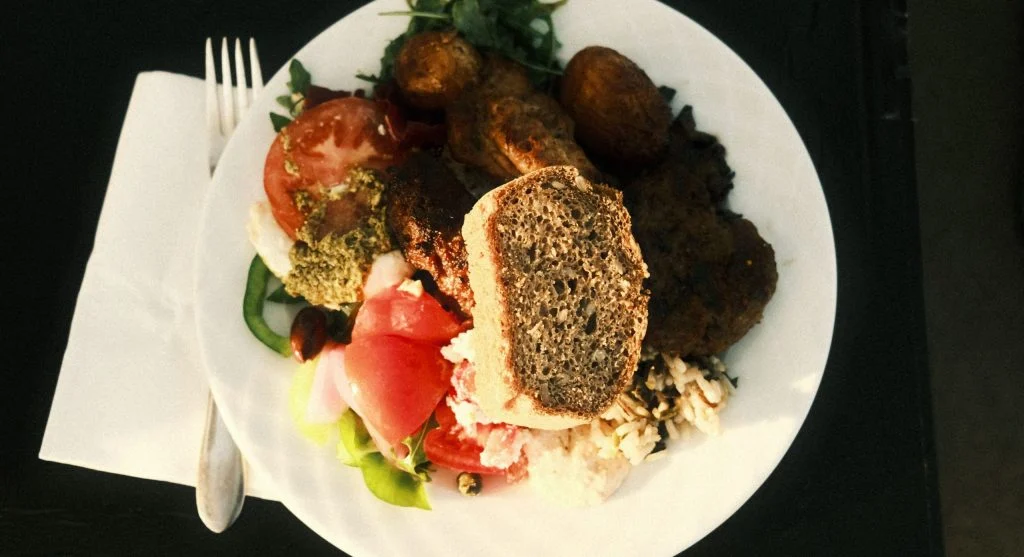
Sometimes a classic snack is too small for the moment. In those cases, a small leftover meal may work better. A little soup, rice and beans, pasta salad, or roasted vegetables with chicken can be much more useful than grazing on foods that do not really help.
This is one of the smartest meal smarts habits because it reduces waste and supports real hunger more effectively.
8. Keep planned snacks easy to see and easy to reach
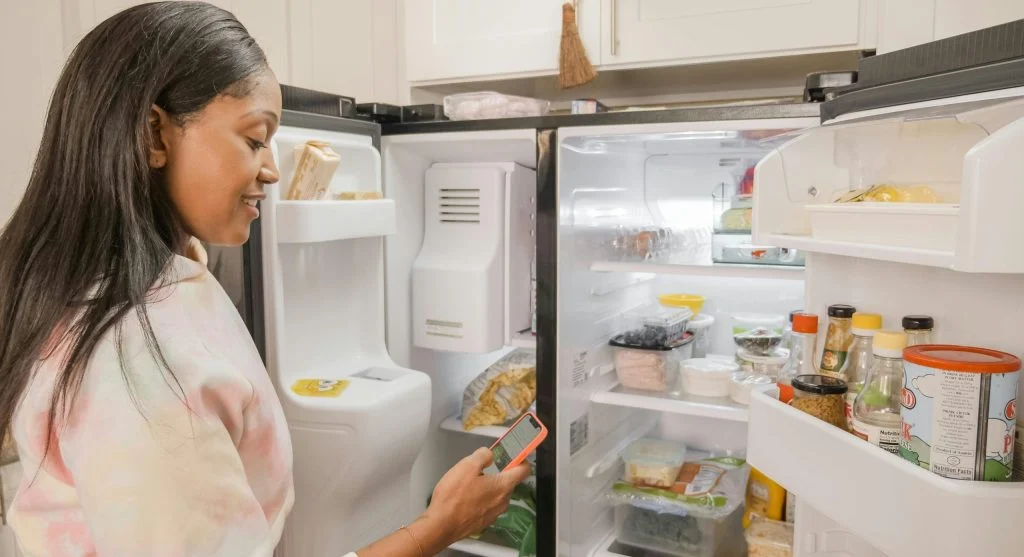
Even a good snack plan can fall apart if the foods are buried in the fridge or pantry. Keeping yogurt at eye level, fruit washed and visible, boiled eggs prepared, or small containers ready can make planned snacks much easier to follow through on.
Meal smarts often work best when the environment supports the habit. Visibility matters more than people sometimes realize.
Credit: Kindel Media / Pexels
9. Think about what the snack needs to do
One of the most useful meal smarts questions is very simple: what is this snack for? Does it need to help until lunch? Prevent overeating at dinner? Support a workday or school day? Travel well in a bag?
When snacks are planned with a purpose, they usually become much more useful. That often makes the whole day feel steadier and less random around food.
Simple planned snack examples
Snack option 1
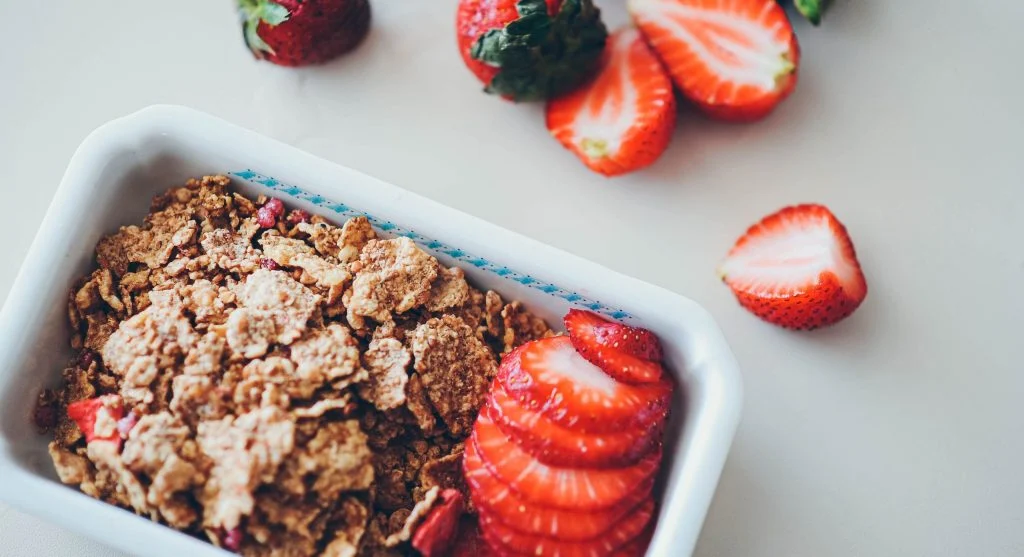
Greek yogurt with berries and seeds.
Snack option 2
Apple slices with peanut butter.
Snack option 3
Boiled eggs with crackers and cucumber slices.
Snack option 4
Small leftover rice bowl with beans and vegetables.
Frequently Asked Questions
What are meal smarts tips for snacks?
They are simple planning habits that help people choose snacks more intentionally and make them fit the full day better.
Do snacks need to be planned every day?
Not always, but planning a few likely snacks can make hunger easier to manage during busy days.
Can snacks be repeated often?
Yes. Repeating a few useful snacks often makes routines easier and lowers decision stress.
Can a leftover mini meal count as a snack?
Yes. When hunger is stronger, a small leftover meal can sometimes work better than a lighter snack.

 Eats PEI