 Darren LeBlanc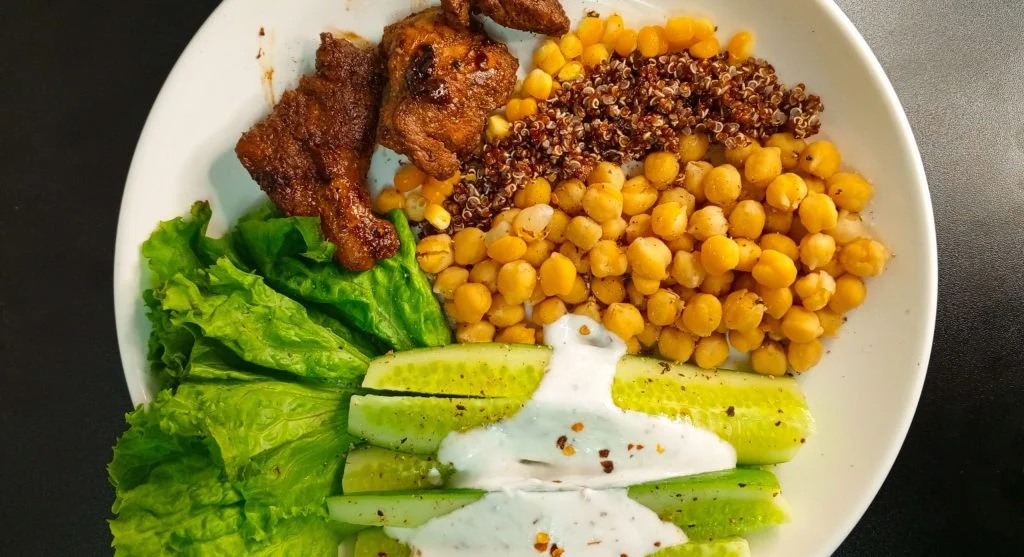
That is why simple structure matters so much. Meal smarts help people reduce last-minute decisions and turn dinner into a more practical routine. In many homes, dinner becomes less stressful when the plan is flexible, balanced, and easy to repeat.
Why dinner planning often feels overwhelming
Dinner is usually the meal with the most pressure around it. It often needs to satisfy hunger, fit the schedule, use what is already in the kitchen, and avoid creating too much cleanup. When all of those decisions happen at once, even a simple meal can feel difficult.
Meal smarts help by lowering the number of choices that need to be made in the moment. That can make a big difference on busy evenings.
1. Plan dinners by type, not only by recipe
One of the most useful meal smarts habits is thinking in dinner types instead of planning a detailed recipe for every night. For example, one night can be a rice bowl night, another can be pasta night, another can be soup night, and another can be a tray-bake meal.
This creates structure without making the week feel too rigid. It also helps people work with ingredients they already know how to use.
2. Keep one protein, one vegetable, and one starch in mind
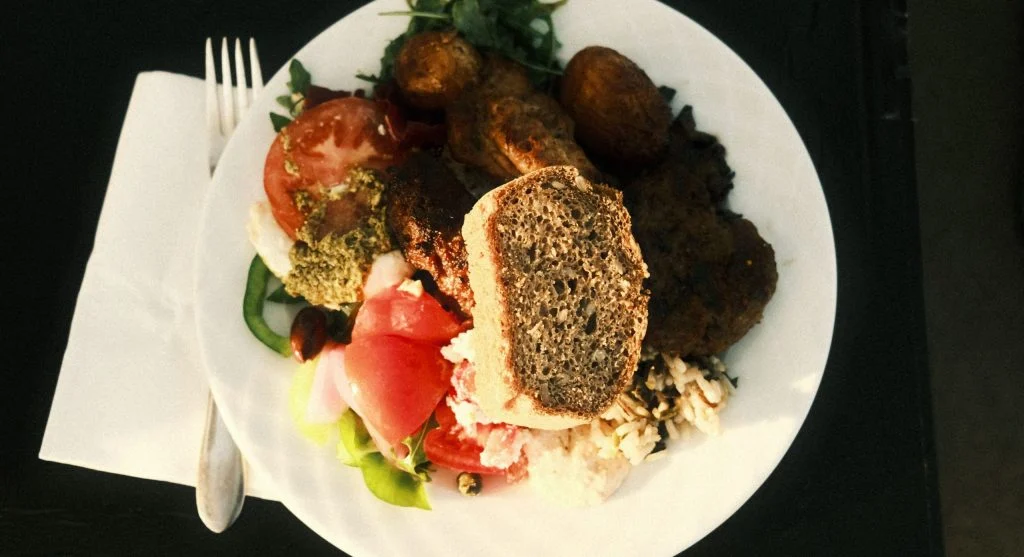
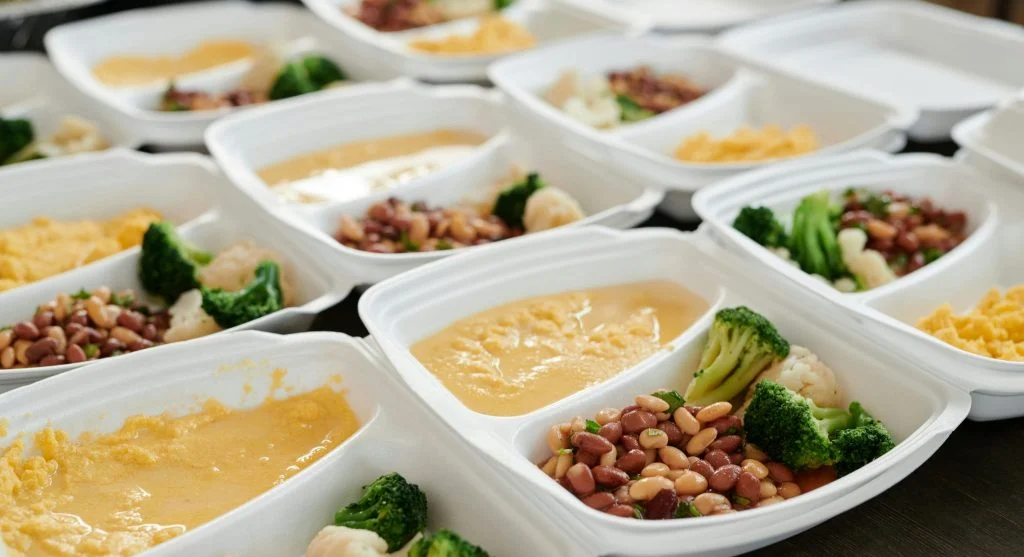
A balanced dinner often becomes easier to plan when it is built from simple parts. Protein might be chicken, beans, eggs, fish, tofu, or lentils. Vegetables might be frozen peas, roasted carrots, salad greens, or broccoli. The starch could be rice, potatoes, pasta, or bread.
This is one of the clearest meal smarts strategies because it turns dinner into a practical combination instead of a complicated project.
3. Let leftovers count as part of the dinner plan
Leftovers are often treated like an afterthought, but they can be one of the most useful parts of dinner planning. If extra rice, chicken, soup, or vegetables are likely to be left over, it helps to plan how they can support another meal later.
Many experts support this kind of flexible planning because it saves time and reduces food waste. Meal smarts often work best when one meal supports the next one.
4. Use a short list of dependable dinners
Some people make dinner planning harder by trying to think of something new every week. A more useful approach is often to keep a short list of reliable dinners that already work. Stir-fries, rice bowls, soups, pasta with vegetables, sheet-pan dinners, and eggs with potatoes are all good examples.
This is one of the strongest meal smarts habits because repetition reduces decision fatigue. Dinner becomes less stressful when the options already feel familiar.
5. Keep one backup dinner in every plan
Not every day goes as expected, which is why one low-effort backup dinner should usually be part of the weekly plan. This could be eggs on toast, soup with a sandwich, pasta with tuna and peas, or rice with beans and frozen vegetables.
Meal smarts are not only about ideal meals. They are about preparing for busy evenings too. A backup dinner can prevent the whole plan from falling apart when the week changes.
6. Plan dinners around real evenings, not ideal evenings
One of the most practical meal smarts ideas is matching dinners to the type of evening ahead. A night with errands, school pickups, or late meetings may need a very simple meal. A quieter evening may leave more room for cooking from scratch.
This makes the dinner plan more realistic. Many people struggle because they plan every meal as if every evening will be equally calm and organized.
7. Shop for overlap between dinners
Dinner planning gets easier when meals share ingredients. For example, rice can support two dinners. A tray of roasted vegetables can appear in bowls and pasta. Yogurt sauce can work with chicken one night and beans the next. This reduces both cost and waste.
Meal smarts often come from overlap, not variety for its own sake. Shared ingredients can make the full week feel much more manageable.
8. Write down the plan somewhere visible
Even a good dinner plan can be forgotten if it stays only in someone’s head. Writing it on paper, keeping it in a phone note, or placing it on the fridge can make the plan easier to follow. This also reduces the daily question of what to cook.

9. Accept that a useful dinner is enough
One of the most important meal smarts habits is letting dinner be good enough. It does not need to be exciting every night. A useful dinner can still be balanced, satisfying, and realistic even when it is simple or repeated often.
Public health nutrition advice often supports consistency over perfection. In everyday life, a dinner that happens calmly is often more valuable than one that looks impressive but is hard to maintain.
Simple dinner planning examples
Night 1
Rice bowls with beans, roasted vegetables, and yogurt sauce.
Night 2
Pasta with tuna, peas, and tomato sauce.
Night 3
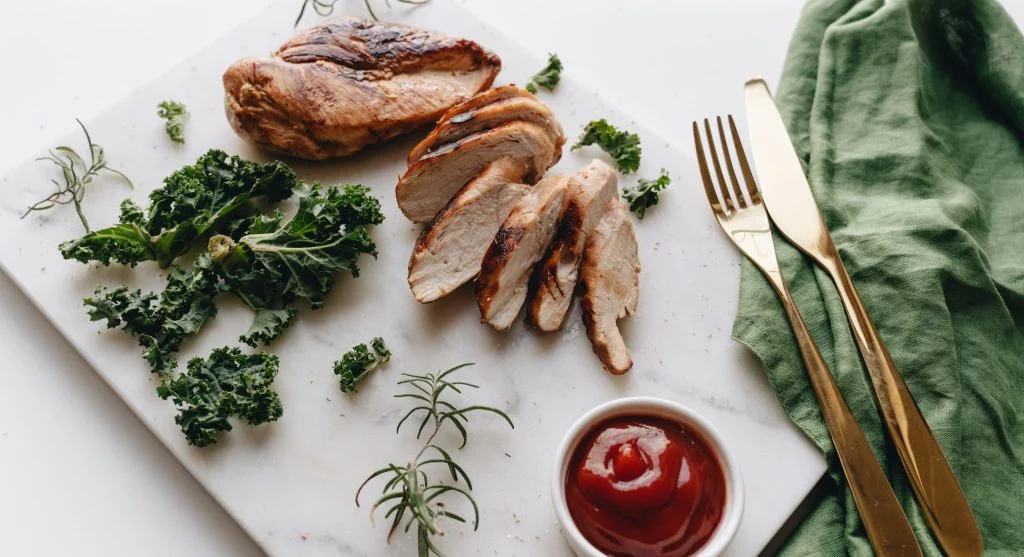
Sheet-pan chicken, potatoes, and broccoli.
Night 4
Backup dinner of eggs on toast with fruit.
Frequently Asked Questions
What are meal smarts for dinner planning?
They are simple routines that help people choose, organize, and prepare dinners in a practical and repeatable way.
Does every dinner need a full recipe?
No. Many dinners can be planned as simple combinations of protein, vegetables, and a starch.
Why is dinner planning stressful?
It often becomes stressful because too many decisions happen at the end of the day when time and energy are already limited.
Can repeated dinners still support healthy eating?
Yes. Repeating simple and balanced meals can make healthy eating easier to maintain over time.
Key Takeaway
Meal smarts can make dinner planning much less stressful by reducing how many choices need to be made at the end of the day. Simple dinner types, repeated meals, shared ingredients, leftovers, and one backup meal can all support a steadier routine. Many experts support practical planning over perfect meal systems. In everyday life, dinner works best when the plan is simple enough to actually follow.

 Eats PEI