 Darren LeBlanc
Better eating habits can make evening hunger much easier to manage, especially for people who feel most challenged by food choices late in the day. After work, chores, family routines, or long hours away from home, hunger can feel stronger and more urgent than it did earlier. That often leads to rushed meals, repeated snacking, or eating that feels harder to control.
The good news is that evening hunger is not something people simply need to fight. In many cases, it can be managed more smoothly with a few practical habits. Better eating habits can help create calmer evenings by supporting hunger earlier, improving dinner balance, and making snacks more intentional when they are truly needed.
Why evening hunger can feel so strong
Evening hunger often builds for simple reasons. Breakfast may have been too small, lunch may have been rushed, snacks may have been missing, or dinner may be arriving too late. Stress and tiredness can also make hunger feel more intense, especially when food finally becomes easy to access.
This is why evenings often feel different from the rest of the day. Better eating habits help by looking at the full pattern instead of only focusing on what happens at night.
1. Make sure lunch actually lasts into the afternoon
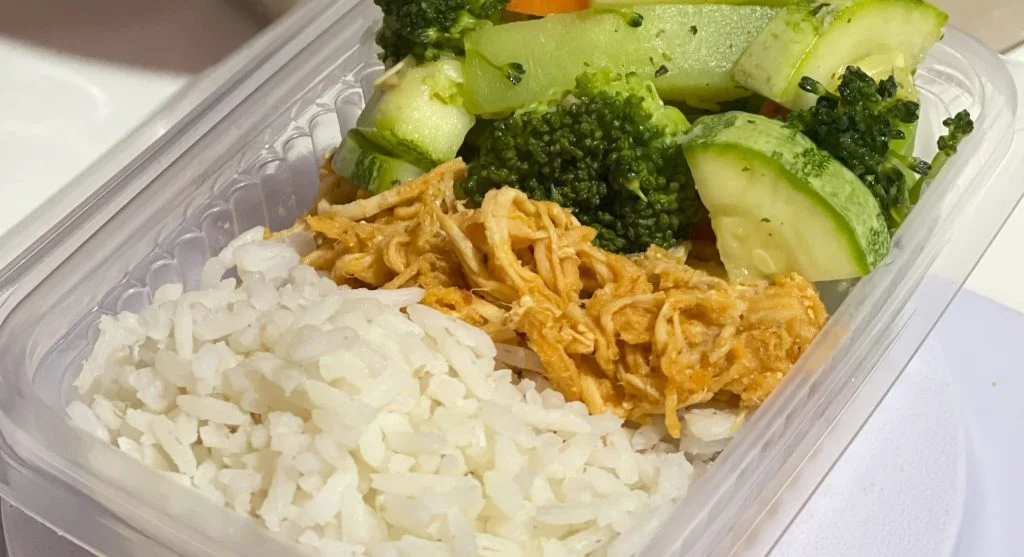
One of the most useful better eating habits is building a lunch that does more than fill a short gap. Lunches with protein, produce, and a useful grain or starch usually offer more support than meals that are too light or too rushed. When lunch is weak, evening hunger often becomes much harder to manage.
This matters because many people blame nighttime hunger when the real issue started much earlier in the day. A stronger lunch can make the whole evening feel more balanced.
2. Plan one afternoon snack before dinner gets too far away
When the gap between lunch and dinner is long, a planned snack can be much more helpful than trying to wait until hunger becomes extreme. Yogurt with fruit, nuts and an apple, hummus with crackers, or boiled eggs with vegetables are all useful examples.
This is one of the strongest better eating habits because it reduces the kind of hunger that can make dinner feel rushed and overly reactive. A thoughtful snack often protects the evening meal.
3. Build dinner around more than one food group
A dinner made from only one light or one very simple food may not do much to settle hunger. Better eating habits often work best when dinner includes some protein, some produce, and a grain or starch that makes the meal feel complete. Soup with toast and fruit can work. Rice with beans and vegetables can work too.
This does not make dinner complicated. It simply gives the meal enough structure to feel more useful and more satisfying.
4. Stop expecting dinner to fix the whole day
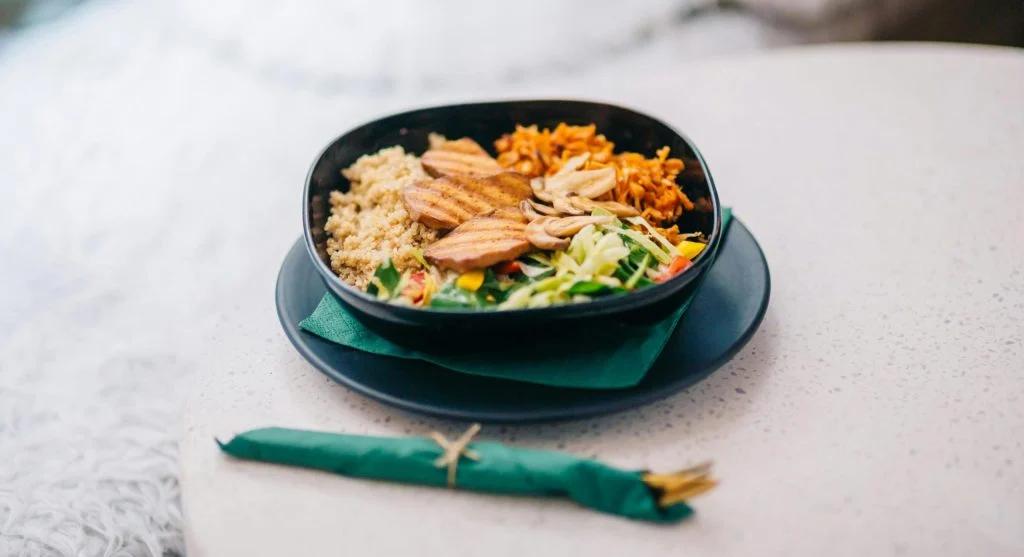
Some people place a lot of pressure on dinner, as if it must correct every weak meal or missed snack that came before it. That often makes the evening feel emotionally heavier around food. One of the more helpful better eating habits is seeing dinner as one important meal, not the solution to everything.
This reduces all-or-nothing thinking and makes it easier to respond more calmly to hunger instead of feeling that the entire day depends on one plate.
5. Keep one balanced evening snack option ready
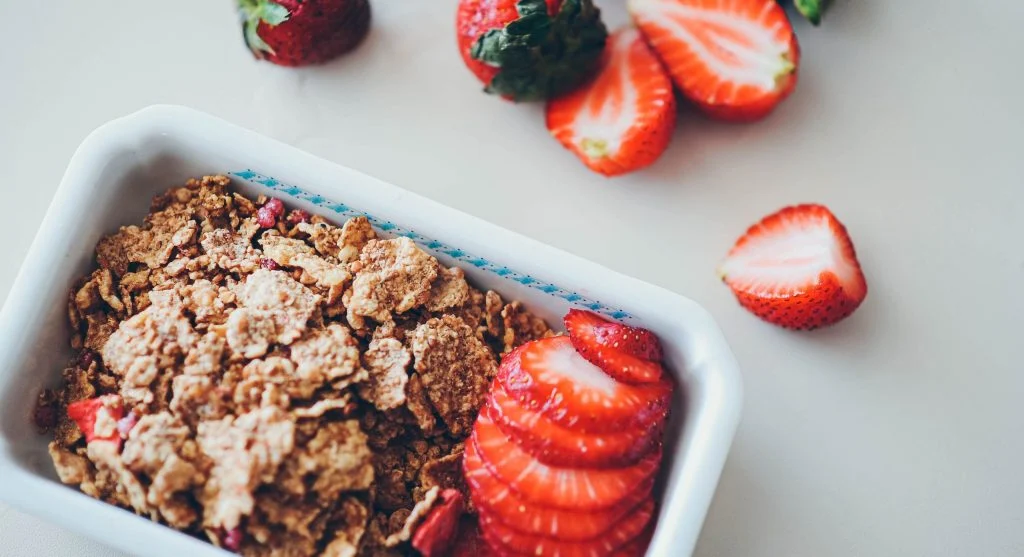
Sometimes dinner is not enough, or the evening is long enough that a later snack still makes sense. Keeping one balanced option ready can help. Greek yogurt, fruit with nut butter, popcorn with cheese, toast with hummus, or a small leftover portion can all work well depending on hunger level.
This is one of the practical better eating habits that helps turn random grazing into more thoughtful eating. A prepared option often makes evenings feel more controlled without becoming too strict.
6. Let protein show up more than once in the evening
Protein is often helpful for making both meals and snacks feel more satisfying. Eggs, yogurt, beans, lentils, chicken, tuna, cottage cheese, or tofu can all be worked into dinner or later snacks without much complication.
Many nutrition professionals support including protein regularly because it may help improve fullness and make eating feel steadier through the evening hours.
7. Pair comfort foods with something that helps them last
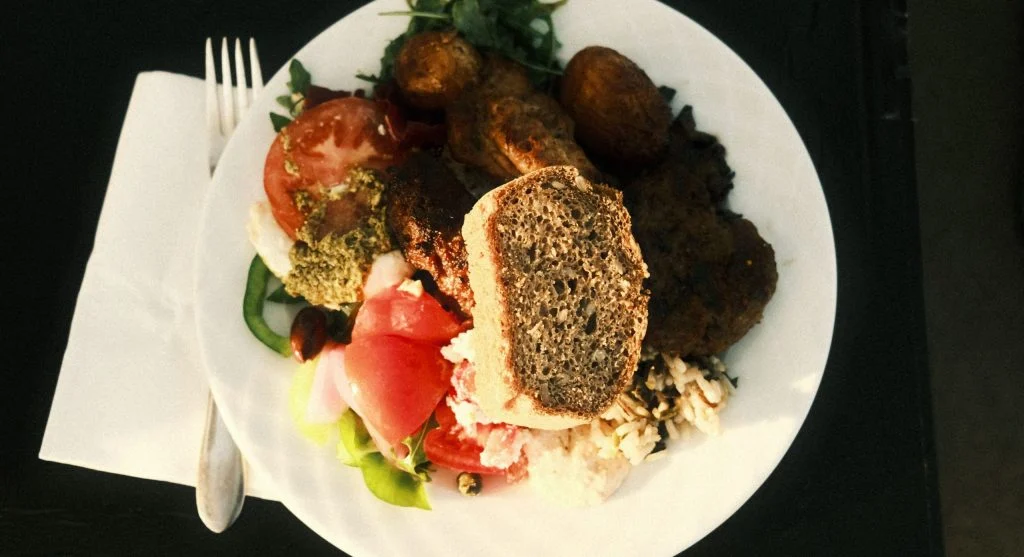
Evening meals often lean toward comfort, and that is not a problem on its own. Toast, soup, pasta, rice, or warm drinks can all be part of better eating habits when they are paired with practical foods that add more support. Soup with fruit and bread works better than soup alone. Toast with eggs or yogurt often works better than toast by itself.
This is one of the most useful better eating habits because it improves familiar foods without taking away what makes them appealing at night.
8. Notice the difference between tiredness and hunger
Evening eating can become confusing because hunger and tiredness often show up together. Sometimes the body truly needs food. Other times the urge to eat may come from wanting comfort, routine, or a pause after a long day. Both experiences are real, but they are not always the same.
One of the more thoughtful better eating habits is pausing briefly to ask what feels strongest in that moment. That small pause can help people choose a meal, a snack, or another kind of support more intentionally.

Credit: Ron Lach / Pexels
9. Keep late eating from becoming random eating
Late eating is not automatically a problem, but it often feels less helpful when it happens without a clear choice. Better eating habits can help by making late snacks or small meals more intentional. A simple plated snack or small mini meal usually works better than repeatedly eating out of bags or containers.
This is one of the most practical habits for evening hunger because it helps create a stopping point and makes eating feel more satisfying.
10. Think about the full evening, not only the first hunger moment
One of the strongest better eating habits is looking a little further ahead. If dinner is early and bedtime is late, a planned evening snack may help. If dinner will be late, an afternoon snack may matter more. If the day has already been irregular, a simple but balanced dinner may be the most useful answer.
This bigger-picture view helps reduce panic around hunger. It turns evening eating into something that can be managed with structure instead of reaction alone.
Simple evening food ideas that support better eating
Dinner idea
Rice, beans, roasted vegetables, and yogurt sauce.
Comfort meal idea
Tomato soup with whole-grain toast and fruit.
Planned evening snack
Greek yogurt with berries and a few nuts.
Mini meal idea
Boiled eggs, crackers, cucumber slices, and a banana.
Frequently Asked Questions
What are better eating habits for evening hunger?
They are simple food routines that help people manage late-day hunger with better meal structure, planned snacks, and more balanced evening choices.
Why does evening hunger often feel stronger than daytime hunger?
It often feels stronger because earlier meals may have been too light, the gap before dinner may be long, or stress and tiredness may make hunger feel more intense.
Can an evening snack still fit into better eating?
Yes. A planned and balanced evening snack can fit very well, especially when dinner is early or bedtime is still far away.
Do comfort foods make evening eating worse?
No. Comfort foods can still fit into balanced eating when they are paired with foods that help the meal feel more complete and satisfying.
Key Takeaway
Better eating habits can make evening hunger much easier to manage by improving the full food pattern around the second half of the day. A stronger lunch, a planned afternoon snack, a more balanced dinner, and one intentional evening snack option can all help reduce stress and random eating. Many experts support practical food structure over strict rules. In daily life, evening hunger often feels easier when meals and snacks are planned to support it instead of simply reacting to it.

 Eats PEI