 Darren LeBlanc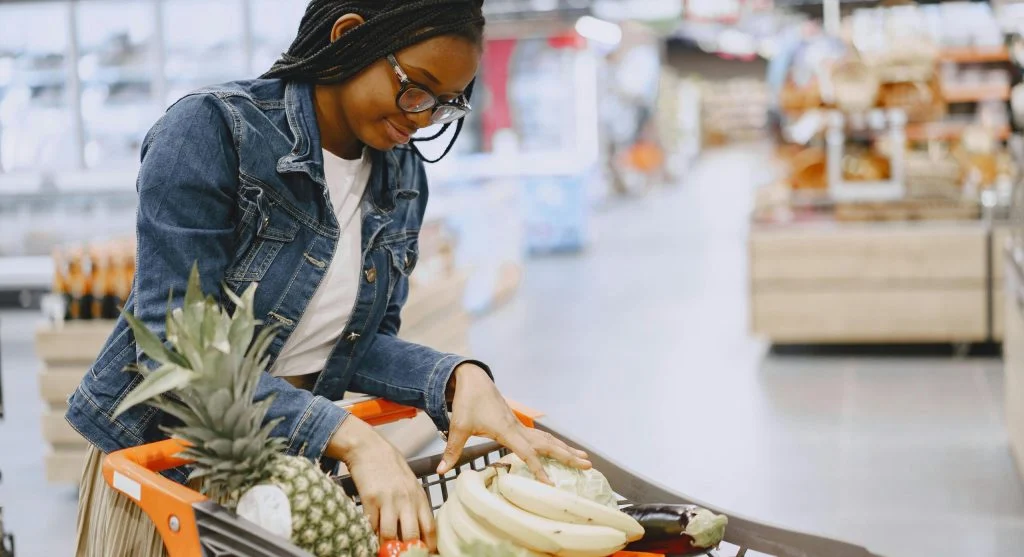
Better eating habits often start at the grocery store, long before breakfast, lunch, or dinner reaches the table. Many people want to shop in a healthier way, but grocery stores can feel overwhelming. There are too many options, too many labels, and too many food choices that seem important in the moment.
That is why simple shopping routines matter. Better eating habits can make grocery trips feel less stressful by helping people focus on useful foods that support real meals. In everyday life, the goal is not to build a perfect cart. It is to build a practical one.
Why grocery shopping can feel harder than expected
Shopping often becomes stressful when people enter the store without a clear idea of what foods they actually need. It is easy to buy items that sound healthy but do not connect well into meals later. This can lead to wasted food, weak meal planning, and more stress at home.
Better eating habits help solve that problem by connecting grocery shopping to daily routines. When foods have a likely purpose, shopping becomes more focused and more useful.
1. Shop with a few meal ideas in mind
One of the most practical better eating habits is thinking about two or three meals before shopping begins. That does not mean planning every breakfast, lunch, and dinner in full detail. It simply means knowing a few likely directions, such as eggs and oats for breakfast, wraps or leftovers for lunch, and rice bowls or pasta for dinner.
This makes the grocery trip feel more organized and helps the cart fill with foods that can actually be used together.
2. Build the cart around staple foods first
Staples make shopping easier because they can be used across several meals. Eggs, oats, yogurt, rice, potatoes, beans, fruit, frozen vegetables, and whole-grain bread are good examples. These foods may not seem exciting, but they often do the most work during the week.
This is one of the strongest better eating habits because staple foods reduce decision fatigue and make meals easier to build once groceries are at home.
3. Choose proteins that fit more than one meal
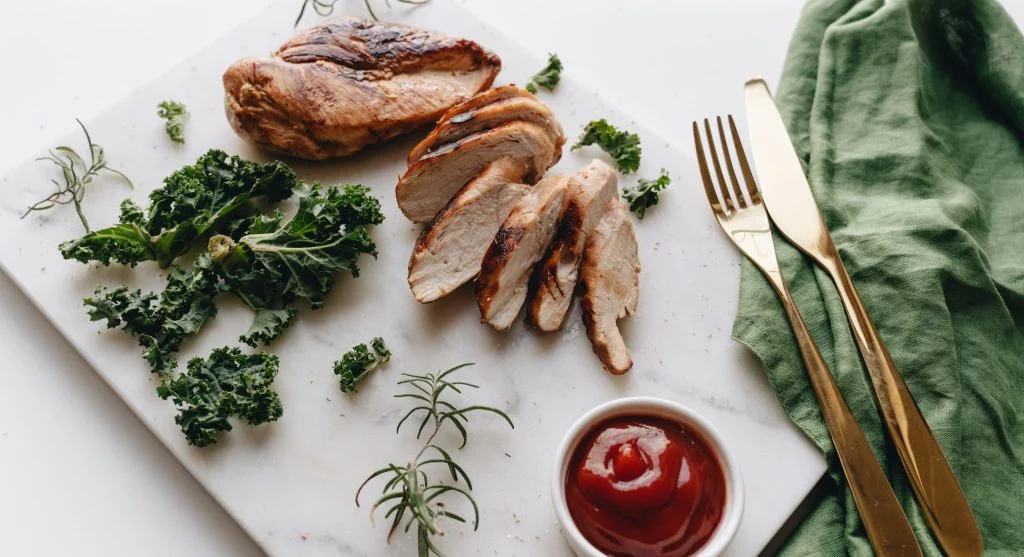
Protein is one of the most useful parts of a grocery trip because it shapes how satisfying meals will feel later. Eggs, yogurt, chicken, beans, lentils, tuna, tofu, and cottage cheese are all practical examples that can support breakfast, lunch, dinner, or snacks.
Many nutrition professionals encourage flexible protein choices because they help make meals more filling without requiring complicated cooking.
Credit: Kampus Production / Pexels
4. Buy produce that matches real life
Produce shopping often becomes stressful when people buy for ideal plans instead of real schedules. Fresh vegetables and fruit are useful, but the right choice depends on what will actually get used. On busy weeks, bananas, apples, frozen vegetables, berries, bagged salad, or pre-cut produce may be more realistic than foods that need more prep.
This is one of the better eating habits that can reduce food waste and make healthy choices easier to follow through on.
5. Let convenience foods help, not hurt
Some people assume grocery shopping should avoid convenience foods completely, but that can make balanced eating harder. Rotisserie chicken, frozen vegetables, canned beans, cooked grains, soup, and plain yogurt can all make meals easier to prepare later.
Better eating habits often work best when they support real schedules. Useful convenience foods can be part of that support.
6. Keep snacks connected to the rest of the day
Snack shopping becomes more helpful when people think about why snacks are needed. If lunch is early or afternoons are long, it helps to choose foods that offer more than quick sugar. Yogurt, fruit, nuts, hummus, popcorn, crackers with cheese, and boiled eggs are all examples that may provide better staying power.
This is one of the better eating habits that improves more than grocery shopping. It also affects hunger and food choices during the week.
7. Repeat foods that already work well
Some people make shopping stressful by believing they need a different grocery list every week. In reality, repeating reliable foods often makes healthy eating easier. Oats can stay on the list. So can eggs, rice, fruit, beans, yogurt, bread, and frozen vegetables.
Experts often support repetition because it simplifies meal planning and lowers the mental effort of shopping.
8. Keep one backup meal in mind
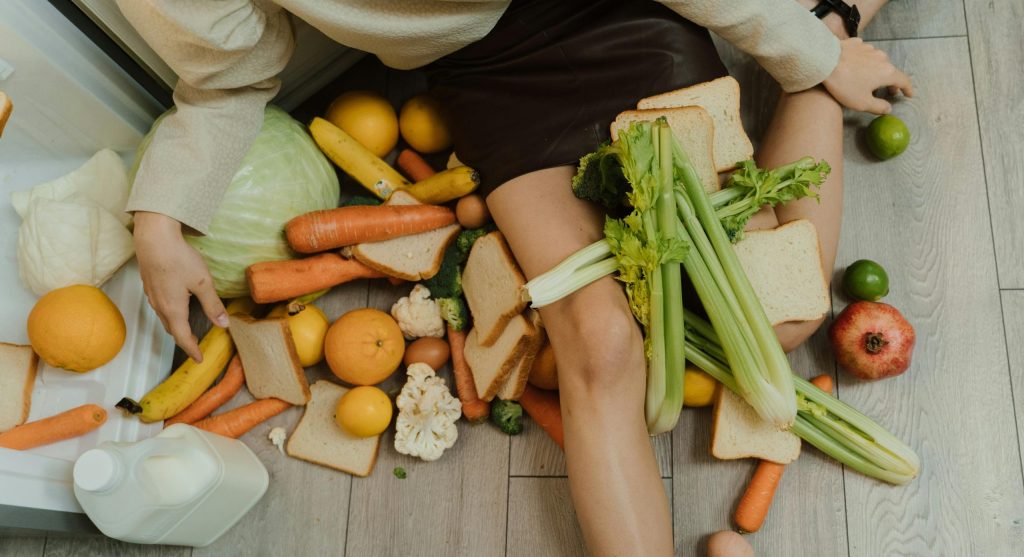
A useful grocery trip should include foods for one or two very simple meals that can help on low-energy days. Eggs on toast, soup with bread, rice with beans and vegetables, or pasta with tuna are all good examples. These meals do not need to feel exciting. They need to feel dependable.
This habit can make shopping much less stressful because it prepares for the evenings when cooking feels harder than expected.
Credit: Ron Lach / Pexels
9. Focus on meal support, not food perfection
Shopping becomes much calmer when the goal is not a perfect cart, but a useful one. A food does not need to sound trendy or ideal to support better eating. What matters more is whether it can help create a balanced breakfast, lunch, dinner, or snack during the week.
This is one of the most useful better eating habits because it reduces pressure and helps people choose foods that actually fit daily life.
10. Think about the week after the store
One of the best better eating habits is remembering that grocery shopping matters most after the groceries come home. A helpful trip is the one that makes future meals easier, not the one that only looks healthy inside the store.
When people shop with the rest of the week in mind, their choices often become more practical and less stressful. That usually leads to better routines overall.
Simple grocery combinations that support better eating
Breakfast combination
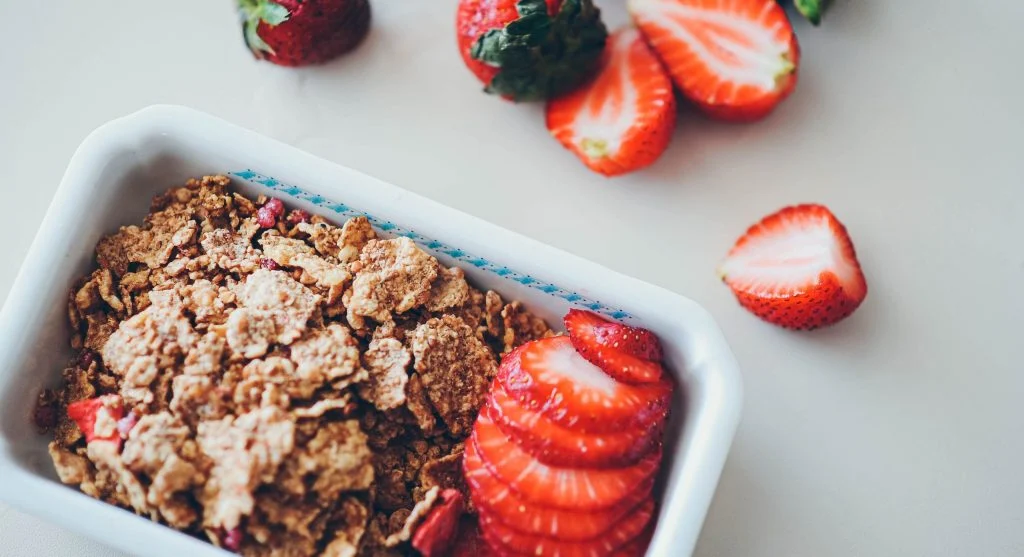
Oats, yogurt, berries, and bananas.
Lunch combination
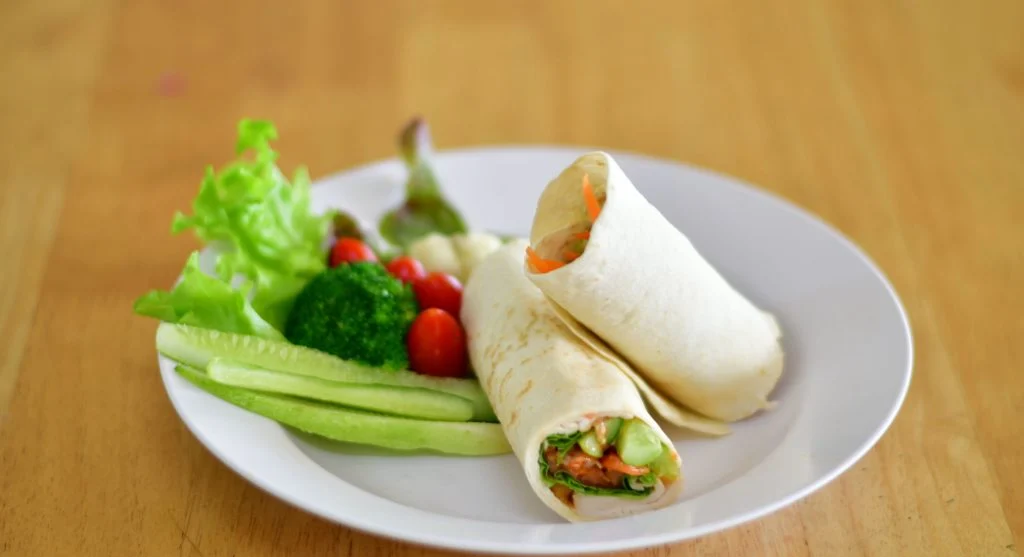
Whole-grain bread, eggs, fruit, and chopped vegetables.
Dinner combination
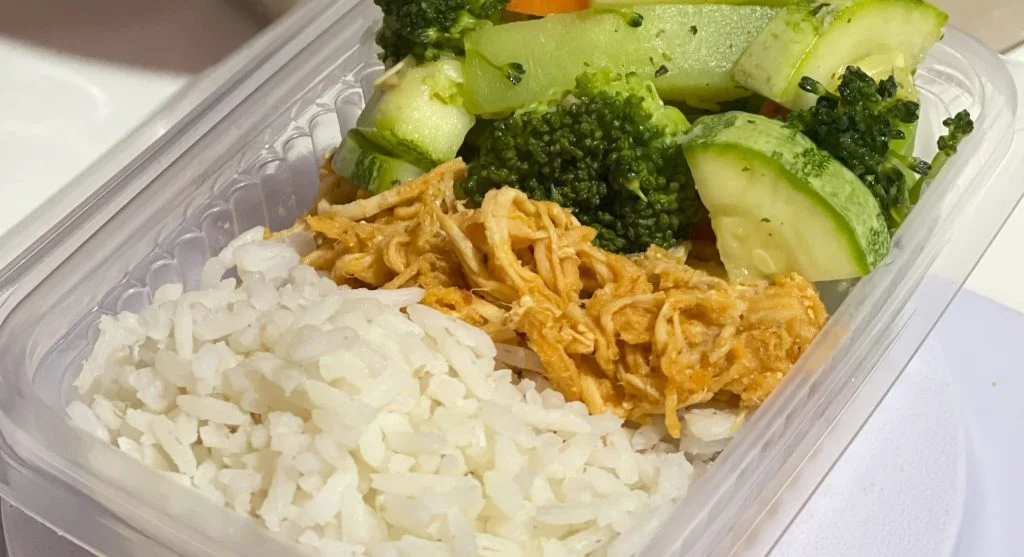
Rice, beans, frozen vegetables, and rotisserie chicken.
Snack combination
Yogurt, nuts, apples, hummus, and crackers.
Frequently Asked Questions
What are better eating habits for grocery shopping?
They are simple routines that help people shop for balanced meals, useful snacks, and practical foods that fit real life.
Do healthy grocery trips need a detailed plan?
No. Many people do well with a few meal ideas, flexible staples, and one or two backup meal options.
Why are staple foods so important?
They reduce stress, support more than one meal, and make grocery shopping more useful during the week.
Can convenience foods still fit into better eating habits?
Yes. Helpful convenience foods can make balanced meals much easier to prepare and repeat.

 Eats PEI