 Darren LeBlanc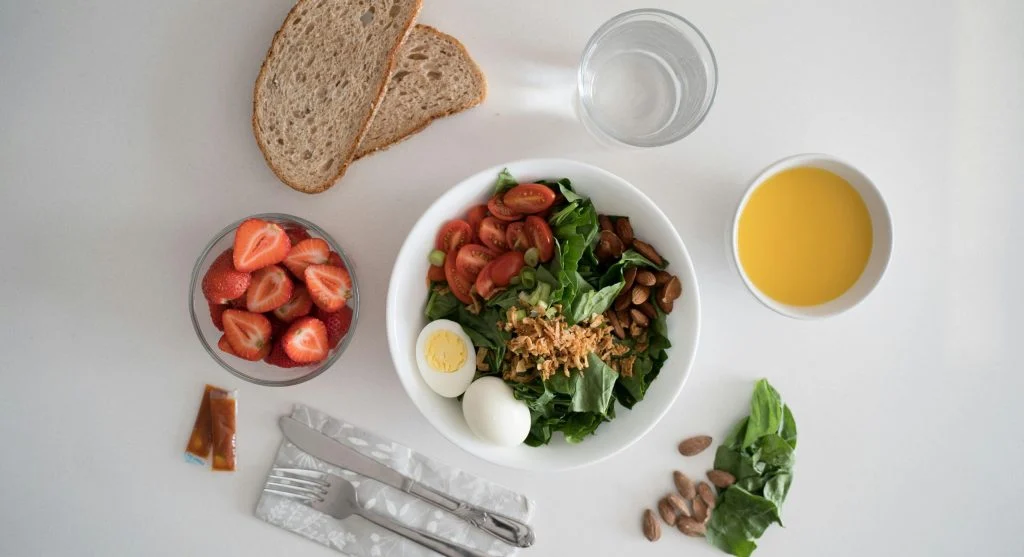
Better eating habits can make a major difference in the afternoon, when many people start to feel their energy dip and hunger becomes harder to ignore. This part of the day often decides whether someone stays steady until dinner or spends hours grazing on snacks that do not feel very satisfying.
That is why afternoon meals matter more than people sometimes realize. A better lunch or afternoon meal does not need to be complicated, but it usually helps when it includes enough balance to support the rest of the day. These better eating habits can help make that easier.
Why afternoon eating often feels unsatisfying
Some afternoon meals are too light, too rushed, or missing the parts that help them last. A quick sweet drink, a few crackers, or a very small lunch may seem convenient at first, but it often leaves people hungry again much sooner than expected.
This is where better eating habits become useful. Instead of blaming hunger later, it helps to look at whether the earlier meal had enough substance to do its job.
1. Treat lunch like a real meal, not a quick pause
One of the most helpful better eating habits is giving lunch enough attention to count as a proper meal. When lunch is treated like a small snack or something to rush through while distracted, it may not offer enough support for the afternoon.
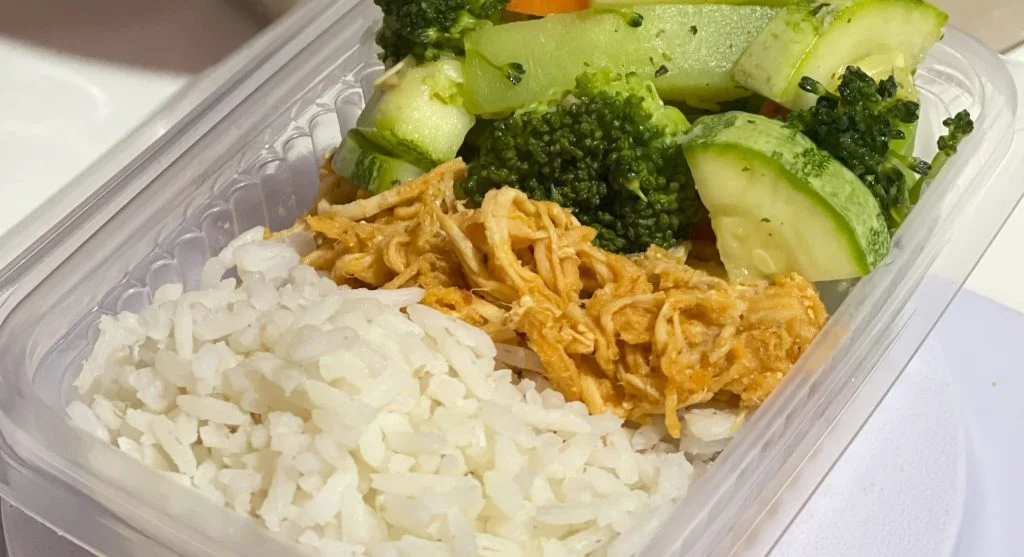
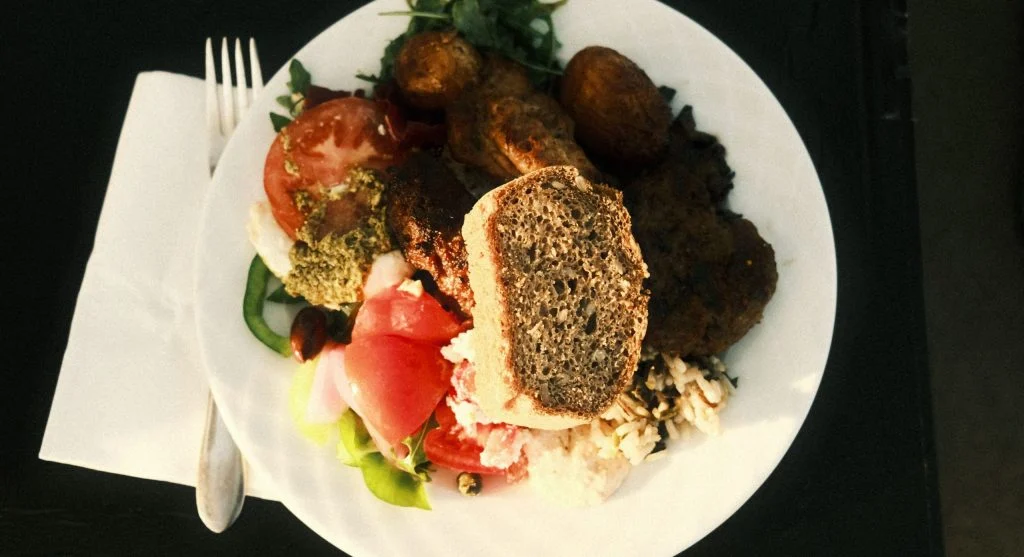
A more useful lunch often includes protein, a carbohydrate source, produce, and enough total food to feel satisfying. This can make a noticeable difference in how the rest of the day feels.
2. Include protein to improve staying power
Protein often makes afternoon meals more satisfying because it can help with fullness and make the meal feel more complete. Chicken, eggs, beans, lentils, fish, yogurt, tofu, or cottage cheese are all practical options depending on the type of meal.
Many nutrition professionals recommend including protein at lunch because it may help reduce the urge to snack again too soon. This is one of the strongest better eating habits for steadier afternoons.
3. Add a carbohydrate that actually helps the meal last
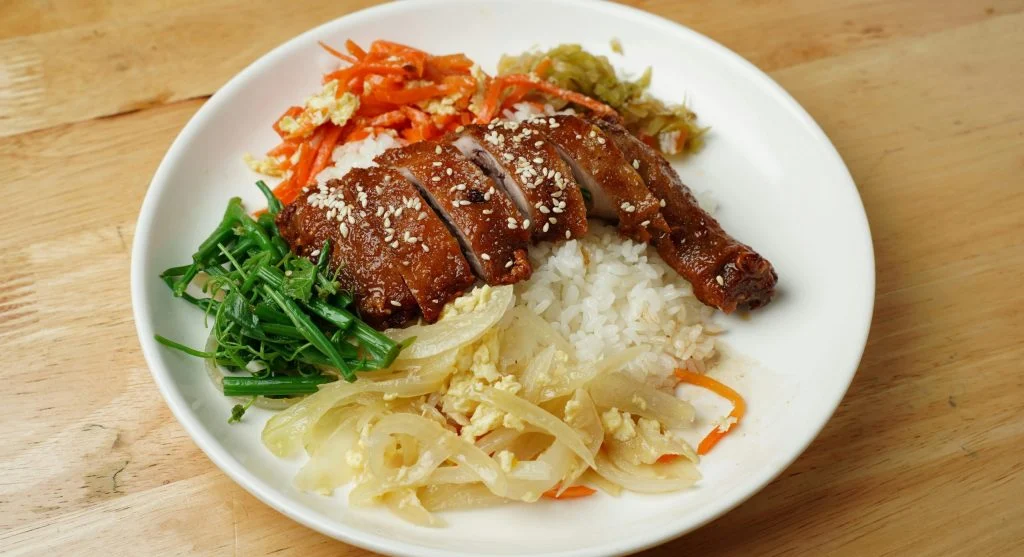
Carbohydrates can be very useful in afternoon meals, but they work best when they help create a more complete plate. Rice, potatoes, whole-grain bread, pasta, oats, fruit, and beans can all support more stable energy when paired with other filling foods.
This is one of the better eating habits that helps people move away from the idea that carbs are the problem. In many cases, the problem is not having enough meal balance overall.
Credit: Kai-Chieh Chan / Pexels
4. Do not forget fruit or vegetables
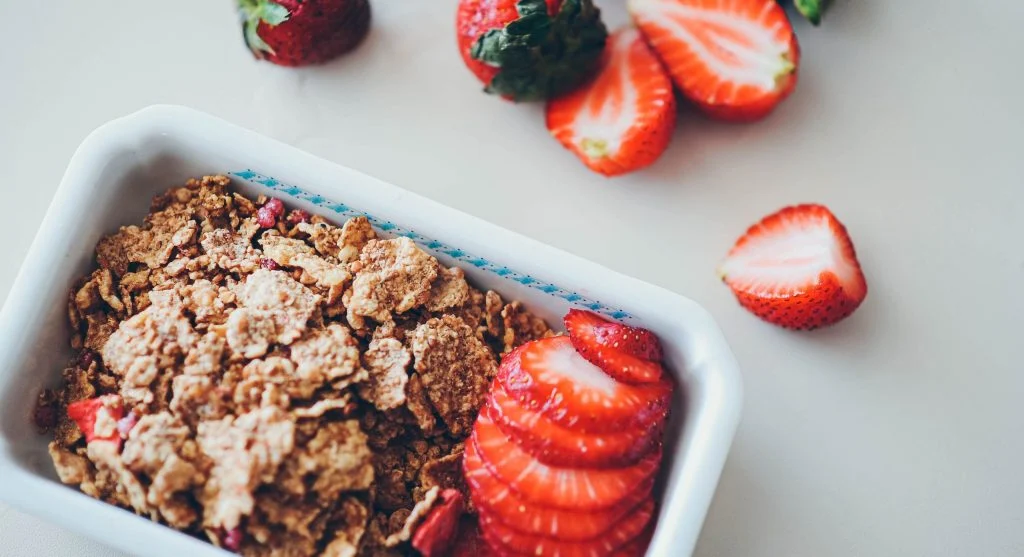
Produce can make afternoon meals feel fresher, more balanced, and more satisfying. Fruit can work as part of the meal or as a side. Vegetables can be added to bowls, sandwiches, soups, wraps, or pasta dishes.
Better eating habits often improve through simple additions like these. Produce does not need to be fancy to be useful. It only needs to be realistic enough to include regularly.
5. Make the meal big enough to matter
Some people keep afternoon meals too small because they worry about eating too much too early in the day. But a lunch that is too light often leads to stronger hunger, more snacking, and less control over later choices.
This is one of the most practical better eating habits because it reminds people that eating enough earlier can make the whole day easier to manage.
6. Keep backup lunch options available
Busy schedules can make it hard to prepare a full lunch every day, which is why simple backup foods are so useful. Yogurt, boiled eggs, fruit, canned tuna, crackers, soup, bread, cooked rice, beans, or frozen leftovers can all help create a fast meal when time is short.
Better eating habits are easier to keep when they include practical backup options instead of depending on ideal conditions every day.
7. Build afternoon meals from simple parts
A useful lunch does not always need a recipe. It can often be built from four parts: protein, produce, a grain or starch, and something for flavor. This simple pattern makes lunch easier to repeat and easier to prepare.
For example, a wrap with chicken and hummus, a rice bowl with beans and vegetables, or a sandwich with yogurt and fruit can all work well. Better eating habits often become easier when meals feel less complicated.
8. Plan one snack that fits after the meal
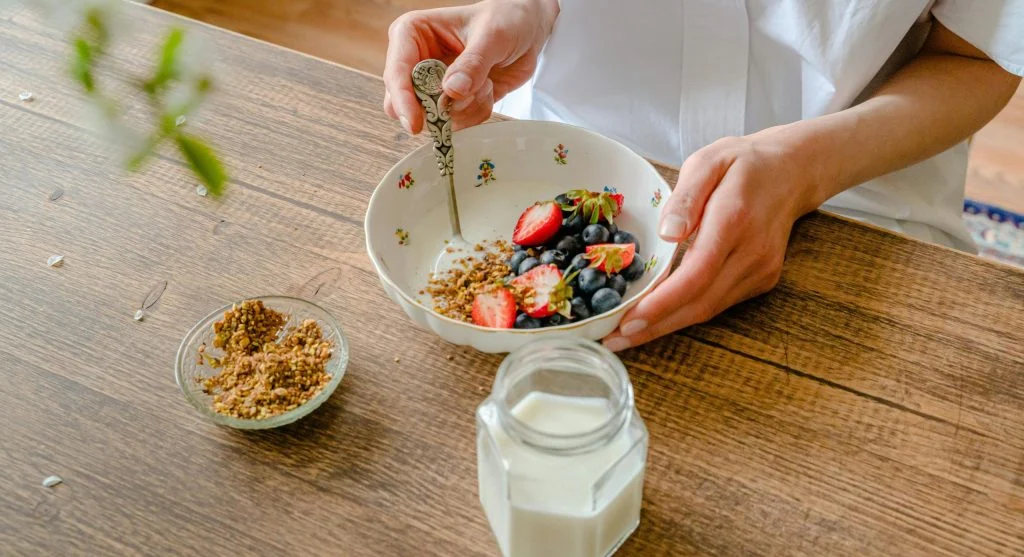
Sometimes an afternoon meal is early enough that a later snack still makes sense. Planning that snack on purpose can be more helpful than waiting until hunger feels urgent. Yogurt, fruit with nuts, hummus with crackers, or popcorn with cheese are useful examples.
This is one of the better eating habits that can reduce random snacking because it adds structure instead of relying on willpower.
Credit: Antoni Shkraba Studio / Pexels
9. Think about how the meal supports the rest of the day
One of the most useful better eating habits is asking whether the afternoon meal actually helps the next few hours. Does it support focus? Does it reduce the urge to graze? Does it make dinner easier to approach calmly?
When people think of meals this way, food decisions often become more practical. The goal is not only to eat. It is to support the rest of the day in a realistic way.
Simple afternoon meal ideas
Meal idea 1
Rice bowl with chicken, roasted vegetables, and yogurt sauce.
Meal idea 2
Whole-grain wrap with beans, vegetables, and hummus plus fruit.
Meal idea 3
Soup with whole-grain toast, boiled eggs, and an apple.
Meal idea 4
Pasta with tuna, peas, and tomato sauce with a side salad.
Frequently Asked Questions
What are better eating habits for afternoon meals?
Helpful habits include adding protein, making the meal large enough to matter, including produce, and planning simple balanced lunches ahead.
Why do afternoon meals feel unsatisfying?
They often feel unsatisfied when they are too small, too rushed, or missing foods that help with fullness.
Can a planned snack still fit after lunch?
Yes. A planned snack can be useful when there is a long gap before dinner or when lunch happened early in the day.
Do afternoon meals need to be complicated?
No. Simple combinations of protein, produce, a starch, and flavor can work very well.
Key Takeaway
Better eating habits can make afternoon meals much more satisfying when the meal includes enough balance to support the hours that follow. Protein, produce, useful carbohydrates, and a little planning can all help reduce random snacking and improve energy later in the day. Many experts support practical meal structure over perfect food rules. In daily life, the best afternoon meal is usually the one that is simple, balanced, and easy to repeat.


 Eats PEI