 Darren LeBlanc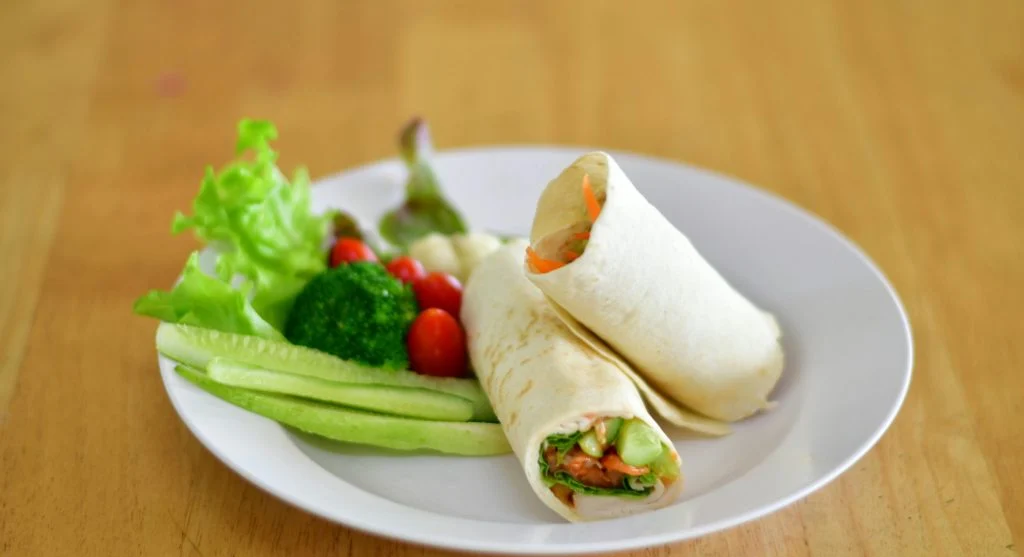
Better eating habits can make shared lunches much easier to manage, especially when one midday meal needs to work for more than one person. Lunch can already feel rushed during busy days, and that pressure often grows when food also needs to be practical, balanced, and easy to serve in a shared way.
The good news is that shared lunches do not need to be complicated to work well. A few simple habits can make them feel more organized, more satisfying, and easier to repeat. Better eating habits usually help most when they reduce stress instead of adding more rules.
Why shared lunches can feel harder than expected
Lunch often happens in the middle of work, home tasks, visits, or family routines. When more than one person is eating, there can be pressure to make the meal flexible enough for different appetites while still keeping it simple. Without a basic structure, lunch can quickly feel too light, too random, or too time-consuming.
That is where practical food habits matter. Better eating habits can help shared lunches feel easier by building them around foods that are flexible, balanced, and easy to place on the table.
1. Build the lunch from a few shared parts
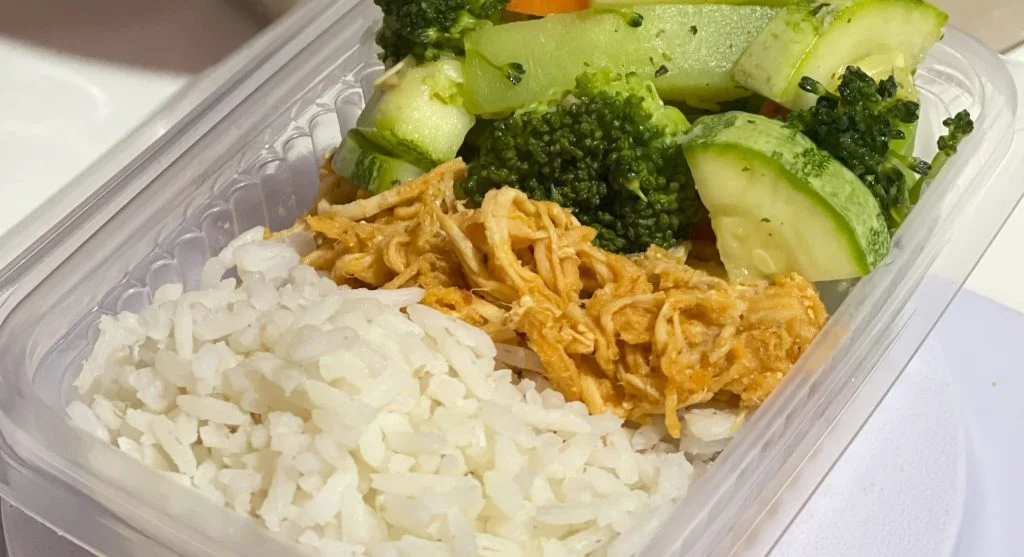
One of the most useful better eating habits is serving lunch as a few simple parts instead of one fixed plate. A protein, a grain or starch, produce, and something for flavor often work very well. Rice, beans, vegetables, yogurt sauce, wraps, eggs, or fruit are all examples that can fit into shared lunches easily.
This makes the meal feel more balanced and allows people to build a plate that works for them without creating too much extra work.
2. Keep lunch practical enough for the middle of the day
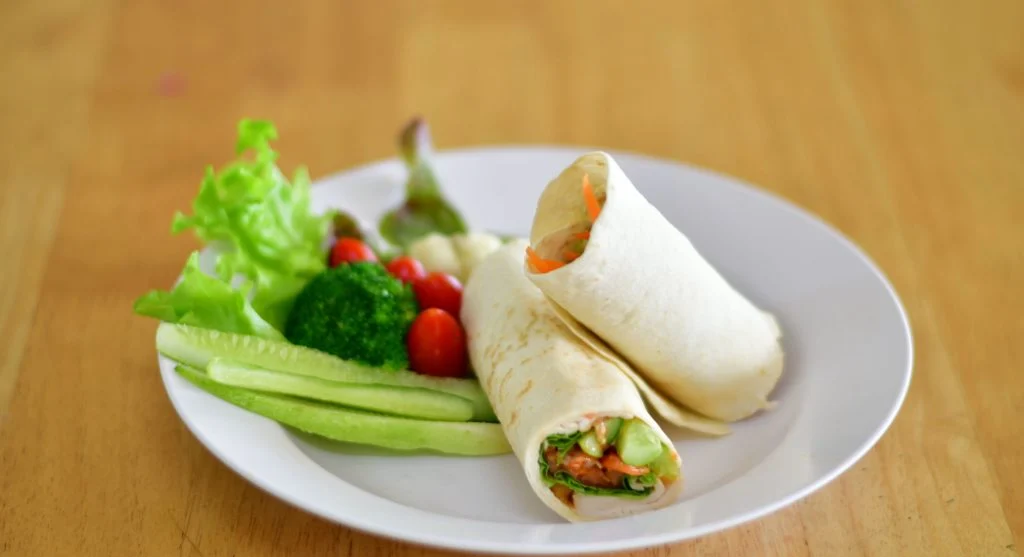
Shared lunches often work best when they do not require long cooking sessions or too many separate dishes. Wraps, rice bowls, soup with sides, leftover grain salads, or eggs with toast are all practical options because they can be prepared and served without too much delay.
This is one of the stronger, better eating habits because it respects the fact that lunch usually needs to happen quickly and still feels useful afterward.
3. Include protein so the meal lasts longer
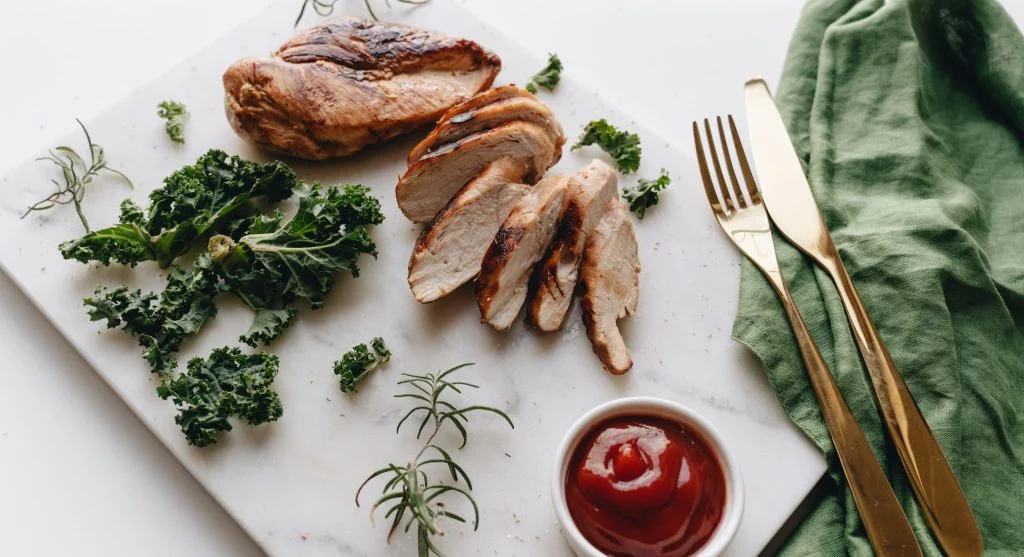
Protein often helps lunch feel more satisfying, especially when the afternoon is still long. Eggs, chicken, beans, lentils, tuna, tofu, yogurt, and cottage cheese are all simple options that can work well in shared meals.
Many nutrition professionals encourage including protein in midday meals because it may help reduce hunger later and make the rest of the day feel steadier.
4. Let one base food do more of the work
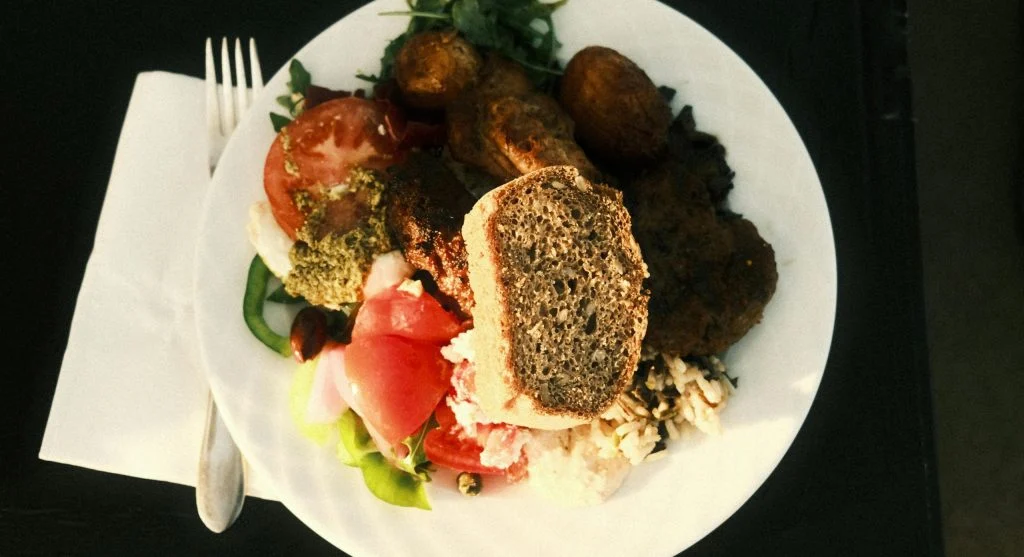
A dependable base food can make shared lunches much easier. Rice, whole-grain wraps, bread, potatoes, or pasta can all help create meal structure without forcing one exact lunch style. Once the base is ready, other foods can be added around it more easily.
This is one of the most practical, better eating habits because it gives the meal a clear center without making it feel repetitive in a bad way.
5. Keep produce simple and visible
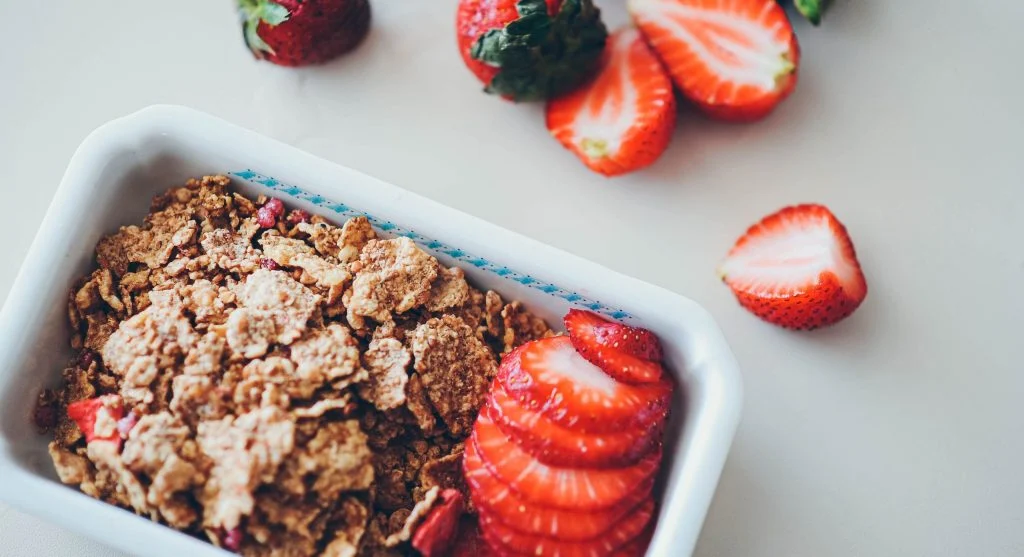
Fruit and vegetables are easier to include when they are prepared in a very simple way. Sliced cucumbers, cherry tomatoes, apple wedges, grapes, roasted carrots, or a bowl of salad greens can support a shared lunch without much extra effort.
Better eating habits usually last longer when the produce feels easy to use. Visibility and simplicity matter much more than complexity here.
6. Use leftovers to reduce midday stress
Leftovers can be a major help with shared lunches. Extra rice, roasted vegetables, soup, pasta, or chicken from earlier meals can quickly become the center of lunch the next day. This saves time and helps avoid starting from zero in the middle of a busy day.
This is one of the more useful better eating habits because it stretches one cooking effort across more than one meal and supports a calmer routine overall.
7. Add one simple side that rounds out the meal
Sometimes a shared lunch feels almost complete but still needs one more element. Fruit, yogurt, soup, crackers, or a side salad can often do enough to improve the balance of the meal without making lunch more complicated.
This is one of the easiest better eating habits to use because it improves lunch through a small addition instead of a big change.
8. Keep one easy shared lunch idea ready as backup
There will always be days when lunch needs to happen quickly. That is why it helps to have one backup idea that is easy to repeat. Soup with bread and fruit, serve-yourself wraps, eggs with toast and vegetables, or rice with beans and chopped salad are all strong examples.
This is one of the better eating habits that protects lunch from becoming too rushed or too random when time is short.
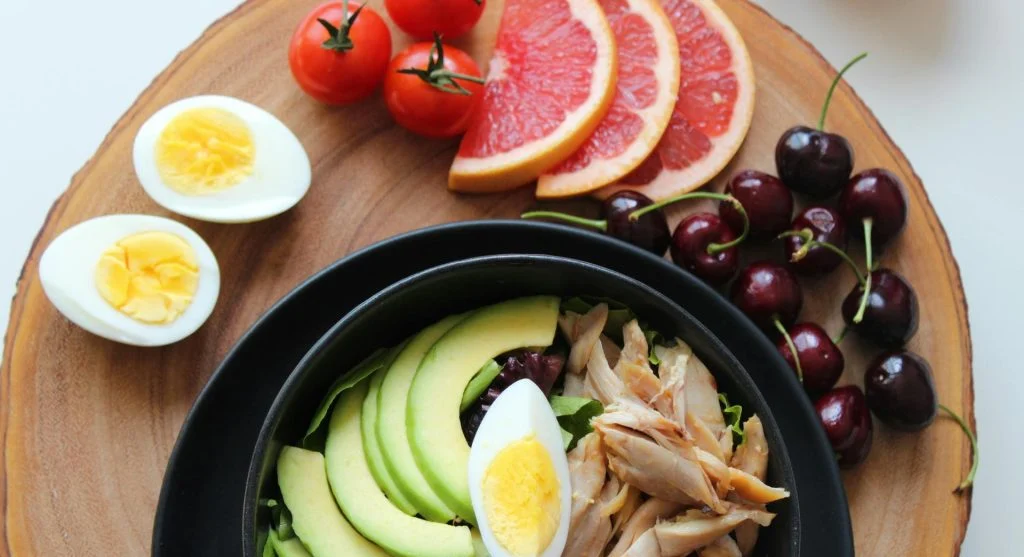
9. Focus on a useful lunch, not a perfect one
One of the most important better eating habits is letting shared lunches be useful instead of impressive. A practical midday meal that includes enough food, some balance, and a few easy choices usually does more good than a lunch that looks ideal but takes too much energy to repeat.
In daily life, balanced eating often depends on food routines that are simple enough to keep using. Shared lunches are no different.
Simple shared lunch ideas
Lunch idea 1
Rice, beans, chopped vegetables, and yogurt sauce served in separate bowls.
Lunch idea 2
Whole-grain wraps with eggs, greens, hummus, and fruit on the side.
Lunch idea 3
Soup with whole-grain toast, fruit, and a bowl of yogurt.
Lunch idea 4
Leftover roasted vegetables, chicken, and potatoes with a simple salad.
Frequently Asked Questions
What are better eating habits for shared lunches?
They are simple meal routines that help lunch feel more balanced, practical, and easier to serve for more than one person.
Do shared lunches need a lot of different dishes?
No. They often work best with a few flexible foods that can be served together in simple ways.
Can leftovers help with shared lunches?
Yes. Leftovers are often one of the easiest ways to reduce lunchtime stress and keep meals more balanced.
Why is protein important in shared lunches?
Protein often helps lunch feel more satisfying and may help support steadier energy through the afternoon.
Key Takeaway
Better eating habits can make shared lunches more balanced by using simple parts, practical base foods, easy produce, leftovers, and one dependable backup meal idea. These habits help lunch feel easier to serve and easier to repeat without creating unnecessary stress in the middle of the day. Many experts support realistic meal routines over perfect food plans. In everyday life, the best shared lunches are often the ones that feel flexible, balanced, and easy to put together.

 Eats PEI