 Eats PEI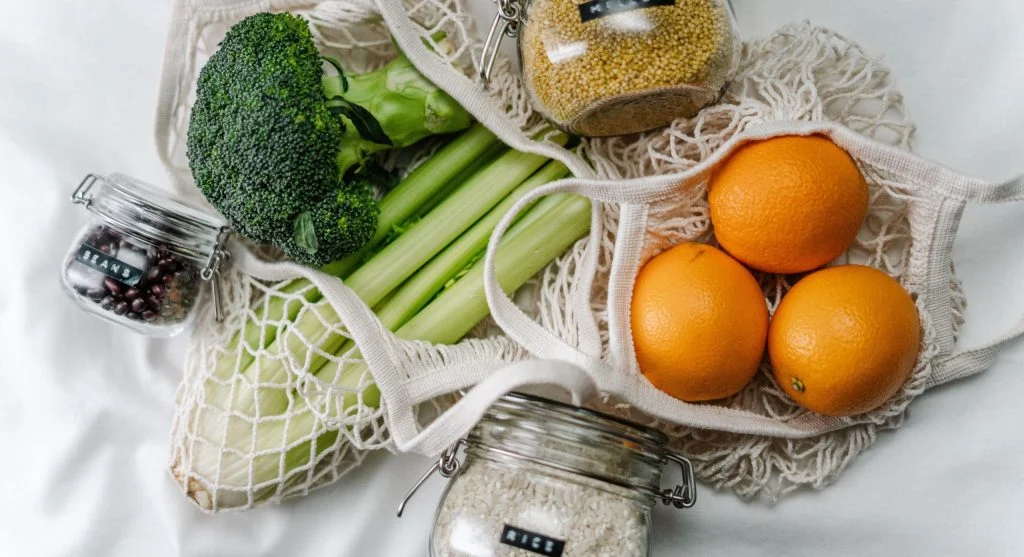
Food myths about healthy grocery lists can make shopping feel much more complicated than it needs to be. Many people think a good grocery list must be perfect, highly detailed, or filled only with foods that look extremely healthy on paper. That kind of pressure can make shopping slower, more stressful, and less useful once the food comes home.
In real life, the best grocery list is often the one that helps people build meals they can actually prepare and repeat. A practical list usually matters more than an idealized one. These food myths can get in the way of that, which is why it helps to look at them more closely.
Why grocery lists often feel more stressful than they should
Shopping lists are supposed to make life easier, but many people use them as if they are a test of how well they eat. That can lead to overthinking, too many rules, and lists filled with foods that sound good in theory but do not really support the week ahead.
This is where food myths can quietly create problems. They can make a useful tool feel much more intimidating than it really is.
1. A healthy grocery list should never repeat the same foods
This is one of the most common food myths around shopping. In reality, repeating useful foods often makes grocery lists stronger, not weaker. Oats, eggs, yogurt, rice, beans, fruit, bread, and vegetables can all return week after week because they support many meals.
Experts often support repeated staples because they simplify shopping and reduce decision fatigue. A realistic list often works better than a constantly changing one.
2. A healthy list has to include mostly fresh food
Another common myth is that healthy shopping should focus almost entirely on fresh ingredients. Fresh foods can be helpful, but frozen vegetables, canned beans, canned fish, oats, rice, pasta, soup, and yogurt can all belong on a balanced grocery list too.
This is one of the food myths that often makes shopping harder for busy households. Shelf-stable and frozen foods are often part of what keeps meals practical.
3. Grocery lists should be built around ideal meals, not real meals
Some people make shopping harder by writing lists for meals they hope to make rather than meals they are actually likely to cook. A better list usually reflects real schedules, real energy levels, and foods that already fit the household.
This is one of the more useful food myths to challenge because shopping becomes much more practical when the list supports actual daily life instead of only good intentions.
4. Healthy grocery lists should avoid convenience foods completely
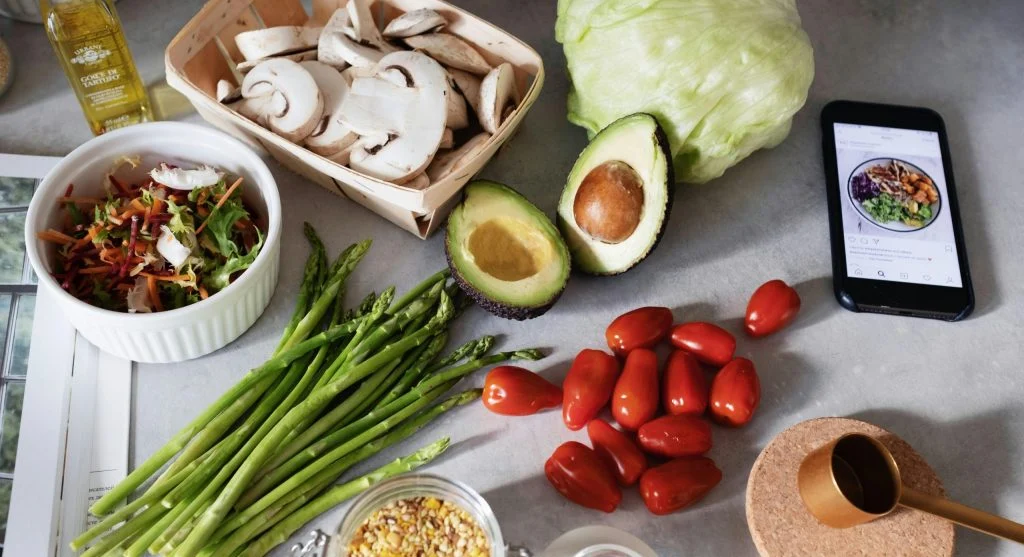
This myth creates a lot of unnecessary pressure. Convenience foods can be a very useful part of a balanced grocery list when they support easier meals. Rotisserie chicken, bagged salad, frozen vegetables, canned beans, cooked grains, yogurt cups, and soup can all make healthy eating more realistic.
Many nutrition professionals support practical convenience because it helps people build meals more consistently. Helpful shortcuts still count.
5. A good list needs every meal planned in detail
Some people assume shopping only works when every breakfast, lunch, and dinner has been decided in full. But many strong grocery lists come from a looser plan. Two or three breakfast ideas, a few lunch options, a couple of dinners, and one backup meal are often enough.
This is one of the food myths that can stop people from making any list at all. A simple plan is often more sustainable than a very detailed one.
6. Snack foods do not belong on a healthy grocery list
Snacks are often treated like extras, but they can play a useful role in the week. Yogurt, fruit, nuts, hummus, crackers, popcorn, cheese, and boiled-egg ingredients can all help support balanced eating between meals.
This is one of the more practical food myths to let go of because missing snack foods often makes the week feel harder once hunger shows up between meals.
7. A healthy list should focus on trendy foods
Many people feel pressure to fill a grocery list with foods that sound especially modern, expensive, or wellness-focused. But ordinary foods often do the most work. Eggs, oats, bananas, rice, beans, yogurt, bread, vegetables, and canned tomatoes can support many meals without needing to feel trendy.
This food myth can make grocery shopping feel more expensive and more confusing than it needs to be. Simpler foods often build the strongest routines.
8. The list only matters while shopping
A grocery list is often treated like a tool for the store only, but its real value shows up later at home. A good list helps make breakfast easier, reduces lunch stress, supports simple dinners, and keeps snacks more manageable. That is when the list truly proves whether it was useful.
This is one of the strongest food truths hiding behind grocery myths. The best list is the one that supports the week after the shopping trip ends.
9. A healthy grocery list has to be perfect to be useful
This may be the biggest myth of all. A list does not need to be perfect to help. It does not need every nutrient planned exactly or every meal fully designed. It only needs to support the next several days in a practical way that feels realistic enough to follow through on.
In everyday life, a useful grocery list is often one that makes meal choices easier, not one that looks impressive on paper.
What actually makes a grocery list helpful
A strong grocery list usually includes flexible staples, a few meal ideas, practical produce, useful proteins, and one or two snack options that support the real week ahead. It often leaves room for repetition and convenience rather than trying to control every detail.
That is what makes shopping easier and meals more manageable afterward. Practical lists often do more for balanced eating than perfect ones ever could.
Frequently Asked Questions
What are food myths about healthy grocery lists?
They are oversimplified beliefs that make grocery planning seem stricter, more perfect, or more complicated than it really needs to be.
Do healthy grocery lists need mostly fresh foods?
No. Frozen, canned, and pantry foods can still support very balanced and practical meals.
Should snack foods be part of a healthy grocery list?
Yes. Useful snacks can help support hunger between meals and make the week easier to manage overall.
Why do repeated staple foods help so much?
They reduce decision stress, simplify shopping, and make everyday meals easier to build again and again.
Key Takeaway
Food myths about healthy grocery lists often make shopping harder by turning a practical tool into a source of pressure. In reality, strong grocery lists usually rely on repeated staples, realistic meals, useful snacks, and practical convenience foods that support the week ahead. Many experts support useful routines over perfect shopping plans. In daily life, the best grocery list is often the one that feels simple, flexible, and easy to actually use.