 Eats PEI
Short afternoon breaks often seem too brief to handle real hunger effectively. A person may only have a few minutes between meetings, errands, work tasks, school pickups, or other responsibilities. Because the window is so small, snack choices can feel less important than they actually are. If something quick gets eaten, it may seem like the problem has been solved. Then, half an hour later, hunger starts creeping back, dinner still feels far away, and it becomes clear that the break never really provided the support it needed to.
Food educators often explain that the issue is not necessarily the length of the break. More often, it is the structure of the snack itself. A snack that feels complete tends to do far more for the afternoon than one that only quiets hunger temporarily. Dietitians also note that even a short break can support the rest of the day surprisingly well when the snack has enough balance, enough substance, and enough purpose to carry the gap before dinner. That is why short afternoon breaks often work better when the snack is designed to feel finished before dinner even enters the picture.
Why Short Breaks Often Lead to Weak Snack Choices
Limited time creates pressure. When a break is short, snack decisions often become reactive rather than intentional. The nearest food wins. A sweet treat gets chosen because it is convenient. A few crackers are eaten because they are already available. Fruit gets grabbed because it feels quick and healthy. While these choices make sense in the moment, they do not always create a snack that feels complete. They simply create a snack that happened quickly.
Meal routine educators often explain that rushed snack decisions usually prioritize convenience first and usefulness second. As a result, the break may feel handled temporarily while the afternoon continues demanding more support later on.
Why Feeling Finished Matters More Than Looking Healthy
A snack can appear healthy without actually feeling complete. Fruit may be fresh and nutritious. Crackers may seem practical. Yogurt may look balanced. Yet if the snack leaves a person searching for more food shortly afterward, the problem is not necessarily the quality of the foods. The problem is that the snack lacked enough structure to feel finished.
Dietitians often point out that food support is about more than checking the right nutritional boxes. It is also about helping the next few hours feel easier and more stable. A finished snack creates one clear eating moment instead of triggering several small food decisions afterward.
How Unfinished Snacks Lead to More Food Thinking
One weak snack can create more mental distraction than many people expect. The snack is eaten, work or other activities resume, and then thoughts about food return much sooner than planned. Another bite follows. Then another. Before long, the afternoon becomes a series of small food negotiations.
Food routine coaches often explain that a finished snack reduces this cycle. It may not eliminate hunger entirely, but it often lowers the sense that the afternoon still has an unresolved food problem waiting in the background.
Why One Strong Anchor Makes a Snack Feel Complete
Most simple snacks become far more useful when one stronger food acts as the foundation. Greek yogurt, boiled eggs, cheese, hummus, nuts, nut butter, beans, or another dependable option can completely change how a snack performs. Fruit can then support the snack instead of carrying it. Crackers can provide texture rather than serving as the entire solution. Vegetables can add freshness without being expected to satisfy hunger on their own.
Meal-planning educators often explain that a stronger food gives the snack a clear center. Once that center exists, the surrounding foods naturally become more effective.
Why Fruit Often Works Better as a Partner
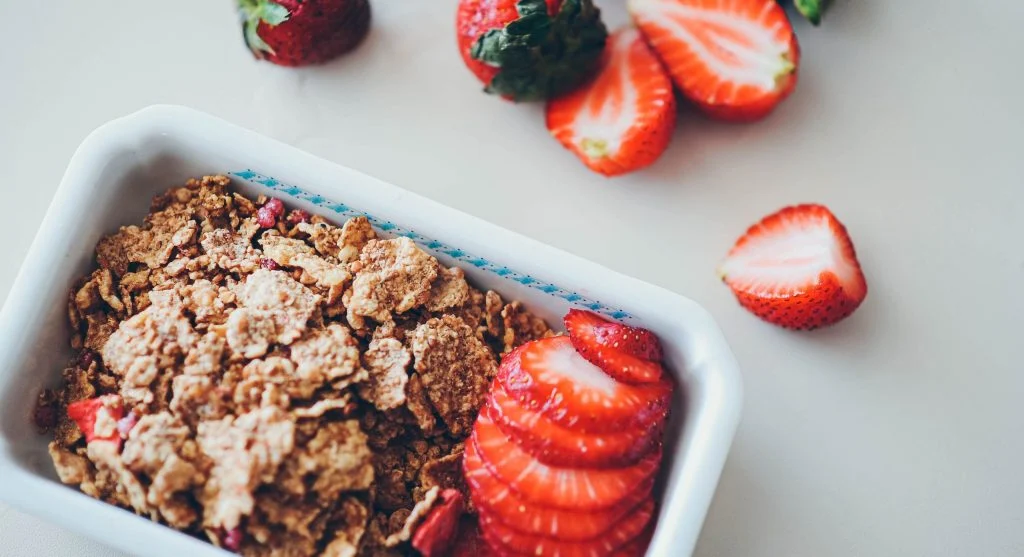
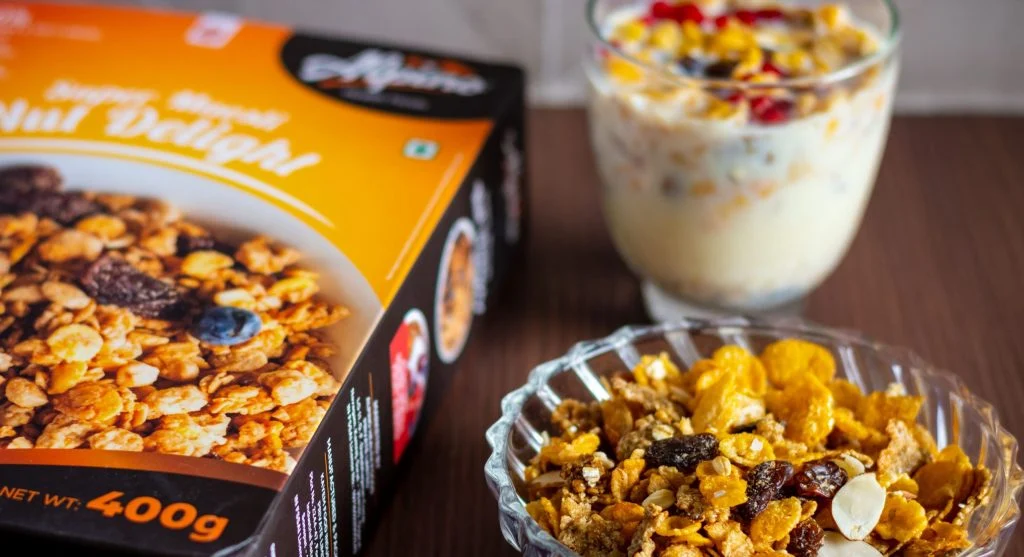
Fruit is one of the most common afternoon snacks, and for good reason. It is convenient, refreshing, and easy to enjoy. However, fruit often performs best when paired with another food rather than standing alone. Apples with peanut butter, berries with Greek yogurt, grapes with cheese, or a banana with nuts often feel much more complete than fruit by itself.
Nutrition educators frequently point out that many disappointing afternoon snacks happen because people expect a light support food to bridge a substantial gap before dinner. Fruit often becomes far more effective when it has a stronger companion beside it.
Why a More Complete Snack Often Protects Dinner
Some people worry that a stronger afternoon snack will spoil dinner. In many situations, the opposite is true. A snack that feels complete often helps people arrive at dinner in a calmer state. Instead of reaching the evening overly hungry and ready to grab whatever is fastest, they are more likely to approach dinner with steadiness and patience.
Dietitians often explain that snacks and meals work best when they support one another. A well-built afternoon snack can protect dinner by preventing the gap between meals from becoming too long and uncomfortable.
Why Snack Boxes Work So Well
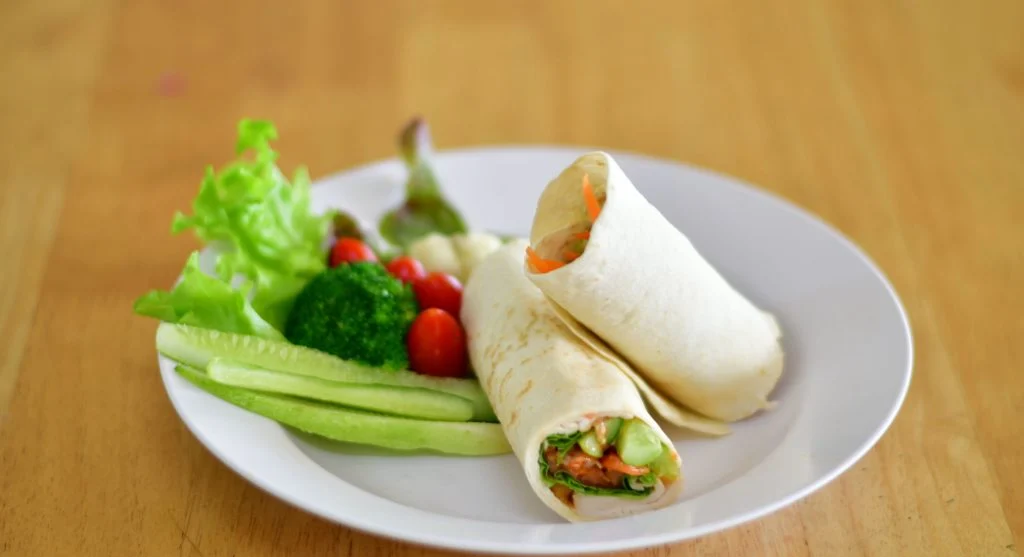
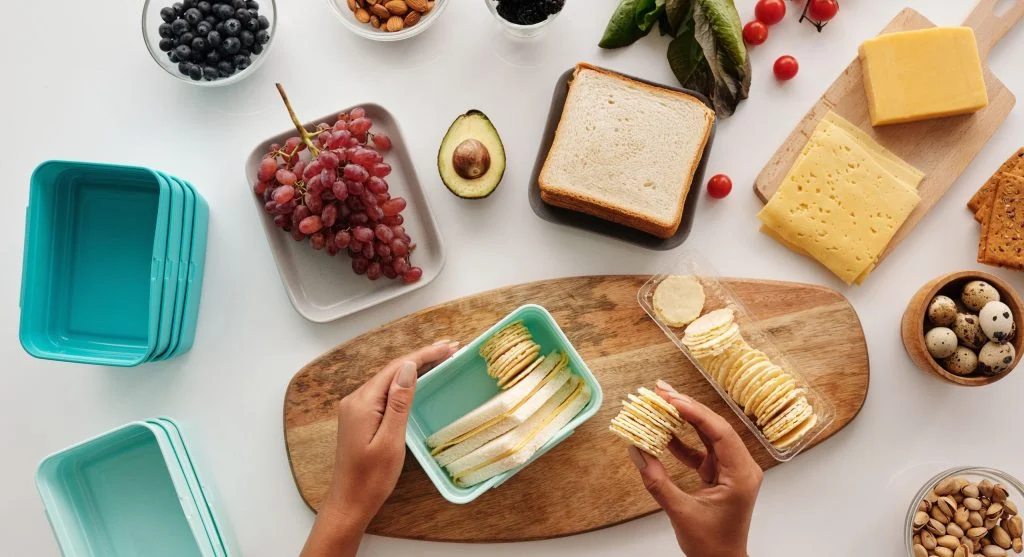
Snack boxes are a great example of a snack designed to feel complete. A simple container filled with fruit, cheese, crackers, boiled eggs, hummus, or nuts creates one clear eating moment that feels more satisfying than several unrelated snacks eaten separately. Because everything is visible at once, the snack feels intentional rather than random.
Meal-smarts educators often recommend snack boxes because they reduce effort. They are portable, easy to prepare ahead of time, and easy to rely on during busy afternoons.
Why Protein Often Makes the Biggest Difference
Protein frequently changes the way a snack feels later, even if the effect is not dramatic right away. Greek yogurt, eggs, cheese, nuts, hummus, and other protein-rich foods often help snacks last longer and make the next stretch of the day feel more manageable.
Nutrition educators often recommend protein for afternoon snacks because it can improve fullness and reduce the need for repeated food corrections later in the day. Its impact may feel subtle, but it often changes the overall rhythm of the afternoon.
Why Easy Does Not Have to Mean Tiny
Convenience is valuable, but convenience does not require a snack to be so small that it barely matters. Some of the most effective afternoon snacks remain very simple. Yogurt with fruit and nuts, cheese with crackers and grapes, hummus with vegetables and bread, or eggs paired with fruit all stay easy while providing more support than a snack that disappears almost immediately.
Food educators often explain that better eating habits come from using convenient foods more intentionally, not from abandoning convenience altogether. A snack can remain simple while still doing its job well.
How to Tell Whether a Snack Felt Finished
A useful question is not simply whether the snack was healthy or quick. It is whether the next hour or two felt easier because of it. If thoughts about food kept returning, if another snack seemed necessary almost immediately, or if the snack felt like it disappeared too quickly, it may not have been complete enough for the situation.
Meal routine educators often encourage people to judge snacks by their effect on the rest of the day. That perspective usually reveals whether the snack truly worked or simply looked like a solution in the moment.
Why Repeating Reliable Snacks Often Works Best
Many of the strongest snack habits are built on repetition. The same yogurt bowl, snack box, fruit-and-nut pairing, or boiled eggs with crackers may appear several times a week because they consistently work. Rather than being boring, that repetition often becomes a strength. It reduces decision fatigue, simplifies grocery shopping, and makes the afternoon easier to support.
Food routine coaches often support repeated snack anchors because reliable habits usually contribute more to everyday eating than constant novelty.
Frequently Asked Questions
Q: Why does a snack need to feel finished?
A: Because a finished snack usually supports the afternoon more clearly and reduces the need for repeated small food corrections later.
Q: What makes an easy snack feel more complete?
A: Often one stronger anchor food, enough total support for the time gap, and a structure that helps smaller foods work together instead of separately.
Q: Can a short afternoon break still support a useful snack?
A: Yes. A short break can still work very well when the snack is simple, prepared, and built to feel finished enough for the real gap before dinner.
Q: Will a stronger snack make dinner harder later?
A: Not necessarily. In many cases, it makes dinner easier by reducing urgent late-day hunger and making the evening feel calmer.
Key Takeaway
Short afternoon breaks often work best when the snack is built to feel finished before dinner begins. A more complete snack can reduce repeated food thinking, provide steadier support through the afternoon, and help people arrive at dinner feeling calmer and more balanced. In many cases, the most effective snack is not the largest or most elaborate one. It is simply the one that feels complete enough to carry the rest of the afternoon forward.