 Eats PEI
Simple dinner plans often seem perfectly manageable at the start of the week. A few familiar meals are planned, the grocery shopping is done, and the kitchen appears stocked with everything needed to get through several evenings. Then the middle of the week arrives. Leftovers do not stretch as far as expected, one dinner turns out lighter than planned, or a meal simply feels less satisfying than it looked on paper. That is often when the entire food routine begins to feel less stable. In many cases, the problem is not that the dinner plan was flawed. It is that there was no dependable backup protein available to strengthen a meal when it started losing momentum.
Meal-planning educators often explain that weeknight dinners become easier when there is one reliable food ready to support meals that are almost working but need a little extra help. Dietitians also note that protein is frequently the missing element in dinners that seem fine at first but do not provide enough support for the rest of the evening. That is why simple dinner plans often hold together better when one backup protein is available to step in when needed.
Why Dinner Plans Often Struggle Midweek
The middle of the week is usually when dinner plans face their biggest test. Energy levels are lower than they were at the beginning of the week, leftovers may be running low, and the kitchen often feels less flexible than it did right after grocery shopping. At that point, meals that seemed easy during planning can start to feel incomplete. A soup may need something more substantial. A rice bowl may feel too light. A vegetable-based dinner may need additional support.
Food routine coaches often explain that these are exactly the moments when backup foods become valuable. Most dinner plans do not fall apart all at once. They weaken gradually, and a backup protein can often solve those small problems before they turn into bigger ones.
Why a Backup Protein Often Works Better Than a Backup Meal
Having a backup meal available can be helpful, but it is not always the most practical solution once dinner is already underway. If soup, pasta, rice, vegetables, or bread are already on the table, few people want to abandon the meal and start over from scratch. A backup protein works differently. Instead of replacing the meal, it strengthens what is already there.
Meal-smarts educators often explain that the most effective food systems help meals recover rather than forcing cooks to begin again. A backup protein does exactly that by adding support without creating an entirely new cooking project.
How Protein Strengthens a Meal That Already Looks Complete
Many dinners have enough flavor, color, and side dishes to appear complete at first glance. What they may lack is enough substance to support the evening well. This is often where protein makes a meaningful difference. Eggs, beans, Greek yogurt, chicken, tuna, lentils, tofu, cottage cheese, or other familiar protein sources can transform a meal that feels slightly weak into one that feels much more satisfying without changing its overall character.
Dietitians often explain that protein contributes not only to fullness but also to giving a meal a stronger center. The dinner may not need additional variety. It may simply need one food that helps carry more of the meal’s workload.
Why One Reliable Protein Is Better Than Several Uncertain Ones
Some kitchens contain multiple protein options, yet none of them are practical enough to solve dinner problems quickly. The most effective backup protein is usually one that is easy to use, easy to trust, and flexible enough to fit different meals. Boiled eggs, canned beans, cooked chicken, Greek yogurt, or another dependable option often provides more value than several ingredients that require extra preparation.
Cooking educators often recommend prioritizing reliability over variety. A backup food only helps if people are willing to use it when they are tired and short on time.
Why Eggs Are One of the Strongest Backup Proteins
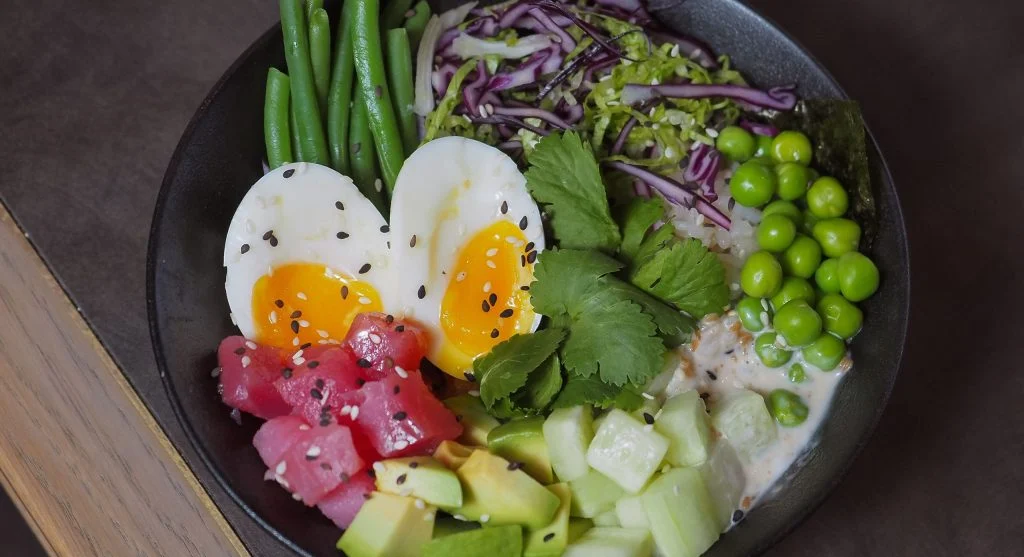
Eggs are among the most useful backup proteins because they cook quickly, fit naturally into many different meals, and can strengthen both lighter and more substantial dinners. They pair well with rice, vegetables, soups, potatoes, toast, and simple plates built from leftovers. Best of all, they require very little energy or planning.
Meal-planning educators frequently recommend eggs because they can solve dinner problems quickly. When a meal needs a stronger foundation, eggs often provide it with minimal effort and cleanup.
Why Beans Make Simple Dinners More Dependable
Beans are another excellent backup protein because they fit into a wide range of meal styles. A soup can become more substantial with the addition of beans. Rice and vegetables can turn into a more complete bowl. Wraps can feel more satisfying. Even pasta-based dinners can benefit from an added protein component.
Nutrition educators often support beans because they provide both protein and fiber while remaining affordable, versatile, and easy to store. These qualities make them especially valuable during busy weeks.
Why Greek Yogurt and Cottage Cheese Work Better Than Expected
Greek yogurt and cottage cheese are often associated with breakfast, but they can also be surprisingly useful at dinner. Greek yogurt can serve as a sauce, side dish, or cooling element alongside rice, vegetables, potatoes, or eggs. Cottage cheese can strengthen lighter meals without requiring any cooking at all.
Food educators often explain that the usefulness of a food depends more on the role it plays than the meal category it belongs to. A food commonly eaten at breakfast can still provide excellent support at dinner if it fills a gap in the meal.
Why Backup Proteins Help Leftovers Stay Useful
Leftovers often begin the week with plenty of potential but feel less substantial by the time they are revisited. A bowl of leftover soup, pasta, rice, or vegetables may still be worth eating, but it may not feel like enough on its own. Adding a backup protein can give leftovers the extra support they need to function as a complete dinner again.
Meal routine coaches often explain that households that use leftovers effectively tend to rely on support foods. A backup protein is one of the most valuable support foods because it helps yesterday’s meal continue working today.
How This Habit Can Reduce Evening Snacking
One of the quieter benefits of a stronger dinner is that the evening often feels calmer afterward. When dinner is too light, snacking later in the night can become more reactive than intentional. A backup protein can help prevent that by giving the meal enough support to carry more of the evening.
Dietitians often note that the best dinner support foods do more than improve what is on the plate. They also influence what happens after the meal is over.
Why This Habit Can Improve Grocery Shopping
Once a household decides to keep one backup protein available, grocery shopping often becomes simpler. Eggs, beans, yogurt, tofu, chicken, tuna, or another reliable protein can be added to the cart before the rest of the week becomes complicated. That one decision can quietly strengthen multiple dinners later on, particularly during the busiest and most tiring days of the week.
Shopping educators often explain that the strongest grocery plans include not only ingredients for meals but also ingredients for recovery. Backup proteins often serve exactly that purpose.
How to Choose the Right Backup Protein
The best backup protein usually depends on the types of meals that appear most often during the week. Households that rely on bowls, rice dishes, or vegetable-focused meals may benefit most from eggs or beans. Those that need a cool, versatile addition may prefer Greek yogurt. Families that frequently use leftovers may find cooked chicken or tuna especially helpful.
Meal-planning coaches often recommend choosing support foods based on real-life challenges rather than ideal meal plans. That practical approach usually makes the food far more useful when it is actually needed.
Frequently Asked Questions
Q: Why does one backup protein help dinner plans so much?
A: Because it can strengthen meals that are close to working without forcing the cook to replace the whole dinner or start again from scratch.
Q: What foods work well as a backup protein?
A: Eggs, beans, Greek yogurt, cottage cheese, cooked chicken, tuna, tofu, or another flexible protein that can fit several dinner styles.
Q: Does a backup protein need to become the main dinner every time?
A: No. Sometimes it becomes the center, and sometimes it simply supports the meal enough to make dinner feel more complete.
Q: Can this habit help with leftovers too?
A: Yes. A backup protein often helps leftovers feel more useful by giving them the extra strength they need to still work as dinner.
Key Takeaway
Simple dinner plans often work better when one dependable backup protein is available to support meals that start feeling weaker during the week. A reliable protein can strengthen leftovers, improve lighter dinners, and make busy evenings easier to manage without requiring a completely new meal. In many cases, the strongest dinner plan is not the one that predicts every challenge perfectly. It is the one that keeps a useful support food ready when the week does not go exactly as planned.