 Eats PEI
Simple breakfasts often seem perfectly adequate at first. A slice of toast, some fruit, a cup of yogurt, or a small bowl of cereal can all feel like enough to start the day. Then the morning moves on, hunger shows up sooner than expected, and breakfast suddenly feels much lighter in hindsight than it did while eating it. In many situations, the foods themselves are not the issue. The real problem is that the meal never had a strong enough centerpiece to hold everything together.
Food educators often explain that breakfast tends to work better when one reliable food provides structure to the meal. That stronger food does not need to make breakfast heavy or complicated. It simply needs to make the meal steady enough to carry someone through the next few hours. This is why simple breakfasts often feel more satisfying when one substantial food prevents the morning from starting off too lightly.
Why Breakfast Can Look Complete Without Feeling Satisfying Later
People often judge breakfast by how it looks rather than by how well it performs over the course of the morning. A plate may contain several foods and still fail to provide enough support for the hours ahead. Fruit may seem fresh and nutritious. Toast may appear practical. Yogurt may look balanced. But if none of those foods serves as the meal’s anchor, breakfast may only hold off hunger briefly before the body starts asking for more.
Dietitians frequently note that breakfast satisfaction is about more than visual balance. It also depends on whether the meal has enough structure to comfortably bridge the gap until the next real eating opportunity.
Why Mornings Often Need a Stronger Center Than People Realize
Many mornings demand more from breakfast than people expect. Commuting, work responsibilities, school drop-offs, errands, or simply a long wait before lunch can all place extra demands on the first meal of the day. Under those circumstances, a breakfast that feels fine for a few minutes may still be too light for what the morning actually requires.
Meal routine educators often explain that breakfast should be built around the reality of the morning ahead, not just around what feels pleasant in the moment. That is one reason a stronger food can have such a noticeable impact on the entire meal.
How One Strong Food Changes the Rest of the Breakfast Plate
A substantial breakfast food often helps the smaller items on the plate take on a more supportive role. Fruit can complement the meal instead of trying to carry it. Toast can become a side rather than the main attraction. Yogurt often becomes more effective when paired with eggs or oats instead of serving as the entire breakfast. Once there is a dependable centerpiece, the rest of the meal tends to feel far more complete without requiring major adjustments.
Meal-planning coaches often explain that smaller breakfast foods work best when they support something substantial enough to hold the meal together.
Why Eggs Often Work Well as a Breakfast Anchor
Eggs remain one of the strongest breakfast choices because they cook quickly, pair easily with simple sides, and often provide enough protein to help breakfast feel more satisfying throughout the morning. Eggs served with toast and fruit, paired with potatoes, or accompanied by yogurt and vegetables can all create practical breakfasts without adding unnecessary complexity.
Nutrition educators often recommend eggs because they are versatile, familiar, and easy to fit into both relaxed and busy mornings. For many households, they are one of the simplest ways to prevent breakfast from feeling too light too early in the day.

Why Oats Often Feel More Substantial Than Expected
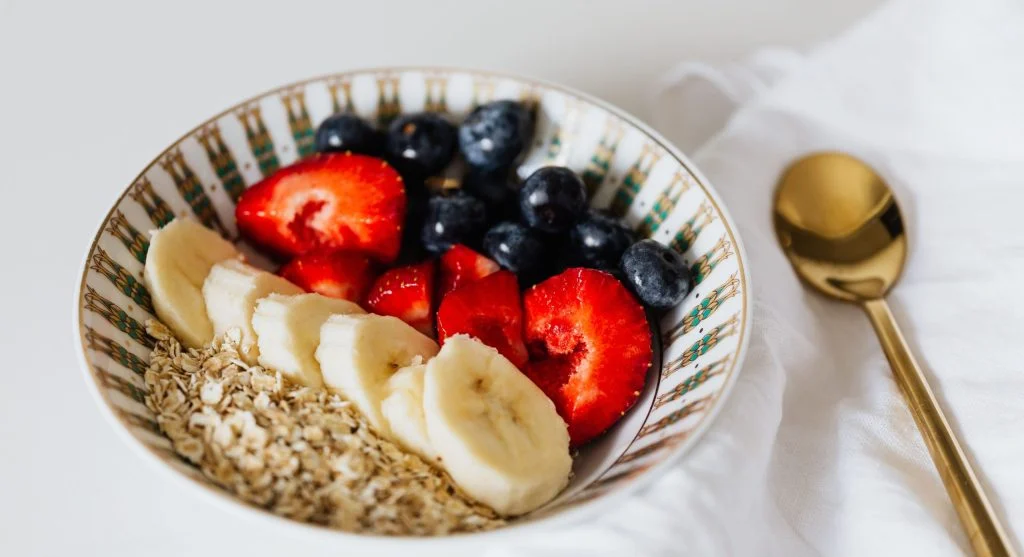
Oats are another food that frequently provides more support than people anticipate because they create a clear foundation for the meal. Fruit, nuts, seeds, yogurt, and milk all pair naturally with oats, helping create a breakfast that feels much more grounded than a collection of separate small foods. Oats are also convenient because they can be enjoyed warm, cold, or prepared ahead of time.
Food educators often point out that breakfasts become more useful when one food gives the meal a clear shape. Oats do this especially well because they combine structure with flexibility.
Why Greek Yogurt Can Be Strong Enough When It Becomes the Center
Greek yogurt is a good example of how the role of a food can change its impact. A small serving of yogurt on the side may not always be enough to support the morning. However, when Greek yogurt becomes the centerpiece of breakfast and is paired with fruit, oats, and nuts, it often feels like an entirely different meal. In that position, it serves as the anchor rather than just another item on the plate.
Dietitians often explain that breakfast foods are not defined solely by their category. Their role within the meal matters too. A food often becomes much more effective when it anchors the breakfast rather than sitting around the edges of it.
Why Toast Often Benefits From Stronger Support
Toast is one of the most common breakfast foods because it is quick, familiar, and convenient. However, it usually performs better when it is not expected to carry the entire meal on its own. Pairing toast with eggs, nut butter, cottage cheese, yogurt, or fruit can make a significant difference. The toast still has a place at the table, but it no longer has to do more than it was meant to do.
Meal-smarts educators often note that many unsatisfying breakfasts are not necessarily bad breakfasts. They simply lack a stronger food that can take the lead and provide structure.
How a Stronger Breakfast Can Reduce Morning Food Drift
When breakfast is too light, the rest of the morning often becomes filled with small attempts to compensate. A sweet snack, an extra cup of coffee, a quick grab-and-go item, or random bites throughout the morning may appear because breakfast never fully met the day’s early needs. A stronger breakfast often helps reduce this pattern because it does more of its job from the start.
Nutrition educators frequently explain that a well-built breakfast can make several later food decisions easier simply by preventing the morning from beginning in an underfed state.
Why One Strong Food Often Helps More Than Several Small Additions
Some people try to improve breakfast by adding more small foods around the edges of the plate. In practice, this often creates a meal that looks fuller without actually making it stronger. One true anchor usually contributes more than several light additions. Breakfast may not need greater variety. It may simply need one dependable food substantial enough to organize the rest of the meal.
Food routine coaches often recommend strengthening breakfast from the center outward rather than focusing on extra additions. This approach usually creates a steadier meal with less effort.
How to Tell If Breakfast Needed a Stronger Center
One useful question is not whether breakfast looked healthy but whether it made the next few hours easier. If hunger returned quickly, snacks became necessary too early, or the morning seemed filled with extra food decisions, breakfast may have lacked a strong enough center. In many cases, the meal was already close to working well. It simply needed one food substantial enough to hold everything together.
Meal educators often encourage people to judge breakfast by what happens afterward rather than by how it looked when it was served. That perspective often reveals how effective the meal really was.
Why Repeating Strong Breakfasts Often Works Best
One of the quiet strengths of breakfast is that consistency often works in its favor. Eggs several times a week, a dependable bowl of oats, or Greek yogurt as a regular centerpiece can reduce decision fatigue and make mornings easier to manage. Rather than being a drawback, that repetition can be beneficial because it creates a reliable routine on busy days.
Food routine educators often support repeating trusted breakfast anchors because they reduce friction and help create a steadier start to the day.
Frequently Asked Questions
Q: Why does one strong food help simple breakfasts so much?
A: Because it gives the meal a clear center and makes the rest of breakfast feel more supportive instead of too light or scattered.
Q: What foods work well as a strong breakfast center?
A: Eggs, oats, Greek yogurt, or another reliable food that can anchor the meal and help it carry the morning more steadily.
Q: Does this mean smaller breakfast foods do not matter?
A: No. Fruit, toast, nuts, and other lighter foods still matter, but they usually work better when one stronger food is already holding the meal together.
Q: How can someone tell if breakfast was too light?
A: Often the rest of the morning shows it through early hunger, repeated snacking, or a feeling that breakfast never fully settled the day.
Key Takeaway
Simple breakfasts often work better when one substantial food serves as the center of the meal. A reliable breakfast anchor can make smaller foods more supportive, reduce early-morning food drift, and help the next few hours feel more stable. In many cases, improving breakfast is not about adding more variety. It is simply about including one dependable food strong enough to support the rest of the meal.