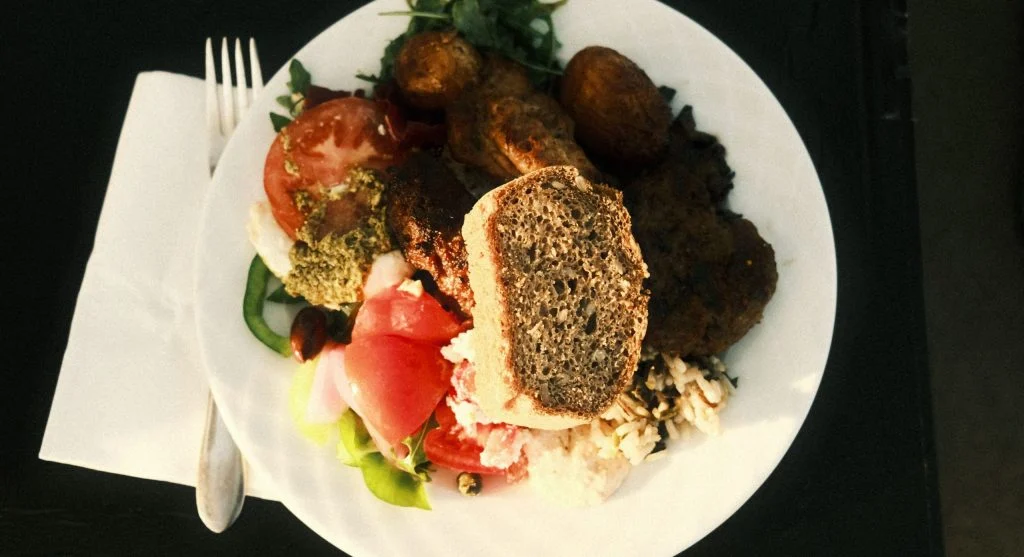
 Darren LeBlanc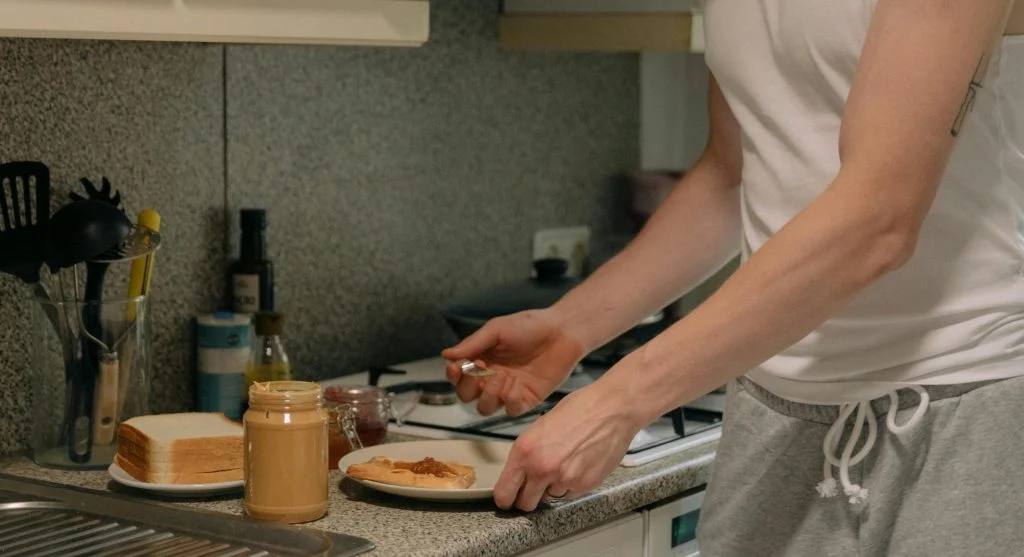
Why weeknight cooking often feels overwhelming
By the time dinner begins, many people have already made dozens of decisions during the day. When cooking also requires planning, chopping, seasoning, and cleanup all at once, even simple meals can feel like too much.
Smart cooking shortcuts help reduce that load. The best ones save time without making meals feel less useful. In many homes, small adjustments in the kitchen routine can have a bigger effect than learning complex recipes.
1. Use pre-cooked or quick-cooking proteins
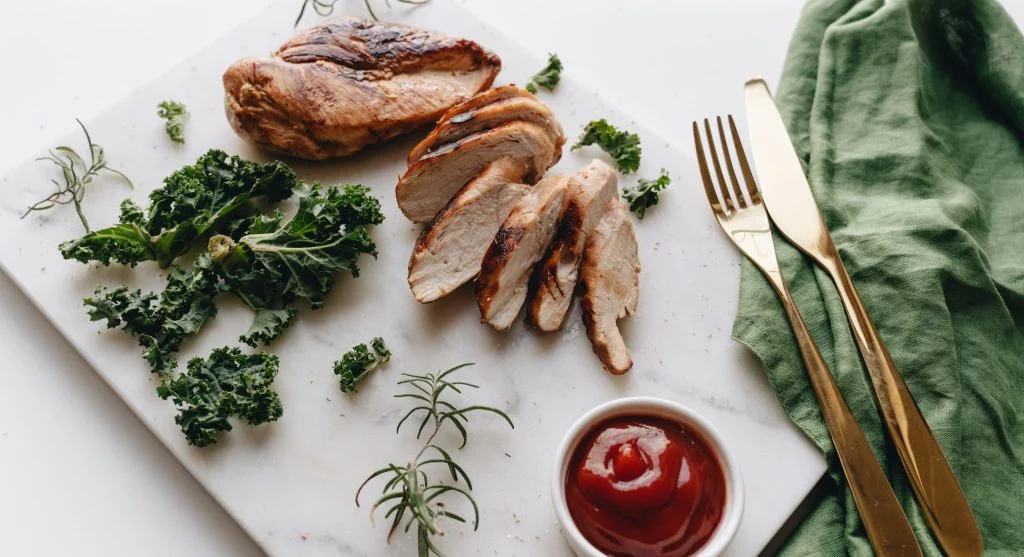
Protein often takes the most time to prepare, which is why this is one of the most helpful smart cooking shortcuts. Rotisserie chicken, canned tuna, cooked lentils, boiled eggs, tofu, or quick-cooking fish can all make dinner faster.
These foods reduce the amount of time spent waiting for the main part of the meal. They also make it easier to build balanced dinners when energy is low.
2. Keep one grain or starch ready in advance
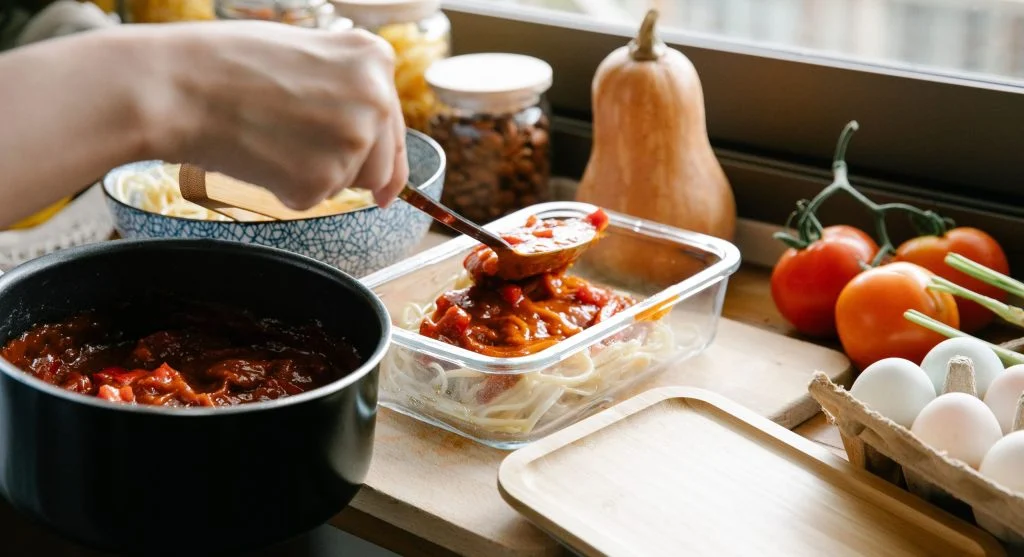
Cooked rice, pasta, potatoes, or quinoa can help meals come together much faster. When one base food is already prepared, dinner often becomes a matter of adding vegetables, protein, and flavor instead of waiting for everything to cook from the beginning.
This is one of the most useful smart cooking habits for busy households because it supports many different kinds of meals through the week.
3. Let frozen vegetables do more of the work
Frozen vegetables save time, reduce waste, and remove several prep steps at once. They can be added directly to stir-fries, soups, grain bowls, pasta dishes, and quick side meals. For many people, that makes them one of the strongest weeknight staples available.
Public health nutrition advice often supports frozen produce as a practical way to keep vegetables in regular meals. That is exactly what makes this one of the smartest cooking shortcuts around.
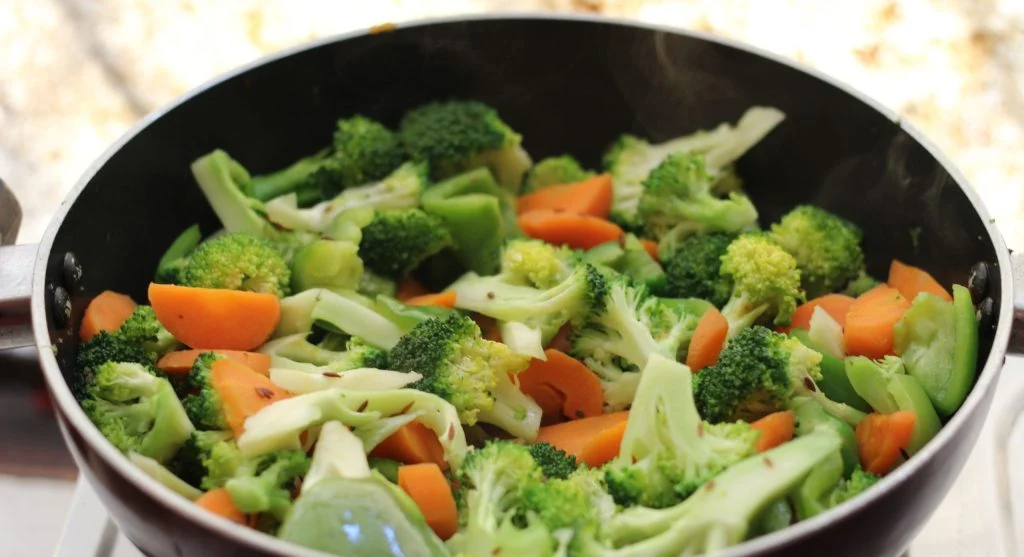
4. Build dinners from parts instead of recipes
Not every dinner needs a formal recipe. One of the best smart cooking shortcuts is to use a simple structure: protein, vegetables, a grain or starch, and something for flavor. This makes it easier to work with what is already available at home.
For example, cooked rice, canned beans, frozen vegetables, and salsa can become dinner. So can pasta, tuna, peas, and tomato sauce. This approach reduces decision fatigue and saves time.
5. Use one pan, one tray, or one pot when possible
Cooking feels easier when cleanup stays manageable. Sheet-pan meals, simple soups, pasta dishes, and stir-fries are useful because they cut down on both dishes and cooking steps. This makes the whole dinner process feel lighter.
Many people are more willing to cook when they know the kitchen will not be a mess afterward. That is why this remains one of the most practical smart cooking shortcuts.
6. Keep a few flavor boosters ready
Simple meals are easier to repeat when they still taste good. Yogurt sauce, lemon juice, garlic, herbs, salsa, olive oil, soy sauce, or a mild spice blend can make basic foods feel much more complete without adding much work.
This shortcut matters because flavor often determines whether people want to cook again tomorrow. Smart cooking works best when fast meals still feel enjoyable.
7. Chop one or two ingredients ahead of time
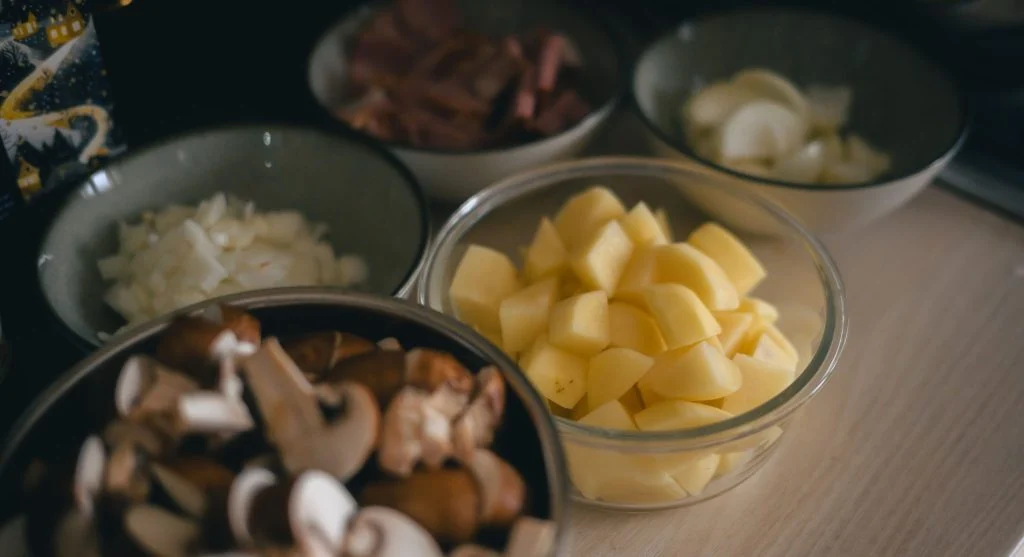
Meal prep does not need to mean preparing everything for the week. Even chopping onions, washing greens, or slicing peppers ahead of time can remove enough effort to make cooking feel easier later. Small prep tasks can create a noticeable change in how fast dinner comes together.
This is one of those smart cooking shortcuts that seems minor but often makes weeknight meals feel much less stressful.
8. Keep one backup dinner ready at all times
Every kitchen benefits from having one meal that can be made quickly with very little thought. Eggs on toast, soup with a sandwich, pasta with tuna and peas, or rice with beans and frozen vegetables are all strong examples.
These meals are not meant to be exciting. They are meant to be dependable. Many nutrition professionals support backup meals because they help people stay consistent when the day has been especially busy.
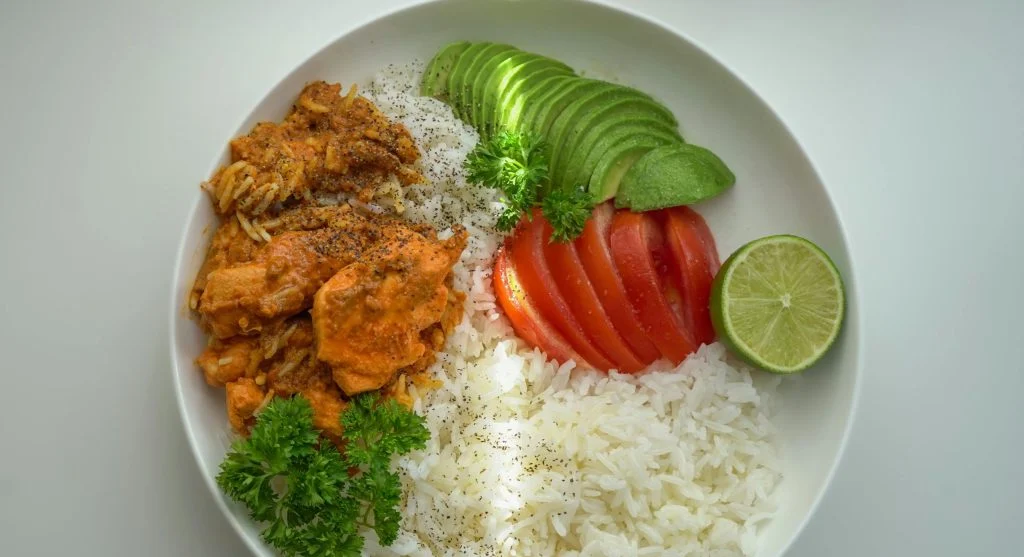
9. Cook once with tomorrow in mind
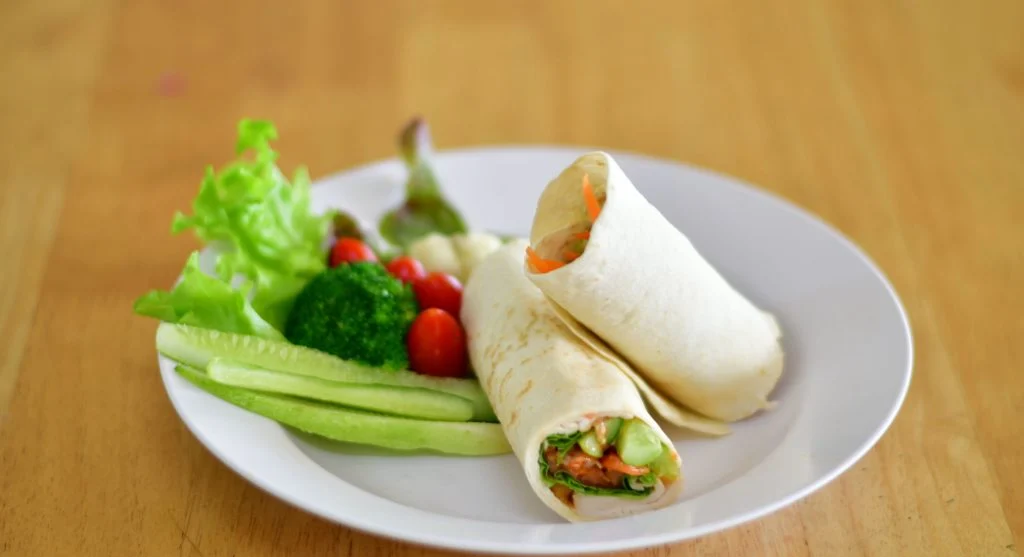
One of the smartest weeknight habits is making a little extra food on purpose. Extra chicken can become lunch wraps. Extra rice can become fried rice. Extra vegetables can be added to eggs or soup the next day.
This is one of the best smart cooking shortcuts because it turns one effort into more than one useful meal. It also helps make the next day easier before it even begins.
10. Stop expecting every dinner to be impressive
Some of the hardest weeknight cooking pressure comes from the idea that dinner should be creative, fresh, and fully homemade every time. In reality, a useful dinner can still be simple, repetitive, and partly built from convenience foods.
Experts often support consistency over perfection. Smart cooking shortcuts are most effective when they help meals happen on ordinary days, not only on highly organized ones.
Simple dinner combinations that use smart shortcuts
Dinner idea 1
Cooked rice, rotisserie chicken, frozen vegetables, and yogurt sauce.
Dinner idea 2
Pasta with tuna, peas, tomato sauce, and a side salad.
Dinner idea 3
Boiled potatoes, eggs, roasted vegetables, and salsa.
Dinner idea 4
Rice bowl with beans, corn, avocado, and chopped peppers.
Frequently Asked Questions
What are smart cooking shortcuts?
They are practical kitchen habits and ingredient choices that make cooking faster and easier without making meals less useful.
Do shortcuts still count as home cooking?
Yes. Helpful shortcuts can still support balanced meals and make home cooking more realistic on busy days.
Are frozen vegetables a good shortcut?
Yes. They are practical, easy to store, and helpful for reducing prep time during the week.
Why are backup dinners important?
They make it easier to handle hectic evenings without depending only on takeout or random snacks.
Key Takeaway
Smart cooking shortcuts can make weeknight meals much faster by reducing the number of steps required to get dinner on the table. Useful proteins, prepared grains, frozen vegetables, simple flavor boosters, and dependable backup meals can all support a calmer and more practical routine. Many experts support realistic kitchen systems over perfect meal plans. In everyday life, the best shortcuts are the ones that make balanced meals easier to repeat.

 Eats PEI