 Darren LeBlanc
Food truths can make comfort meals feel much less confusing. Many people assume comfort food and balanced eating belong on opposite sides, but that is not always true. In daily life, warm and familiar meals can still fit into practical eating patterns that support fullness, energy, and better meal structure.
Comfort meals often matter most on busy, tiring, or emotionally heavy days. That is exactly why it helps to understand what actually makes them feel more balanced. These food truths can help people enjoy comfort meals without turning them into a source of stress or all-or-nothing thinking.
Why comfort meals get judged too quickly
Comfort foods are often talked about as if they are automatically unhealthy or outside the idea of better eating. But most meals are not defined by one label alone. What matters more is the full plate, the portion, the balance of the meal, and how that food fits into the rest of the day.
This is why food truths are useful here. They make it easier to think about comfort meals in a more practical and less dramatic way.
1. Comfort food does not have to mean an unbalanced meal
One of the most important food truths is that comfort meals can still include useful meal structure. A bowl of soup with toast and fruit can feel comforting and balanced. Pasta with vegetables and protein can feel comforting too. So can rice, beans, and roasted vegetables.
This matters because many people assume comfort automatically means excess or poor quality. In real life, comfort and balance often work well together.
2. Warm foods often feel more satisfying for good reason
Warm meals can feel more calming and complete, especially on colder days or during stressful weeks. That does not make them nutritionally better or worse by default, but it can explain why they feel more satisfying and emotionally supportive.
This is one of the food truths that helps people understand why they return to soups, oats, pasta, toast, or rice bowls when they need something steady and familiar.
3. A simple addition can change the whole meal
Comfort meals often feel more balanced with only one or two small additions. Soup becomes more useful with bread and fruit. Pasta becomes more complete with beans, tuna, or vegetables. Toast-based meals may work better with eggs or yogurt on the side.
This is one of the most practical food truths because it shows that better balance does not always require a full meal redesign. Sometimes a small change does enough.

4. Carbohydrates are often part of what makes comfort meals work
Rice, pasta, bread, oats, and potatoes often appear in comfort meals because they are familiar, filling, and easy to pair with many foods. This does not make them a problem. In many cases, they are part of what helps the meal feel satisfying.
One useful food truth is that carbohydrates are often more helpful when paired with protein, vegetables, or a practical side, rather than judged in isolation.
5. Protein often makes comforting meals feel more complete
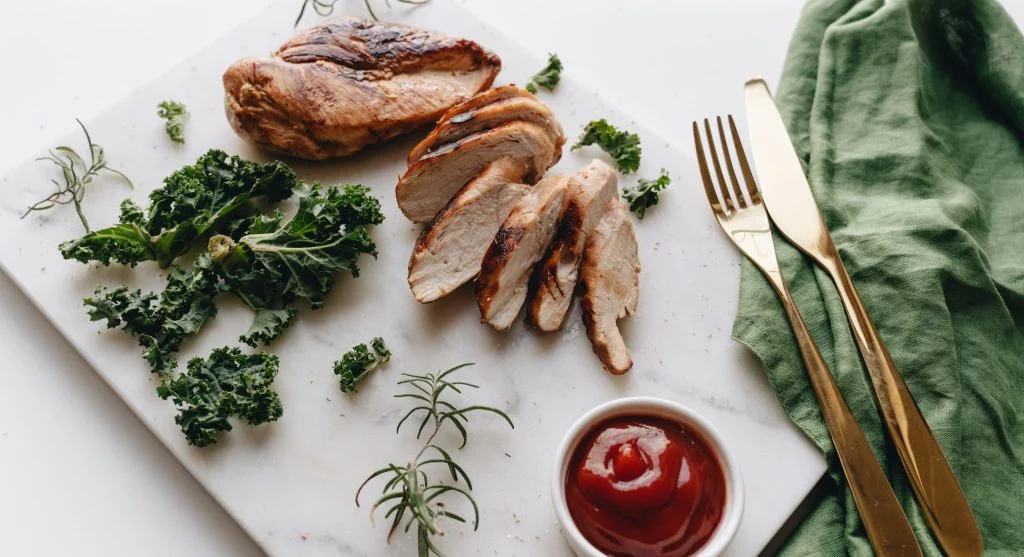
Protein can help a comfort meal last longer and feel more balanced. Eggs, beans, chicken, lentils, tofu, yogurt-based sauces, tuna, or cottage cheese can all fit naturally into soft, warm, or familiar meals.
Many nutrition professionals support this kind of balance because it can improve fullness without changing the comforting feel of the meal too much.
6. Repeating comfort meals is not a bad habit by itself
Some people think that repeating the same warm and familiar meals means they are not eating well. In reality, repetition often makes eating easier. Oatmeal, soup, rice bowls, eggs on toast, or pasta with vegetables can all appear often without becoming a problem.
This is one of the food truths that helps reduce unnecessary guilt. Familiar meals often support people very well, especially during stressful or busy weeks.
7. Convenience can still belong in comfort meals
Canned soup, frozen vegetables, cooked rice, tomato sauce, rotisserie chicken, and canned beans can all help create comforting meals with less effort. Helpful convenience foods often make it more realistic to prepare a warm meal instead of skipping structure completely.
This is one of the most practical food truths because many comfort meals happen on days when energy is already low. Easier food can still be useful food.
8. Comfort meals fit better when the whole day is considered
A rich or warm meal may fit very differently depending on what the rest of the day looked like. A lighter breakfast may make a heavier lunch feel fine. A late dinner may mean an afternoon snack was important. Looking at the full day often helps comfort meals feel more reasonable and less emotionally loaded.
This bigger-picture view is one of the most useful food truths in everyday eating. It lowers pressure around any one meal.

9. The most balanced comfort meal is often the one that feels realistic
One final food truth is that useful meals are not always the most impressive ones. A realistic comfort meal that includes a little structure and can be repeated on tiring days is often more valuable than a perfect meal idea that feels too hard to make.
In everyday life, balanced eating often depends on meals that are practical enough to actually happen. Comfort meals can be part of that routine very easily.
Simple comfort meals that reflect these food truths
Meal idea 1
Tomato soup with whole-grain toast and fruit.
Meal idea 2
Pasta with peas, tuna, and tomato sauce.
Meal idea 3
Oatmeal with banana, nut butter, and yogurt.
Meal idea 4
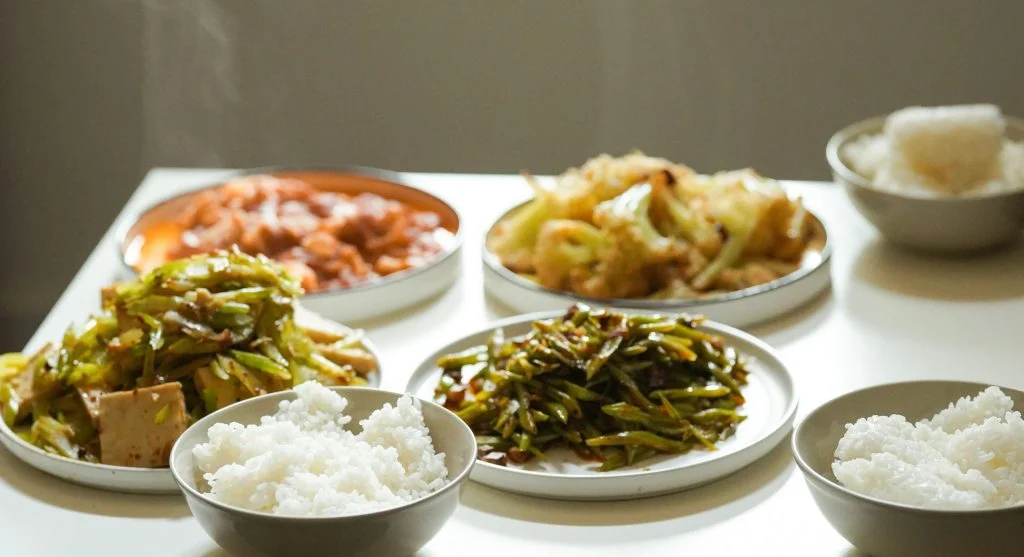
Rice bowl with beans, vegetables, and a yogurt-based sauce.
Frequently Asked Questions
What are food truths about comfort meals?
They are practical ideas that help people see how comforting foods can still fit into balanced eating routines.
Can comfort food still be balanced?
Yes. Comfort meals can still feel balanced when they include useful meal structure and a few practical additions.
Do comforting meals always need to be homemade?
No. Helpful convenience foods can still support warm and balanced meals with much less effort.
Why do people repeat comfort meals so often?
They are often repeated because they feel familiar, satisfying, easy to prepare, and emotionally supportive on busy or tiring days.
Key Takeaway
Food truths can make comfort meals feel much easier to understand by showing that warmth, familiarity, and balance can exist together. A few simple additions, practical ingredients, and a full-day view often make comfort meals feel more useful without taking away what makes them appealing. Many experts support realistic food routines over strict food labels. In daily life, the best comfort meal is often the one that feels soothing, balanced, and easy enough to repeat.


 Eats PEI