 Darren LeBlanc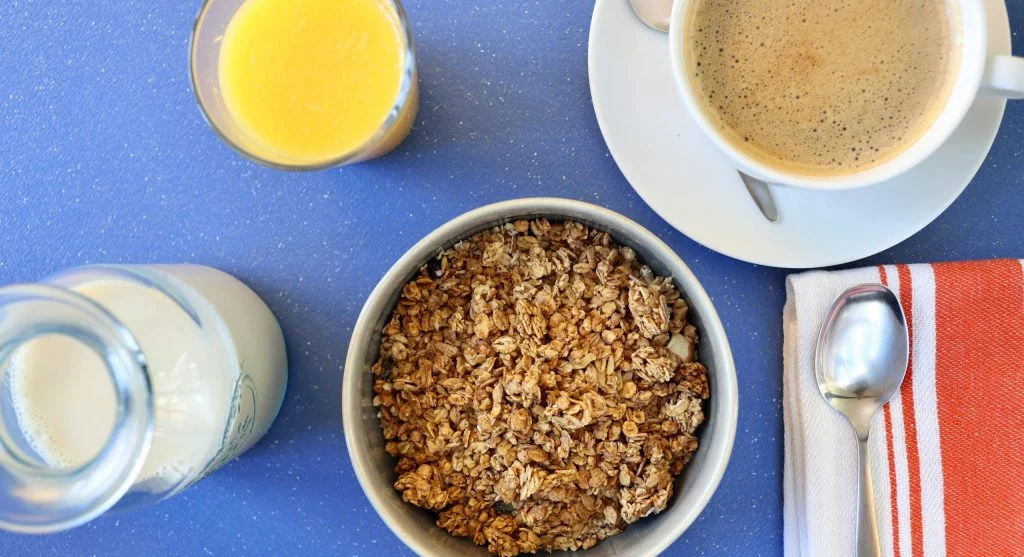
Credit: Jane T D. / Pexels
4. Sweet breakfasts are not always the problem
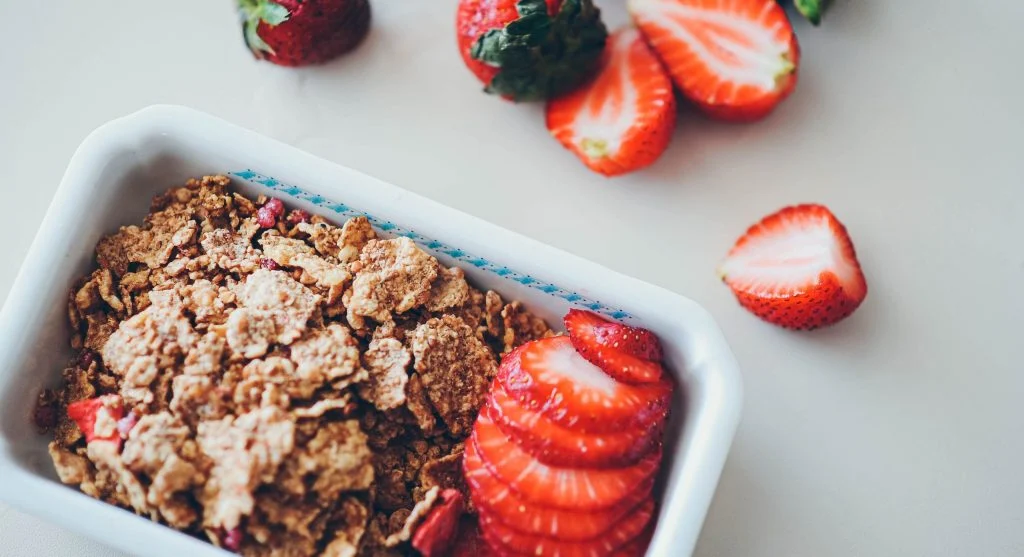
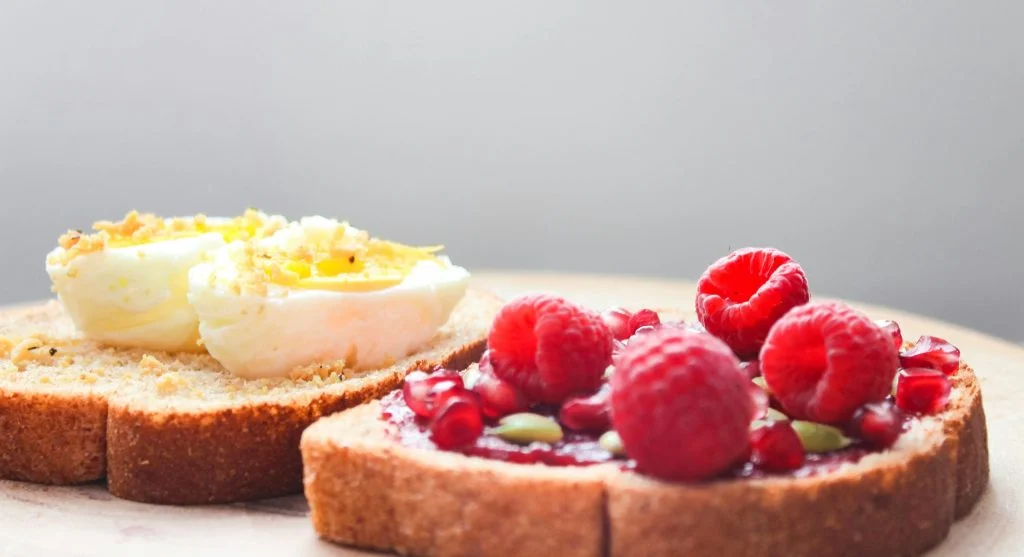
Sweet breakfasts are often judged too quickly. Fruit, oats, yogurt, toast, and even some cereals can fit into a useful morning meal. The real issue is usually whether the meal has enough balance to last through the morning.
This is one of the more practical food truths because it moves the conversation away from judging sweetness alone and toward looking at the full meal instead.
5. Breakfast timing does not need to be the same for everyone
Some people wake up hungry and want breakfast right away. Others need more time before eating feels comfortable. Both situations can be normal. Breakfast timing often depends on schedule, appetite, sleep, and the rest of the day’s routine.
Food truths often remind people that a useful breakfast is about what supports them best, not about following one universal time rule.
6. No-cook breakfasts can still be balanced
Another useful food truth is that breakfast does not need to be cooked from scratch to be worthwhile. Greek yogurt bowls, overnight oats, cottage cheese with fruit, smoothies, and toast with nut butter can all provide useful structure with less effort.
This matters because many people assume balanced breakfasts must take time. In reality, no-cook options can be some of the easiest breakfasts to repeat on weekdays.
7. Repeating breakfasts is often helpful, not boring
People sometimes feel pressure to create a different breakfast every day, but repetition often makes mornings easier. Oats several times a week, eggs on certain days, and yogurt bowls on others can help reduce planning stress and simplify grocery shopping.
Experts often support repeatable routines because they are easier to maintain. This is one of the food truths that can make morning choices feel much simpler.
8. A breakfast can be useful even if it is eaten on the go
Some mornings do not allow time for a slow sit-down meal. That does not mean breakfast has no value unless it is eaten at home. A smoothie, boiled eggs, yogurt, fruit, or a toast sandwich can still support better eating when the morning is rushed.
This is one of the food truths that helps people work with their schedule instead of giving up on breakfast completely when time is tight.

Credit: RDNE Stock project / Pexels
9. The best breakfast is often the one that supports the next few hours
One of the strongest food truths about breakfast is that its value usually shows up in what happens afterward. Does it help support focus? Does it reduce mid-morning hunger? Does it make random snacking less likely before lunch?
These questions are often more useful than trying to define a perfect breakfast. In daily life, breakfast choices are most helpful when they make the morning easier to manage.
Simple breakfasts that reflect these food truths
Breakfast idea 1
Greek yogurt with oats, berries, and seeds.
Breakfast idea 2
Eggs with whole-grain toast and fruit.
Breakfast idea 3
Overnight oats with milk, banana, and nut butter.
Breakfast idea 4
Smoothie with yogurt, berries, oats, and milk.
Frequently Asked Questions
What are food truths about breakfast?
They are simple, practical ideas that help people focus on what actually supports a useful morning meal.
Does breakfast need to be big?
No. A breakfast can still be very useful even if it is smaller, as long as it feels balanced enough to support the morning.
Can quick breakfasts still be healthy?
Yes. Quick breakfasts can still be balanced when they include practical foods like yogurt, eggs, oats, fruit, or whole grains.
Why do repeated breakfasts often work well?
They reduce decision stress, simplify grocery shopping, and make it easier to build a routine that lasts.

 Eats PEI