 Darren LeBlanc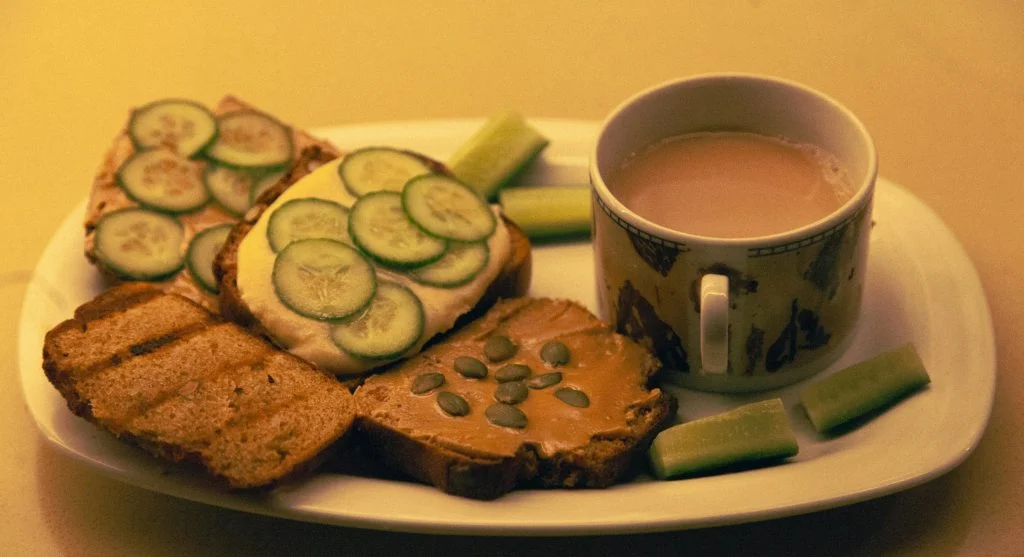
Eat smart habits can be especially helpful on rainy days, when comfort often becomes the first priority and food choices may shift toward whatever feels warm, easy, and familiar. That response is completely normal. Rainy weather can change energy, routines, and the kind of meals people want to eat.
The good news is that comfort and balance do not have to compete with each other. A rainy-day meal can still feel cozy while supporting fullness, steadier energy, and better meal structure. These eat smart habits can help make that easier without removing the comfort people often want from food on slower, gloomy days.
Why rainy days change food choices
Rainy weather often changes daily movement, mood, and timing. People may stay home more, snack more often, or lean toward warm foods that feel soothing. That can lead to satisfying meals, but it can also lead to random eating if there is no simple structure behind the day.
This is where eat smart habits can help. They do not ask people to avoid comfort foods. They simply help those foods fit into a more balanced rhythm that still feels realistic and enjoyable.
1. Start with a warm meal that has some structure
One of the most useful eat smart habits on rainy days is making the first warm meal of the day more balanced. Oatmeal with yogurt or nut butter, eggs with toast, or soup with bread can all feel comforting while still offering useful meal structure.
This can make the rest of the day easier because it reduces the chance of drifting into light snacks that do not really satisfy hunger for long.
2. Let comfort foods stay, but give them support
Comfort foods often work better when they are paired with something that helps them last. Toast can be served with eggs or yogurt. Soup can be paired with bread and fruit. Rice can be served with beans, vegetables, or chicken. These small additions often improve the meal without taking away the comfort.
This is one of the strongest eat smart habits because it improves balance without forcing the meal to feel too strict or too different from what a rainy day already calls for.
3. Keep warm foods easy to repeat
Rainy days often make simple warm foods especially appealing. Soup, oatmeal, eggs, rice bowls, pasta with vegetables, and toast-based meals can all work very well. Repeating those meals is not a weakness. It often makes rainy-day eating easier to manage.
Experts often support repeatable meals because they reduce stress and help useful habits last longer. This is especially true on low-energy days.

4. Build comforting meals around protein
Protein often helps comforting meals feel more useful and satisfying. Eggs, beans, lentils, chicken, yogurt, cottage cheese, or canned fish can all fit into warm and familiar meals without much effort. Protein can help make soft or cozy foods feel more complete.
Many nutrition professionals support including protein regularly because it may help with fullness and make later snacking less random.
5. Use soups and bowls as flexible meal formats
Rainy days are often perfect for soups and bowls because these meals are warm, easy to customize, and simple to prepare from basic ingredients. Rice bowls with vegetables and beans, broth-based soups with toast, or lentil soup with yogurt on the side can all feel comforting and balanced at the same time.
This is one of the more practical eat smart habits because it gives people a meal format instead of a strict recipe.
6. Keep balanced snacks ready for indoor days
Rainy days can lead to more time at home, which sometimes means more unplanned snacking. Keeping useful snacks visible can make a big difference. Yogurt, fruit, nuts, hummus, popcorn, toast, or boiled eggs can all help support hunger between meals without turning the day into continuous grazing.
This is one of the eat smart habits that works especially well on slower days when the kitchen is always nearby.
7. Use leftovers to reduce cooking pressure
Low-energy weather often makes cooking feel harder, even when people still want a warm meal. Leftovers can help solve that problem. Extra soup, rice, pasta, roasted vegetables, or cooked chicken can become another cozy meal with almost no extra work.
This habit can make rainy-day eating feel easier and more organized, especially when people do not want to start from zero more than once.
8. Let drinks support the meal, not replace it
Hot drinks often feel extra comforting on rainy days, but tea or coffee alone may not be enough to manage hunger for very long. Pairing a warm drink with toast, fruit, yogurt, oats, or another practical food can make the meal or snack more useful.
This is one of the most realistic eat smart habits because many people already want hot drinks on gloomy days. The key is giving that moment a little more structure.

9. Keep one very easy rainy-day meal ready
It helps to have one meal that feels almost automatic on low-energy weather days. This could be soup with toast, eggs on rice, oatmeal with fruit and nut butter, or pasta with beans and vegetables. The meal does not need to be special. It needs to be dependable.
This is one of the smartest eat smart habits because it keeps rainy-day meals from becoming too random or overly based on whatever snack is easiest to grab.
10. Think about comfort and balance together
One of the most helpful eat smart habits is letting meals be comforting and balanced at the same time. A warm, familiar meal does not have to lose its cozy feeling just because it includes protein, fruit, vegetables, or a useful side. In many cases, those additions make the meal feel better overall.
That balance is often what makes rainy-day eating more satisfying. It supports both the mood of the day and the body’s actual needs.
Simple rainy-day meal ideas
Meal idea 1
Tomato soup with whole-grain toast and fruit.
Meal idea 2
Rice bowl with beans, vegetables, and a yogurt-based sauce.
Meal idea 3
Oatmeal with banana, nut butter, and yogurt.
Meal idea 4
Eggs on toast with roasted vegetables and tea.
Frequently Asked Questions
What are eat smart habits for rainy days?
They are simple food habits that help meals feel comforting, balanced, and easier to manage during slower or lower-energy days.
Can comfort food still fit into balanced eating?
Yes. Comfort foods can still fit very well when they are paired with practical foods that support more complete meals.
Why do rainy days lead to more snacking?
They can lead to more snacking because people are often home more, moving less, and spending more time near the kitchen and snack foods.
Do rainy-day meals need to be complicated?
No. Simple warm meals often work best, especially when they are easy to repeat and built from familiar ingredients.
Key Takeaway
Eat smart habits can make rainy-day meals feel more balanced by combining comfort with a little more structure. Warm meals, useful snacks, protein, leftovers, and simple backup options can all support cozy days without making food feel overly strict. Many experts support practical routines over perfect meal plans. In everyday life, the best rainy-day meals are often the ones that feel comforting, balanced, and easy to repeat.


 Eats PEI