 Darren LeBlanc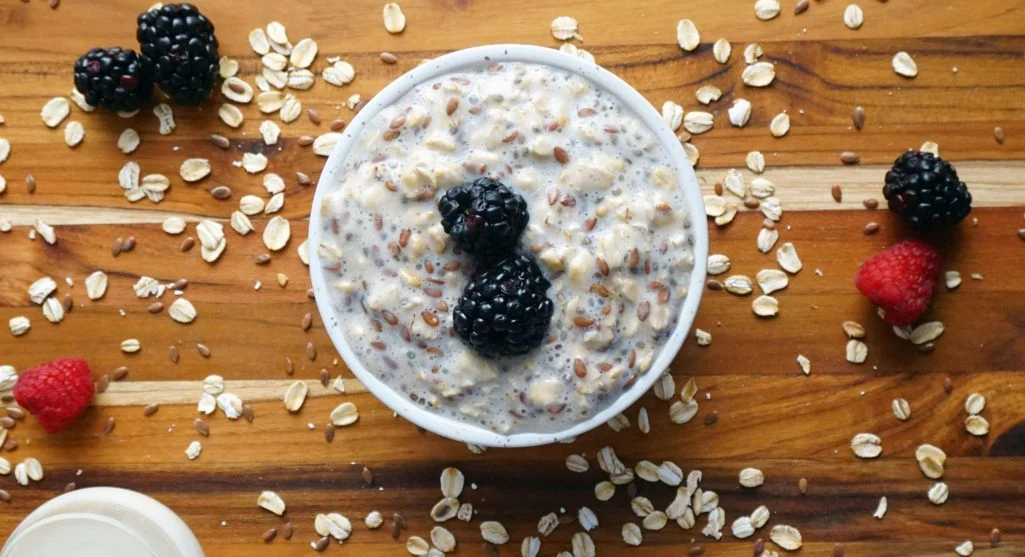
That is why simple food habits matter so much. Eat smart routines can help create a steadier start by making breakfast easier to prepare, easier to repeat, and more useful through the rest of the morning. The goal is not to create a perfect breakfast. It is to make the first meal practical enough to actually happen.
Why early mornings can throw off eating
Early starts often leave little room for decision-making. People may be getting ready for work, school, travel, or a long commute, which makes food choices feel secondary. If breakfast requires too much effort, it is easy to fall back on coffee alone, a very light snack, or nothing at all.
Eat smart habits help by reducing how much thought and preparation need to happen in that moment. When the food routine is simpler, mornings often feel less stressful overall.
1. Decide on breakfast before the morning begins
One of the strongest eat smart habits is removing the breakfast decision from the busiest part of the day. Knowing the night before whether breakfast will be oats, eggs, yogurt, or toast with fruit can make mornings move much faster.
This works because it reduces decision fatigue. The meal may still be simple, but that simple plan gives the morning more structure right away.
2. Keep one no-cook breakfast ready
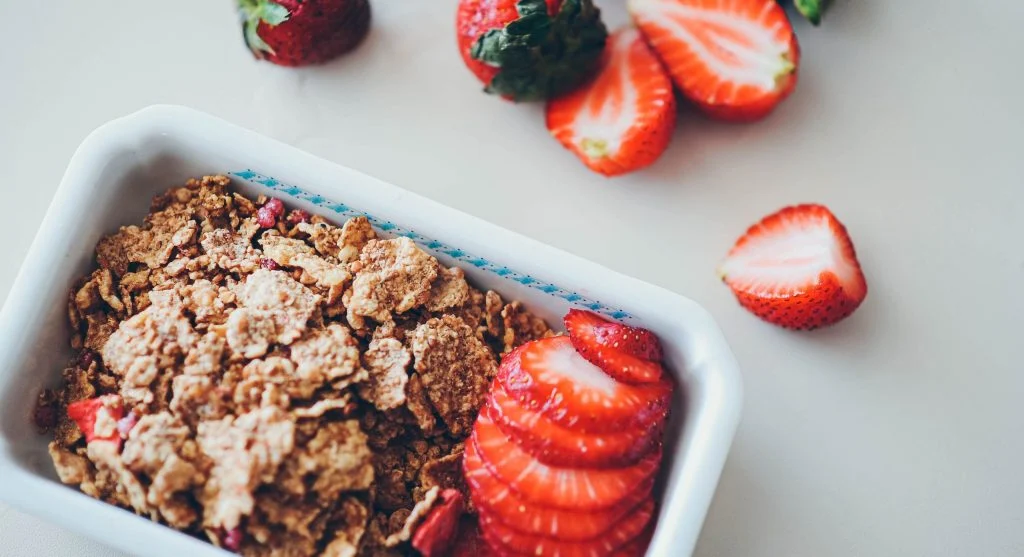
Early mornings often work better when at least one breakfast needs very little effort. Greek yogurt with fruit, overnight oats, cottage cheese with banana, or nut butter toast are all helpful examples. These meals can still feel balanced without requiring a stove or lengthy setup.
This is one of the most practical eat smart habits because it matches the reality of rushed starts instead of pretending every morning leaves time to cook.
3. Add protein so breakfast lasts longer
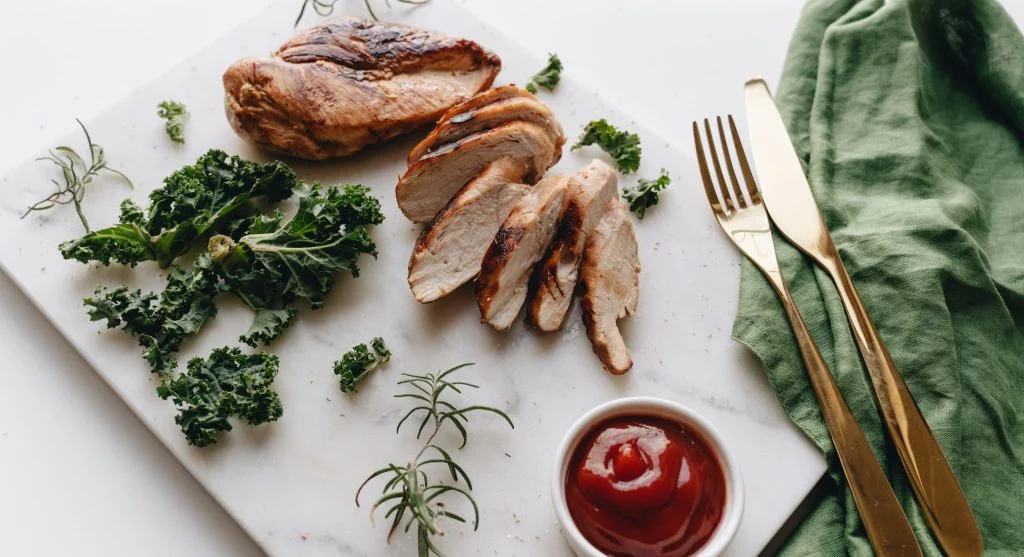
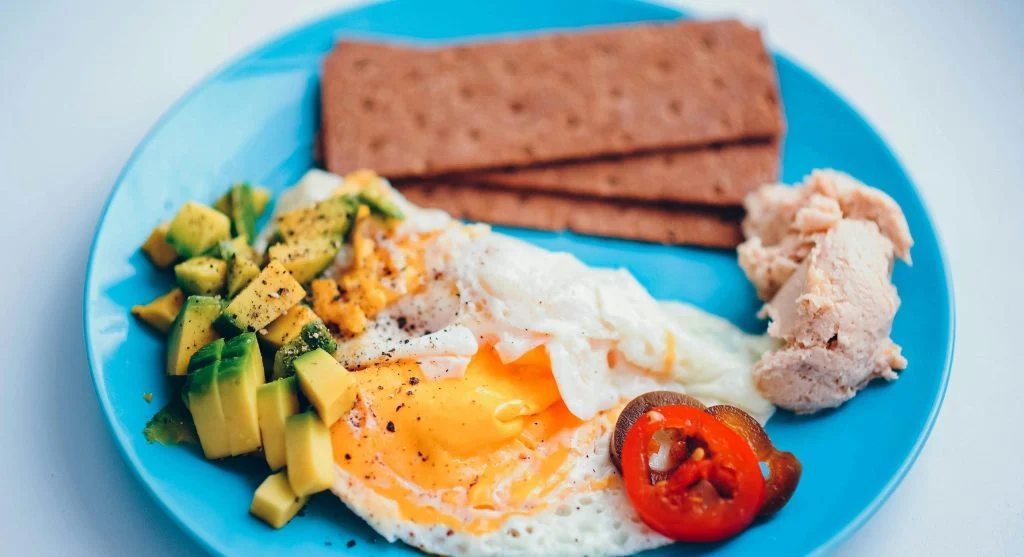
Protein can help breakfast feel more useful and may reduce the chance of getting hungry too quickly later in the morning. Eggs, Greek yogurt, milk, cottage cheese, nut butter, or even leftovers from another meal can all support a stronger breakfast.
Many nutrition professionals encourage protein at breakfast because it often improves fullness and gives the meal more staying power.
4. Repeat breakfasts that already work well
Some people make mornings harder by thinking breakfast needs to be different every day. In reality, repeating a few breakfasts that already fit the routine can make eating much easier. Oats a few times a week, eggs on some mornings, and yogurt bowls on others can work very well.
Experts often support repeatable routines because they lower decision stress and make grocery shopping simpler too.
5. Let portable breakfasts count
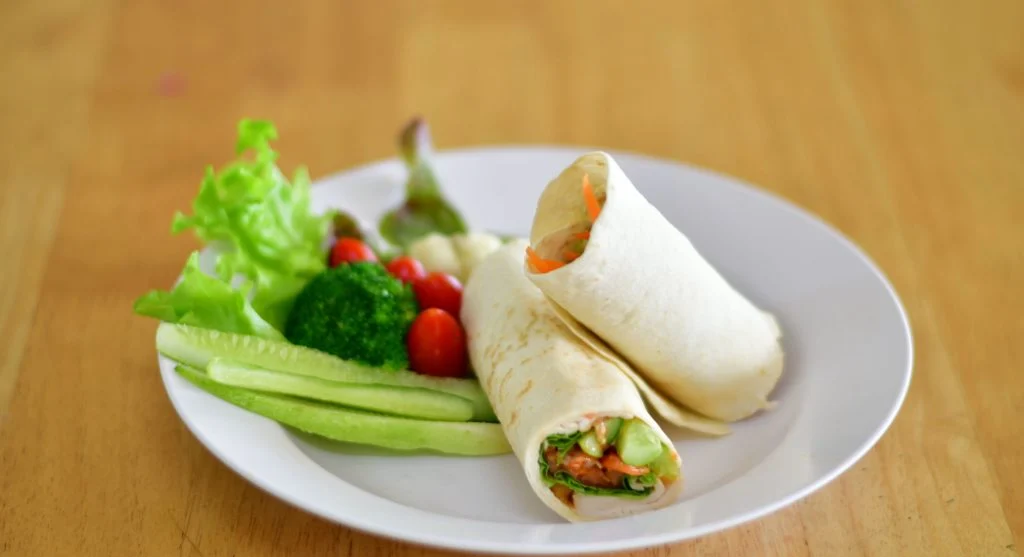
Not every early morning allows time to sit down. That does not mean breakfast has to disappear. Smoothies, boiled eggs, bananas, toast sandwiches, yogurt cups, or small wraps can all support a more useful routine when eaten on the go.
This is one of the most flexible eat smart habits because it works with busy schedules instead of against them.
6. Keep breakfast foods in easy-to-reach places
Visibility matters in the morning. Fruit in a bowl, yogurt at eye level, oats near the counter, and bread in an easy spot can all make breakfast choices faster. When useful foods are easy to see, they are easier to use.
This is one of the simpler eat smart habits, but it often helps more than expected because early mornings leave very little energy for searching and sorting.
7. Pair coffee or tea with real food
Hot drinks are often part of early starts, but they may not do much for hunger on their own. Pairing coffee or tea with toast, fruit, yogurt, oats, or eggs can make the morning feel more stable and reduce the chance of feeling overly hungry soon after.
This is one of the more realistic eat smart habits because it keeps familiar routines in place while giving them better support.
8. Prep one breakfast item the night before
Even a very small step at night can improve the next morning. Washed fruit, overnight oats, boiled eggs, portioned yogurt, or smoothie ingredients ready in the fridge can all save time. That kind of prep often removes the hardest part of breakfast before the day even begins.
This is one of the strongest eat smart habits for people whose mornings always feel short on time.
9. Keep one emergency breakfast option at home
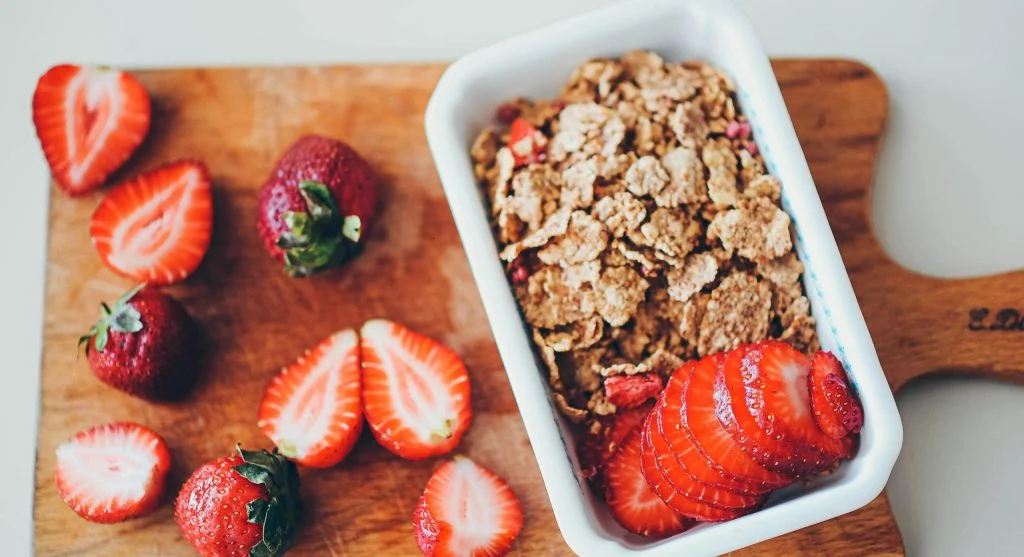
Some mornings go off track no matter what was planned. That is why it helps to have one very easy backup breakfast available. This could be peanut butter toast, yogurt with fruit, a quick smoothie, or boiled eggs with crackers.
This is one of the most useful eat smart habits because it keeps one difficult morning from turning into no breakfast at all.
10. Judge breakfast by how it supports the next few hours
One of the clearest eat smart habits is thinking about breakfast in terms of what happens afterward. Does it support the commute, the first work block, or the school morning? Does it reduce random snacking before lunch? Does it feel easy enough to repeat tomorrow?
These questions often matter more than whether breakfast looks perfect. A useful breakfast is often the one that makes the next few hours easier to manage.
Simple breakfast ideas for early mornings
Breakfast idea 1
Greek yogurt with oats, berries, and seeds.
Breakfast idea 2
Boiled eggs with toast and a banana.
Breakfast idea 3
Overnight oats with milk, fruit, and nut butter.
Breakfast idea 4
Smoothie with yogurt, berries, oats, and milk.
Frequently Asked Questions
What are eat smart habits for early mornings?
They are simple food habits that help breakfast feel easier, more balanced, and more realistic during busy starts to the day.
Does breakfast need to be cooked to be useful?
No. No-cook breakfasts can still be very useful when they include practical foods like yogurt, oats, fruit, or nut butter.
Why do early mornings make breakfast harder?
They often leave less time and energy for food decisions, which makes simple routines and prepared foods especially helpful.
Can portable breakfasts still support better eating?
Yes. Portable breakfasts can still be balanced and useful when they include foods that help support the rest of the morning.
Key Takeaway
Eat smart habits can make early mornings feel much less rushed by reducing how many food decisions need to happen in the moment. Repeated breakfasts, no-cook options, a little prep, and one dependable backup meal can all support a steadier start. Many experts support practical breakfast routines over perfect plans. In daily life, the best early morning food habits are usually the ones that are simple, balanced, and easy to repeat.


 Eats PEI