 Darren LeBlanc
Eating smarter every day does not need to be expensive, strict, or confusing. In many cases, it starts with small changes that help people build balanced meals, manage hunger, and make better food choices during busy days.
Experts often suggest simple habits instead of extreme diets because steady routines are easier to follow. When people focus on eating smarter every day, they usually find it easier to support energy, digestion, and long-term wellness.
1. Build meals around balance
A smart meal usually includes three main parts: protein, fiber, and a source of healthy fats or slow-digesting carbohydrates. This mix can help a person stay full longer and avoid the sharp hunger that often comes after eating only refined snacks.
For example, a breakfast of eggs, whole-grain toast, and fruit offers more staying power than a sugary pastry alone. At lunch or dinner, grilled chicken, beans, or fish with vegetables and brown rice can create a more balanced plate.
2. Start the day with real food
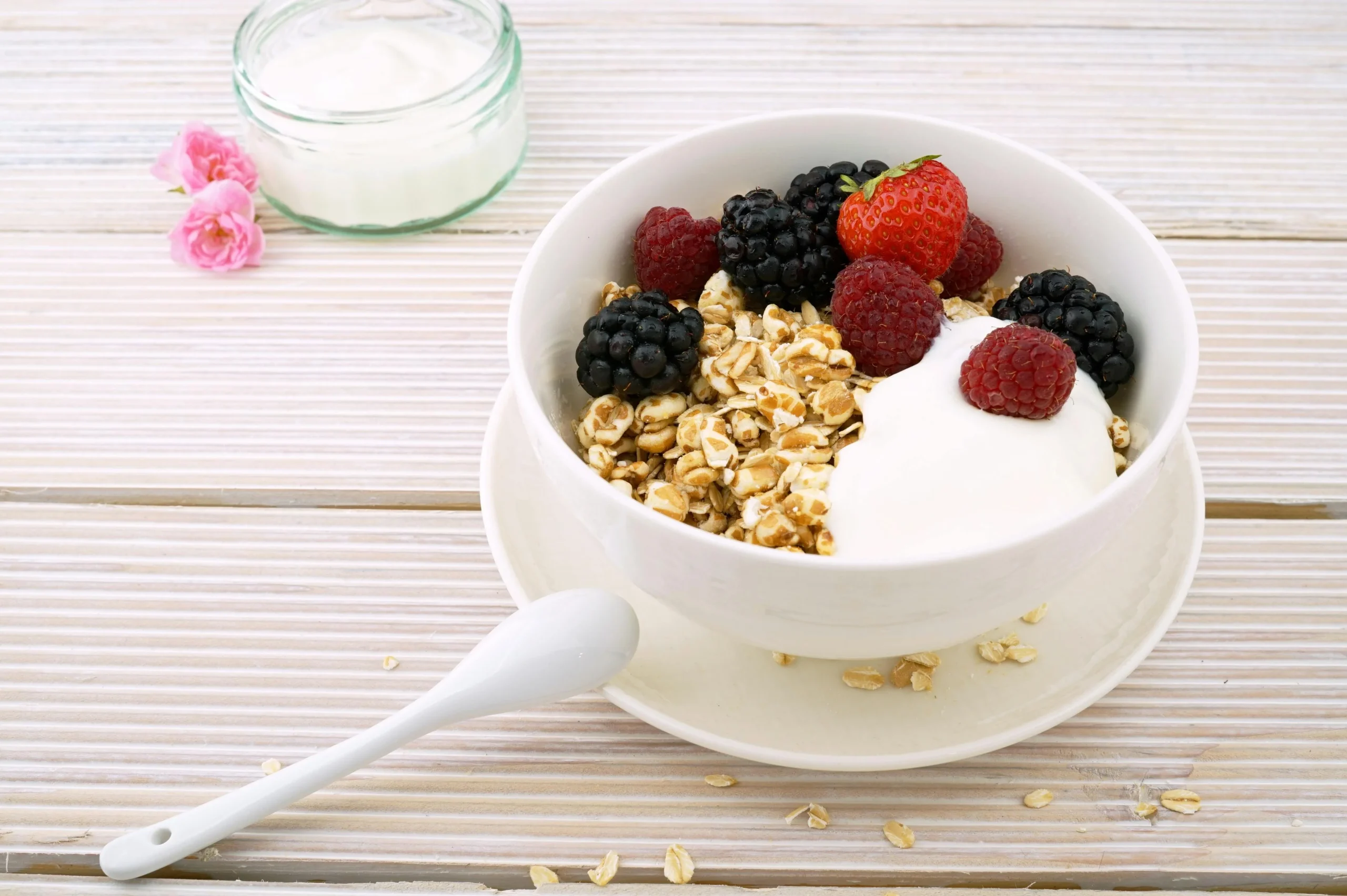
Breakfast does not have to be large, but it should be useful. A meal with protein and fiber can support better energy through the morning. Yogurt with oats, eggs with vegetables, or peanut butter on whole-grain toast are simple choices that work well.
Skipping breakfast is not always harmful for everyone, but many people later overeat when the first meal is delayed too long. Eating smarter every day often begins with starting the day on steadier ground.
 Credit: Life Of Pix / Pexel
3. Keep ultra-processed snacks in check
Packaged snacks can be convenient, but many are low in fiber and high in added sugars, salt, or refined starches. This does not mean a person must avoid them completely. A smarter approach is to make them occasional and keep better options nearby.
Fresh fruit, roasted chickpeas, nuts, cheese, boiled eggs, or plain popcorn can be easier choices for busy afternoons. Keeping simple foods on hand makes healthy decisions more likely.
4. Drink more water during the day
Sometimes hunger is actually thirst, or at least made worse by it. Drinking enough water may help people feel more alert and more aware of real hunger cues. It can also reduce the habit of reaching for sugary drinks out of routine.
Water does not need to be plain if a person dislikes it. Lemon slices, cucumber, mint, or fruit infusions can make it more enjoyable without adding much sugar.
5. Watch portion size without making food stressful
Eating smarter every day is not about measuring every bite. It is about noticing how much food is truly needed. Large portions can quietly add more calories than expected, especially with restaurant meals and packaged foods.
One helpful method is to eat slowly and pause halfway through a meal. That short break gives the body time to signal fullness. Many nutrition experts advise this because it encourages awareness instead of guilt.
6. Make vegetables easier to eat
Vegetables are often described as important, but many people struggle to eat enough of them. A practical fix is to make them simpler, not fancier. Pre-cut vegetables, frozen options, and easy seasoning can remove some of the effort.
Vegetables also do not need to be eaten only in salads. They can be added to omelets, soups, wraps, pasta sauces, rice bowls, and sandwiches. The goal is to make them a regular part of meals in ways that feel realistic.
7. Plan one or two meals ahead
A lack of planning often leads to rushed food choices. Even light planning can help. Keeping ingredients for two easy meals at home may reduce the need for last-minute takeout.
 Credit: Vitaly Gariev / Pexel
8. Read labels with a simple goal
Food labels can feel overwhelming, but they can still be useful. Instead of checking every number, people can focus on a few basics: added sugar, fiber, protein, and the ingredient list.
In general, foods with simpler ingredient lists and more fiber tend to be better choices for everyday meals. This is not a hard rule, but it can help shoppers make quicker, smarter decisions.
9. Stop aiming for perfect eating
One of the biggest problems with healthy eating is the idea that every meal must be perfect. That mindset often leads to frustration and quitting. A more realistic goal is to make good choices most of the time and leave room for enjoyment.
Peer-reviewed research often supports consistency over extreme restriction. People are more likely to keep habits that fit real life, including birthdays, travel, family dinners, and busy workdays.
10. Focus on habits that last
Eating smarter every day is more about patterns than single meals. A healthy lifestyle is usually built by repeating simple actions: drinking water, eating more fiber, planning basic meals, and including protein regularly.
These habits may seem small, but over time they can shape stronger routines. Instead of chasing quick results, many people do better when they improve one habit at a time.
Frequently Asked Questions
Is eating smarter every day the same as dieting?
No. Eating smarter every day usually means making more balanced and practical food choices, not following a strict diet plan.
Do healthy meals always cost more?
Not always. Foods like oats, eggs, beans, rice, frozen vegetables, and yogurt can be affordable and nutritious.
Is it bad to eat snacks between meals?
No. A smart snack can help manage hunger, especially if it includes protein or fiber.
How can beginners start eating better?
They can begin with one or two simple steps, such as drinking more water and adding protein to breakfast.
Key Takeaway
Eating smarter every day does not require a major lifestyle change. It often starts with balanced meals, better snack choices, more water, and simple planning. Many experts agree that small habits repeated over time are more useful than strict rules. For most people, eating smarter every day is about consistency, not perfection.


 Eats PEI