 Darren LeBlanc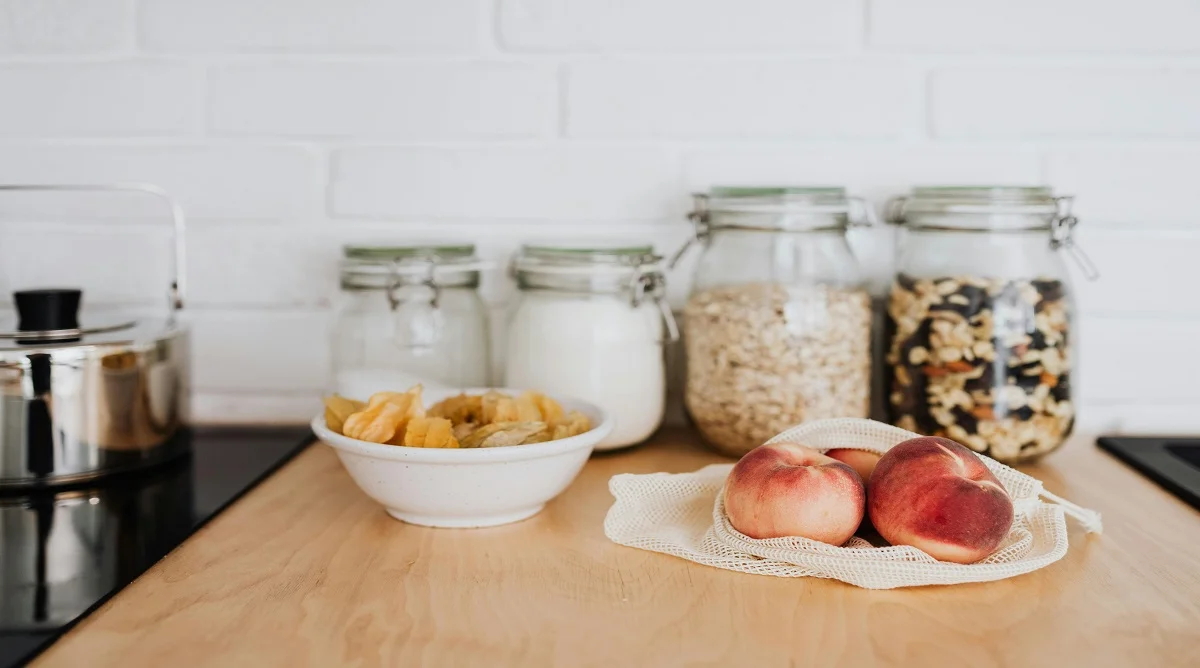
4. Keep convenience, but choose it wisely
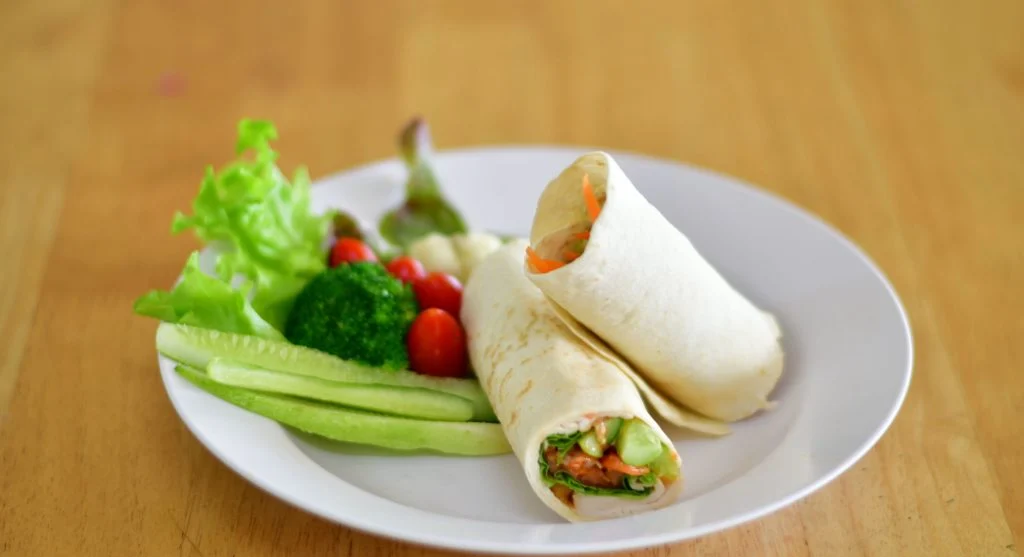
Healthy shopping doesn’t mean avoiding convenience foods altogether. In fact, some convenient options can make balanced eating much more realistic. Bagged salads, frozen vegetables, canned beans, microwavable grains, rotisserie chicken, and pre-cut fruit can all save time.
The key is choosing convenience items that still support better meals. Many dietitians recommend these practical shortcuts because they help remove common barriers to cooking at home.
5. Avoid shopping while overly hungry
This is one of the most common eat smart habits for a reason. Shopping when you’re very hungry can make it harder to focus on what you actually need for the week. It can also lead to more impulse purchases driven by short-term cravings.
Having a small snack beforehand—like fruit with yogurt or a handful of nuts—can make the process easier. It won’t eliminate temptation, but it can help you make more steady choices.
6. Read labels with a simple purpose
Food labels can be helpful without becoming overwhelming. There’s no need to analyze every detail. Instead, focus on a few key things like added sugar, fiber, protein, and the ingredient list.
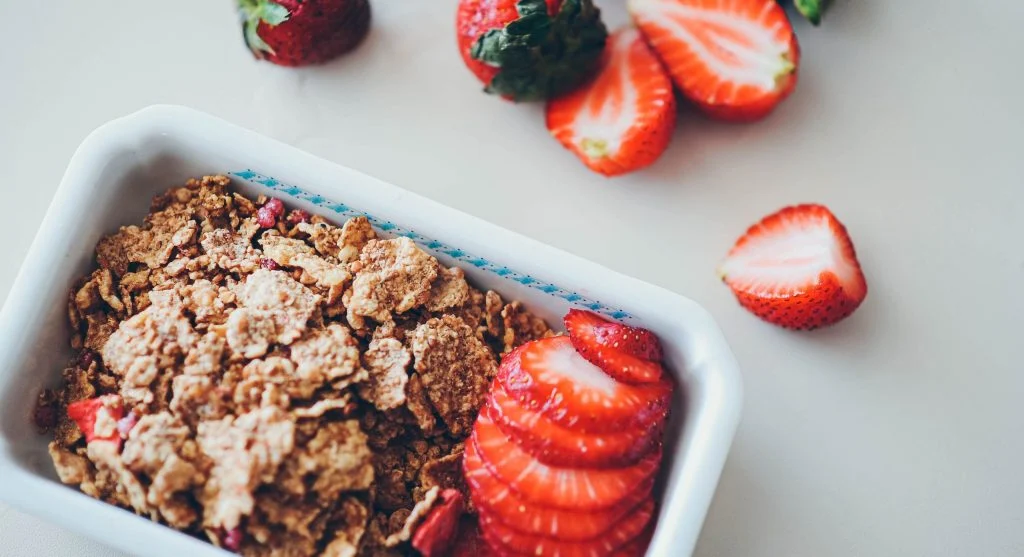
This approach is especially useful when comparing items like breakfast cereals, breads, yogurts, and snack foods. Eat smart habits are easier to maintain when label reading stays simple and practical.
7. Buy frozen produce on purpose
Frozen fruits and vegetables aren’t just backups—they can be a smart first choice. They last longer, reduce waste, and work well in smoothies, soups, stir-fries, pasta dishes, and quick side meals.
Public health nutrition guidance often supports frozen produce as a practical way to increase fruit and vegetable intake. It can be especially helpful for busy households or smaller families.
8. Choose snacks that have staying power
Most people want a few snacks on hand, and that’s completely reasonable. The better approach is to choose options that do more than provide a quick burst of sugar. Yogurt, popcorn, nuts, fruit, hummus, cheese, and boiled eggs are all examples that offer better balance.
Stocking smarter snacks is one of the eat smart habits that can improve the whole day, especially when there are long gaps between meals.

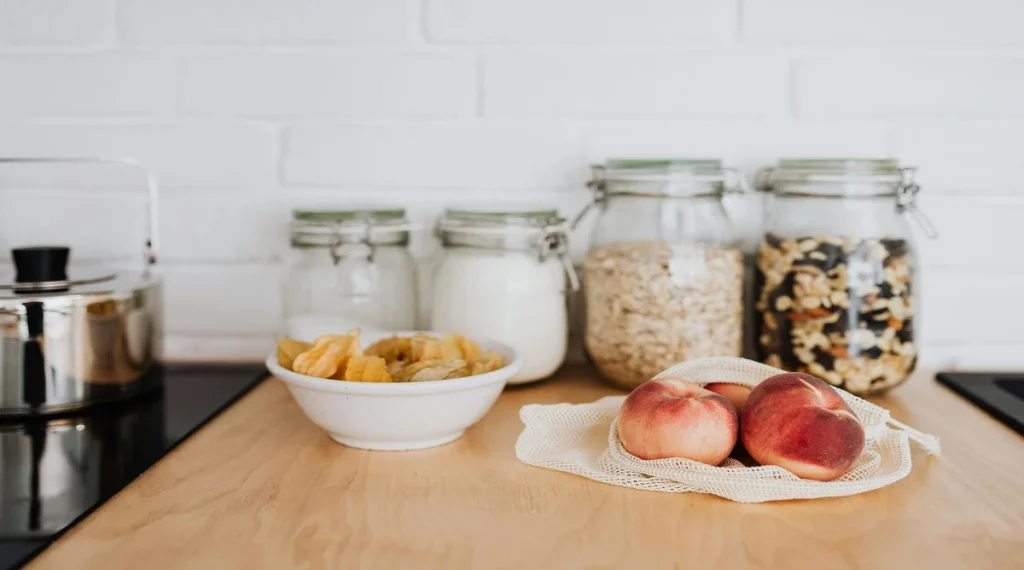
Credit Format: Alex Green / pexels
9. Do not shop only for ideal days
Many grocery mistakes happen when people shop only for their most productive days. In reality, most weeks include busy evenings, slow mornings, low-energy afternoons, and unexpected changes. Shopping habits should reflect that.
This means planning for both more ambitious meals and simple fallback options. Foods like soup, eggs, tuna, frozen vegetables, bread, yogurt, and fruit can be especially helpful on less predictable days.
10. Repeat what works instead of chasing novelty
It’s easy to think healthy eating requires a completely new grocery list each week. In practice, sticking with reliable staples often leads to stronger routines. Oats, eggs, rice, yogurt, greens, beans, fruit, and potatoes can stay on the list.
Repeating foods that already work helps reduce decision fatigue and makes meal planning easier. Many experts support consistency because it turns healthy choices into habits.
11. Leave room for enjoyment
Overly strict shopping rules can backfire if they make food feel restrictive. A practical grocery cart usually focuses on useful staples while still leaving space for favorite foods. This balance makes eating habits easier to maintain over time.
Eat smart habits aren’t about creating a perfect cart. They’re about building one that works for everyday life, including meals people genuinely enjoy.
How these habits support real routines
Grocery shopping shapes more than just one dinner. It affects how easily breakfast comes together, whether lunch feels satisfying, and how likely someone is to cook later in the week. Small decisions at the store often lead to bigger patterns at home.
That’s why eat smart habits matter. They help people plan ahead in simple ways and create an environment that supports better food choices—without adding unnecessary pressure.
Frequently Asked Questions
What are eat smart habits?
Eat smart habits are simple food and shopping routines that help people make more balanced and practical eating choices.
How can grocery shopping support healthy eating?
It helps by making useful foods more available at home, which makes balanced meals easier to prepare.
Are frozen foods a good grocery option?
Yes. Frozen fruits and vegetables can be nutritious, convenient, and helpful for reducing food waste.
Do healthy grocery lists need to be expensive?
No. Many affordable staples, such as oats, eggs, beans, rice, potatoes, and frozen vegetables, can support healthy meals.


 Eats PEI