 Eats PEI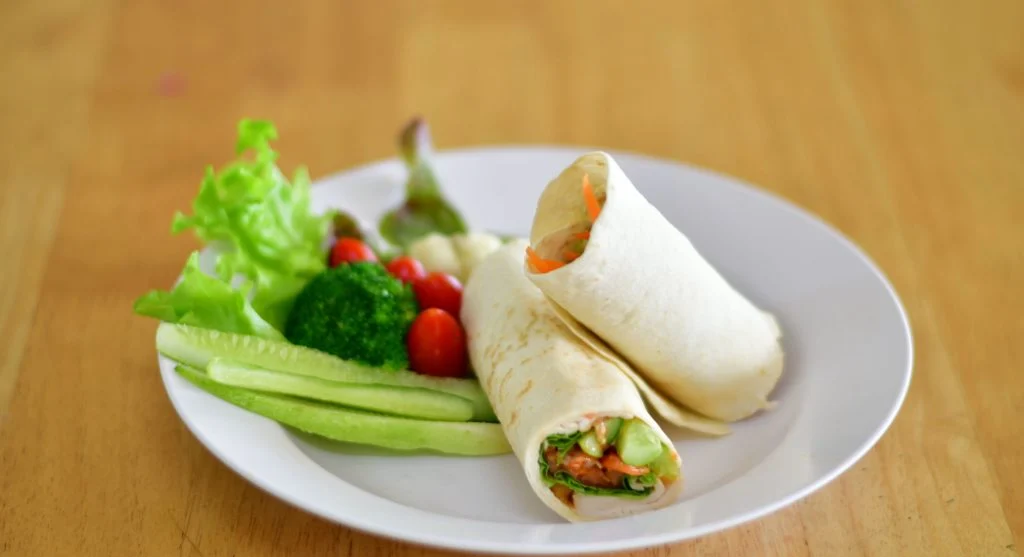
Quick lunches often seem perfectly adequate at first but still leave the afternoon feeling less supported than expected. A yogurt cup, some fruit, a handful of crackers, a few vegetables, or a small portion of leftovers can all look like enough when lunch is being assembled in a hurry. Then the day continues, hunger returns earlier than anticipated, and lunch begins to feel less like a complete meal and more like a collection of separate foods that never truly came together. In many cases, the foods themselves are not the problem. The bigger issue is that the meal lacks one dependable base strong enough to hold everything together.
Food educators often explain that quick lunches work best when one reliable base food gives the meal a clear center. That base does not need to be heavy or complicated. It simply needs to provide enough structure so the smaller foods can support the meal rather than trying to become the meal on their own. This is why quick lunches often feel more dependable when one easy base food keeps the entire plate from turning into a collection of random pieces.
Why Quick Lunches Often Look More Complete Than They Are
Lunch is one of the easiest meals to misjudge because convenience often takes priority over structure. If several foods make it onto the plate, the meal can appear balanced at first glance. However, variety does not always equal support. Fruit may add freshness, crackers may add crunch, and yogurt may seem helpful, but if none of those foods acts as a true anchor, lunch can still behave more like a snack plate than a meal.
Dietitians often note that a reliable lunch depends on more than appearance. It also depends on whether the meal has enough structure to comfortably carry someone from lunch to the next meaningful eating opportunity. That is often where a strong base food makes the biggest difference.
Why Midday Meals Often Need More Structure Than Expected
Lunch occupies a challenging part of the day. Breakfast is already behind, dinner may still be hours away, and the afternoon often includes work, errands, school pickups, commuting, or household responsibilities. Under those conditions, a weak lunch can create more problems than people realize. Hunger may return too early, and unplanned snacking can begin filling the gaps.
Meal routine educators often explain that lunch is not only about satisfying hunger at noon. It is also about helping the hours afterward feel more stable. A lunch built around one dependable base often does this far better than a meal made entirely of small side foods.
How One Easy Base Changes the Entire Lunch
A strong base food makes lunch feel more complete because it creates a stable center for the meal. Once that center exists, fruit can play the role of a side instead of trying to provide fullness. Vegetables can add freshness rather than carrying the meal. Crackers, yogurt, sauces, and other supporting foods suddenly have a purpose because they are complementing something substantial instead of floating around a weak plate.
Meal-planning educators often describe this as giving foods clearer roles. Lunch frequently becomes more satisfying not because more foods are added, but because one food finally takes responsibility for holding the meal together.
Why Wraps Often Make an Excellent Lunch Base
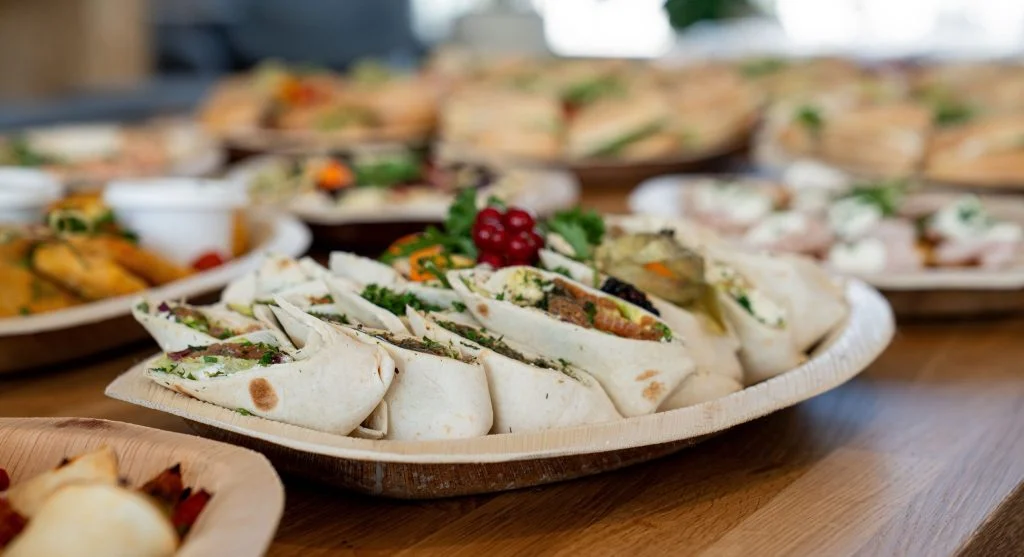
Wraps are one of the strongest choices for quick lunches because they instantly provide structure. Eggs, beans, hummus, greens, cucumbers, chicken, and leftover vegetables may feel disconnected when served separately. Place those same ingredients inside a wrap, and lunch often feels far more organized. Fruit or yogurt can then complement the meal rather than trying to rescue it.
Food educators often recommend wraps because they reduce the feeling of randomness. They are portable, easy to repeat, and practical for busy weekdays when lunch needs to be simple and reliable.
Why Rice and Grains Often Make Lunch More Lasting
Rice and other grains are another dependable lunch base that often improves meals more than expected. A grain foundation gives vegetables, proteins, sauces, and leftovers somewhere to belong. Without that foundation, the same foods may still feel disconnected. With it, lunch often feels more organized and better equipped to support the afternoon.
Dietitians often explain that foods matter not only because of what they are but because of how they influence the meal as a whole. A useful grain base can help lunch behave more like a complete meal and less like a collection of convenient foods.
Why Potatoes Deserve More Attention
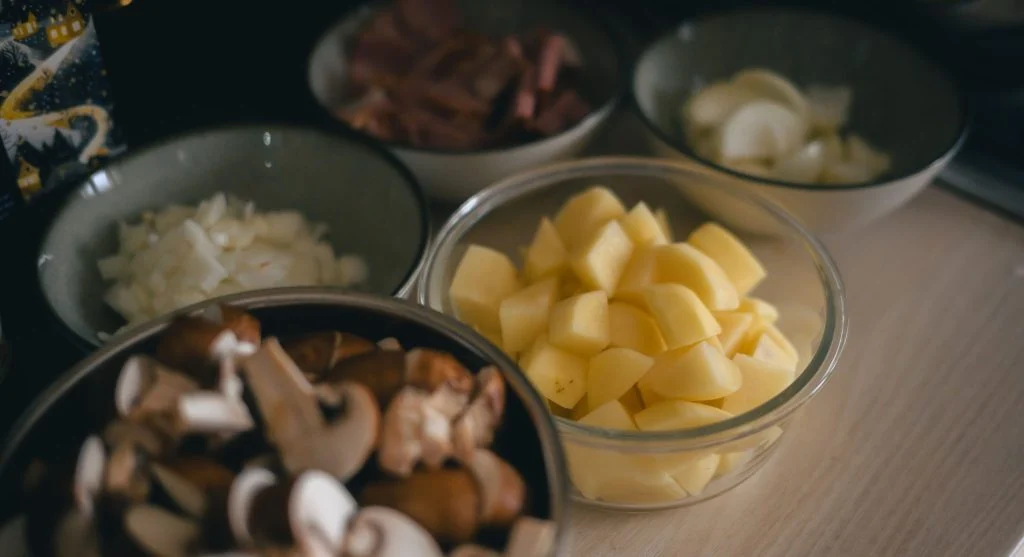
Potatoes are often overlooked as a lunch base, yet they can be extremely effective. Roasted, boiled, or leftover potatoes pair well with eggs, beans, vegetables, yogurt-based sauces, and other proteins. They provide structure on days when wraps or bread are not the best fit while still helping lunch feel substantial enough to carry the afternoon.
Meal-smarts coaches often point out that practical base foods are not always the trendiest ones. Familiar foods frequently work better because they are easy to prepare, easy to trust, and easy to use repeatedly throughout the week.
Why Yogurt Works Best When It Becomes the Center
Yogurt is a great example of how a food’s role can change its effectiveness. A small yogurt cup on the side may not do much to strengthen lunch. However, Greek yogurt paired with oats, fruit, nuts, or toast can become the foundation of the meal. In that situation, yogurt is no longer acting as a side item. It becomes the anchor that gives lunch direction.
Nutrition educators often explain that many foods become more useful when they are allowed to serve as the meal’s centerpiece instead of being one more small addition on a scattered plate.
How One Base Food Reduces Afternoon Food Drift
Afternoon food drift often begins when lunch never truly felt like one complete meal. A snack here, another bite there, and a lingering sense that lunch never really counted can follow. One dependable base food often reduces this pattern because the midday meal feels more complete from the start.
Food routine educators often explain that stronger lunches improve more than the noon hour. They often help the entire second half of the day feel calmer and less reactive around food.
Why Supporting Foods Matter More Once the Base Is Strong
Having a strong base does not make fruit, vegetables, crackers, sauces, or other side foods less important. In many ways, it makes them more valuable. Once lunch has a clear center, those foods can focus on adding freshness, texture, contrast, and enjoyment rather than trying to provide the meal’s entire foundation.
Meal-planning educators often explain that side foods work best when they are allowed to function as sides. A strong center gives them that opportunity.

Why Repeated Lunch Bases Often Create the Best Routine
Some of the strongest lunch habits come from repeating reliable base foods. Wraps may appear several times during the week. Rice bowls may return in different forms. Potatoes or yogurt-based lunches may become regular favorites because they consistently work. Rather than being a weakness, this repetition often becomes a strength because it reduces decision fatigue and makes grocery shopping easier.
Dietitians and meal-planning educators often support repeated meal anchors because dependable repetition tends to be more useful in real life than endless variety that is difficult to maintain.
How to Tell If Lunch Needed a Stronger Base
A useful question is not simply whether lunch looked healthy. It is whether the afternoon felt easier because of it. If hunger returned quickly, snacks started appearing without much intention, or lunch seemed to disappear too fast, the meal may have needed a stronger foundation. This does not mean the smaller foods were poor choices. It simply means the meal may have needed one clearer anchor.
Food educators often recommend evaluating lunch by what happens afterward rather than by what was on the plate at noon. The afternoon often provides the clearest answer.
Frequently Asked Questions
Q: Why does one easy base food help quick lunches so much?
A: Because it gives the meal a clear center and makes the smaller foods around it more supportive instead of scattered.
Q: What foods work well as a lunch base?
A: Wraps, rice, grains, potatoes, Greek yogurt, or another dependable food that can anchor the meal and help it carry the afternoon better.
Q: Do quick lunches need lots of different foods to feel complete?
A: Not necessarily. They often work better with one strong base and a few smaller support foods than with many small foods and no center.
Q: How can someone tell if lunch was too scattered?
A: Often the afternoon shows it through early hunger, repeated snacking, or a sense that lunch never really felt like one clear meal.
Key Takeaway
Quick lunches often become more reliable when one easy base food gives the meal a clear center. A dependable anchor helps fruit, vegetables, crackers, sauces, and other supporting foods do their jobs more effectively. In many cases, improving lunch is not about adding more variety. It is about including one strong base that helps the meal support the afternoon with greater stability and less food drift.