 Darren LeBlanc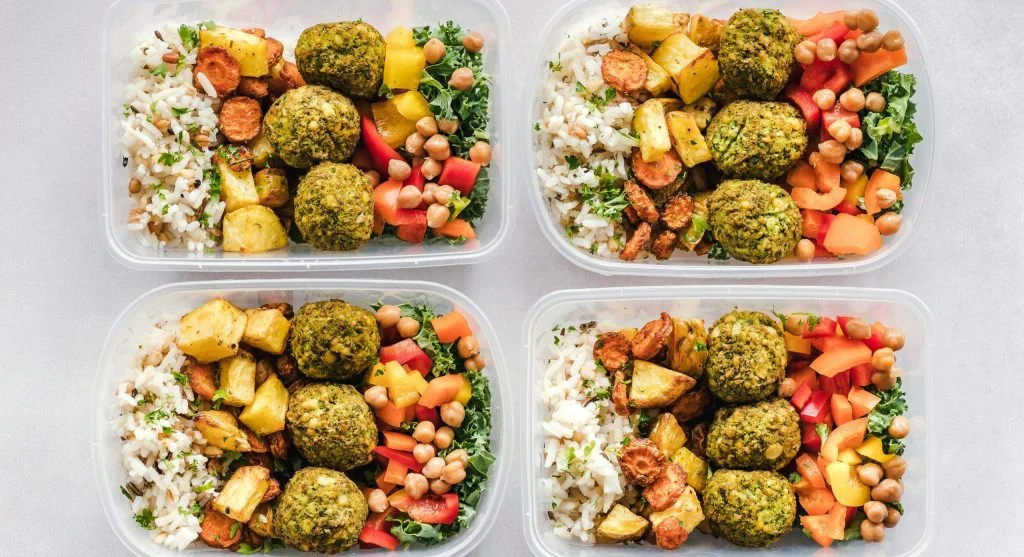
That does not have to be the case. Leftover meals can still feel balanced, practical, and satisfying when they are handled with a little intention. These better eating habits can help make leftovers feel like a normal part of a smart meal routine instead of an afterthought.
Why leftovers are often treated like second-choice meals
Many people view leftovers as less appealing because they were not planned as a new meal. They may feel repetitive, incomplete, or too plain if they are simply reheated without much thought. That can make people ignore food that is still useful and turn instead to less practical options.
Better eating habits help change that by treating leftovers as part of meal planning from the beginning. When leftovers are expected and used well, they often make eating easier instead of less enjoyable.
1. Cook with tomorrow in mind
One of the most useful better eating habits is making extra food on purpose. If rice, roasted vegetables, chicken, soup, or pasta are already likely to be used again, leftovers stop feeling accidental. They become part of the meal plan instead.
This helps because the extra portion now has a job. It may become tomorrow’s lunch, a quick dinner, or the base of a bowl meal later in the week.
2. Store leftovers in ways that make them easier to use
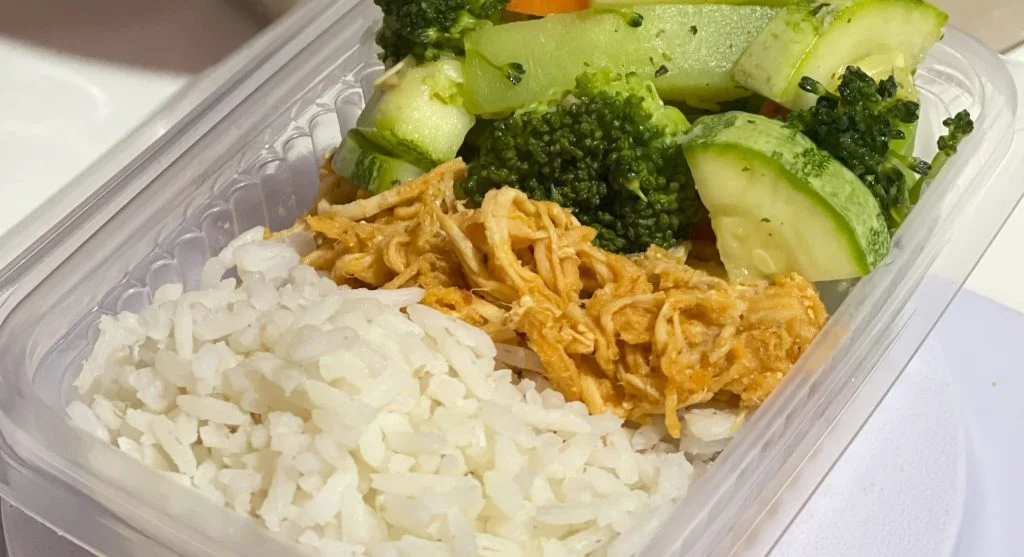
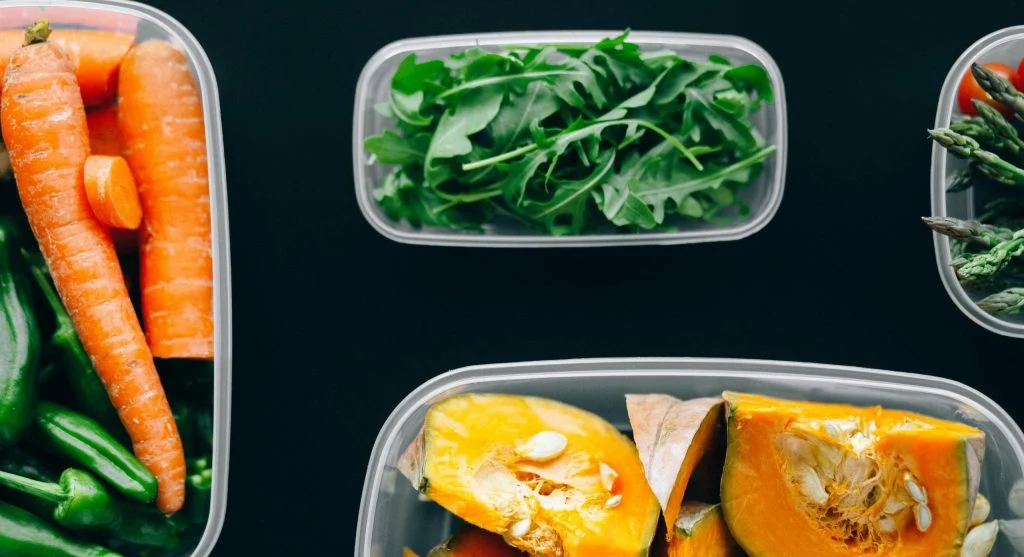
Leftovers often work better when they are stored in practical containers and visible portions. A large container of mixed leftovers can feel harder to reuse than smaller containers with rice in one, vegetables in another, and protein in another. Simple storage often makes later meals easier to build.
This is one of the stronger better eating habits because food is much more likely to be used when it is easy to see and easy to understand.
3. Pair leftovers with one fresh element
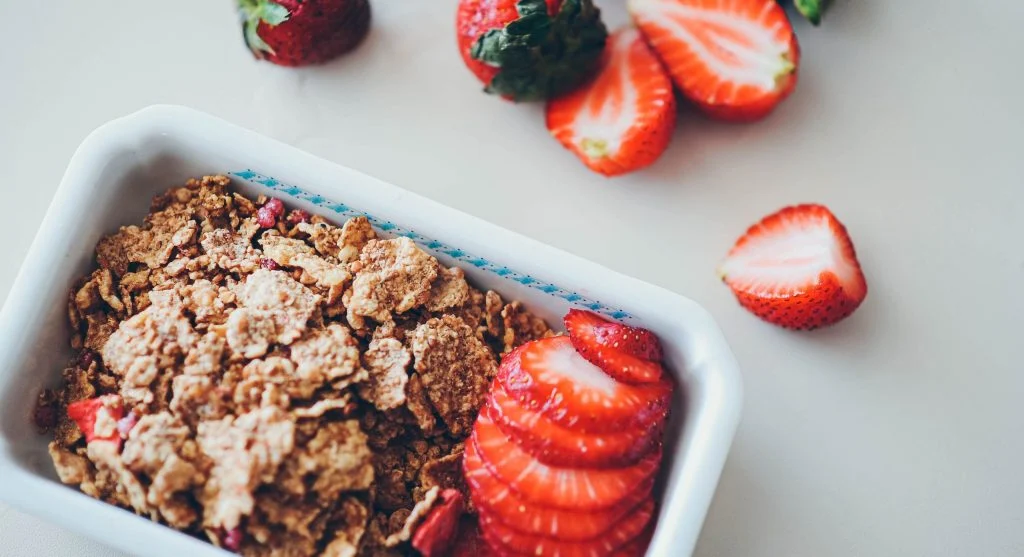
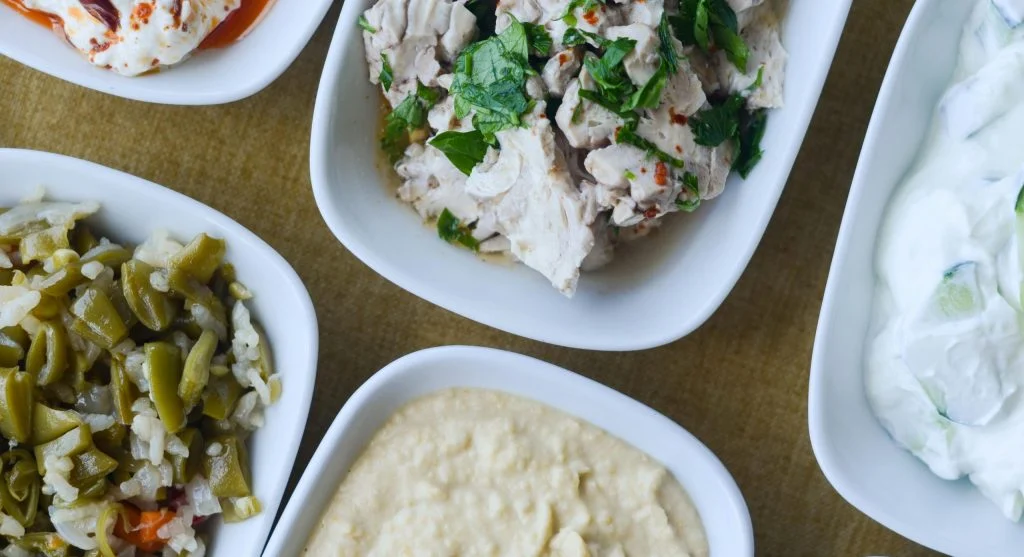
Leftover meals often feel more intentional when they include one fresh addition. That could be fruit with soup, yogurt sauce with rice, chopped vegetables with pasta, or toast with leftover eggs and vegetables. A fresh element can make the meal feel more balanced and less repetitive.
This is one of the easiest better eating habits to use because it improves the meal without requiring a lot of extra work.
4. Think in meal formats, not only original meals
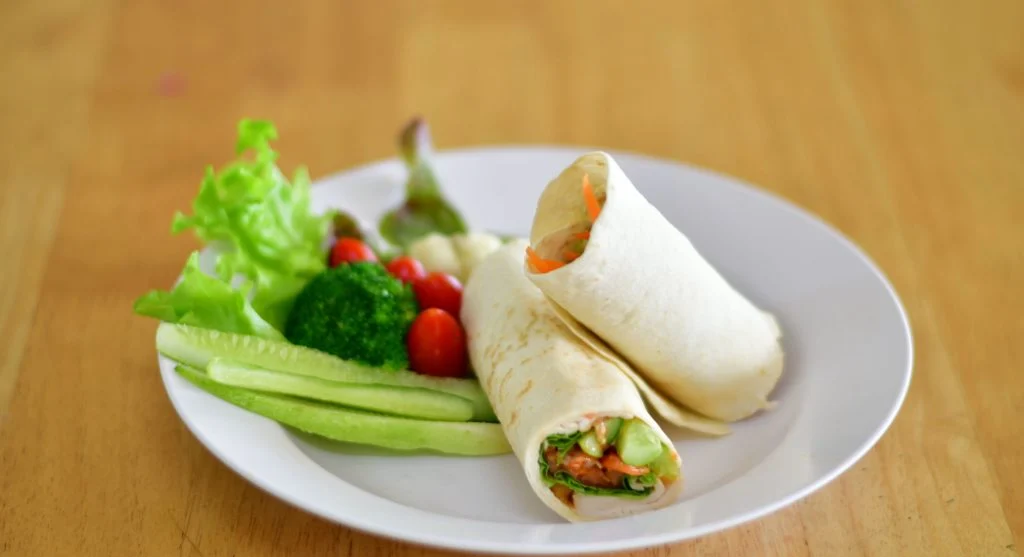
Leftovers become more useful when they are seen as ingredients for a new format instead of only the same meal again. Extra rice can become a bowl. Roasted vegetables can go into eggs. Chicken can become a wrap or sandwich. Soup can become part of a lunch tray with toast and fruit.
This is one of the smartest better eating habits because it makes leftovers feel more flexible and less repetitive.
5. Include protein so leftovers still feel satisfying
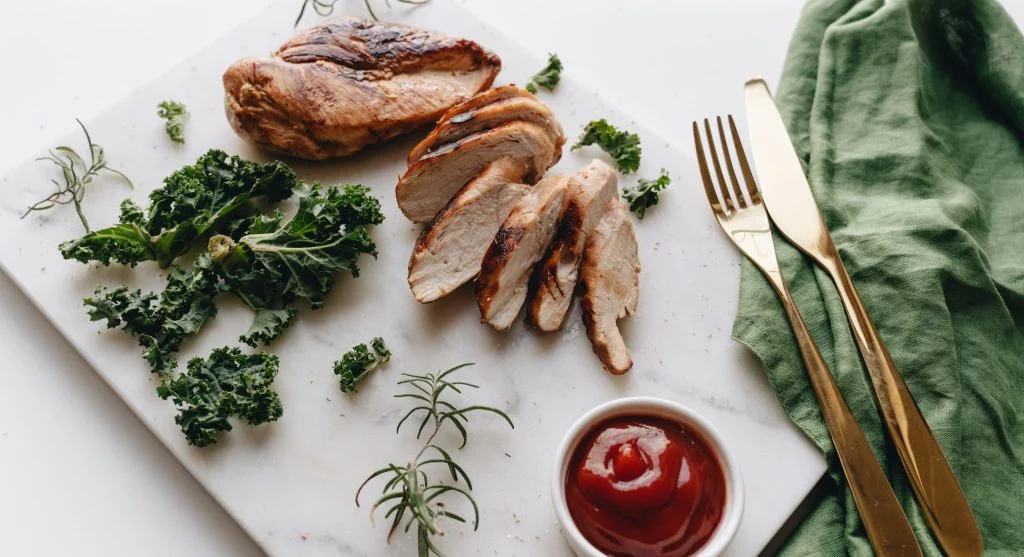
Some leftover meals feel less satisfying because the protein was used up first or never stored clearly. Better eating habits often work best when leftover meals still include something that adds staying power, such as beans, eggs, chicken, tuna, lentils, tofu, yogurt, or cottage cheese.
Many nutrition professionals support including protein regularly because it often helps meals feel more complete and may reduce the need for extra snacking later.
6. Use leftovers for lunch before lunch becomes stressful
Lunch is one of the best places for leftovers because it removes the need to build a new meal from scratch in the middle of the day. A leftover grain bowl, pasta dish, soup, or chicken wrap can often provide a much easier lunch than trying to decide what to eat under time pressure.
This is one of the more practical better eating habits because it gives leftovers a clear purpose and reduces meal stress at the same time.
7. Keep one easy add-on food nearby
Sometimes leftovers are almost enough but need a little help. Keeping one or two easy add-on foods available can make a big difference. Whole-grain toast, fruit, yogurt, salad greens, crackers, or canned beans can quickly round out a leftover meal.
This is one of the better eating habits that keeps meals from feeling incomplete without creating more cooking work.
8. Do not wait until leftovers are easy to forget
Leftover meals are often most useful when they are eaten while they still feel familiar and easy to remember. When food gets pushed to the back of the fridge, it becomes less likely to be used and more likely to feel like a burden later.
One of the best better eating habits is planning where leftovers fit within the next day or two so they stay practical instead of becoming uncertain.
9. Let leftovers support lower-energy days
Leftovers are especially valuable on days when cooking feels difficult. A practical meal that only needs reheating or a small adjustment can still support better eating very well. That makes leftovers useful not only for saving time, but also for keeping meals steady when energy is lower than usual.
This is one of the more realistic better eating habits because not every day will leave room for starting dinner or lunch from the beginning.
10. Treat leftovers as part of a good routine, not a compromise
One of the most important better eating habits is changing how leftovers are viewed. When they are treated like a normal part of balanced eating, they stop feeling second-best. They become one of the easiest ways to reduce waste, save time, and keep meals more consistent through the week.
In daily life, that kind of consistency matters much more than whether every meal feels completely new.
Simple leftover meal ideas
Meal idea 1
Leftover rice, beans, and roasted vegetables with a spoon of yogurt sauce.
Meal idea 2
Leftover soup with whole-grain toast and fruit.
Meal idea 3
Cooked chicken and vegetables folded into a wrap with hummus.
Meal idea 4
Roasted potatoes and vegetables reheated with eggs for a quick breakfast or lunch.
Frequently Asked Questions
What are better eating habits for leftovers?
They are simple routines that help leftover meals feel more planned, balanced, and easier to reuse during the week.
Do leftovers need to be eaten the same way again?
No. Leftovers often work better when they are reused in new meal formats such as bowls, wraps, soups, or side plates.
Why do leftovers sometimes feel unsatisfying?
They may feel unsatisfying when they are incomplete, poorly stored, or missing a useful fresh or filling element.
Can leftovers still support balanced eating?
Yes. Leftovers can support balanced eating very well when they are combined with practical sides, protein, and simple structure.
Key Takeaway
Better eating habits can make leftover meals feel much more intentional by giving them a clear role in the weekly routine. Good storage, simple fresh additions, protein, and flexible meal formats can all help leftovers feel balanced and useful instead of repetitive or random. Many experts support practical meal habits over constant novelty. In everyday life, leftovers often work best when they are treated as part of the plan from the start.

 Eats PEI