Meal smarts are often what make healthy eating feel practical instead of stressful. Many people want to eat better, but they get stuck figuring out what to cook, what to buy, or how to build meals that feel satisfying without becoming overly complicated.
That’s where simple structure comes in. Meal smarts aren’t about strict rules or perfect planning. They’re about understanding a few practical ideas that make breakfast, lunch, dinner, and snacks easier to handle in everyday life.
Why simple meal structure matters
When meals lack structure, people tend to fall back on whatever is quickest. That might mean snacking instead of having lunch, ordering takeout instead of cooking dinner, or eating meals that don’t keep them full for long. In many cases, the issue isn’t motivation—it’s not having a clear, simple system.
Meal smarts help by giving people a repeatable way to think about food. When you know what makes a meal work, it becomes much easier to make steady choices, even on busy days.
1. Start with one strong base
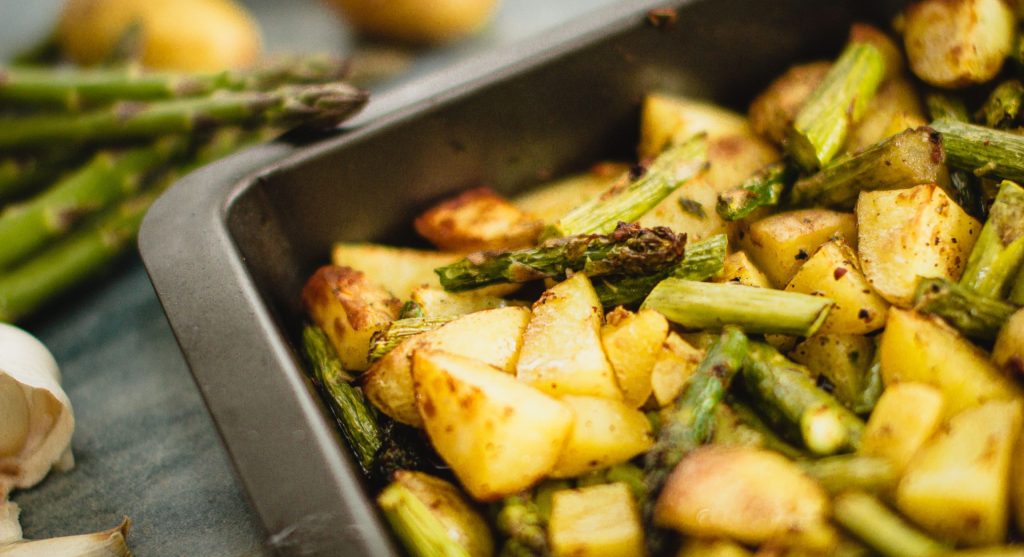
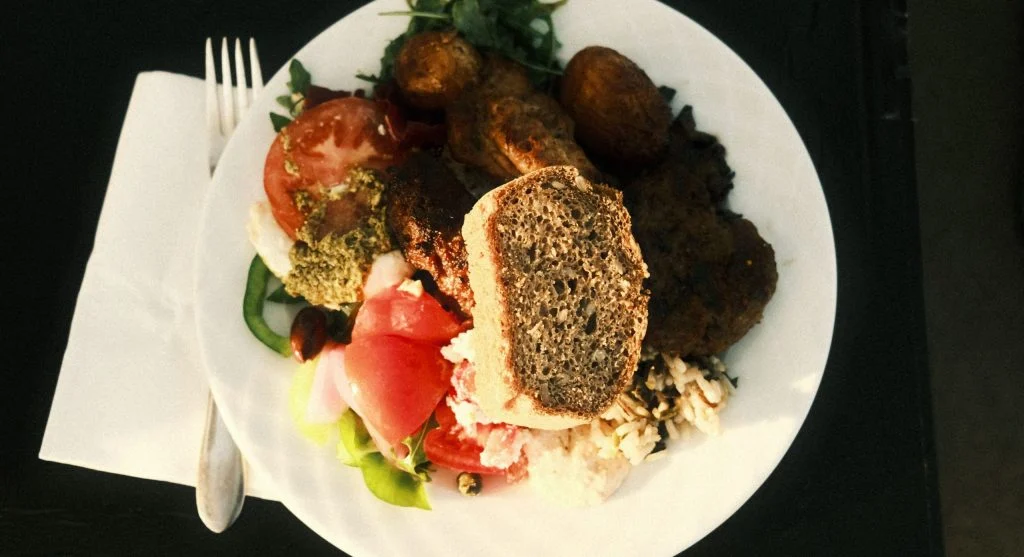
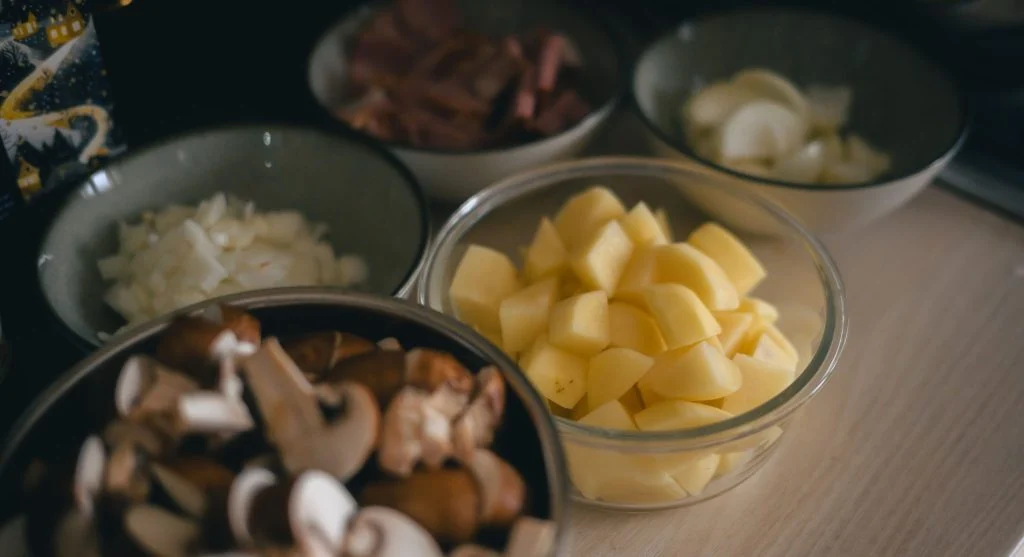
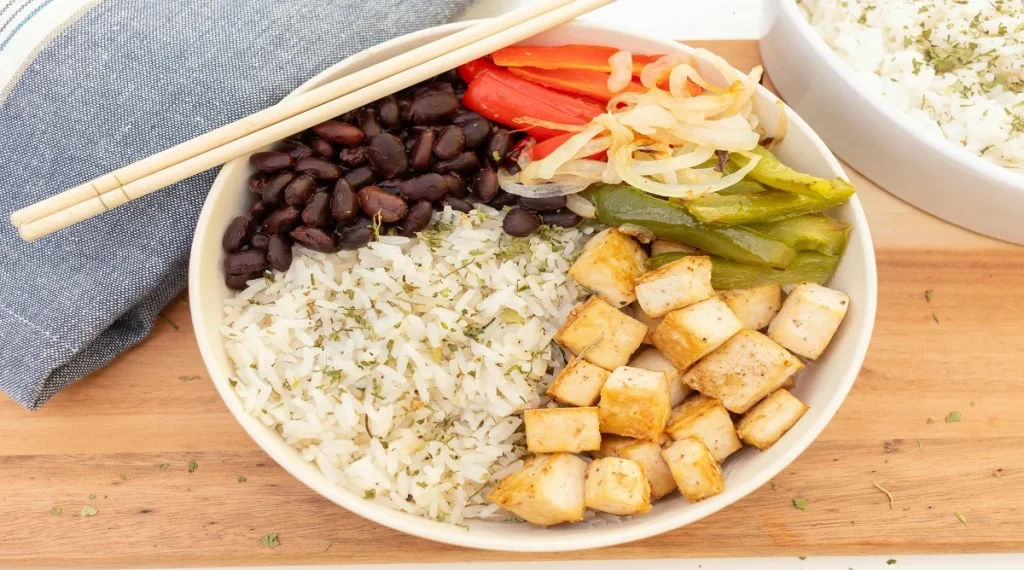
One of the simplest meal smarts tips is to begin with a reliable base. This could be rice, potatoes, oats, whole-grain bread, pasta, or even a bowl of greens. The base gives the meal structure and makes it easier to build around.
Without a base, meals can feel scattered or incomplete. Once you have one, it’s much easier to add the other parts.
2. Add protein before anything else
Protein often plays the biggest role in how satisfying a meal feels. Eggs, yogurt, chicken, fish, lentils, beans, tofu, cottage cheese, and turkey are all practical options that fit into many different meals.
Many dietitians recommend focusing on protein first because it helps with fullness and overall balance. This is one of the most useful meal smarts habits for people who tend to feel hungry soon after eating.
3. Do not forget produce
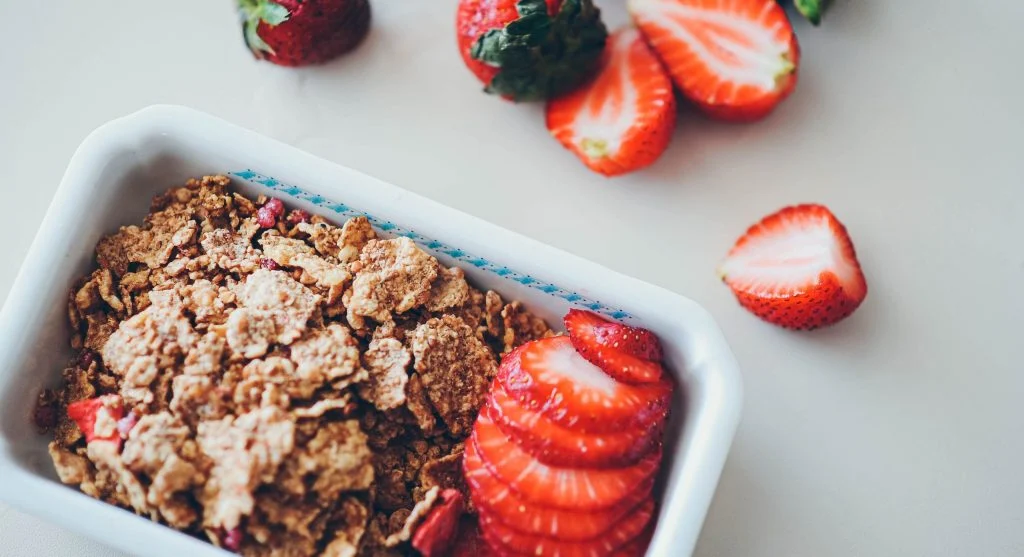
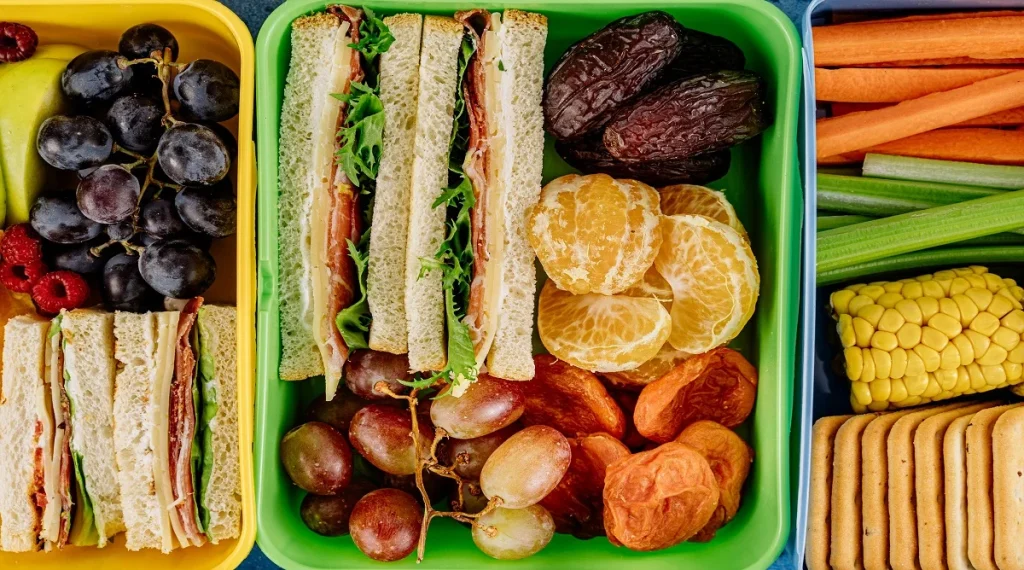
Fruits and vegetables add fiber, texture, color, and key nutrients. They also help meals feel more complete. Meal smarts often come down to remembering that produce doesn’t need to be fancy to be useful.
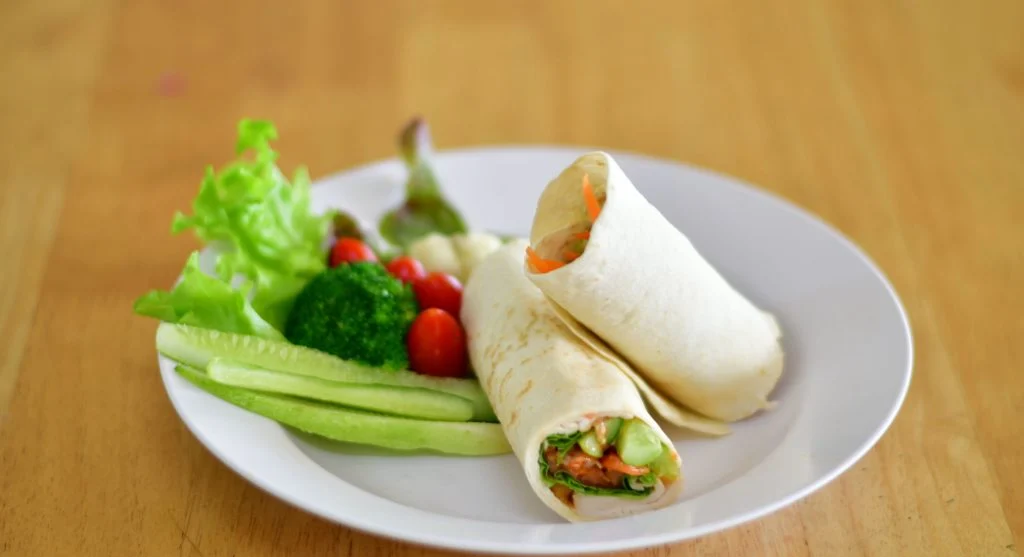
A banana with breakfast, salad in a sandwich, frozen peas stirred into pasta, or roasted carrots with dinner all count. What matters most is using them regularly, not making them perfect.

 Darren LeBlanc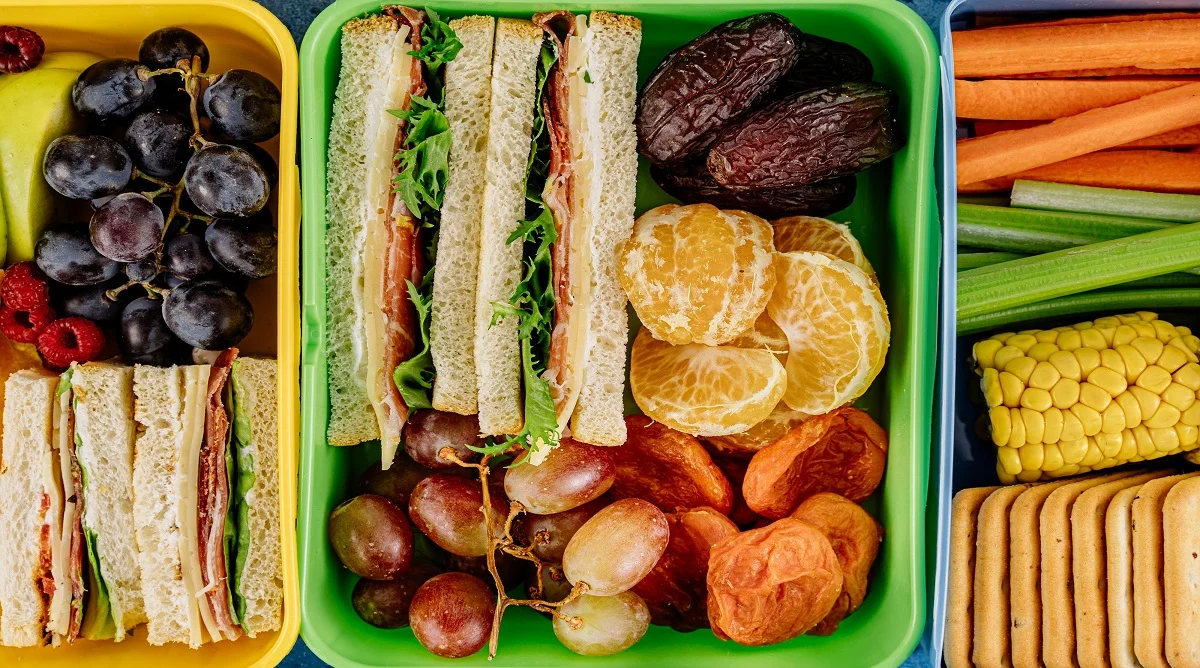

 Eats PEI