 Darren LeBlanc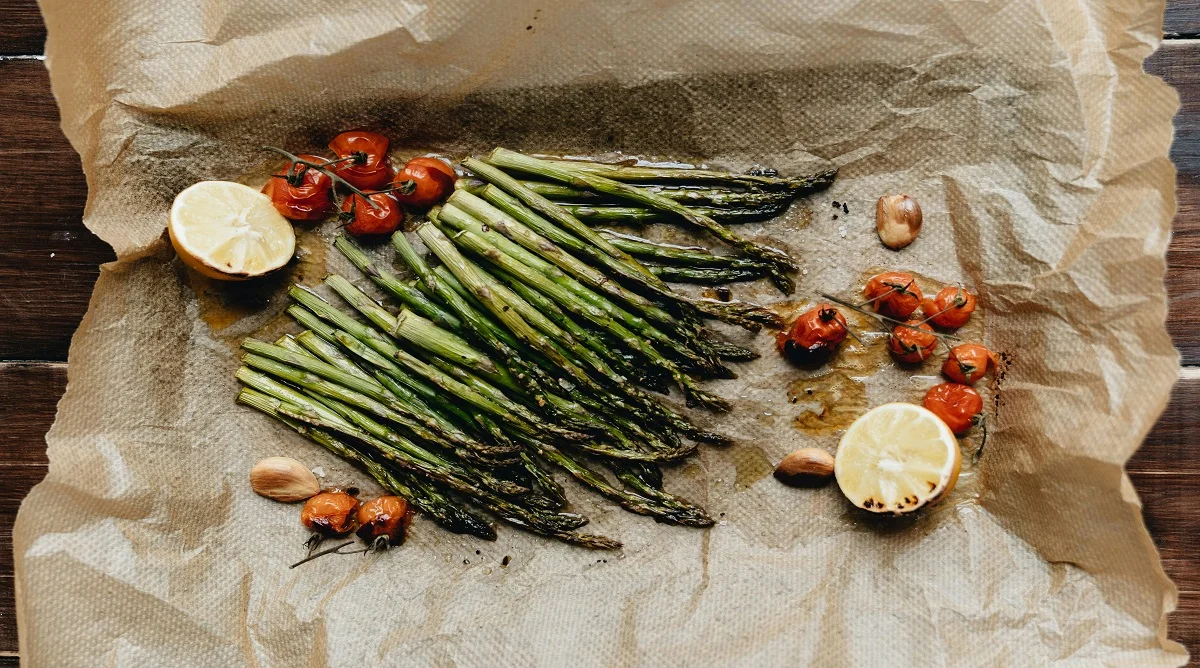
Better eating habits often matter most at dinner, since it’s the meal many people find hardest to manage. By the end of the day, energy is lower, time feels tighter, and the easiest option usually wins. That can lead to rushed takeout, random snacking, or meals that don’t feel very balanced.
The good news is that dinner doesn’t have to be complicated to work well. Many nutrition professionals suggest simple routines that reduce stress and make balanced evening meals easier to repeat. Better eating habits at dinner can help people feel more organized, more satisfied, and less overwhelmed on busy nights.
Why dinner becomes stressful so easily
Dinner usually comes after a full day of decisions, work, errands, family responsibilities, or general fatigue. That means people are often trying to solve the most difficult food decision at the exact time they have the least energy to handle it.
This is where better eating habits help. Instead of relying on evening motivation, simple routines can lower the effort needed to get dinner on the table.
1. Decide on dinner before the evening starts
One of the most effective better eating habits is deciding on dinner earlier in the day. That might mean choosing the meal in the morning, thawing protein ahead of time, or writing down a couple of easy options the night before.
When dinner is still undecided at 6 p.m., the quickest and least balanced option often feels most appealing. A little planning ahead can remove that pressure.
2. Use a simple meal formula
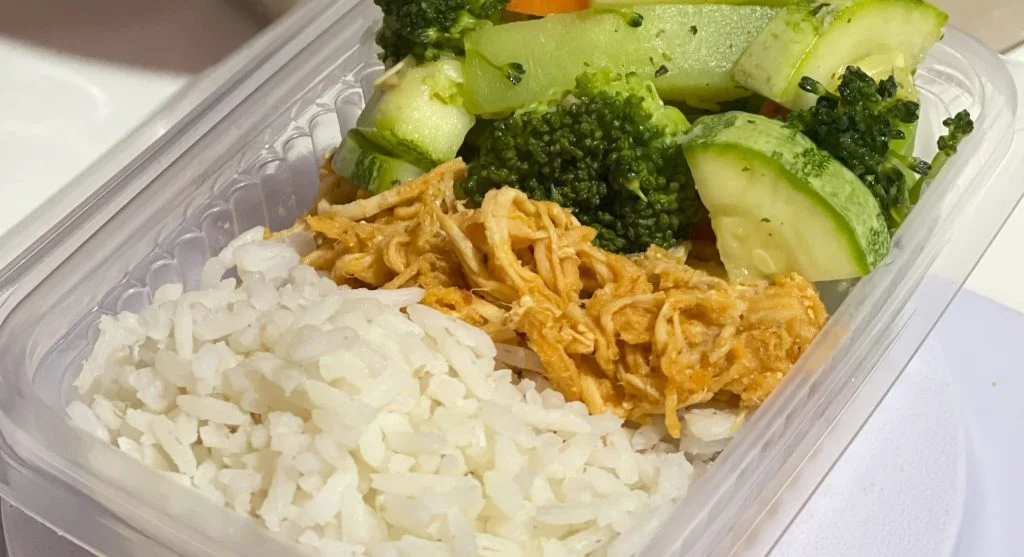
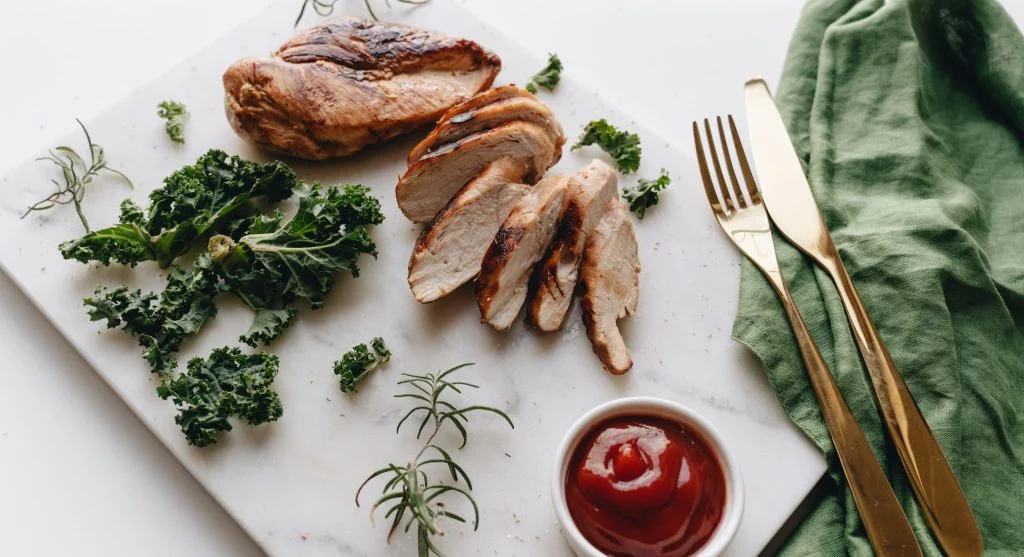
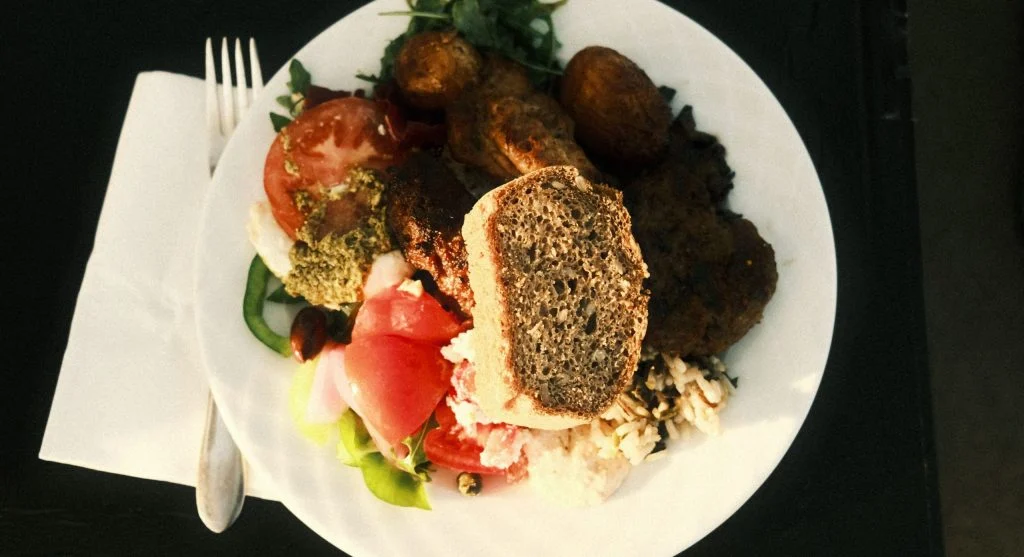
A good dinner doesn’t always need a recipe. It can often be built from four basic parts: protein, vegetables, a grain or starch, and something for flavor. This approach works for bowls, sheet-pan meals, stir-fries, soups, and simple plates.
For example, grilled chicken with potatoes and green beans plus a yogurt-based sauce works well. So does rice with beans, roasted vegetables, and salsa. Better eating habits tend to stick when meals follow a clear, simple structure.
3. Keep vegetables easy, not perfect
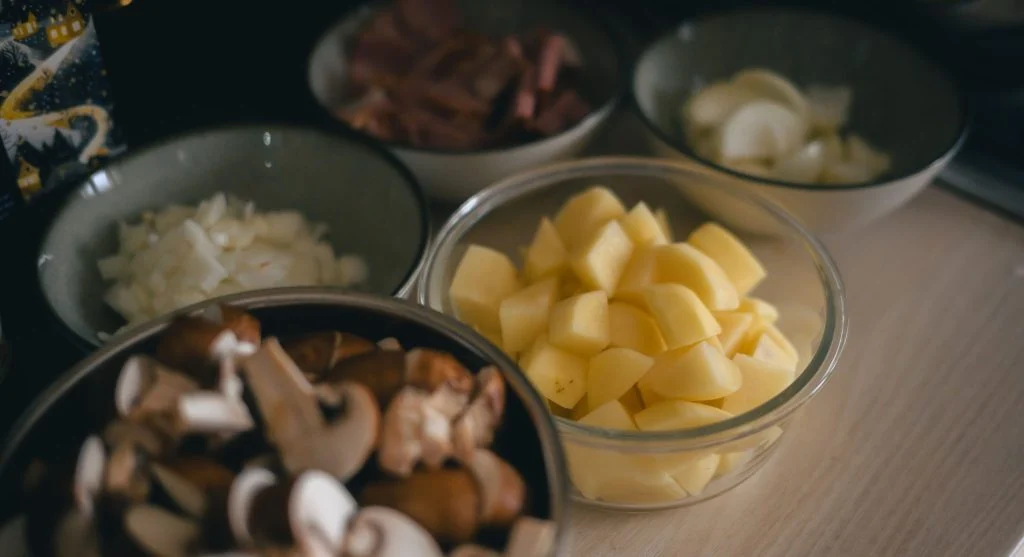
Many people want to include more vegetables at dinner but make the process harder than it needs to be. Better eating habits improve when vegetables are easy to prepare. Frozen vegetables, bagged salads, pre-cut produce, or simple roasting methods can all help.
The goal is consistency, not perfection. A basic vegetable option most nights is far more realistic than a complicated one that rarely happens.
4. Cook enough for leftovers on purpose
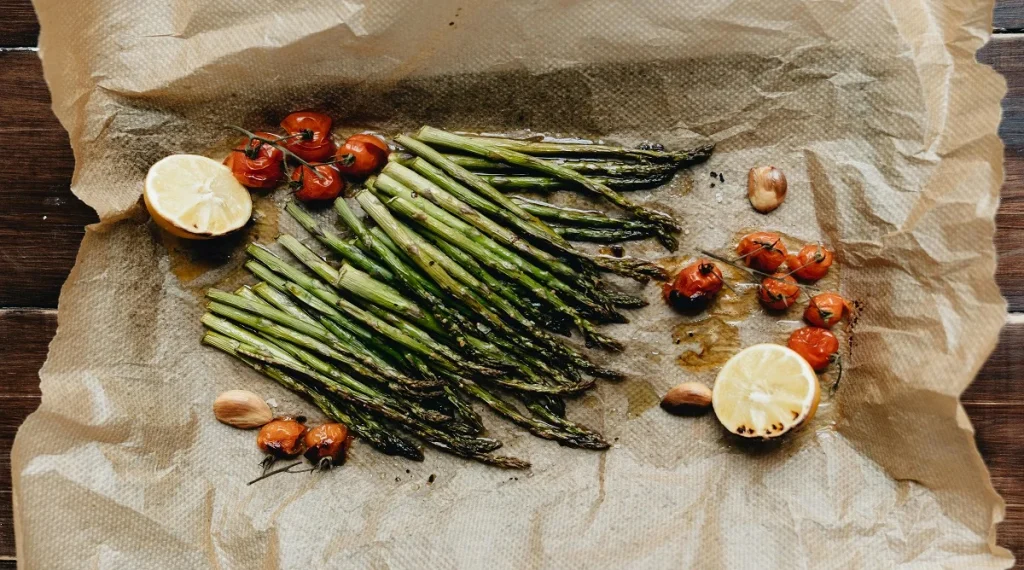
Dinner gets easier when it also helps with tomorrow’s lunch or another meal later in the week. Making extra rice, protein, soup, or roasted vegetables can save time and reduce stress later on.
This is one of the most practical better eating habits because it turns one cooking session into two useful meals. Many experts support this approach since it helps people stay consistent during busy weeks.
5. Use convenience foods that still support balance
Convenience doesn’t work against healthy eating in many cases, it makes it possible. Rotisserie chicken, canned beans, frozen vegetables, bagged salads, cooked grains, and jarred tomato sauce can all be helpful shortcuts.
Better eating habits are more likely to last when they fit into real schedules. Practical foods still count, especially when they keep dinner from becoming chaotic.
6. Avoid waiting until extreme hunger hits
Waiting too long to eat can make it much harder to prepare dinner calmly. Extreme hunger often leads to overeating, rushed decisions, or skipping balanced options in favor of quick snacks.
A small afternoon snack can help prevent this. Many dietitians recommend it because better timing often leads to steadier food choices later in the day.
7. Keep one low-effort dinner ready at all times
Every kitchen benefits from having a simple backup dinner. This could be eggs on toast with fruit, pasta with tuna and peas, soup with a sandwich, or rice with beans and frozen vegetables. It doesn’t need to be exciting—just easy and reliable.
This is one of the better eating habits that helps most on low-energy nights. A backup option can prevent the evening from turning into random snacking or default takeout.
8. Make dinner taste good enough to repeat
Balanced dinners are much easier to stick with when they actually taste good. Flavor can come from herbs, garlic, lemon, yogurt-based sauces, olive oil, spices, salsa, or a favorite seasoning blend. Meals don’t need heavy sauces, but they do need some attention to taste.
Many experts point out that enjoyment is key to consistency. Better eating habits are more likely to last when meals feel satisfying instead of dull.
9. Stop expecting every dinner to be different
Some people feel dinner needs to be something new every night, but that can add unnecessary pressure. In reality, repeating a short list of reliable meals often makes things easier. Stir-fries, sheet-pan dinners, soups, pasta with vegetables, rice bowls, and baked potatoes can all show up regularly without being a problem.Better eating habits often grow through repetition. Familiar meals reduce decision fatigue and make grocery shopping more straightforward.
10. Focus on consistency across the week
Not every dinner will be perfectly balanced, and that’s normal. One night might involve leftovers, another might include takeout, and another could be a home-cooked meal. What matters most is the overall pattern across the week.Public health nutrition guidance often emphasizes steady habits over perfect daily performance. Better eating habits tend to work best when people return to simple, useful routines again and again.
Simple dinner examples that support better eating habits
Dinner idea 1
Baked salmon, rice, and frozen green beans with lemon.
Dinner idea 2
Rice bowl with beans, roasted vegetables, avocado, and salsa.
Dinner idea 3
Whole-grain pasta with tuna, peas, and tomato sauce.
Dinner idea 4
Boiled potatoes, eggs, and a side salad with yogurt dressing.
Frequently Asked Questions
What are better eating habits for dinner?
Helpful habits include planning dinner earlier, using simple meal formulas, keeping backup meals, and relying on practical ingredients.
Does dinner need to be cooked from scratch every night?
No. Balanced dinners can still be made with leftovers, frozen foods, canned ingredients, and other helpful shortcuts.
Why is dinner often the hardest meal?
Dinner often happens when people are most tired, hungriest, and least interested in making complex decisions.
Can repeating dinners still support healthy eating?
Yes. Repeating simple meals often makes healthy eating easier to maintain during busy weeks.

 Eats PEI