 Darren LeBlanc
Better eating changes don’t have to feel dramatic to make a difference. For many people, the challenge isn’t knowing what’s healthy it’s figuring out how to make better choices during busy weekdays when time, energy, and focus are limited.
That’s why small, practical adjustments tend to work better than strict food rules. Many nutrition professionals recommend building routines that feel realistic enough to maintain. Better eating changes can support balanced meals, reduce last-minute decisions, and make daily life feel less rushed around food.
Why weekdays often disrupt healthy eating
Weekdays can put a lot of pressure on meals. People may skip breakfast, rush through lunch, or wait too long before eating dinner. By the time food becomes a priority, they’re often tired and looking for the quickest option.
This is where better eating changes can help. Instead of aiming for perfect eating habits, it’s more useful to improve the parts of the day that usually lead to less balanced choices. Even a few small changes can make meals easier to handle.
1. Make breakfast more reliable
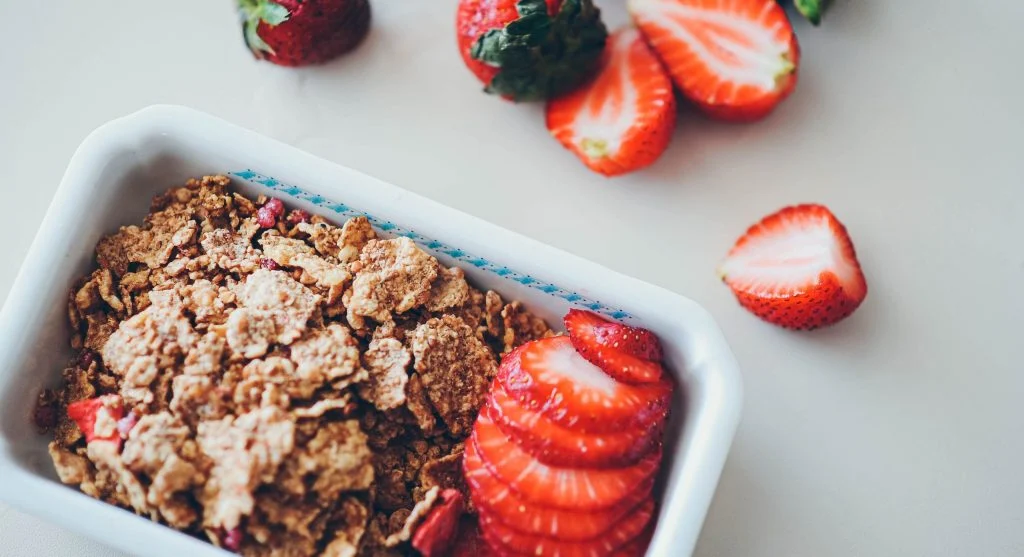
Breakfast doesn’t need to be large, but it helps when it includes more than quick sugar. A combination of protein and fiber can help you stay full longer and avoid a mid-morning energy drop.
Simple options include eggs with toast, yogurt with oats and fruit, or peanut butter on whole-grain bread. Better eating changes often start with the first meal, since it can influence how the rest of the day unfolds.
2. Stop leaving lunch to chance
Lunch is one of the most commonly overlooked meals during busy weekdays. Some people skip it, while others eat too little to stay satisfied. This often leads to strong hunger later and rushed snack choices.
A more practical approach is to plan simple lunches that are easy to repeat. Leftovers, sandwiches with fruit, bean bowls, soups, or yogurt paired with something more filling can all work well.
3. Add one fruit or vegetable to each main meal
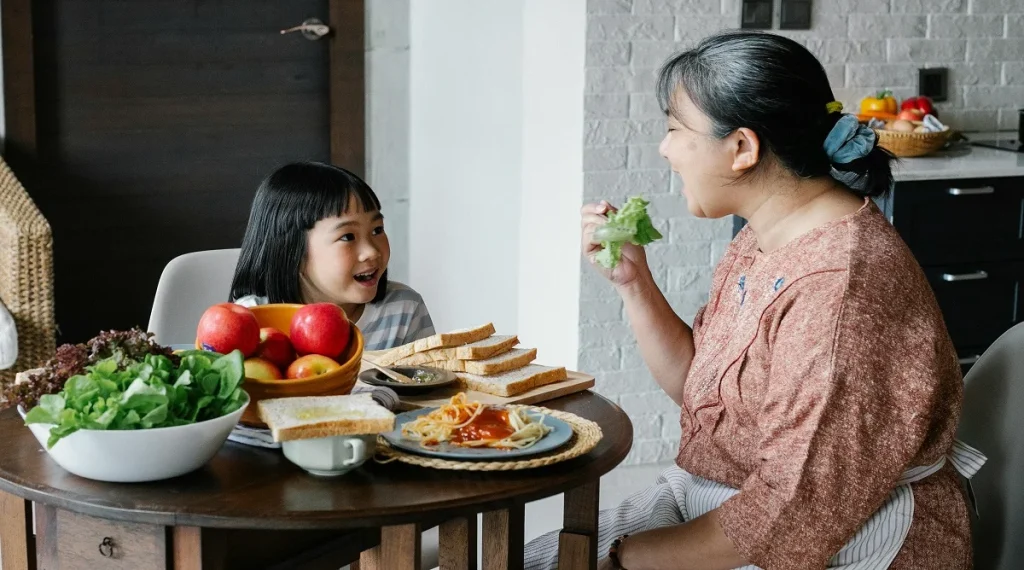
This is one of the easiest better eating changes because it doesn’t require a complete meal overhaul. Adding fruit to breakfast, vegetables to lunch, and a side of produce at dinner can improve meals without adding complexity.
Fresh produce is helpful, but frozen and canned options work just as well. The goal is consistency, not perfection.
Credit Format: Alex Green / pexels
4. Keep a few better snacks ready
Snacks aren’t usually the problem. More often, it’s not having better options available when hunger hits. Yogurt, fruit, nuts, boiled eggs, hummus, popcorn, and cheese are all practical choices to keep within reach.
Better eating changes work best when they prepare for real hunger instead of expecting it to be ignored. A well-chosen snack can help prevent overeating later in the day.
5. Build dinners from simple parts
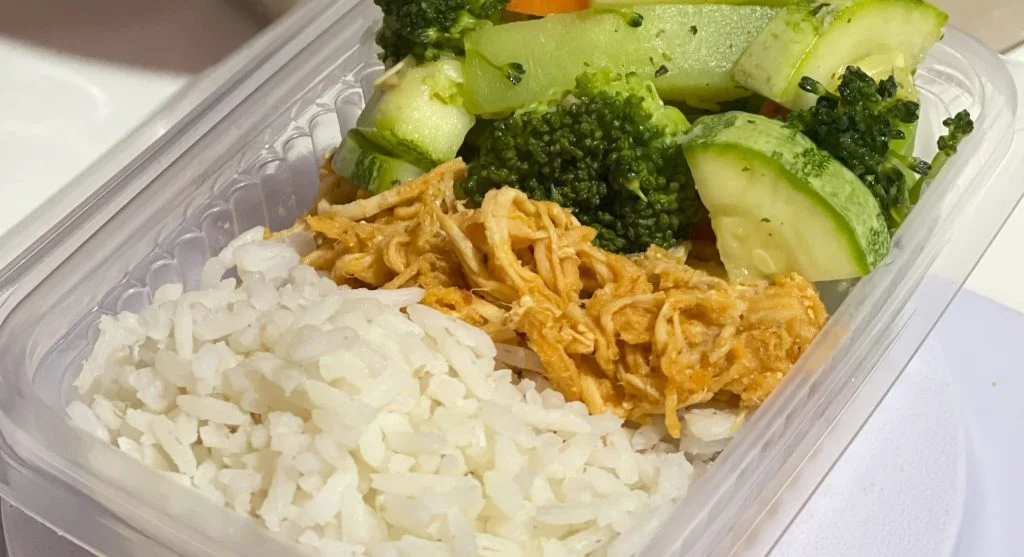
Weeknight dinners feel easier when there’s less pressure to follow a full recipe every time. A balanced meal can come together from a few simple parts: a protein, a vegetable, a grain or starch, and something for flavor.
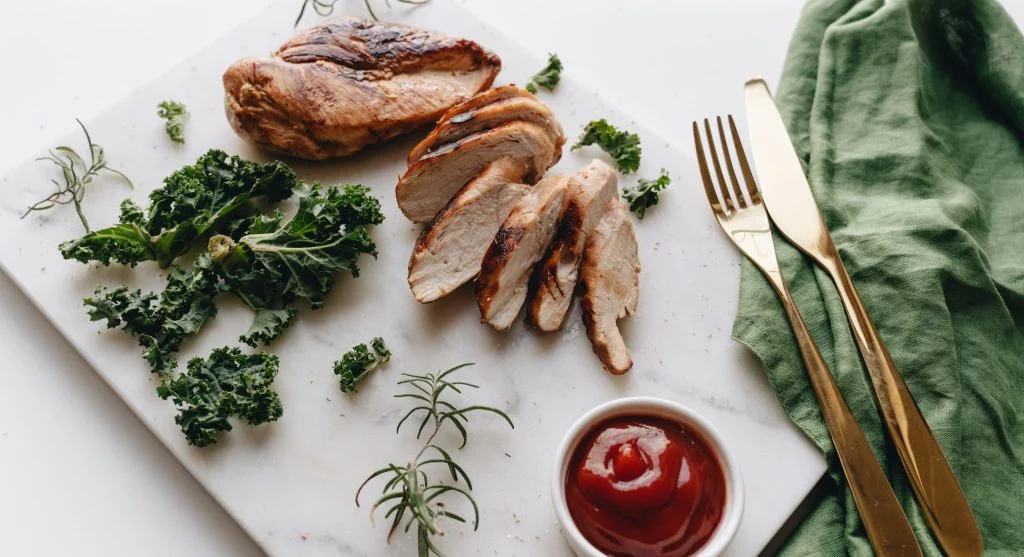
Grilled chicken with potatoes and green beans works. So does rice with beans and roasted vegetables, or pasta with tuna and spinach. Better eating changes often succeed when meals are simpler, not more complicated.
6. Drink water more consistently
Busy schedules can make it easy to forget about drinking water until much later in the day. This can leave people feeling tired or less aware of their hunger. Keeping a water bottle nearby or a glass within reach can help.
Water alone won’t solve every nutrition issue, but it supports better daily habits. Unsweetened tea or flavored water can also be good options for those who don’t enjoy plain water.
7. Use repeat meals to reduce stress
One of the most practical better eating changes is repeating meals that already work. There’s no need to create a different breakfast every day or a brand-new lunch each week. Repetition can save time and reduce decision fatigue.
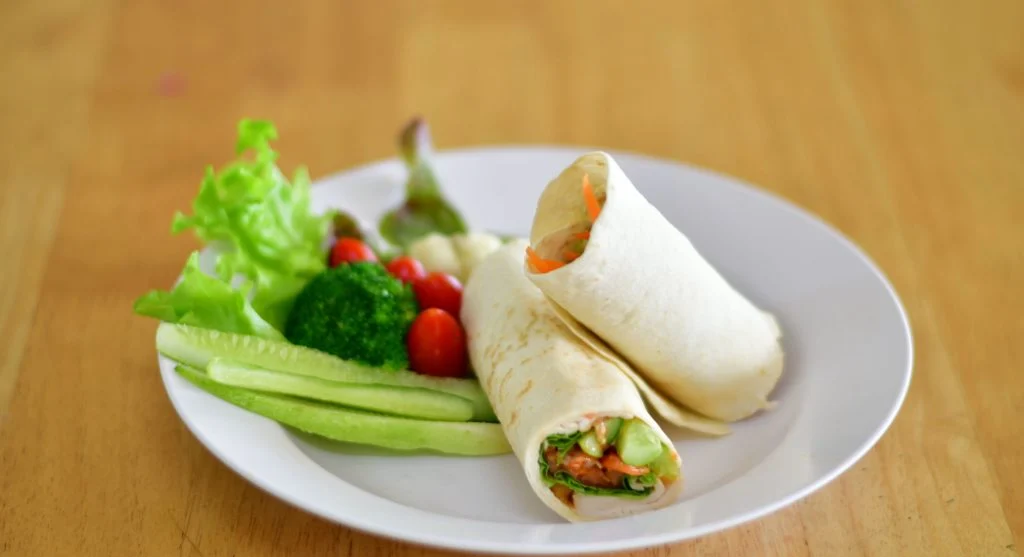
Oatmeal with fruit, egg wraps, grain bowls, and simple soups are all examples that can be repeated without feeling dull. Many experts support these routines because they’re easier to maintain.
8. Keep convenience foods that still help
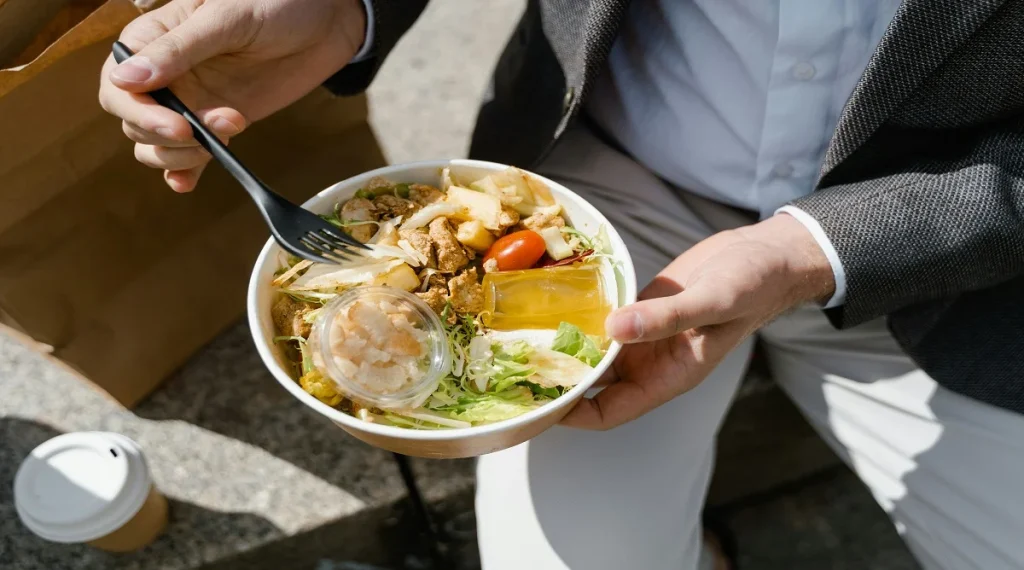
Convenience doesn’t have to work against healthy eating. In many cases, it can support it. Foods like frozen vegetables, bagged salads, canned beans, cooked grains, rotisserie chicken, and pre-cut fruit can make weekday meals more manageable.
These options help reduce the extra effort that often leads to takeout or heavily processed snacks. Better eating changes should fit into a busy life, not compete with it.
Credit Format: MART PRODUCTION / pexels
9. Aim for consistency, not perfect days
Many people feel that healthy eating only counts when every meal is ideal. That kind of thinking can quickly lead to frustration when life gets busy. A more practical goal is to make balanced choices more often throughout the week, even if some meals are rushed or less planned.
Public health guidance often supports steady habits rather than extreme resets. Better eating changes tend to work best when they can hold up even on imperfect days.
How these changes work together
Each of these better eating changes may seem small on its own, but together they help build a stronger daily structure. A more reliable breakfast can reduce random snacking. A planned lunch can support steadier energy. A simple dinner approach can ease stress at the end of the day.
When food routines feel easier to follow, people are more likely to stick with them. That consistency is often where the greatest long-term value comes from.
Frequently Asked Questions
What are better eating changes?
Better eating changes are small and practical adjustments that make daily meals more balanced and easier to manage.
Do weekdays make healthy eating harder?
They often do because busy schedules can lead to skipped meals, rushed food choices, and less planning.
Can convenience foods fit into better eating?
Yes. Helpful convenience foods can make balanced meals easier during busy days.
Do people need perfect meals to eat well?
No. Most experts support consistent good habits over all-or-nothing meal patterns.

 Eats PEI