 Eats PEI
Weeknight dinners often become stressful for a very ordinary reason. The main meal is almost working, but not quite. Soup feels a little too light. Pasta feels too plain. Eggs and toast feel unfinished. A rice bowl looks fine, yet somehow still seems like it will not carry the rest of the evening. In many homes, this is the exact point where dinner starts feeling harder than it should. People may assume the whole meal needs to be rebuilt, or they start adding random foods without much direction. Very often, though, dinner does not need a full reset. It just needs one useful side that quietly solves what the meal is missing.
Meal-planning educators often explain that many practical dinners improve through smarter support, not bigger recipes. A backup side helps because it lowers pressure in the moment. The cook does not need to invent a new dinner. They only need one dependable food that can add structure, freshness, more staying power, or a clearer finish. This is why weeknight meals often feel easier when one backup side quietly fixes what dinner is missing.
Why Dinner Problems Are Often Smaller Than They First Seem
One reason weeknight meals feel stressful is that dinner problems usually appear when energy is already low. That makes a small gap in the meal feel much bigger than it really is. Someone may think dinner is weak, when the real issue is simply that the meal needs one more useful food beside it. The dinner itself may already be doing most of the work.
Cooking coaches often note that this is where practical meal sense matters most. If the problem is small, the fix should stay small too. A backup side works because it fills the missing piece without turning dinner into another project.
Why a Backup Side Helps More Than a Backup Meal in Some Moments
Backup meals are helpful, but they are not always the best answer once dinner has already started. If soup is already warm, pasta is already plated, or rice is already on the table, most people do not want to begin again from the start. A backup side fits that moment better. It works with the meal that already exists instead of replacing it.
Meal educators often explain that this kind of support reduces waste, saves effort, and helps the meal feel complete much faster. It is usually easier to add than to start over.
How One Side Can Solve Several Different Dinner Problems
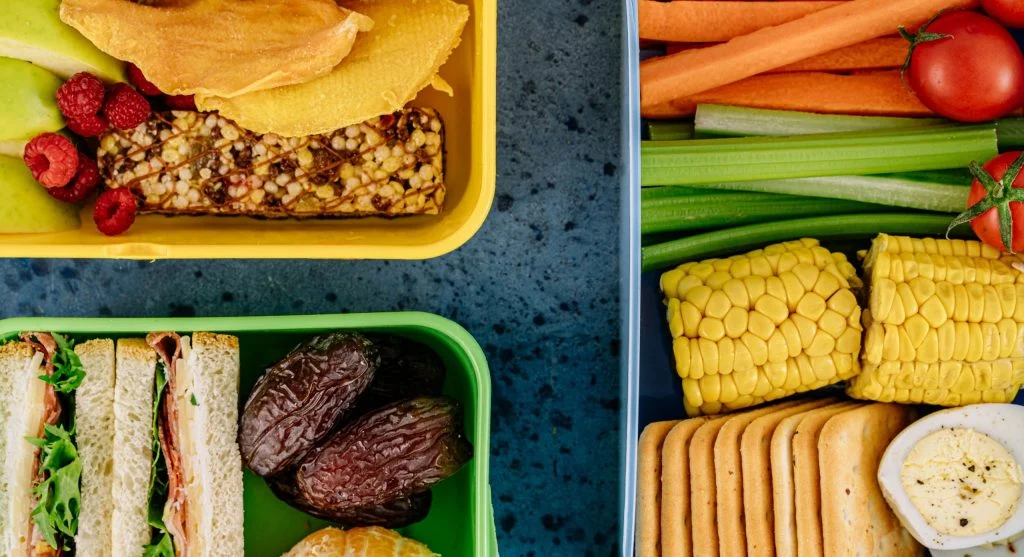
A backup side is useful because the same side can solve several kinds of dinner weakness. Toast can help a soft meal feel steadier. Fruit can brighten a heavy or repetitive meal. Yogurt can add protein and moisture. Cut vegetables can bring freshness. Rice or potatoes can help a light meal carry the evening better. The value of the side is not only what it is. It is what it fixes.
Food routine educators often explain that the best support foods are the ones that work in several situations. That flexibility is what makes them worth keeping around during the week.
Why Soup Dinners Often Show the Value of a Backup Side Most Clearly
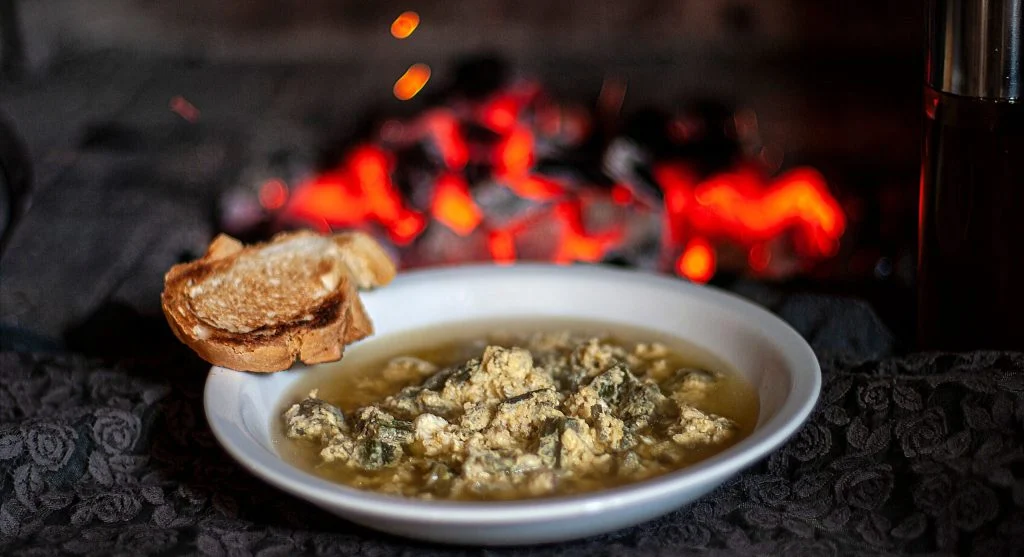
Soup is one of the clearest examples because it often feels close to enough without always being enough by itself. A bowl of soup may be warm, comforting, and practical, but it can still feel unfinished if nothing supports it. Toast, crackers, fruit, yogurt, or a simple salad can change that quickly. The soup does not become a different dinner. It simply stops working alone.
Meal coaches often recommend thinking about soup this way because it shows that support foods are not an afterthought. They are often part of what makes the meal truly work.
Why Fresh Foods Often Make Weeknight Dinners Feel More Finished
Freshness is one of the most common things missing from quick evening meals. A dinner may have enough food and still feel flat because nothing fresh is helping it feel complete. Fruit, cucumbers, greens, tomatoes, or another quick produce side can fix that very quickly. These foods often add more than flavor. They also make the meal feel less one-note.
Dietitians often note that meals feel more balanced not only because of nutrients, but also because of how satisfying the full eating experience feels. Freshness can quietly improve that experience in a big way.
Why Backup Sides Reduce Decision Fatigue at the Hardest Time of Day
Weeknight cooking often feels difficult because too many decisions pile up at once. What should the main dish be? Is there enough protein? Does the meal need a vegetable? Is it too light? Will someone want something else later? A backup side helps because it removes one layer of uncertainty. Instead of solving the entire dinner from scratch, the cook already has one reliable way to strengthen it.
Meal-planning educators often explain that repeatable food systems matter because they reduce evening friction. One backup side can become a very effective part of that system.
Why Some Sides Work Better Because They Need Almost No Prep
A side only works as a real backup if it is easy enough to use when the evening is already busy. That is why simple options often matter most. Yogurt needs no cooking. Fruit may only need washing or slicing. Toast and crackers are quick. Leftover rice or potatoes may already be ready. Bagged salad or cut vegetables can appear with very little extra effort. These foods work because they respect the reality of a weeknight.
Cooking educators often point out that useful meal support is usually much simpler than people expect. The best backup side is often the one that can show up even on a tired evening.
How a Backup Side Can Reduce Late-Evening Food Drift
One quiet benefit of a better-supported dinner is that it can reduce the food drift that often happens later. When dinner is just slightly too weak, the rest of the night may fill with small extra bites that do not feel very intentional. A backup side may not prevent all later eating, but it often helps dinner feel more settled. That alone can make the evening feel calmer.
Dietitians often explain that dinner usually works best when it covers enough of the evening that later eating feels chosen rather than reactive. A good side can help create that difference.
Why Repeated Side Foods Are Often More Useful Than Creative Ones
Busy households often benefit more from a few dependable side foods than from many creative side ideas. Repeated foods such as toast, fruit, yogurt, rice, potatoes, crackers, or simple vegetables may keep showing up because they keep solving the same problems well. That repetition is often a strength. It means the kitchen has practical support foods ready when dinner needs help.
Meal routine coaches often support repeated support foods because they lower shopping stress and make weeknight meals easier to steady without much extra planning.
How People Can Tell What Side Dinner Still Needs
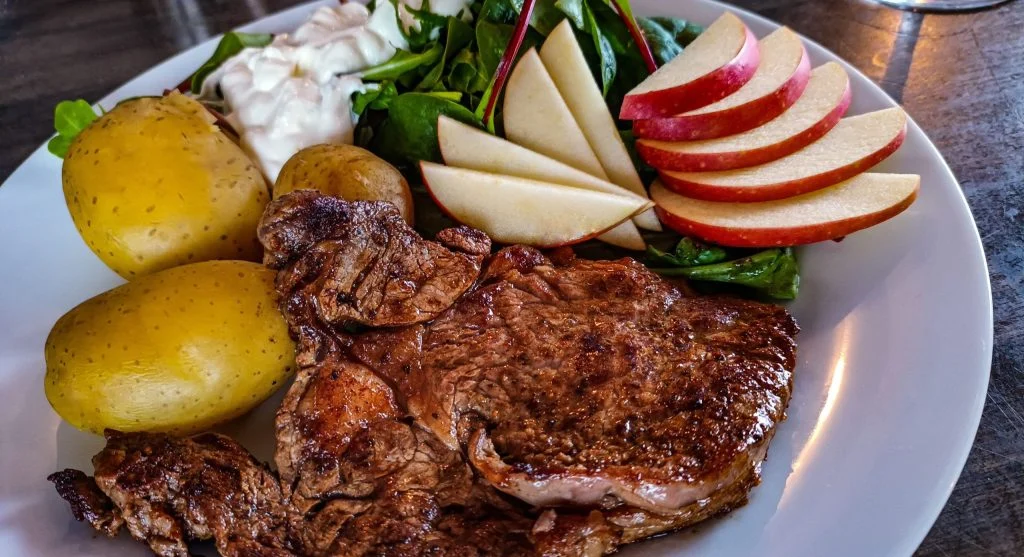
A useful question is not “What side sounds good?” but “What is dinner missing?” If the meal feels too light, it may need rice, bread, or potatoes. If it feels too soft, toast or crackers may help. If it feels too dry, yogurt or hummus may make it work better. If it feels too plain or heavy, fruit or vegetables may add the freshness the plate still needs. This way of thinking turns sides into practical problem-solvers instead of extra chores.
Food educators often recommend this simple check because it helps weeknight meals stay realistic. Dinner may already be almost there. One backup side may be enough to finish the job.
Why This Habit Often Makes the Whole Kitchen Feel More Capable
One benefit of keeping a backup side in mind is that it often builds more confidence in the kitchen overall. Dinner problems stop feeling like total failures and start feeling like small adjustments. The person cooking no longer has to get every meal perfect on the first try. They know there is one simple support food that can help when needed.
Meal-smarts educators often explain that sustainable kitchen confidence comes from useful systems more than perfect recipes. A backup side is a very small system, but it can help much more than people expect.
Frequently Asked Questions
Q: Why does one backup side help weeknight dinners so much?
A: Because it can solve one missing part of the meal quickly without forcing the cook to replace or rebuild the whole dinner.
Q: What makes a good backup side?
A: A useful backup side is easy to keep on hand, fast to prepare, and flexible enough to support several kinds of meals.
Q: Do backup sides always need cooking?
A: No. Many strong backup sides such as fruit, yogurt, crackers, or cut vegetables need very little or no cooking at all.
Q: Can a side really change how complete dinner feels?
A: Yes. A side can add structure, freshness, texture, or more staying power, which often changes how useful the full meal feels later.