 Eats PEI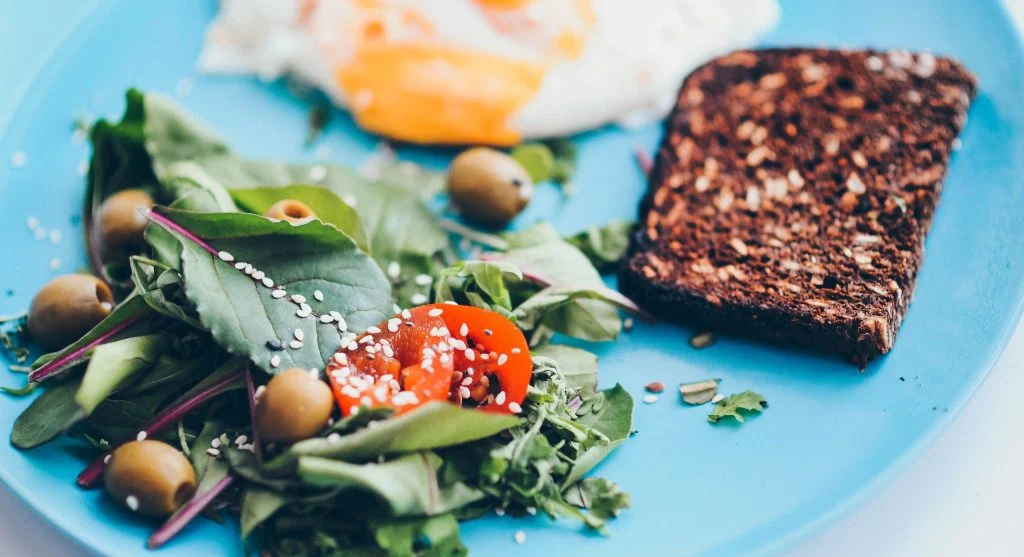
Simple lunch plates often look like they should be enough. A little fruit, some crackers, maybe yogurt, a few vegetables, or a small leftover portion can all seem reasonable when each item is viewed on its own. Then the afternoon starts, hunger comes back sooner than expected, and the lunch that looked fine begins to feel scattered in hindsight. In many cases, the problem is not that the lunch foods were poor choices. The bigger issue is that the plate did not have one filling food strong enough to hold the meal together.
Food educators often explain that lunch works better when one ingredient gives the plate shape and weight. That filling food does not need to be complicated or heavy. It only needs to help the meal feel like an actual meal instead of a group of separate foods. This is why simple lunch plates often work better when one filling food keeps the whole meal from feeling scattered.
Why Simple Lunches Often Look Stronger Than They Feel Later
Lunch can feel deceptively complete because variety is easy to mistake for support. A plate with several smaller foods may look colorful, balanced, and practical. But if none of those foods gives the meal real staying power, the plate may only calm hunger for a short time. That is when the afternoon starts to feel longer than expected.
Dietitians often note that lunch needs more than visual balance. It also needs enough substance to support the next several hours. A plate can look well-built and still feel weak later if it does not have one stronger anchor.
Why One Filling Food Often Changes the Whole Lunch
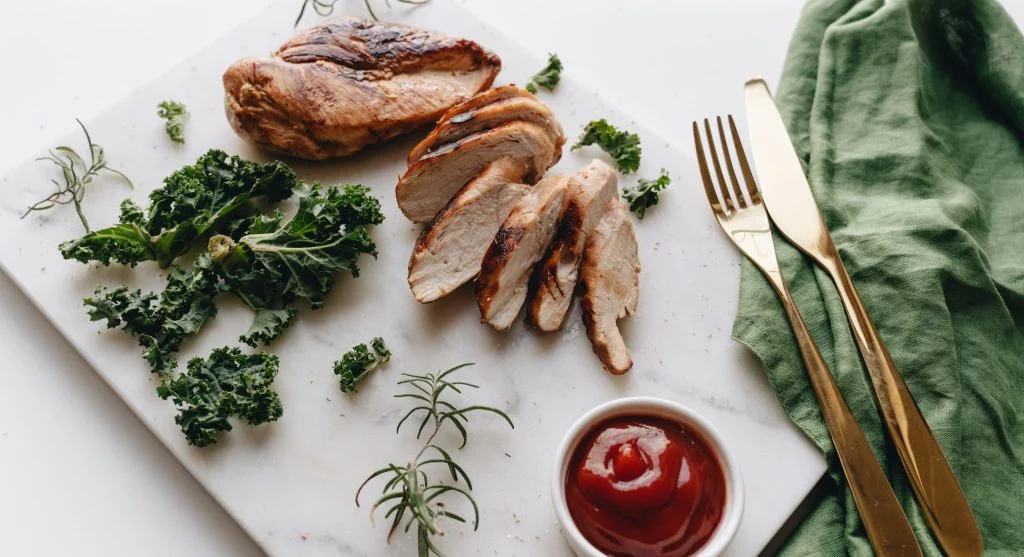
One filling food can change lunch because it gives the meal a clear center. Instead of five small foods each trying to do a little bit, one dependable food takes on the main job of carrying the plate. The rest of the lunch can then support that anchor instead of trying to replace it. That makes the meal feel clearer, steadier, and often more satisfying without requiring much extra effort.
Meal-planning coaches often explain that simple meals work best when one part leads and the rest supports. Lunch responds especially well to this because midday meals often happen under time pressure, leaving little room for overly delicate meal planning.
How Lunch Starts Feeling Scattered Without a Stronger Anchor
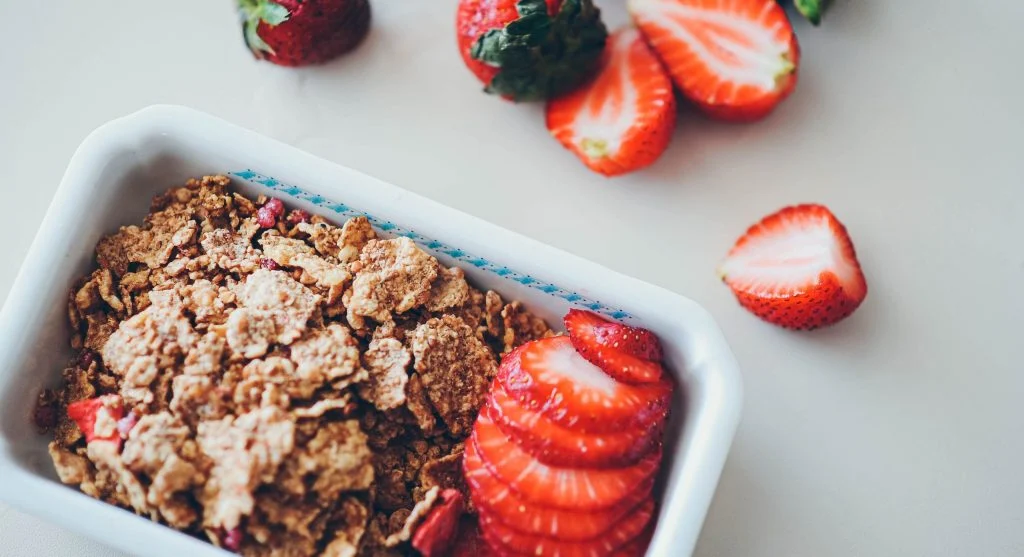
A scattered lunch often follows the same pattern. There may be freshness, crunch, and convenience, but not enough total support. Fruit may be there. Crackers may be there. A dairy food or vegetable side may be there. Still, the meal feels like it has no center. Most people notice this later, not while they are putting the plate together.
Food routine educators often point out that scattered meals can create scattered afternoons. A person may keep thinking about food, keep noticing hunger, or keep reaching for another small snack because lunch never fully settled the middle of the day.
Why Eggs Often Work Well as the Filling Food
Eggs are one of the strongest choices for simple lunch plates because they are flexible, familiar, and easy to pair with smaller sides. Boiled eggs with fruit, crackers, and vegetables often make a much stronger lunch than those same sides would make alone. Eggs help the meal feel more intentional without requiring a full lunch recipe.
Dietitians often support eggs in lunch routines because they provide protein, travel well, and fit into many lunch styles with little extra preparation. For busy days, that practicality matters.
Why Wraps Often Help Small Lunch Foods Work Better Together
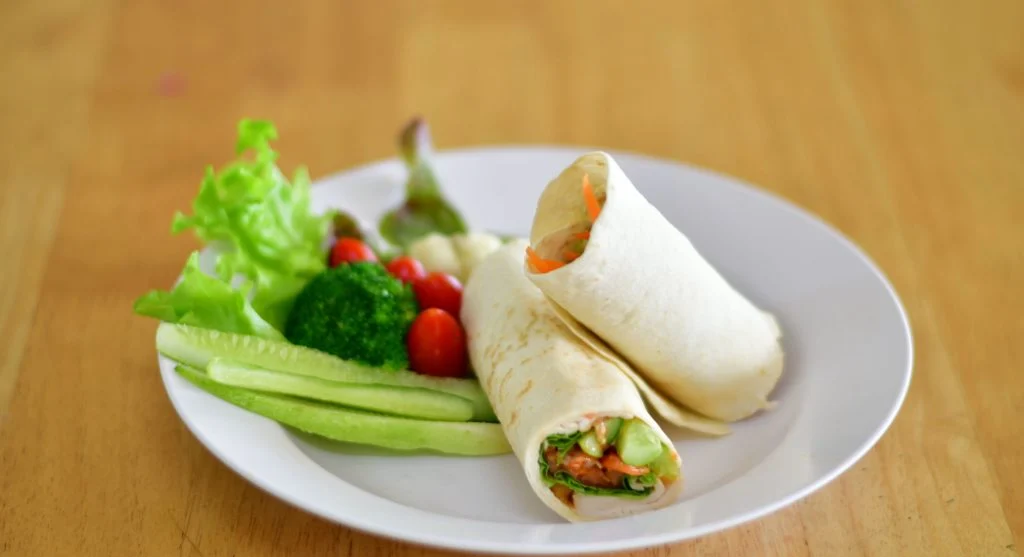
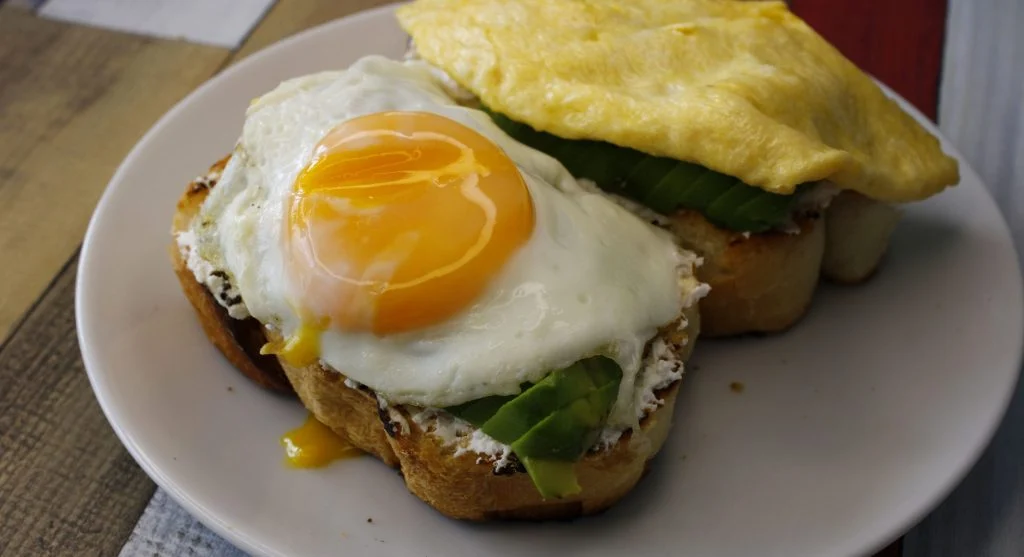
A wrap is another filling food that can quickly give simple lunches more structure. Hummus, chicken, eggs, beans, greens, and chopped vegetables may all feel disconnected when they sit separately on a plate. Once some of them are wrapped into one stronger base, lunch often feels much more complete. Fruit or yogurt on the side can then support the meal instead of trying to become the meal.
Meal educators often recommend wraps because they reduce the feeling of randomness. They give small ingredients a clear job and make lunch easier to eat under real weekday conditions.
Why Rice or Grains Often Help Lunch Last Longer
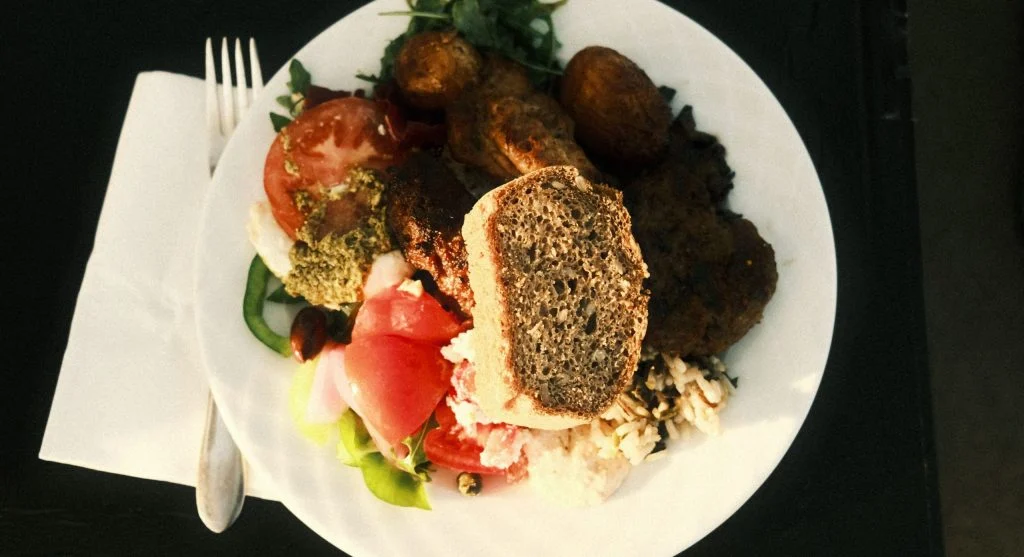
Cooked rice or another grain can be a useful anchor when lunch needs more staying power. A small bowl built around rice, beans, vegetables, eggs, or tuna often feels steadier than the same foods placed in tiny separate portions with no main base. Grains can help simple lunches feel more like meals without requiring a large amount of food.
Cooking coaches often explain that a useful lunch anchor does not have to be dramatic. Sometimes a dependable base is what gives the whole meal enough shape to work well through the afternoon.
Why Yogurt Can Work as a Filling Food in the Right Plate
Greek yogurt is often treated as only a side or snack, but it can also become the main filling food in a simple lunch plate when paired thoughtfully. Yogurt with fruit, oats, nuts, and crackers or toast can make a stronger lunch than many people expect. The key is that yogurt is acting as the anchor, not as one tiny item among several other light foods.
Nutrition educators often explain that foods become more or less useful depending on context. Yogurt may feel too small as a side by itself, but as the central food in a well-supported plate, it can work very well.
How One Filling Food Reduces Afternoon Food Drift
Afternoon food drift often begins when lunch was never quite enough. The person may not feel sharply hungry right away, but the rest of the day starts filling with small extra eating moments. A piece of something here, a sweet bite there, another snack later. A stronger lunch anchor often reduces this drift because the midday meal feels more complete from the beginning.
Meal routine coaches often explain that a good lunch does more than cover noon. It protects the afternoon from becoming a long period of low-level food searching.
Why Fruit and Vegetables Still Matter After the Anchor Is Chosen
One filling food does not mean the rest of the plate stops mattering. Fruit and vegetables often make the meal fresher, easier to enjoy, and more balanced overall. The difference is that they no longer have to carry the whole lunch alone. Once the plate has a clear anchor, these foods can support the meal much more effectively.
Food educators often explain that support foods work best when they are truly supporting something. That is one reason simple lunch plates usually improve so much once a strong center is present.
Why Simple Lunch Plates Often Succeed With Repetition
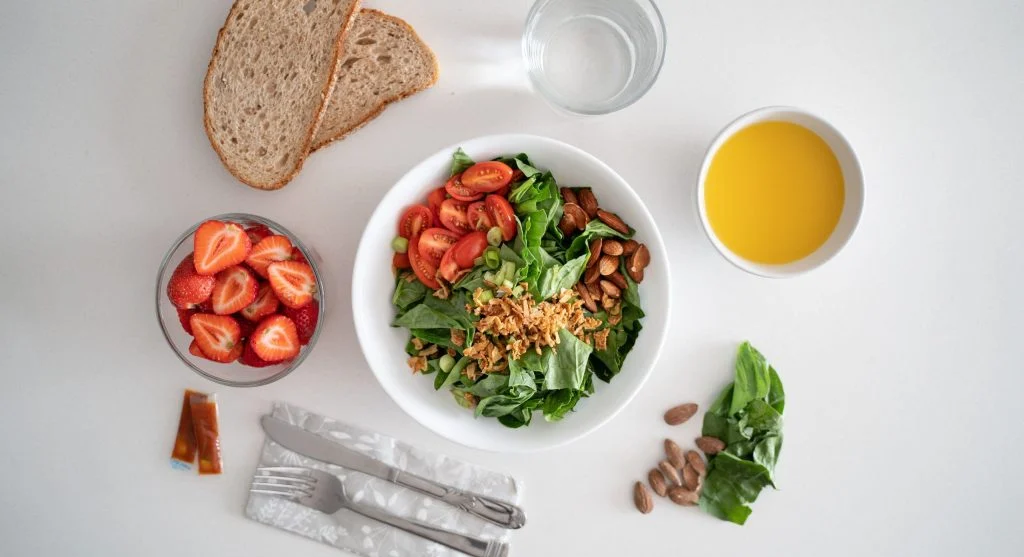
Some of the most useful lunches are repeated lunches. Eggs one week, wraps across several days, rice bowls from leftovers, or yogurt-based lunch plates may return often because they work. That repetition is not usually a weakness. It often means the lunch is practical enough to survive real weekdays. A filling anchor makes that repetition easier because the basic structure stays dependable even when the side foods change a little.
Meal-planning educators often recommend repeated lunch anchors because they reduce decision fatigue and make midday food coverage much more reliable.
How People Can Tell if Lunch Needed a Stronger Center
A helpful question is not only whether lunch looked healthy. It is whether the plate helped the next few hours feel easier. If hunger came back quickly, if snacking increased without much intention, or if the whole meal felt like it disappeared too fast, lunch may have needed a stronger main food. That does not mean the smaller foods were wrong. It often means they needed one more filling partner.
Dietitians often suggest judging meals by how they behave later, not only by how they looked when first prepared. Lunch especially tends to reveal its strengths or weaknesses in the afternoon, not at noon.
Frequently Asked Questions
Q: Why does one filling food help simple lunch plates so much?
A: Because it gives the meal a clear center and makes the rest of the lunch feel more supportive instead of scattered.
Q: What foods work well as a filling lunch anchor?
A: Eggs, wraps, rice, grains, yogurt, beans, chicken, or another reliable food that can carry the plate more clearly.
Q: Does this mean side foods matter less?
A: No. Fruit, vegetables, crackers, and other side foods still matter, but they usually work better once the meal has one stronger center.
Q: How can someone tell if lunch felt too scattered?
A: Often the afternoon shows it. Hunger may return too quickly, snacking may increase, or the meal may feel like it never really held together.