 Darren LeBlanc
In real life, breakfast habits often depend on hunger, schedule, sleep, routine, and what the rest of the day looks like. That is why it helps to step back from rigid rules and look at what actually supports the morning. These food myths can make breakfast feel confusing, but a more practical view can make mornings easier to manage.
Why breakfast advice feels so mixed
Breakfast is one of the most debated meals of the day. Some messages treat it like the most important thing a person can do each morning. Other messages suggest it is completely optional for everyone. But daily eating rarely works well under one universal rule.
This is why food myths spread so easily around breakfast. They often sound simple, but they leave out the personal details that actually matter, such as appetite, routine, work schedule, and how the body feels later in the day.
1. Skipping breakfast is always a bad choice
This is one of the most common food myths around mornings. Some people feel fine eating later in the day, while others feel much better with breakfast soon after waking. Breakfast is not automatically required at the same time for every person.
What matters more is whether the pattern supports energy, focus, and a manageable level of hunger through the next few hours. A skipped breakfast that leads to extreme hunger soon after may not work well, but that does not mean the same rule applies to everyone.
2. Skipping breakfast never affects the rest of the day
Another common myth moves too far in the opposite direction. Some people genuinely do fine with a later first meal, but others notice that skipping breakfast makes them overly hungry, distracted, or more likely to snack randomly before lunch.
This is one of the food myths that causes confusion because it assumes every body responds the same way. In real life, breakfast habits often need to be judged by what happens afterward, not by the rule alone.
3. Coffee can always replace breakfast
Coffee may feel helpful in the morning, but it does not always do the job of food. For some people, coffee alone may be fine for a short time. For others, it may delay hunger only briefly and lead to a sharper crash or stronger hunger later.
This is one of the more practical food myths to question because many rushed mornings rely on drinks instead of meals. A piece of toast, fruit with yogurt, or eggs may offer much more support than coffee alone when the morning is long.

4. A person is either a breakfast eater or not
This myth treats breakfast habits as fixed, even though they often change with schedule, age, work patterns, stress, sleep, or physical activity. A person may want breakfast during some seasons of life and not during others. Even the same person may want different routines on weekdays and weekends.
This is one of the food myths that can make people feel stuck. Morning eating habits are often much more flexible than that.
5. A small breakfast does not count
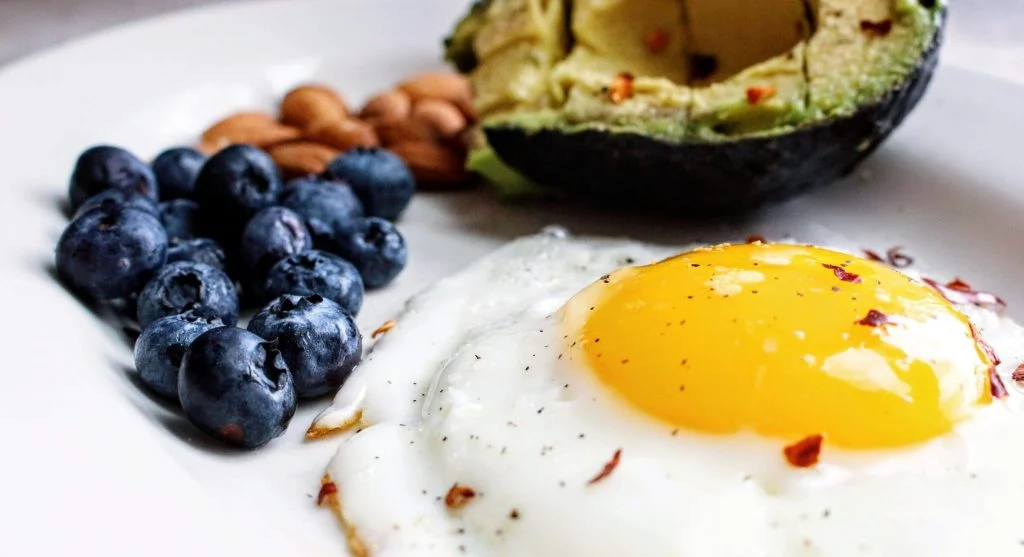
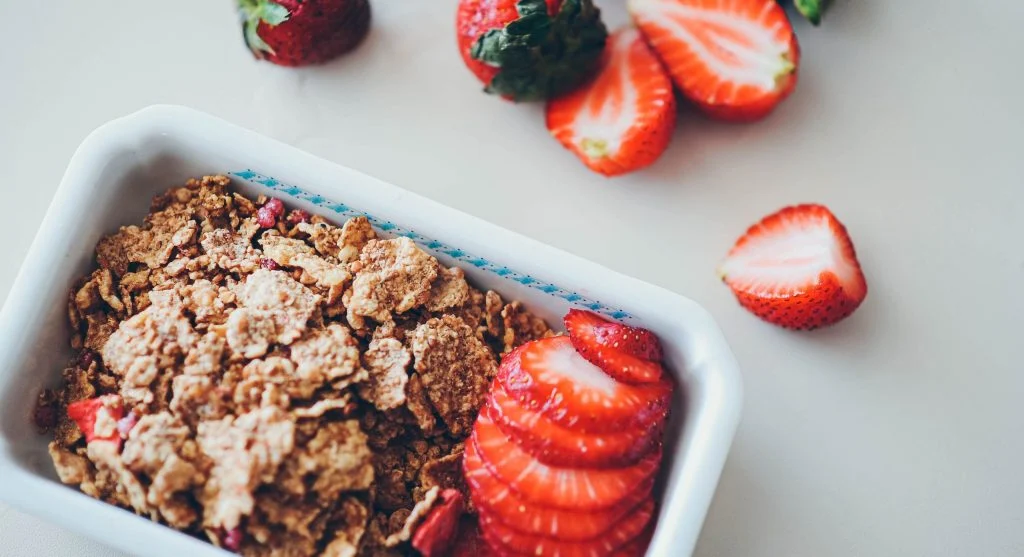
Some people assume breakfast only matters if it is a full plate eaten calmly at the table. But a smaller breakfast can still be useful. Yogurt with fruit, a banana with nut butter, overnight oats, or eggs with toast may still support the morning well.
This is one of the most helpful food myths to leave behind because it reduces all-or-nothing thinking. A practical breakfast is often better than waiting for a perfect one.
6. Breakfast should always happen right after waking
Some people wake up hungry and want food right away. Others need time before breakfast feels comfortable. Both can be normal. Breakfast timing often depends on personal appetite, sleep schedule, commute, and what the next meal will look like.
This food myth creates unnecessary pressure by treating one time rule as correct for everyone. In practice, timing matters less than whether the eating pattern works for the person.
7. If breakfast is skipped, the next meal will automatically fix everything
Sometimes a skipped breakfast leads to a balanced lunch later with no major issue. Other times it leads to rushed snacking, overeating, or feeling distracted for hours first. There is no automatic reset just because another meal happens later.
This is one of the food myths that makes mornings harder because it ignores how hunger builds across time. A later meal may help, but it does not always erase the effect of a weak morning routine.
8. Skipping breakfast is always about discipline
Breakfast habits are often influenced by routine, not only by willpower. Early shifts, school runs, nausea in the morning, long commutes, stress, and lack of preparation can all affect whether breakfast happens. That does not automatically reflect a person’s discipline.
This is one of the more unhelpful food myths because it turns a practical issue into a personal judgment. Morning eating is often easier to improve through systems and preparation than through pressure.

9. A later first meal is always unhealthy
A later first meal may work fine for some people, especially when it fits their appetite and does not lead to difficult hunger patterns later. The problem is not always the clock. The more useful question is whether the full eating pattern supports energy and manageable hunger across the day.
This is one of the food myths that can make people judge timing too quickly instead of looking at how the routine actually feels in practice.
10. Breakfast choices need perfect rules to matter
This may be the biggest food myth of all. Some mornings may need a full breakfast. Others may only allow something small. Some may begin with a later meal. What usually matters most is whether the pattern feels practical, supports hunger well enough, and is easy enough to repeat in real life.
Balanced eating often depends more on useful routines than on perfect rules. That is especially true for mornings, when time and energy are limited.
What actually matters more than breakfast myths
A better way to think about breakfast is to ask a few practical questions. Am I hungry now or likely to be soon? How long until my next meal? Will coffee alone be enough? Would something small help even if I do not want a full meal? These questions are usually more helpful than strict breakfast rules.
That approach supports a more flexible and realistic morning routine. It allows people to eat in ways that match the actual day instead of forcing one fixed pattern every time.
Frequently Asked Questions
What are food myths about breakfast skipping?
They are oversimplified beliefs that make morning eating seem more rigid or more universal than it really is.
Is skipping breakfast always unhealthy?
No. It depends on the person, the schedule, and how the rest of the day feels afterward.
Can a small breakfast still be useful?
Yes. A smaller breakfast can still support the morning well if it fits hunger and routine.
What matters most about breakfast habits?
What matters most is whether the eating pattern supports energy, focus, and manageable hunger through the next several hours.
Key Takeaway
Food myths about breakfast skipping often make mornings more confusing by turning flexible habits into strict rules. In practice, breakfast decisions usually work best when they respond to hunger, timing, and what the rest of the day needs. Many experts support practical food routines over one-size-fits-all advice. In everyday life, the strongest breakfast habit is often the one that is realistic, supportive, and easy enough to keep using.

 Eats PEI