 Darren LeBlanc
In real life, quick meals often keep daily routines going. They help people eat when schedules are full, energy is low, or cooking from scratch is not realistic. Looking closely at common food myths can make it easier to see how fast meals can still be practical, satisfying, and balanced enough for ordinary life.
Why quick meals get judged so easily
Quick meals are often compared to idealized meals that involve more time, more preparation, and more ingredients. Because of that, they can seem like a compromise rather than a normal part of balanced eating. But everyday food routines usually need some meals that come together fast.
This is where food myths can be especially unhelpful. They make speed sound like a problem, even though practical meals often depend on speed to work at all.
1. A quick meal cannot be balanced
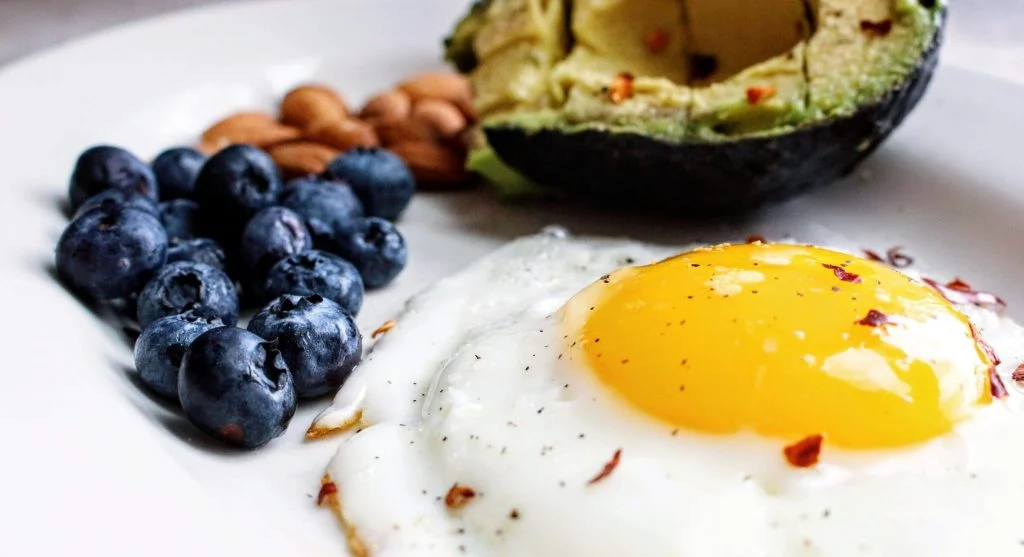
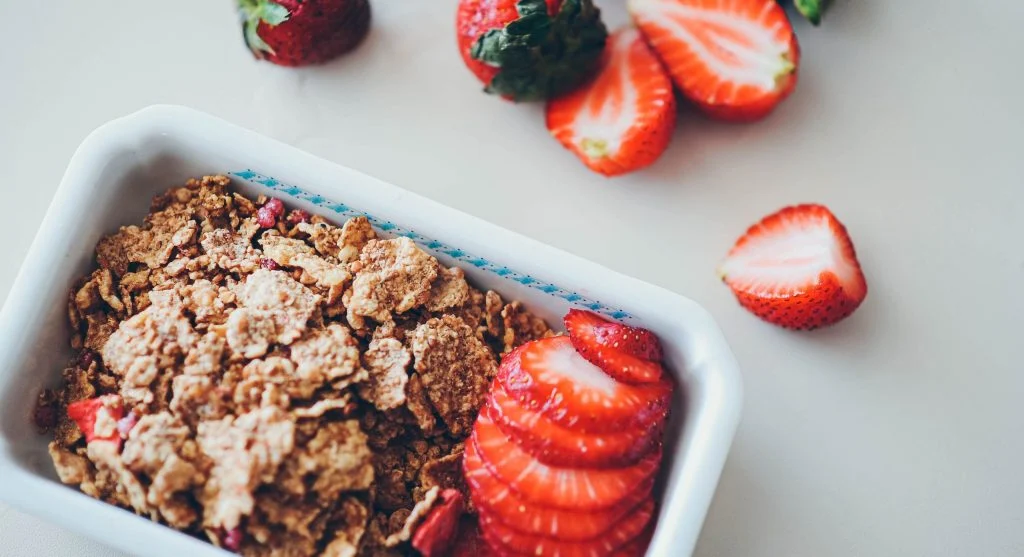
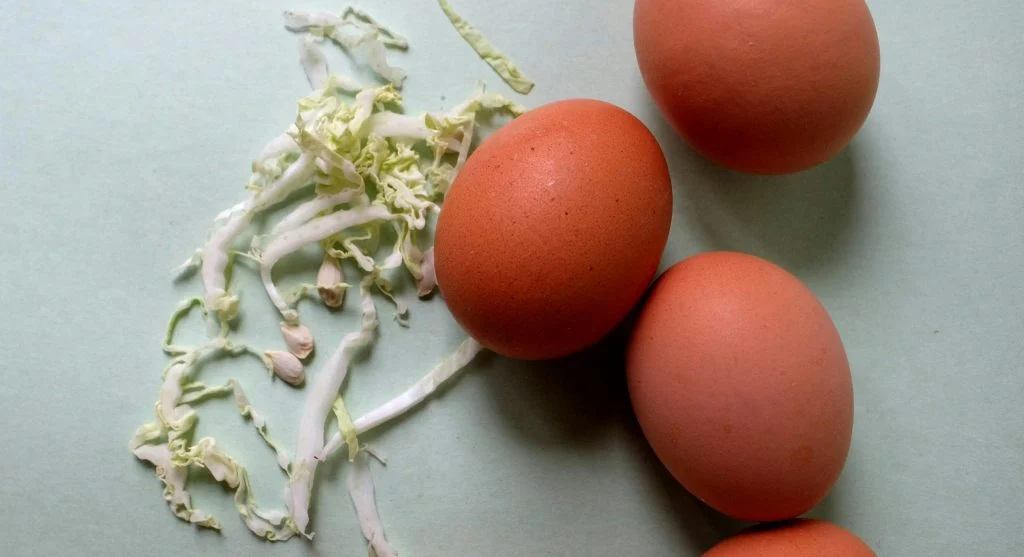
This is one of the most common food myths around simple eating. A meal does not need to take a long time to include useful structure. Eggs with toast and fruit, rice with beans and vegetables, or yogurt with oats and berries can all come together quickly and still support hunger well.
What usually matters more is the combination of foods, not how long the meal took to make. Speed and balance can exist together very easily.
2. Fast meals are only for emergency situations
Another common myth is that quick meals only belong on chaotic days. In reality, fast meals are often part of normal life. They can support breakfast before work, lunch between tasks, or dinner at the end of a tiring day. A quick meal is not always a backup. Sometimes it is simply the most practical choice.
This is one of the food myths that creates unnecessary guilt around convenience and everyday routine.
3. Convenience automatically makes a meal worse
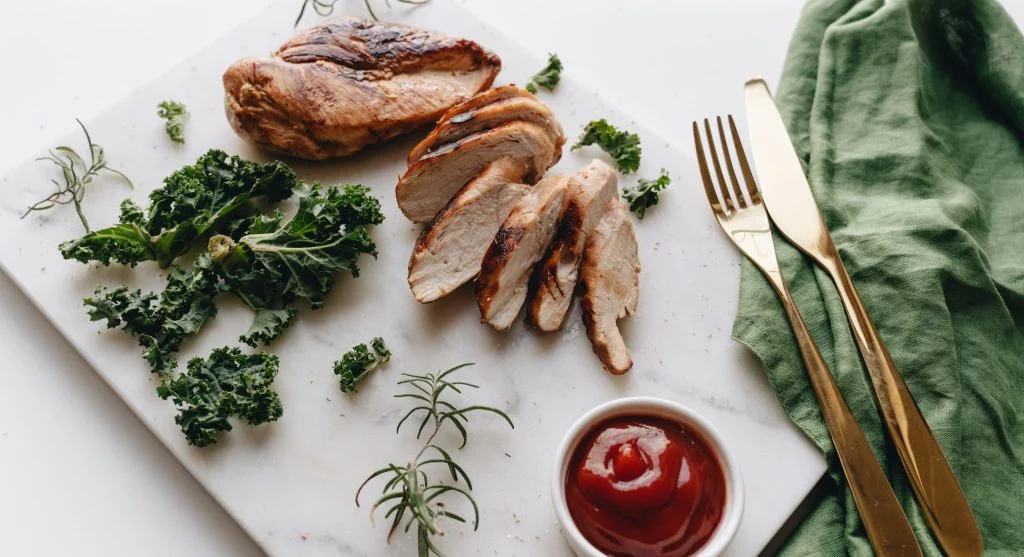
Helpful convenience foods often make quick meals possible. Frozen vegetables, canned beans, rotisserie chicken, yogurt, eggs, canned fish, soup, and cooked grains can all support better eating without requiring long preparation. Convenience does not automatically remove value from a meal.
4. A simple meal is not a real meal
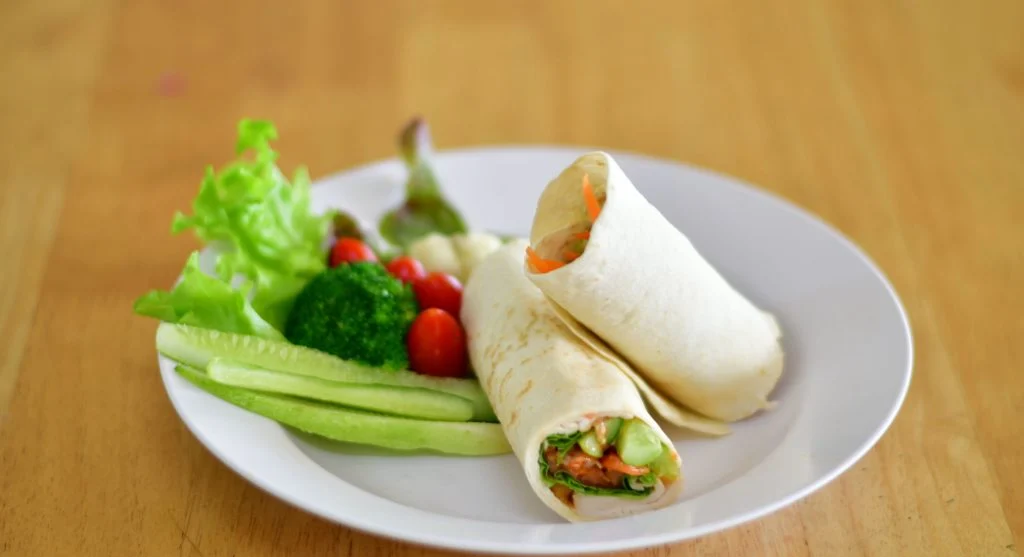
Some people believe a meal only counts if it looks complete in a traditional way or includes several cooked parts. But simple meals can still do exactly what a meal is meant to do. A bowl of soup with toast and fruit is still a real meal. So is a wrap with beans and vegetables or a yogurt bowl with oats and nuts.
This food myth often makes people overlook meals that are already working well enough for the moment.
5. Quick meals should never be repeated
There is a common idea that repeated meals are boring or not good enough. But repetition often helps people eat with less stress. Oats, eggs, rice bowls, pasta with vegetables, and soup with toast can all return often without becoming a problem.
Experts often support repeatable routines because they lower decision fatigue and make grocery shopping easier. This is one of the food myths that makes simple eating harder than it needs to be.
6. Quick meals are always low in protein
Fast meals are not automatically weak in protein. Eggs cook quickly. Greek yogurt needs almost no prep. Beans and canned fish are easy to use. Cottage cheese, tofu, lentils, and rotisserie chicken can also support quick meals without much effort.
This is one of the more practical food myths to let go of, because protein is often easier to include in quick meals than people assume.
7. There is no point in making a fast meal if it is not perfect
This idea often leads people to skip meals or wait too long to eat. But a quick meal does not need to be perfect to be useful. A simple breakfast, a fast lunch, or a light dinner can still support the day much better than no meal at all.
Many experts support practical consistency over perfect meal planning. This is one of the food myths that can quietly make hunger and stress worse.
8. Quick meals are only about saving time
Saving time is a big reason people rely on quick meals, but it is not the only reason. Fast meals can also reduce stress, lower cleanup, support routine, and help people eat more regularly. In many homes, these benefits matter just as much as speed itself.
This food myth overlooks the fact that quick meals often support the full rhythm of the day, not just the clock.

9. Fast food choices always lead to poor eating habits
This may be the biggest myth of all. Quick meals can support better eating habits when they are built from useful foods and repeated in realistic ways. Simple routines often work better over time than ideal plans that take too much energy to maintain.
Balanced eating usually depends on what people can do regularly, not only on what looks best in theory. Quick meals often support that kind of consistency very well.
What actually makes a quick meal useful
A useful quick meal usually has a few things going for it. It is easy to repeat, includes enough food to support the next few hours, and feels practical for the time of day. It may include protein, a grain or starch, produce, or a simple side, but it does not need to include everything perfectly every time.
That is often what makes quick meals so valuable. They help people eat in a way that fits real life instead of only ideal conditions.
Frequently Asked Questions
What are food myths about quick meals?
They are oversimplified beliefs that make fast meals seem less useful, less balanced, or less important than meals that take longer to prepare.
Can quick meals still be balanced?
Yes. Quick meals can still include protein, useful carbohydrates, produce, and simple sides that help support hunger well.
Do convenience foods always make a meal worse?
No. Helpful convenience foods often make balanced meals easier to prepare and repeat during busy days.
Why are repeated quick meals often helpful?
They reduce decision stress, simplify grocery shopping, and make it easier to keep a steady eating routine.
Key Takeaway
Food myths about quick meals often make simple eating feel more stressful than it needs to be. In practice, fast meals can still be balanced, satisfying, and highly useful when they fit real schedules and include practical foods that work well together. Many experts support realistic meal routines over perfect meal expectations. In everyday life, the best quick meals are often the ones that are easy to repeat and good enough to truly help.

 Eats PEI