 Darren LeBlanc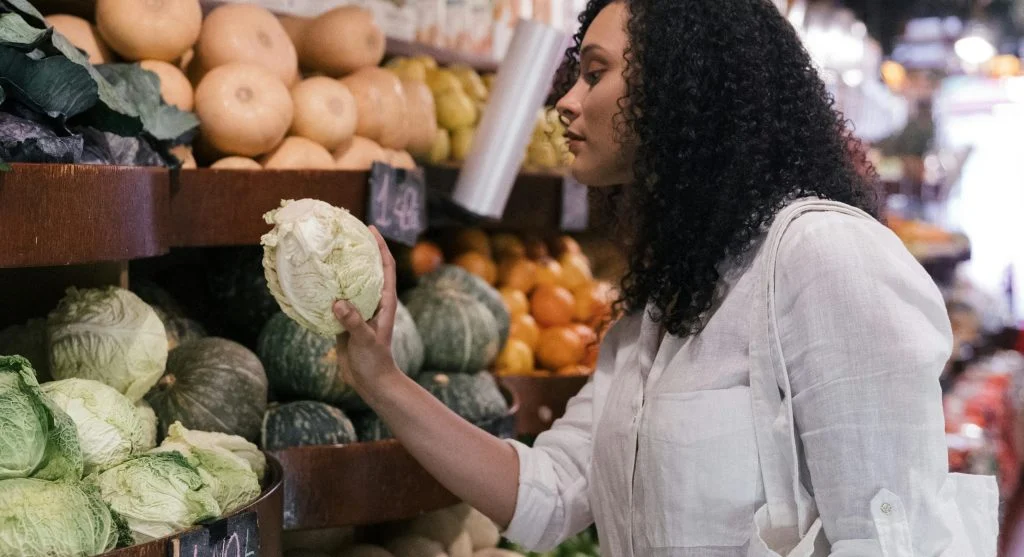
Why restock days often feel rushed or unfocused
Restock trips usually happen when several things are already running low at once. Bread may be gone, fruit may be finished, dinner ingredients may be missing, and snacks may be down to almost nothing. In that situation, it is easy to shop quickly without thinking about how foods will work together later.
Eat smart habits help solve that problem by giving the restock trip a little structure. That often makes it easier to come home with foods that actually support the next several days.
1. Restock the foods that build more than one meal
One of the strongest eat smart habits is choosing foods that can support several meals instead of only one. Eggs can help with breakfast, lunch, or dinner. Rice can support bowls and side dishes. Yogurt can work at breakfast or snack time. Beans can help with soup, wraps, bowls, and quick dinners.
This makes grocery restock days much more efficient because the same foods do more work once they are back in the kitchen.
2. Replace staples before chasing extras
Restock days usually go better when the basic foods come first. Bread, rice, oats, eggs, yogurt, fruit, vegetables, beans, milk, and a few dependable proteins often matter more than interesting extras. When staple foods are missing, meals become harder to build no matter what else is in the kitchen.
This is one of the most practical eat smart habits because it keeps the trip focused on what will make eating easier right away.
3. Think about the first 48 hours after shopping
One useful habit is asking what meals will happen first once groceries are home. The first breakfast, first lunch, first dinner, and one likely snack often tell a lot about what the restock trip should include. This keeps shopping connected to real meals instead of only good intentions.
It also makes unpacking more useful because the foods already have a likely purpose. That small shift can make the whole week feel more organized.
4. Restock proteins that fit fast meals
Protein often shapes whether meals feel filling and balanced, so restock days work better when at least a few easy proteins come home. Eggs, Greek yogurt, beans, canned tuna, rotisserie chicken, lentils, tofu, and cottage cheese are all practical choices depending on the routine.
Many nutrition professionals support flexible protein foods because they make meals much easier to repeat during busy weeks. This makes them especially useful on grocery restock days.
5. Buy produce that matches the week ahead
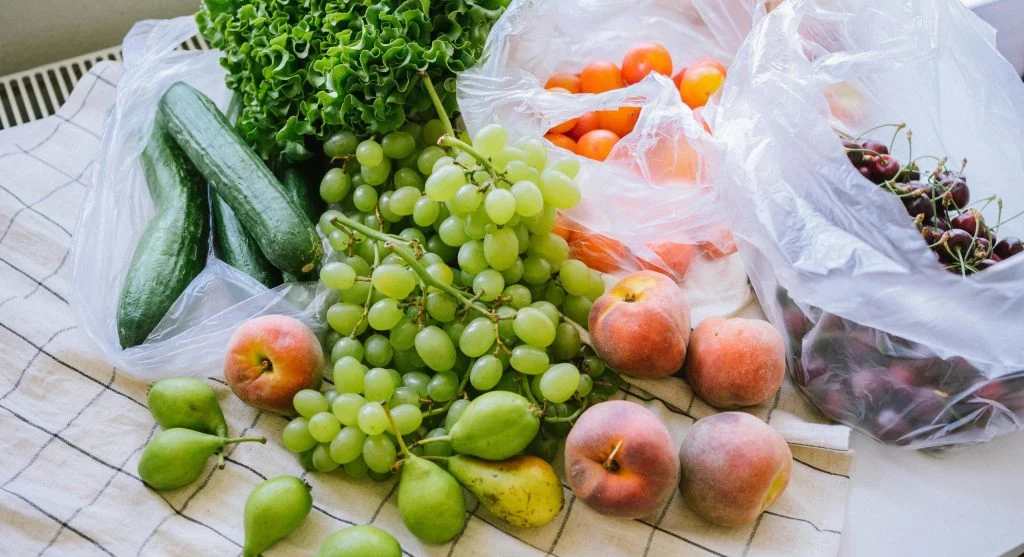
Restocking fruit and vegetables works best when the choices match the actual schedule. On busy weeks, bananas, apples, berries, bagged salad, frozen vegetables, and pre-cut produce may be more realistic than foods that need more prep. On quieter weeks, there may be more room for cooking and variety.
This is one of the smartest eat smart habits because it helps reduce waste and makes produce much more likely to be used well.
6. Refill one or two balanced snack options on purpose
Restock days often focus on meals, but snacks matter too. If the kitchen runs out of useful snack foods, the week can become harder around hunger between meals. Yogurt, fruit, nuts, hummus, crackers, popcorn, or boiled eggs can all help support steadier routines.
This is one of the more practical eat smart habits because snack gaps often create extra stress later if they are ignored during shopping.
7. Restock one backup meal at the same time
Every grocery restock should usually support one low-effort meal for the kind of day when cooking feels hard. Soup with bread, eggs on toast, rice with beans and vegetables, or pasta with tuna and tomato sauce are all strong examples.
This habit makes the restock much more efficient because it prepares the kitchen not only for ideal days, but also for tiring ones. That kind of backup often protects the whole routine.
8. Unpack with visibility in mind
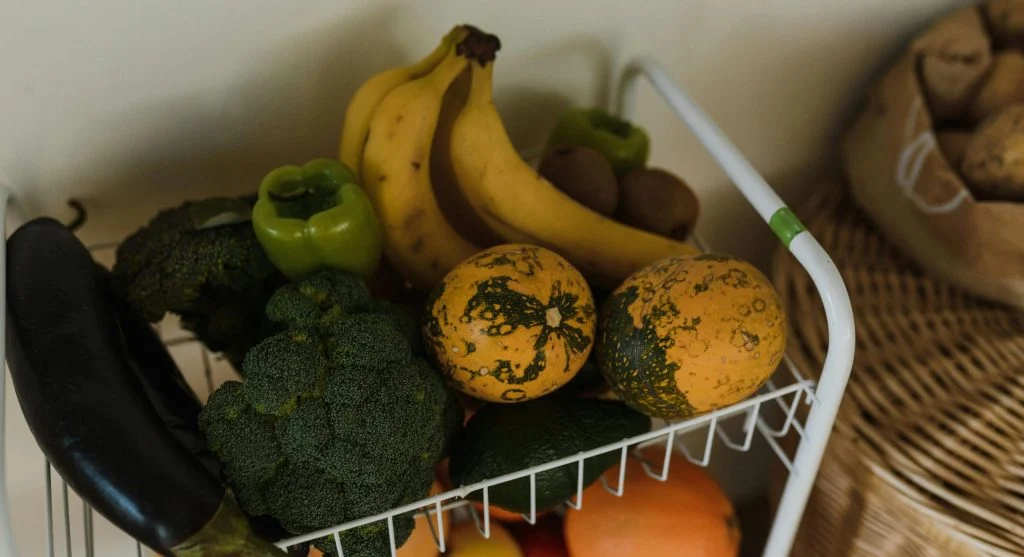
What happens after the groceries come home matters too. Fruit in a bowl, yogurt at eye level, vegetables easy to spot, and leftovers or prepared foods clearly stored can make the restock much more useful. Foods that disappear into the back of the fridge often become harder to use.
This is one of the easiest eat smart habits to overlook, but it often decides whether useful foods actually become part of meals in the days ahead.
9. Treat restock day as routine support, not a perfect reset
One of the most helpful eat smart habits is letting a grocery restock be practical instead of treating it like a full food makeover. The goal is not to buy a perfect cart. The goal is to support the next several days with foods that are realistic enough to use.
This removes unnecessary pressure and usually leads to better decisions. Useful routines often come from steady restocks, not dramatic resets.
Simple grocery restock combinations
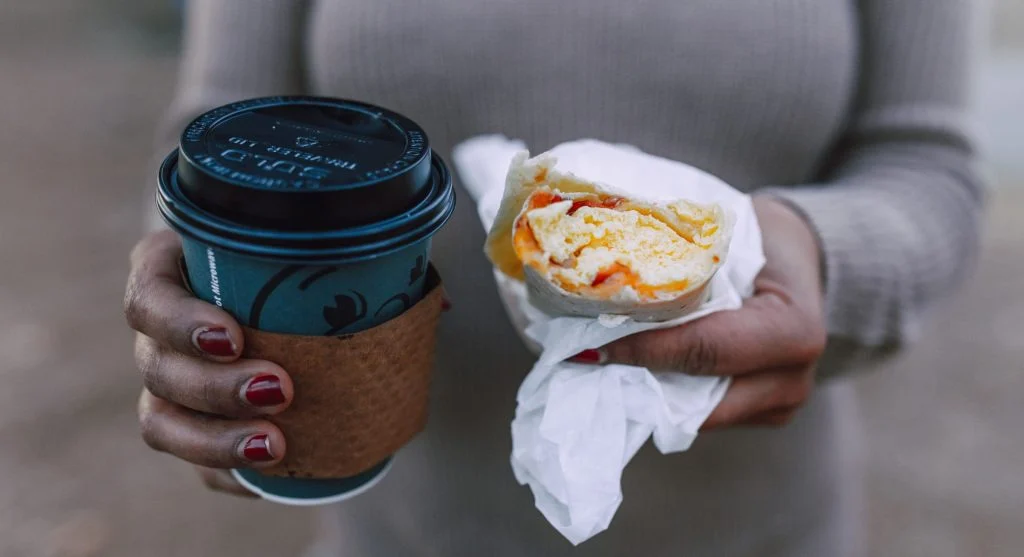
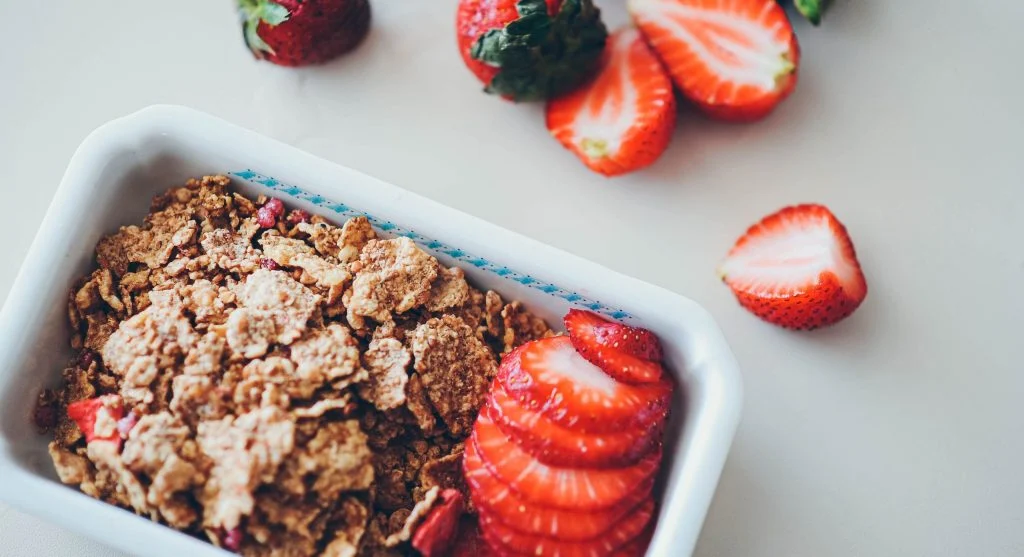
Breakfast restock
Oats, yogurt, bananas, berries, and eggs.
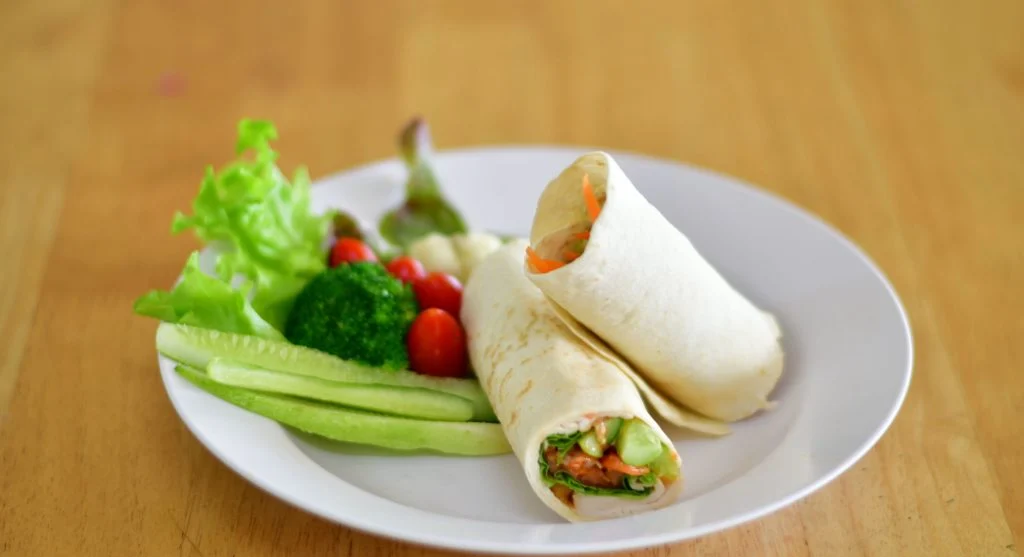
Lunch restock
Whole-grain bread, eggs, fruit, and chopped vegetables.
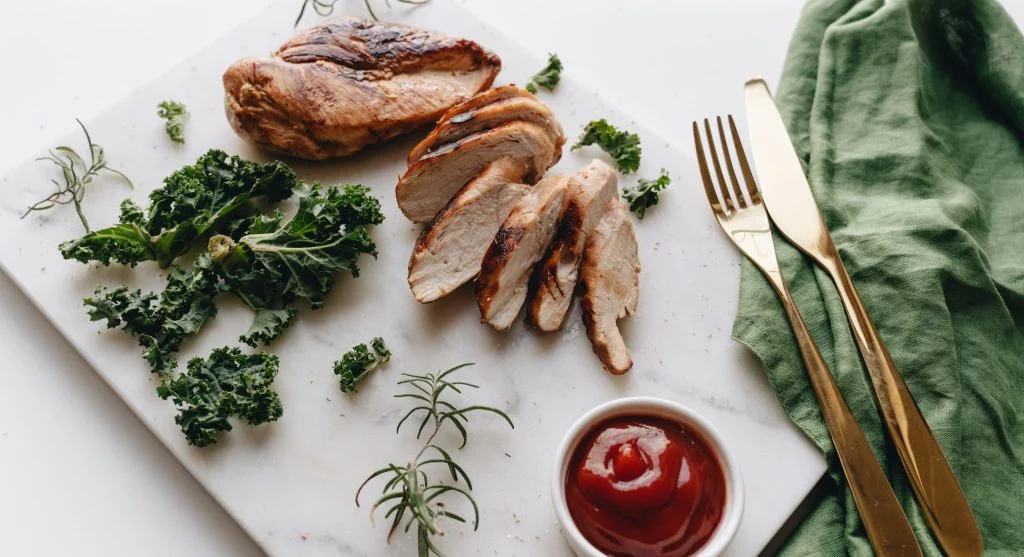
Dinner restock
Rice, beans, frozen vegetables, and chicken or tofu.
Snack restock
Yogurt, apples, nuts, hummus, and crackers.
Frequently Asked Questions
What are eat smart habits for grocery restock days?
They are simple shopping and unpacking habits that help people refill useful foods for balanced meals and easier routines.
Why do grocery restock days matter so much?
They often shape what meals and snacks will be easiest to prepare over the next several days.
Should a restock trip focus on staples first?
Yes. Replacing staple foods first often makes the rest of the shopping trip much more useful for everyday eating.
Do snack foods need to be part of a restock plan?
Yes. Balanced snacks can help support hunger between meals and make the week easier to manage overall.
Key Takeaway
Eat smart habits can make grocery restock days much more efficient by focusing on staple foods, easy proteins, realistic produce, balanced snacks, and one dependable backup meal. These habits help turn a restock trip into support for the whole week instead of just a quick refill. Many experts support practical routines over perfect shopping plans. In everyday life, the best grocery restock is usually the one that makes meals easier as soon as the food comes home.


 Eats PEI