 Darren LeBlanc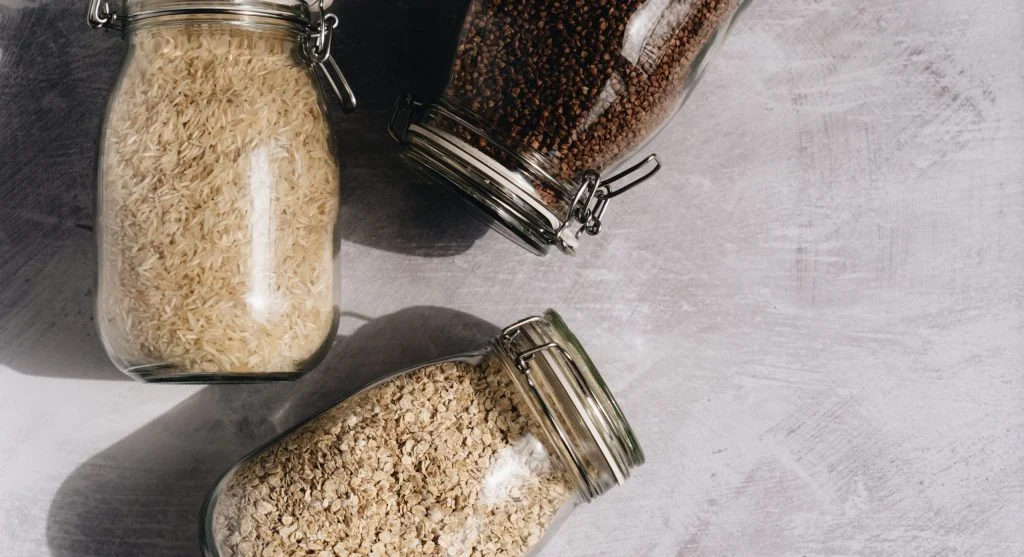
Pantry meals matter because they help people eat with less stress on busy days, lower-cost weeks, or times when shopping has not happened yet. These food truths can help show why pantry foods are often more useful, flexible, and balanced than they first seem.
Why pantry meals are often underestimated
Pantry foods are easy to dismiss because they look plain. A bag of rice, a can of beans, or a box of oats may not seem exciting compared with fresh meal ingredients. But these foods often provide the base that makes simple meals possible. When people overlook that value, pantry meals may seem more limited than they really are.
This is why food truths matter here. They help people look beyond the idea that balanced eating only happens when every ingredient feels fresh, trendy, or highly planned.
1. Pantry meals are not automatically less balanced
One of the most useful food truths is that a pantry-based meal can still include practical balance. Rice with beans and canned tomatoes can be a useful meal. Oats with nut butter and fruit can be useful too. Pasta with beans and tomato sauce can also work well when the portions and meal structure make sense.
What matters more is how the foods work together, not whether every ingredient came from the refrigerator or produce section.
2. Canned and shelf-stable foods can still support everyday eating
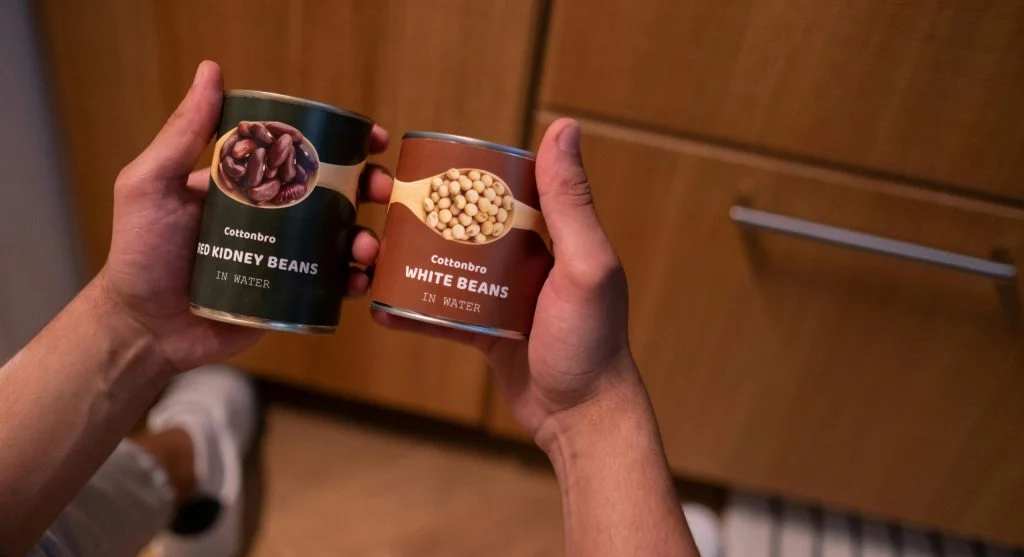
Some people assume pantry foods should only be used when nothing else is available. But canned beans, canned fish, pasta, oats, rice, broth, crackers, nut butter, and canned tomatoes can all help create normal daily meals, not just emergency ones.
This is one of the food truths that makes balanced eating feel more realistic. Useful meals often depend on foods that are easy to store and easy to repeat.
3. Pantry meals work better when they include protein
Protein often helps pantry meals feel more complete. Beans, lentils, canned tuna, chickpeas, powdered milk, nut butter, or even eggs from the fridge paired with pantry staples can all improve a meal’s staying power.
Many nutrition professionals support including protein regularly because it may help meals feel more satisfying and may reduce the urge to snack too quickly afterward.
4. Carbohydrates often give pantry meals their strength
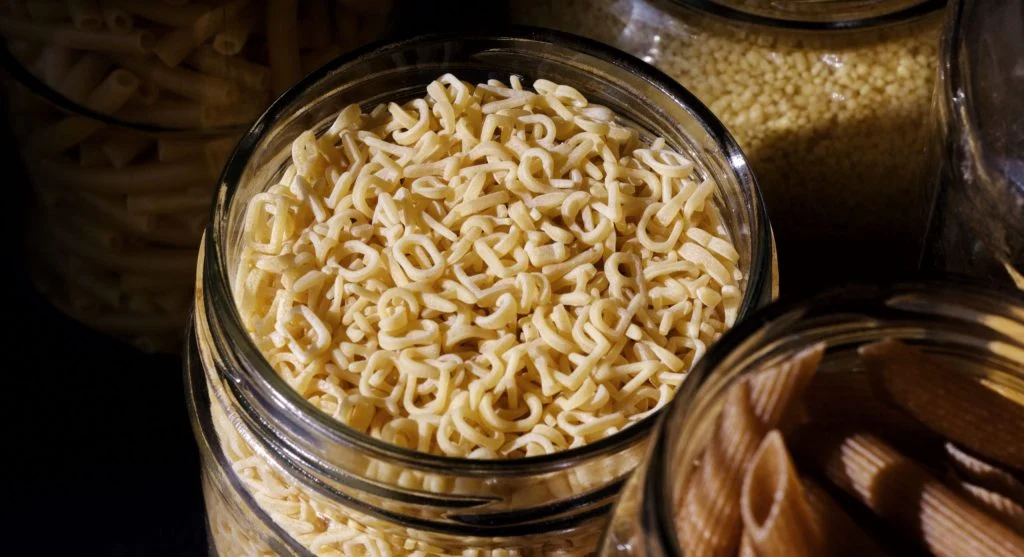
Rice, oats, pasta, crackers, bread, couscous, and potatoes are often pantry or pantry-adjacent foods that give meals more structure. These foods are not a weakness in the meal. In many cases, they are what make the meal possible, filling, and practical in the first place.
This is one of the food truths that helps people think more clearly about everyday foods. Carbohydrates are often a useful part of simple meal structure, especially when paired with protein and flavor.
5. Flavor matters just as much in simple meals
Pantry meals are easier to repeat when they taste good. Garlic powder, black pepper, canned tomatoes, herbs, olive oil, salsa, broth, curry powder, or lemon juice can all help basic ingredients feel much more complete.
This is one of the more practical food truths because people are more likely to keep using pantry meals when those meals feel enjoyable instead of only functional.
6. A side can make a pantry meal feel stronger
Sometimes the main pantry dish is almost enough but still feels incomplete. In those cases, a side can help. Fruit, yogurt, toast, a boiled egg, or a quick salad from whatever is available can improve the meal without making it much more complicated.
This is one of the easier food truths to use because it shows that balance often comes from small additions rather than a total meal change.
7. Pantry meals do not have to look the same every time
Even with the same basic ingredients, pantry meals can take different forms. Rice and beans can become a bowl, a side plate, or part of a soup. Oats can become porridge, overnight oats, or a snack bowl. Pasta and canned tomatoes can become a simple dinner, a lunch portion, or a leftovers meal.
This helps challenge the food myth that pantry foods are boring by default. Their flexibility is often one of their biggest strengths.
8. Pantry staples are often some of the most budget-friendly meal tools
Many pantry foods stay useful because they are affordable, last a long time, and support multiple meals. That can make balanced eating easier to maintain over time, especially in weeks when grocery budgets feel tighter or schedules are more demanding.
This is one of the most practical food truths because affordability is part of what makes food routines sustainable in real life.
9. The most useful pantry meal is often the one that can happen quickly
One final food truth is that pantry meals are most valuable when they make eating easier on ordinary days. A fast bowl of rice and beans, a simple tuna pasta, or oats with nut butter may not look impressive, but they can still do their job very well.
In everyday life, useful meals are often the ones that reduce stress, not the ones that look most elaborate. Pantry foods often support that kind of practicality better than people expect.
Simple pantry meal ideas
Meal idea 1
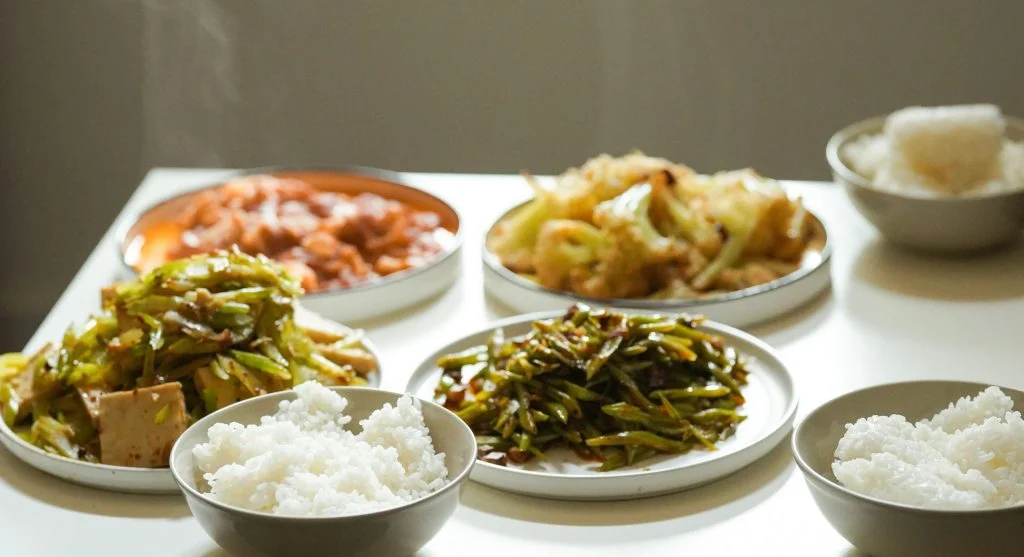
Rice with beans, canned tomatoes, and a spoon of yogurt or salsa.
Meal idea 2
Pasta with canned tuna, tomato sauce, and black pepper.
Meal idea 3
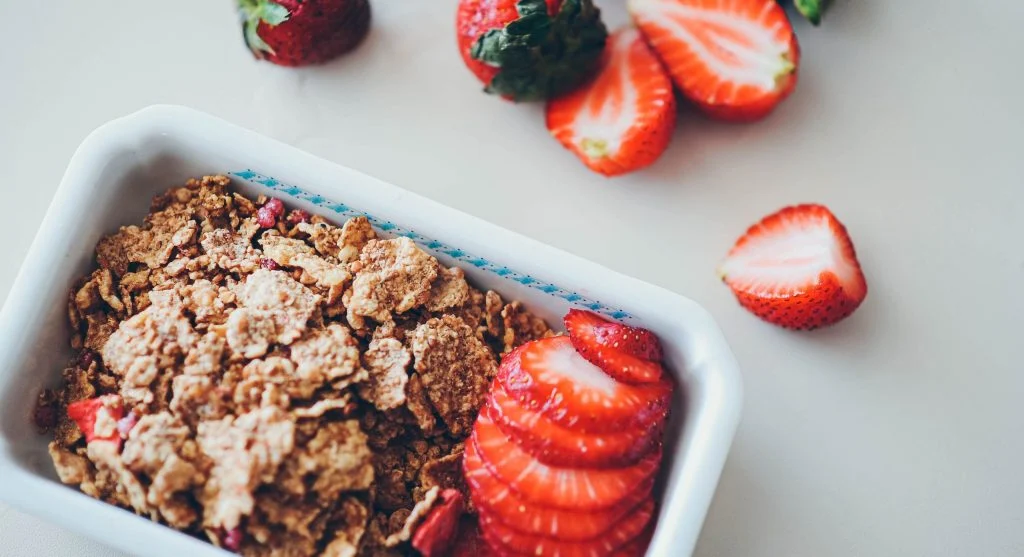
Oatmeal with nut butter, banana, and milk or yogurt.
Meal idea 4
Crackers with hummus or bean spread, fruit, and a boiled egg.
Frequently Asked Questions
What are food truths about pantry meals?
They are practical ideas that show how shelf-stable foods can still support balanced, useful, and repeatable meals.
Can pantry meals still be filling?
Yes. Pantry meals can feel very filling when they include enough structure, such as protein, useful carbohydrates, and simple sides.
Are canned foods okay in balanced meals?
Yes. Canned foods can be very practical and often play an important role in simple daily meal routines.
Do pantry meals need to be boring?
No. Flavor, sides, and different meal formats can help pantry foods feel much more flexible and enjoyable.
Key Takeaway
Food truths can make pantry meals feel much more balanced by showing that simple shelf-stable foods often provide the structure people need for practical eating. Protein, useful carbohydrates, flavor, and a few easy sides can turn basic pantry staples into meals that are both satisfying and realistic. Many experts support practical food routines over idealized meal expectations. In daily life, pantry meals are often strongest when they stay simple, balanced, and easy to repeat.

 Eats PEI