 Darren LeBlanc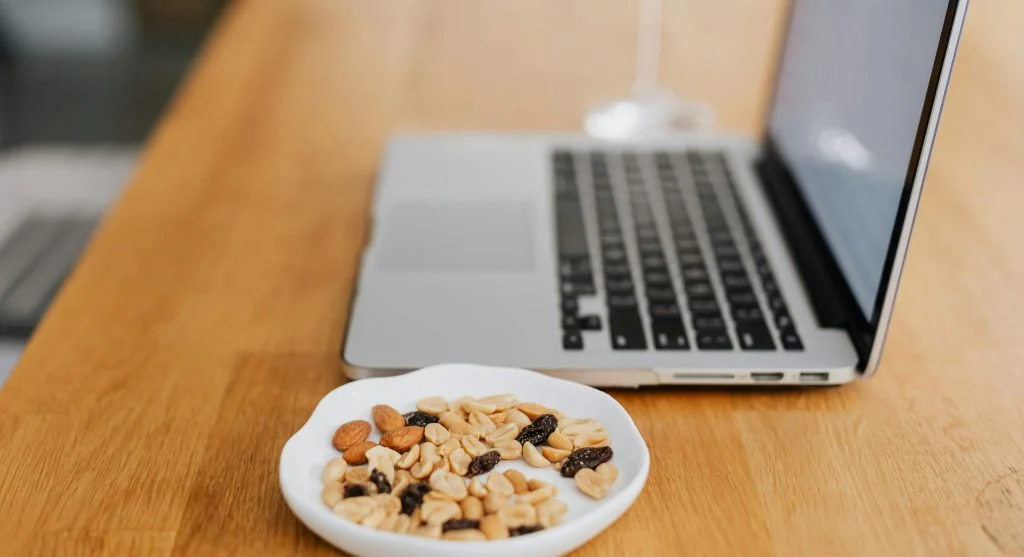
Food myths about healthy snacks can make daily eating feel much more complicated than it needs to be. Some people hear that snacks always ruin appetite. Others hear that everyone should snack several times a day to stay healthy. These ideas may sound simple, but real eating habits are usually more flexible than that.
In everyday life, snacks can be helpful, unnecessary, balanced, or too light depending on the person and the situation. Looking more closely at common food myths can help people make calmer choices and focus on what actually supports hunger, energy, and realistic routines.
Why snack advice feels so mixed
Snack advice often spreads through short, dramatic messages. A rule like “never snack” is easy to remember, but it leaves out the details that matter. Work schedules, meal timing, appetite, activity, and food choices earlier in the day all affect whether a snack is helpful or not.
This is why food myths around snacks are so common. They make eating sound simple, but real life usually needs more context than one strict rule can provide.
1. Healthy snacks must always be very small
This is one of the most common food myths about snacking. A snack does not have to be tiny to be useful. If the next meal is far away or hunger is strong, a more substantial snack may actually work better than something very light.
A yogurt bowl, boiled eggs with crackers, or fruit with nuts may do a better job than a tiny snack that leaves someone looking for more food soon after. Usefulness matters more than size alone.
2. Fruit is always enough for a healthy snack
Fruit can be a great snack, but it is not always enough by itself for every situation. Some people feel satisfied with fruit alone, while others need more staying power. Pairing fruit with yogurt, nut butter, cheese, or nuts can make it feel more balanced.
This is one of the food myths that sounds healthy on the surface but often ignores how hunger really works during a busy day.
3. Packaged snacks can never be healthy
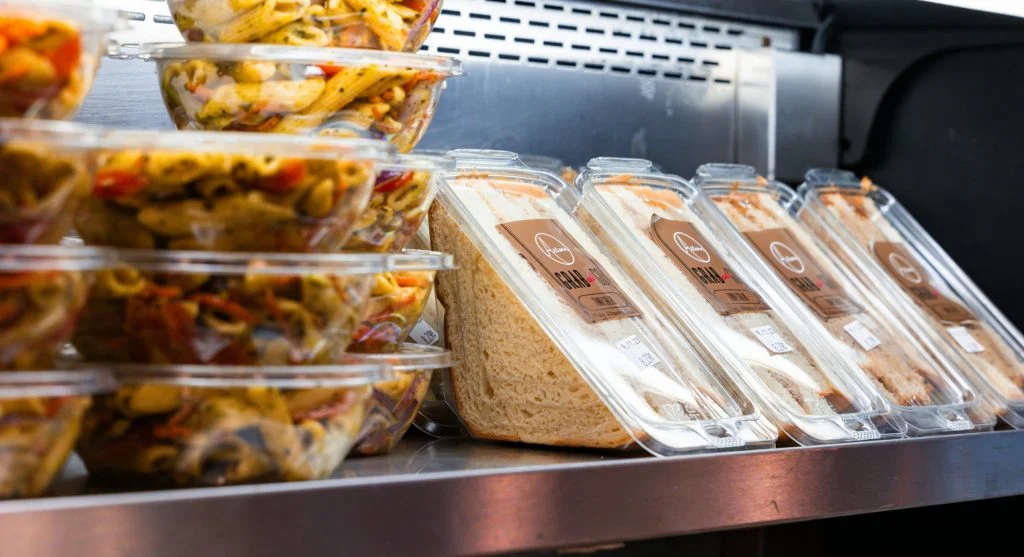
Packaged foods are often judged too broadly. In reality, some packaged snack foods can still fit into balanced eating. Yogurt cups, plain popcorn, whole-grain crackers, simple nut packs, and hummus containers are all examples that may support useful snacking.
Food myths often treat packaging as the problem, when the better question is whether the snack supports real hunger and fits the day in a practical way.
Credit: David Brown / Pexels
4. Snacking means someone has no discipline
This is one of the most unhelpful food myths because it turns eating into a character issue. People snack for many reasons, including long gaps between meals, real hunger, physical activity, work schedules, and changing routines. None of those automatically mean someone is eating badly.
In many cases, smart snacking can be a useful part of a balanced day. What matters more is the reason for the snack and what it includes.
5. Healthy snacks should never include carbohydrates
Another common myth is that good snacks must avoid carbohydrates. But many useful snack foods contain carbohydrates, including fruit, oats, whole-grain crackers, toast, and popcorn. The better question is whether the snack has enough balance to feel satisfying.
This is one reason pairing carbohydrates with protein or healthy fats often works so well. A snack does not need to avoid carbs to be helpful.
6. Eating snacks late in the day is always unhealthy
Time alone does not decide whether a snack is a good idea. If dinner was early or bedtime is still several hours away, a balanced evening snack may be completely reasonable. The bigger issue is often whether the snack is chosen on purpose or eaten mindlessly.
Food myths often blame the clock when the more useful questions are about hunger, portions, and meal timing across the day.
7. The healthiest snack is always the lowest-calorie snack
This is one of the food myths that can make snacking less helpful. A very light snack may not satisfy hunger for long, which can lead to more snacking later. In some situations, a more balanced snack with protein, fiber, or healthy fats may be more useful, even if it is not the smallest option available.
Healthy eating usually works better when food supports the body’s needs instead of only chasing the lowest number.
8. Healthy snacks must be special “wellness” foods
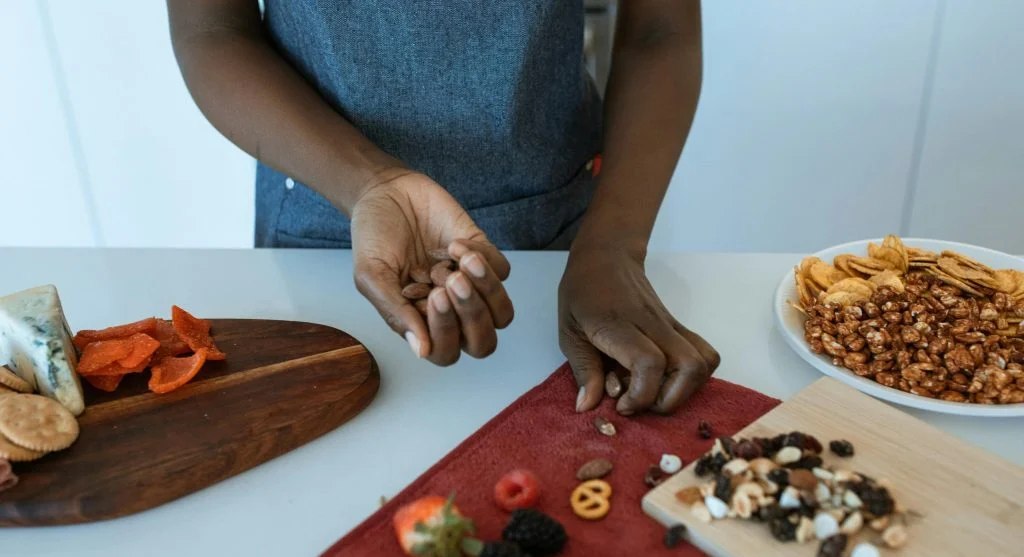
Many people assume healthy snacking requires trendy bars, powders, or labeled wellness products. In reality, ordinary foods often work just fine. Yogurt, fruit, nuts, eggs, hummus, toast, popcorn, and cheese are all simple options that can support better snacking.
This is one of the most practical food myths to let go of because it makes healthy snacks feel more affordable and easier to find.
Credit: RDNE Stock project / Pexels
9. A good snack should work the same way for everyone
This may be the biggest food myth of all. People have different hunger levels, schedules, and meal patterns. A snack that works well for one person may feel too light or unnecessary for someone else. That is why personal context matters so much.
A useful snack is usually one that fits the person’s day, hunger level, and next meal timing. That is often much more important than following a one-size-fits-all rule.
What actually matters when choosing snacks
A better way to think about snacks is to ask a few simple questions. Am I actually hungry? How long is it until my next meal? Would this snack feel more useful with protein, fiber, or healthy fats? Do I need a light snack or something closer to a mini meal?
These questions are often far more useful than broad food myths. They help people make snack choices based on what the day actually needs.
Frequently Asked Questions
What are food myths about snacks?
They are oversimplified ideas that make snacking seem stricter or more confusing than it really is.
Can packaged snacks still fit into healthy eating?
Yes. Some packaged snacks can still be useful when they support real hunger and fit a balanced routine.
Do healthy snacks always need protein?
Not always, but protein often helps snacks feel more satisfying and more balanced.
Should everyone snack the same way?
No. Snack needs often depend on timing, appetite, schedule, and the rest of the day’s meals.
Key Takeaway
Food myths about healthy snacks often make everyday eating feel more complicated than it really needs to be. In reality, useful snacks usually depend more on hunger, timing, and balance than on strict rules about portion size, packaging, or so-called perfect foods. Many experts support flexible snack choices that fit naturally into real routines. In daily life, the best snack is often the one that feels simple, practical, and satisfying enough to do its job well.

 Eats PEI