 Darren LeBlanc
Smart cooking habits can make breakfast feel much easier, especially on mornings when time is tight and energy is low. Many people want a balanced breakfast, but they do not always want to begin the day with too many steps, too many dishes, or too many decisions.
That is why breakfast prep works best when it stays simple. Smart cooking habits can cut down the effort needed in the morning and make helpful meals easier to repeat. In many homes, a few small kitchen routines can be more useful than a long list of breakfast ideas.
Why Breakfast Prep Often Feels Harder Than It Should
Breakfast usually happens during the busiest part of the day. People may be getting ready for work, school, errands, or family responsibilities all at the same time. If breakfast has to be cooked from scratch every morning, it often gets skipped or replaced with something too light.
Smart cooking helps by reducing what needs to happen in that moment. The goal is not to make perfect breakfasts. The goal is to make the first meal easier to manage on normal days.
1. Prep One or Two Breakfast Foods Ahead of Time
One of the most useful smart cooking habits is preparing a few breakfast foods before they are needed. Boiled eggs, overnight oats, washed fruit, or pre-portioned yogurt bowls can all save time during the morning rush.
This does not need to become a big meal prep session. Even one prepared item can make breakfast feel much easier to start.
2. Keep Breakfast Built Around Simple Parts
A balanced breakfast does not always need a full recipe. Many morning meals can be built from three simple parts: protein, a grain or starch, and fruit or another fiber-rich food. Eggs with toast and fruit work well. Oats with yogurt and berries work well too.
This is one of the clearest smart cooking habits because it lowers decision fatigue and makes breakfast easier to repeat.
3. Use No-Cook Breakfasts More Often
Breakfast prep becomes faster when every meal does not rely on the stove. Greek yogurt bowls, overnight oats, cottage cheese with fruit, smoothies, or toast with nut butter are all examples of no-cook or low-cook meals that can still feel balanced.
These options are especially helpful on busy weekdays. Smart cooking often means knowing when not to cook much at all.
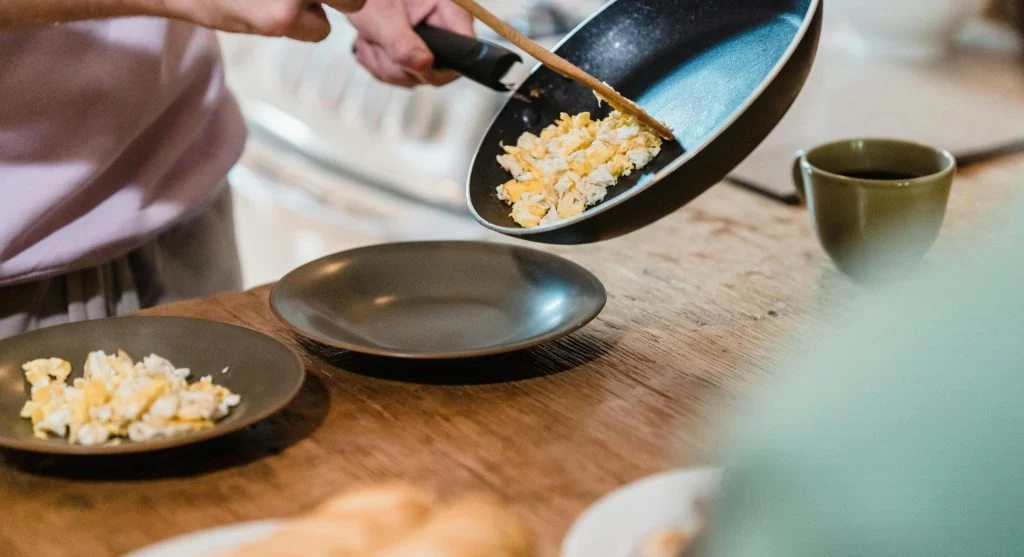
Credit: Mizuno K / Pexels
4. Keep One Breakfast Base Ready in the Kitchen
Having a dependable breakfast base can make mornings much faster. Oats, bread, yogurt, or boiled eggs can all work for this, depending on the person’s routine. Once the base is ready, the rest of the meal often comes together more easily.
This is one of the most practical smart cooking habits because it creates structure without making breakfast feel repetitive in a bad way.
5. Use the Freezer for Breakfast Support
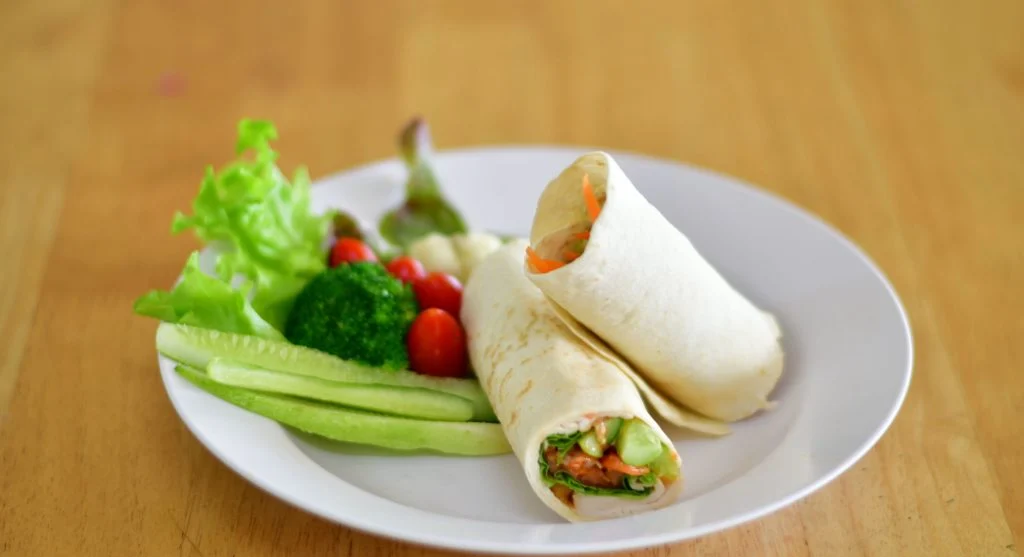
The freezer can help with breakfast more than many people realize. Frozen berries, frozen whole-grain bread, and even frozen breakfast wraps can all make mornings easier. Frozen fruit also works very well in smoothies and overnight oats.
Public health nutrition advice often supports frozen produce as a practical choice, which makes it a useful part of smart cooking too.
6. Cook Breakfast Proteins in Batches When Possible
Breakfast often feels more balanced when protein is included, but cooking it from scratch every day can feel slow. Boiling several eggs at once or preparing a few egg muffins ahead of time can help. Yogurt and cottage cheese can also work as easy protein staples without daily cooking.
This is one of the smart cooking habits that saves time across several mornings instead of just one.
7. Make the Kitchen Setup Easier to Use
Sometimes breakfast prep feels harder because the foods, bowls, spoons, or containers are not easy to reach. Keeping breakfast staples in one regular place can make the process smoother. Yogurt on one shelf, oats near the counter, fruit in a visible bowl, and bread in an easy spot can all help.
Smart cooking is not only about ingredients. It is also about making the kitchen easier to move through when time is limited.
8. Let Leftovers Become Part of Breakfast
Breakfast does not have to use only traditional breakfast foods. Leftover roasted vegetables can go into eggs. Cooked rice can become a savory breakfast bowl. Extra potatoes can work with eggs or with yogurt on the side.
This is one of the more flexible smart cooking habits because it helps reduce waste and makes the morning meal easier to put together from what is already available.
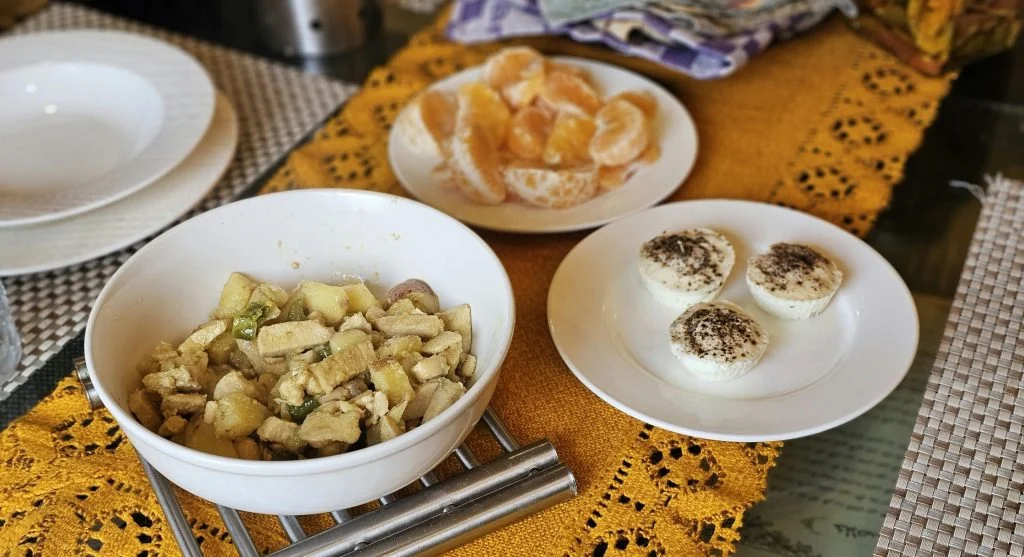
Credit: Muhammad Khawar Nazir / Pexels
9. Stop Expecting Breakfast to Feel New Every Day
One of the most helpful smart cooking habits is accepting that breakfast can be repeated often. A few reliable meals usually do more good than trying to make something different every morning. Oats, eggs, yogurt bowls, toast, and smoothies can all rotate without becoming a problem.
Experts often support repetition when it makes balanced eating easier to maintain. In everyday life, simple breakfast routines often work best.
Simple Breakfast Ideas That Use Smart Cooking Habits
Breakfast Idea 1
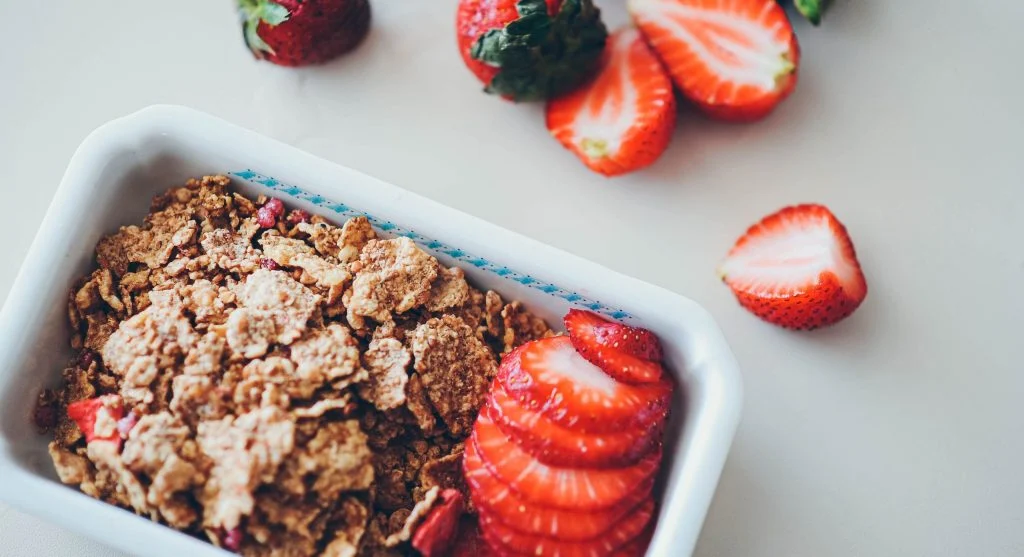
Overnight oats with yogurt, berries, and seeds.
Breakfast Idea 2
Boiled eggs with whole-grain toast and fruit.
Breakfast Idea 3
Greek yogurt with banana, oats, and nut butter.
Breakfast Idea 4
Leftover rice bowl with vegetables and a fried egg.
Frequently Asked Questions
What are smart cooking habits for breakfast?
They are simple kitchen routines that save time and make balanced breakfasts easier to prepare on busy mornings.
Does breakfast prep need to happen every day?
No. Preparing a few foods ahead of time can support several breakfasts through the week.
Can no-cook breakfasts still be balanced?
Yes. No-cook breakfasts can still include protein, fiber, and useful meal structure.
Why do repeated breakfasts help?
They reduce decision stress and make grocery shopping and morning prep much easier to manage.

 Eats PEI