 Darren LeBlanc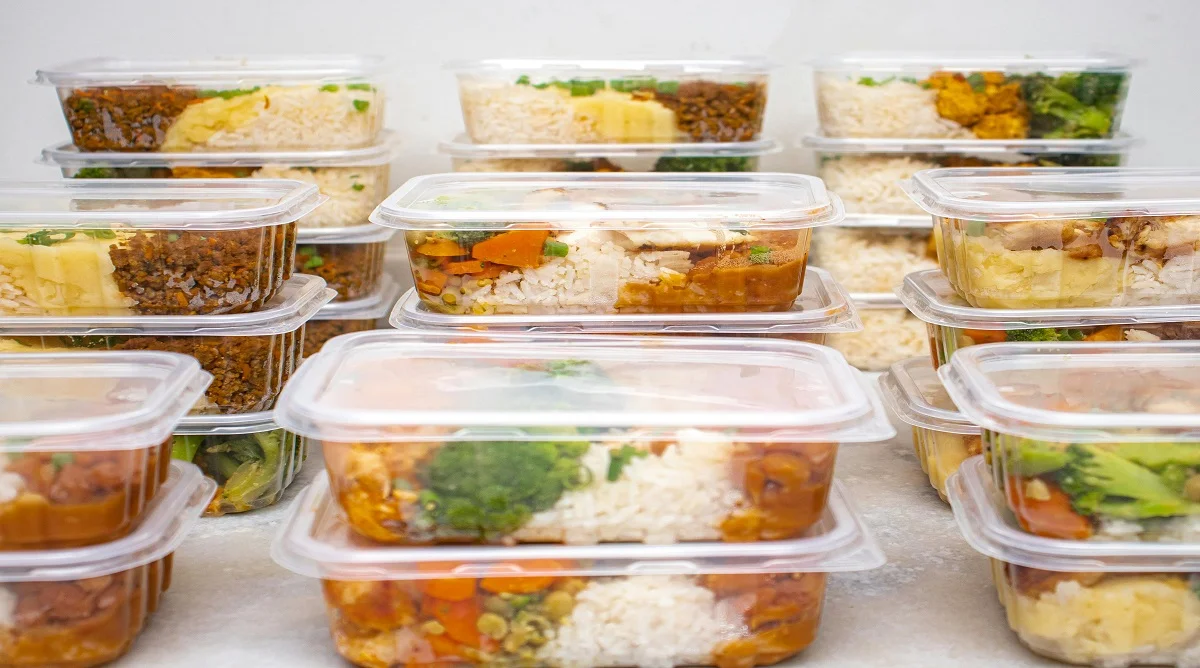
Smart cooking habits often become most useful after the first meal is finished. Many people cook dinner with good intentions, but leftovers end up forgotten in the fridge or pushed aside until they’re no longer appealing. That means wasted food, money, time, and effort.
The good news is that leftovers don’t have to feel like second-choice meals. With a few smart cooking strategies, extra food can turn into quick lunches, simple dinners, and balanced meal components for the next day. In many homes, learning how to use leftovers well is one of the easiest ways to make cooking more practical.
Why leftovers often go unused
Leftovers usually aren’t ignored because people dislike them. More often, they go unused because there’s no clear plan for what to do next. A container of rice, chicken, or roasted vegetables might seem useful, but without a simple follow-up idea, it’s easy to reach for something else instead.
That’s where smart cooking habits come in. The goal isn’t just to cook once it’s to make that effort carry over into future meals.
1. Cook with the second meal in mind
One of the most effective smart cooking habits is to think about leftovers before dinner is even served. If you’re roasting vegetables, make a little extra for tomorrow’s lunch. If you’re cooking rice, set aside another portion for a bowl or stir-fry later.
This small shift turns leftovers from accidental extras into planned support for future meals. Many experts encourage this approach because it helps reduce both stress and food waste.
2. Store leftovers in visible, useful portions
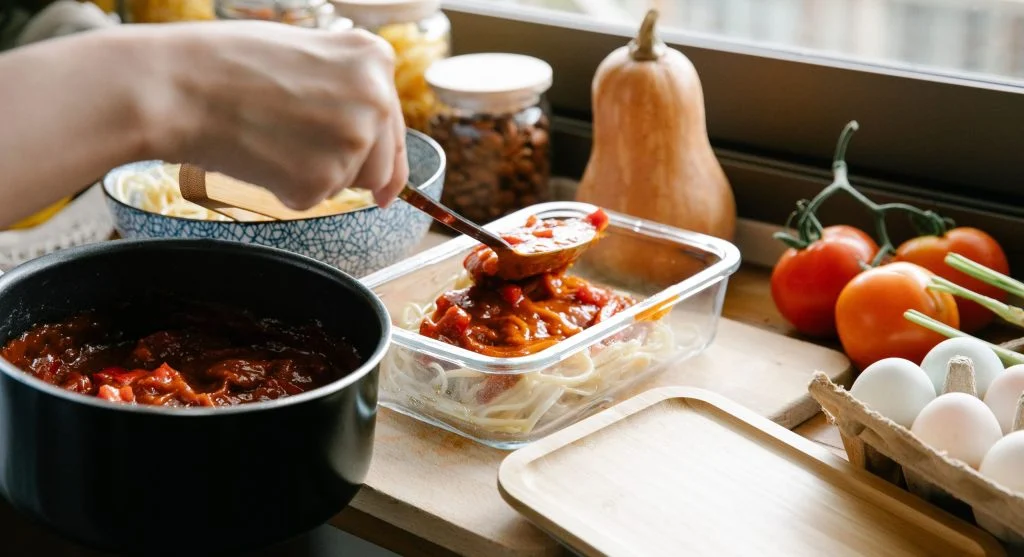
Large containers of mixed leftovers can be harder to reuse because they feel less flexible. Smaller portions or separated meal components tend to work better. A container of rice, one of roasted vegetables, and a portion of chicken are easier to mix into something new.
This is one of the most practical smart cooking habits because visibility shapes behavior. People are more likely to use food they can quickly see and understand.
3. Turn leftovers into meal parts, not repeats
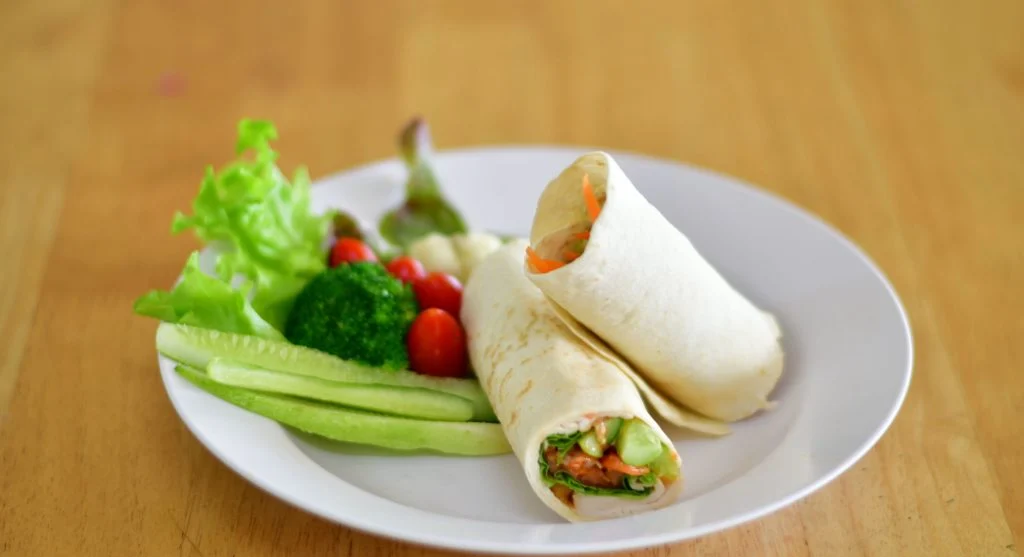
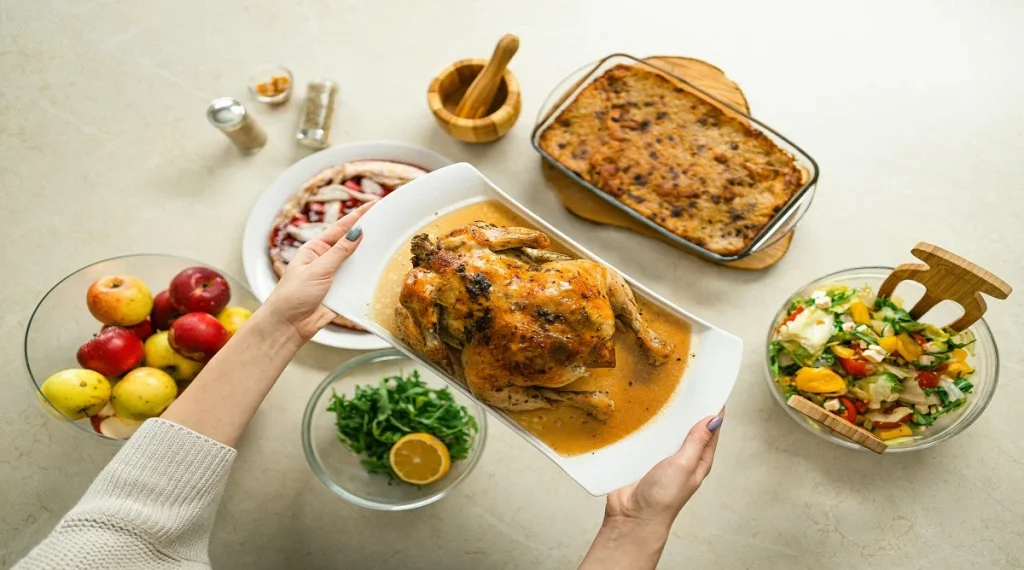
Some people avoid leftovers because they don’t want to eat the same meal again. A better approach is to reuse the ingredients in a different way. Roast chicken can become a wrap, soup, sandwich, or grain bowl. Rice can turn into fried rice. Vegetables can be added to eggs, pasta, or soup.
This makes leftovers feel more flexible and less repetitive, while still saving time and effort.
Credit Format: Maksim Goncharenok / pexels
4. Keep a few foods ready to pair with leftovers
Leftovers are much easier to use when you have a few flexible foods on hand. Eggs, whole-grain bread, yogurt, greens, canned beans, pasta, tortillas, or frozen vegetables can quickly turn a single leftover ingredient into a full meal.
For example, leftover vegetables with eggs can become breakfast, while leftover rice with beans and salsa can turn into a simple dinner. Smart cooking often comes down to having these kinds of easy pairings ready.
5. Use leftovers for lunch before they become uncertain
Lunch is one of the easiest ways to use leftovers because it comes sooner and usually requires less effort than dinner. Leftover soup, pasta, grain bowls, chicken, or roasted vegetables can all make a quick and practical next-day meal.
This is one of the most effective smart cooking habits because it gives leftovers a clear purpose right away. When food already has a role, it’s less likely to go unused.
6. Refresh leftovers with sauce, herbs, or texture
Leftovers often feel unappealing not because they’re bad, but because they need a small update. A spoonful of yogurt sauce, salsa, lemon juice, herbs, olive oil, or even some toasted seeds can quickly improve both flavor and texture.
Even simple reheated foods like rice or vegetables can feel better with one extra touch. Smart cooking doesn’t always mean starting over sometimes a quick refresh is enough.
7. Label or group leftovers by likely use
This might seem simple, but it can make a real difference. Labeling containers with ideas like “lunch,” “rice bowl,” or “soup base,” or grouping similar items together on one shelf, makes leftovers easier to notice and use.
Many good food intentions fall apart because useful ingredients get forgotten. Smart cooking works best when leftovers stay visible and easy to understand.
8. Freeze extras before they become a problem
Not every leftover needs to sit in the fridge waiting to be used. Soups, cooked grains, sauces, beans, and many proteins can be frozen in portions for later. This extends their usefulness and reduces pressure to eat everything right away.
Public health food safety advice often supports freezing when appropriate. For busy households, this can be one of the most practical smart cooking strategies.
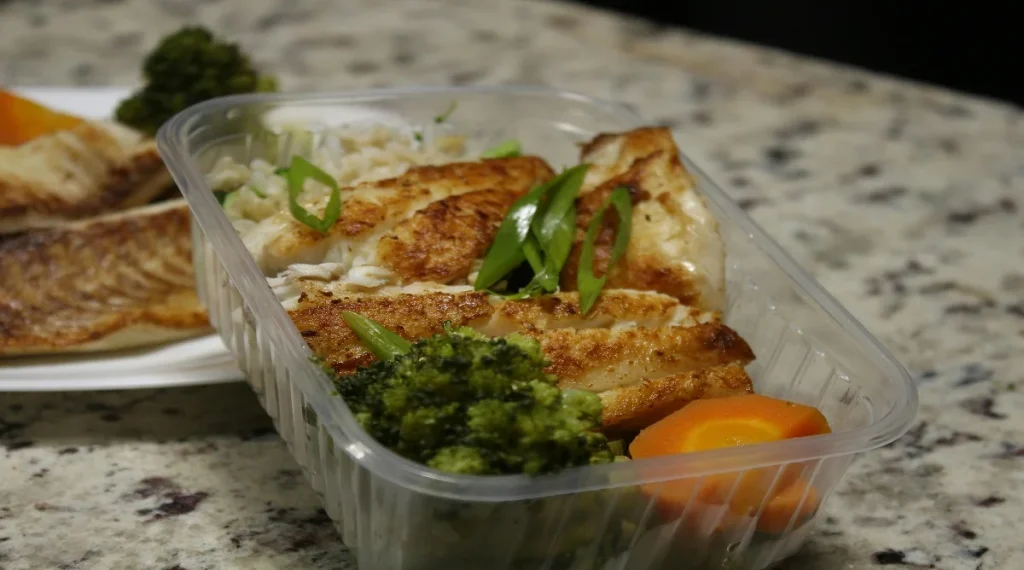
Credit Format: Gustavo Santana / pexels
9. Treat leftovers like time already saved
One of the most helpful mindset shifts in smart cooking is to stop thinking of leftovers as less appealing food and start seeing them as time already saved. The chopping, cooking, and cleanup have already been done once, which means the next meal is already partly finished.
This matters a lot during busy weekdays. People are often more willing to use leftovers when they see them as a head start rather than something they have to deal with.
Simple leftover meal ideas
Lunch idea
Leftover chicken, roasted vegetables, and rice turned into a grain bowl with yogurt sauce.
Dinner idea
Leftover rice with eggs, peas, and soy sauce turned into a quick fried rice.
Breakfast idea
Leftover roasted vegetables folded into eggs and served with toast.
Soup idea
Leftover chicken and vegetables added to broth with beans or pasta.
Frequently Asked Questions
What are smart cooking tricks for leftovers?
Helpful tricks include planning for leftovers early, storing them in useful portions, pairing them with simple staples, and freezing extras when needed.
How can leftovers feel less repetitive?
They often feel better when reused in a different form, such as bowls, wraps, soups, or pasta dishes.
Are leftovers good for lunch?
Yes. Leftovers are often one of the easiest ways to make lunch faster and more balanced.
Why do leftovers go to waste so often?
They are often forgotten because there is no clear plan, they are stored poorly, or they do not look easy to reuse.

 Eats PEI