 Eats PEI
Easy dinners often look more complete than they actually feel. A bowl meal, eggs and toast, soup, a wrap, or a pasta plate may seem perfectly reasonable at the table. The portion may not look small, and the food may even appear balanced at first glance. But then the evening continues, hunger returns too soon, and the meal starts to feel weaker in hindsight than it did while it was being eaten.
Food educators often explain that dinner satisfaction depends on more than whether a plate looks acceptable in the moment. A meal can appear complete and still miss the kind of structure that helps the rest of the evening feel steady. Dietitians also note that many people judge dinner by appearance first and only understand how well it worked later, when the body responds to what the meal actually provided. This is why some easy dinners feel less filling than expected, even when the plate looks completely reasonable.
Why a Dinner Can Look Complete and Still Behave Weakly Later
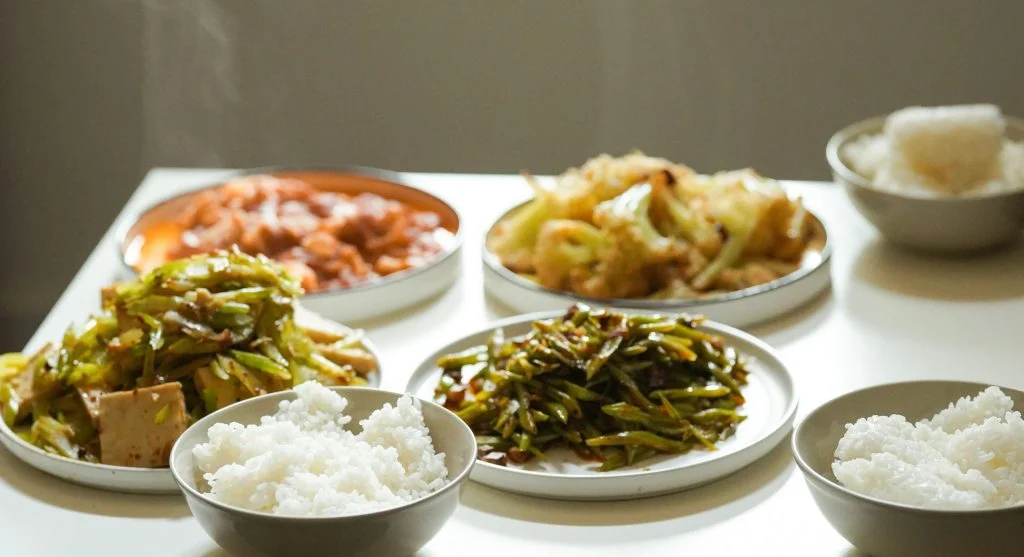
A plate can look complete for reasons that do not always show how well it will carry the evening. It may include more than one food. It may have color. It may include a main item with something on the side. That visual sense of completeness can make dinner feel finished. But filling dinners usually need more than visual balance. They often need enough structure, a stronger anchor, and enough total support for the next few hours.
Nutrition educators often point out that filling power is not always obvious at first glance. Some meals look bigger than they feel later, while other simpler meals carry much better than expected because their structure is stronger.
Why Easy Dinners Are Often Built to Solve Speed First
One reason this happens so often is that easy dinners are usually made during the hardest part of the day. Evenings are often short on patience, energy, and attention. Under those conditions, dinner is frequently built to solve speed before anything else. The meal gets made quickly, hunger settles for the moment, and the evening moves forward. But a dinner built mainly to happen fast may not always have enough support to last much longer.
Meal-planning coaches often explain that speed is not a problem by itself. The problem begins when speed becomes the only goal. A fast dinner can still be very useful, but it usually works better when it is also built to carry the hours after dinner, not just the first ten minutes at the table.
How One Missing Support Food Can Change the Whole Evening
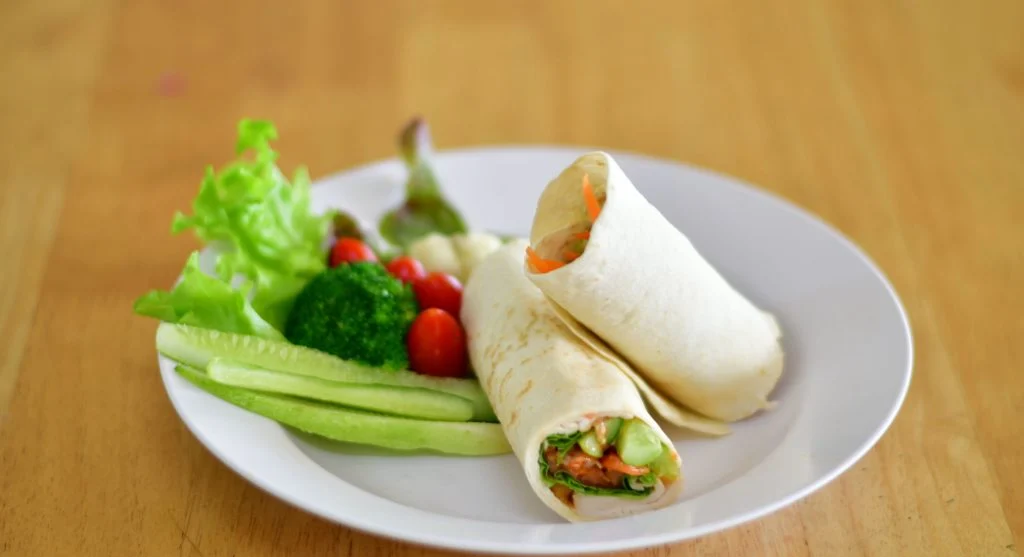
Many dinners feel weak not because the whole meal failed, but because one support food never made it onto the plate. A soup meal may need toast or fruit. Eggs may need vegetables or a stronger side. Pasta may need a little more protein or freshness. A wrap may need yogurt, fruit, or another support item to keep it from fading too quickly. That one missing food can be the difference between a dinner that settles the evening and one that quietly leads to more grazing later.
Food routine educators often explain that easy meals usually improve through one small fix rather than a full rebuild. This is why people sometimes misunderstand their own dinners. The plate was not wrong. It was simply unfinished in a practical way.
Why Protein Often Explains Part of the Difference
Protein is often one of the main reasons some dinners hold up better than others. Eggs, beans, yogurt, cheese, chicken, fish, tofu, lentils, or other dependable proteins can change how filling a meal feels later, not just while it is being eaten. A dinner that looks complete without enough real support may fade quickly, while a simpler plate with a stronger protein anchor may carry the evening much better.
Dietitians often support regular protein at meals because it can improve fullness and reduce the need for repeated food decisions later. At dinner, this often becomes especially clear because the meal is usually expected to support a longer, quieter stretch of the day.
Why Soft Meals Often Feel Lighter Than Expected
Texture plays a bigger role in dinner satisfaction than many people realize. Soft meals can feel comforting, but they can also feel less substantial later if there is not enough contrast. Soup, yogurt-based plates, eggs, or softer grain dishes may all benefit from something with more structure, such as toast, crackers, roasted potatoes, or a crisp side. The same amount of food may feel much more complete when the meal includes more texture contrast.
Cooking educators often explain that satisfaction is not only about nutrients or portion size. It is also about how the meal behaves as an eating experience. Texture, contrast, and meal rhythm can all affect how complete dinner feels later.
Why Freshness Can Matter Even When the Plate Already Looks Balanced
Freshness is another element that can change how dinner feels after the meal is over. A plate may have enough food and still feel flat if nothing fresh is helping it feel complete. Fruit, vegetables, yogurt sauce, greens, tomatoes, or even a bright acidic element can make dinner feel far less one-note. That may not always increase fullness directly, but it often improves how satisfying the meal feels overall.
Food educators often point out that satisfaction and fullness are related, but they are not exactly the same. A meal that feels more complete in flavor and contrast may help the body settle into the evening more comfortably than a meal that only seems large enough on paper.
Why Lighter Dinners Are Not Automatically Weaker Dinners
A lighter dinner can still be very useful. The problem is not that a meal is light. The problem is when a meal is light and underbuilt at the same time. A light soup dinner with toast and fruit may work well. A rice bowl with beans and yogurt sauce may still feel light while carrying the evening properly. Eggs with vegetables and bread may feel much more useful than a bigger but less structured plate.
Meal-smarts coaches often explain that useful dinners are not always the largest dinners. They are the dinners that match the real needs of the evening well enough to reduce later food drift.
How Dinner Timing Changes What “Filling Enough” Really Means
The same dinner may behave differently depending on when it is eaten. A meal eaten at seven may only need to support a short stretch before bed. A meal eaten at five may need to cover a much longer evening. This is one reason some dinners feel weaker than expected. The person judges the meal by the plate itself instead of by the size of the time gap it needs to cover.
Dietitians often explain that dinner should be judged partly by what comes after it. A meal that seems fine in one schedule may not be strong enough in another. Dinner strength is often about context, not only content.
Why Snack-Style Dinners Often Need One Stronger Center
Snack-style dinners are a common example of this problem. A plate with crackers, cheese, fruit, vegetables, and yogurt may look balanced and practical. Yet if none of those foods acts as a true anchor, the meal may still feel scattered later. One stronger center, such as eggs, a wrap, beans, potatoes, or a grain base, can change the whole experience. The rest of the foods can then support the dinner instead of trying to carry it in small pieces.
Food routine educators often explain that many scattered dinners become useful not by getting much bigger, but by becoming more clearly organized around one dependable food.
How People Can Tell What Dinner Was Missing
A useful question is not only, “Was dinner healthy?” but “What happened later?” If hunger returned quickly, if the person kept picking at snacks, or if the meal felt like it disappeared too fast, dinner may have lacked a stronger center, a useful side, enough contrast, or enough total support. The plate may have been visually reasonable while still being practically incomplete.
Nutrition educators often recommend judging dinner by how it supports the next few hours, not just by how it looked when served. The evening often tells the truth about the meal more clearly than the plate itself did.
Why Useful Dinners Often Beat Impressive Ones
One of the strongest food truths is that a useful dinner often does more good than a dinner that simply appears balanced. A practical meal that supports the evening well is often more valuable than a prettier or more varied plate that fades quickly. Useful dinners usually rely on simple strengths: one anchor food, one support side, some contrast, and enough realism to fit the actual night ahead.
Meal coaches often explain that sustainable eating becomes easier when dinners are judged by function as much as appearance. What matters is not only whether the meal looked complete. It is whether it helped the evening feel easier to live through.
Frequently Asked Questions
Q: Why can an easy dinner look complete but still feel weak later?
A: Because visual balance is not always the same as practical support. A dinner may look fine while still lacking enough structure or staying power for the rest of the evening.
Q: Does a weak-feeling dinner always need more food?
A: Not always. Sometimes the meal only needs a stronger anchor, more protein, a useful side, or better contrast rather than a larger portion overall.
Q: Are light dinners automatically less filling?
A: No. Light dinners can still work well when they are built with enough support and matched to the real time gap after dinner.
Q: What is the easiest way to improve an easy dinner?
A: Often the easiest fix is adding one support food or strengthening the center of the meal so the dinner no longer has to work alone.