 Eats PEI
Quick dinners often seem perfectly fine at first. A bowl of soup, eggs on toast, pasta, a sandwich, or a wrap can feel like enough to get the evening moving. Then, an hour later, the meal starts to feel smaller than expected. Hunger comes back, snacks appear, and dinner feels like it never really counted. Many people assume the problem is that the meal needed to be bigger or more complicated. In many cases, though, the issue is much simpler. The main food was being asked to do too much by itself.
Food educators often explain that one of the easiest ways to improve a fast dinner is not to rebuild the entire plate, but to add one simple side. Dietitians also note that a side dish is not only about adding more food. Often, it gives the meal enough structure so the main item does not have to work alone. That small support can change how complete dinner feels, how long it lasts, and how calm the rest of the evening becomes.
Why Quick Dinners Often Ask Too Much From One Food
Quick dinners are usually built around speed, which often means one food becomes responsible for the whole meal. Soup is expected to be dinner. Toast is expected to be dinner. Pasta is expected to carry the evening. Sometimes that works, especially when the meal already has enough balance. But often, the main food needs help. The meal is not wrong. It is simply missing one supporting piece that would make it feel more complete.
Meal routine educators often explain that people do not always need a bigger dinner. They often need a dinner with a stronger pairing. That is why a side can make such a difference. It keeps the main food from carrying the entire meal on its own.
Why One Simple Side Often Changes the Whole Meal
A simple side can change dinner because it fills the gap the main food leaves behind. If the meal feels too soft, toast or crackers may help. If it feels too dry, yogurt or fruit can make it feel better. If it feels too light, a side with protein or a stronger base may add the support it needs. The side does not have to be large or impressive. It only has to solve the part of dinner that still feels unfinished.
Food coaches often describe this as meal support rather than meal expansion. The side is not there just to add more food. It is there to help the main food work better.
How Dinner Feels Different When the Meal Has Contrast
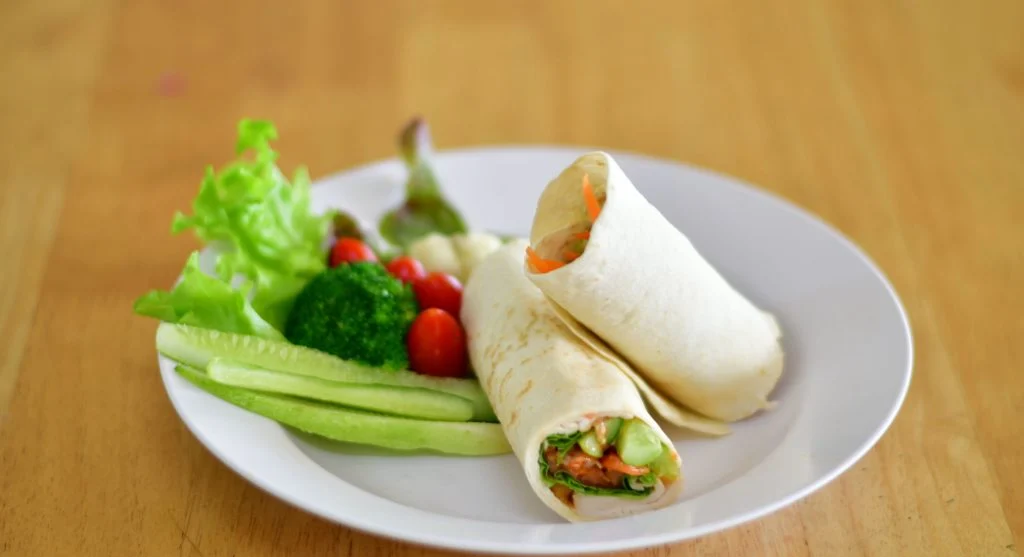
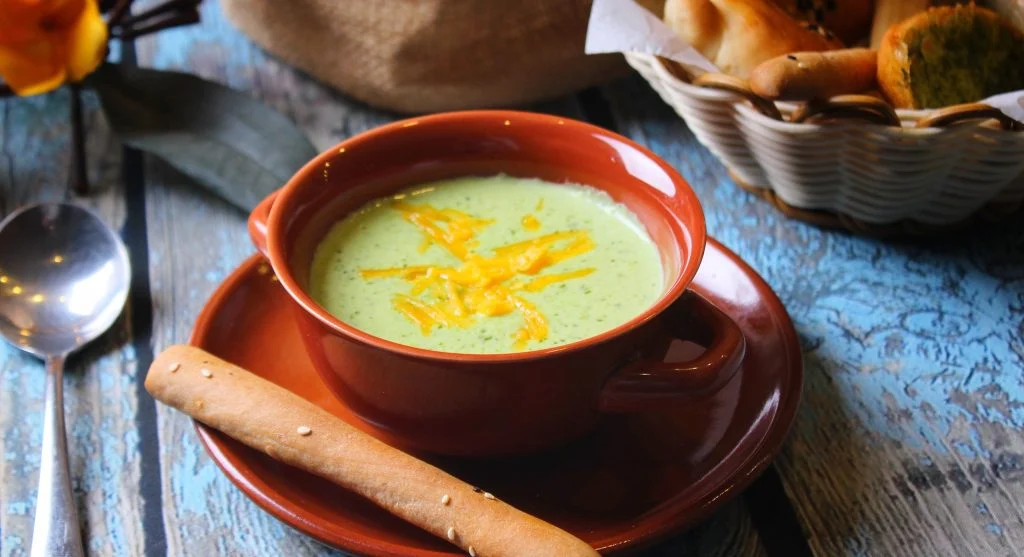
One reason simple sides help so much is that they add contrast. A warm food with something cool, a soft food with something crisp, or a savory dish with something fresh can make dinner feel much more complete. This is why soup often feels better with toast and fruit. It is why eggs can feel stronger with sliced vegetables or yogurt. It is also why a wrap may feel more useful with fruit on the side instead of being eaten alone.
Cooking educators often note that contrast helps meals feel more satisfying because the plate is no longer relying on one texture, one flavor direction, or one kind of fullness.
Why Light Dinners Often Need Support More Than Size
Many quick dinners are meant to stay light, and that can be completely fine. The problem begins when “light” starts to feel “unfinished.” A light dinner can still work well when the main food is supported by one practical side. A bowl of soup with toast can stay light and still feel complete. A yogurt-based dinner can work better when fruit and nuts give it more structure. Toast with eggs can feel far more useful when vegetables or fruit round it out.
Dietitians often explain that satisfaction does not come only from portion size. It often comes from whether the foods work together well enough to support the next few hours.
How a Side Can Quietly Improve Dinner Balance
A side dish can improve dinner balance without requiring much thought. Depending on what the main meal is missing, it may bring protein, fiber, produce, or a stronger base. Greek yogurt beside a grain bowl may add protein. Fruit beside toast or soup may add freshness and shape. Rice beside beans or eggs may make the meal feel more grounded. Vegetables beside pasta or sandwiches may keep the plate from feeling flat.
Meal-planning coaches often explain that dinner balance becomes easier when people stop expecting every main dish to be perfect on its own. Sometimes the smartest move is to let the side quietly provide what the meal still needs.
Why Fruit Often Works Better as a Dinner Side Than People Expect
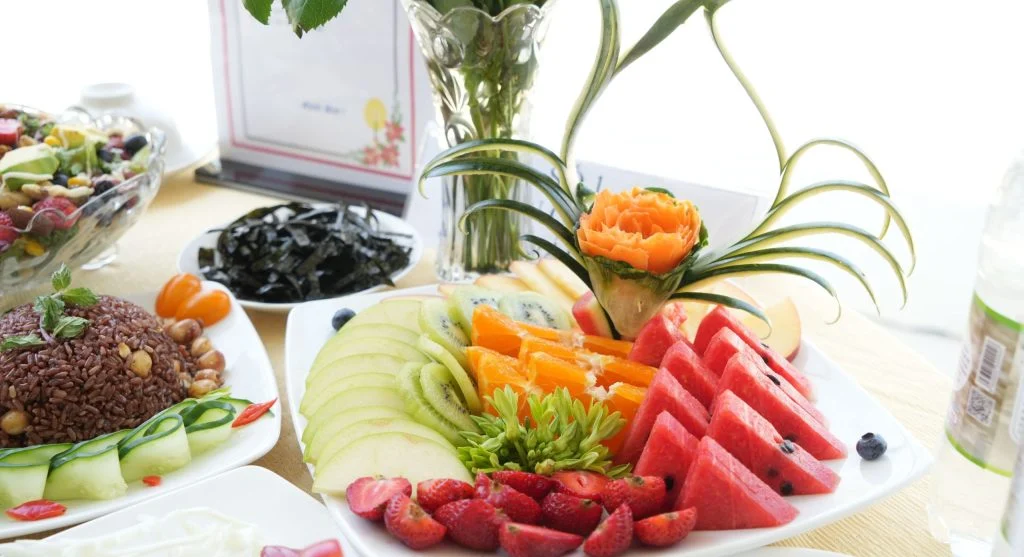
Fruit is often treated as a breakfast or snack food, but it can be very useful at dinner too. Apples, grapes, berries, melon, citrus, or pears can round out a quick evening meal in a simple way. Fruit often makes the plate feel fresher, more finished, and less dependent on one savory food. This can be especially helpful on rushed evenings when there is no time to cook a vegetable side.
Food educators often recommend fruit in practical meal planning because it requires little preparation and still helps dinner feel more complete.
Why Bread, Toast, or Crackers Often Solve Soft Meals
Soft meals can feel unsatisfying even when the portion is not especially small. Soup, eggs, yogurt-based meals, or beans may all benefit from a side with more structure. Toast, crackers, or bread can help those meals feel steadier and more useful. This does not mean every dinner needs bread, but it does mean some meals become stronger when they have a firmer base beside them.
Cooking coaches often explain that texture is part of satisfaction. When a meal feels too one-note, a simple side with more structure can solve the problem quickly.
How Vegetables Can Work as a Side Without Becoming a Full Project
Some people avoid sides because they imagine a side dish has to involve extra cooking. In reality, a side can be very simple. Sliced cucumbers, cherry tomatoes, salad greens, carrot sticks, or leftover roasted vegetables can all work. The value of the side is not in how impressive it looks. The value is in how easily it helps the main food feel more complete.
Meal educators often encourage simple vegetable sides for this reason. A useful side is usually one that is easy enough to appear regularly, not one that feels like making a second dinner.
Why Snack-Style Dinners Often Depend on One Smart Side
Snack-style dinners may already look like they include several foods, but they can still benefit from one stronger support item. A plate of cheese, crackers, fruit, and vegetables may feel better with eggs or yogurt added. A plate built around eggs, toast, and fruit may feel more complete with hummus or vegetables beside it. Even snack-style meals often work better when one side gives the plate a little more direction.
Food routine coaches often explain that scattered foods become a meal more easily when one item quietly pulls everything together. In many cases, that is exactly what a simple side does.
How One Side Can Reduce Evening Snacking Later
One quiet advantage of a better-supported dinner is that the rest of the evening often feels calmer. When dinner is too small or too weak, hunger may return later in a way that feels urgent or confusing. That is often when random evening snacking begins. A practical side does not always remove the need for all later eating, but it often lowers the chance that dinner will feel like it disappeared too quickly.
Dietitians often note that evening routines become easier when dinner has enough support to actually feel like dinner. A side dish can help create that steadier feeling without turning the meal into a bigger cooking project.
Why Useful Sides Are Often Repeated Sides
Busy kitchens usually benefit more from repeated useful sides than from constant side-dish variety. Fruit, toast, yogurt, cut vegetables, crackers, rice, or a simple salad may show up often because they keep solving the same meal problems well. That repetition is usually a strength, not a weakness. It means the side is practical enough to keep helping.
Meal-planning educators often explain that useful repetition lowers friction. If the side is easy to buy, easy to keep, and easy to add, it is much more likely to improve real dinners during busy weeks.
How Home Cooks Can Tell What Side a Meal Still Needs
A simple way to judge a quick dinner is to ask what still feels missing. If the meal feels too light, it may need a stronger side such as rice, bread, or yogurt. If it feels too heavy or flat, fruit or vegetables may help. If it feels too soft, toast or crackers may improve it. If it feels too dry, hummus, yogurt sauce, or another simple creamy side may make a difference.
Food educators often suggest this kind of simple check because it turns dinner into a practical problem-solving moment instead of a judgment about whether the meal is good or bad. Often, dinner is already close to working. It just needs one smart side to stop working alone.
Frequently Asked Questions
Q: Why do quick dinners often feel incomplete?
A: They often feel incomplete because one main food is being asked to carry the whole meal without enough support from a side or second simple element.
Q: Does a side dish always need cooking?
A: No. Many very useful sides need little or no cooking, such as fruit, yogurt, toast, crackers, greens, or sliced vegetables.
Q: Can one simple side really make that much difference?
A: Yes. One side can improve balance, texture, freshness, or staying power enough to change how complete the meal feels.
Q: What kind of side works best with a quick dinner?
A: The best side is usually the one that solves what the meal is missing, whether that is structure, protein, freshness, or more total support.