 Darren LeBlanc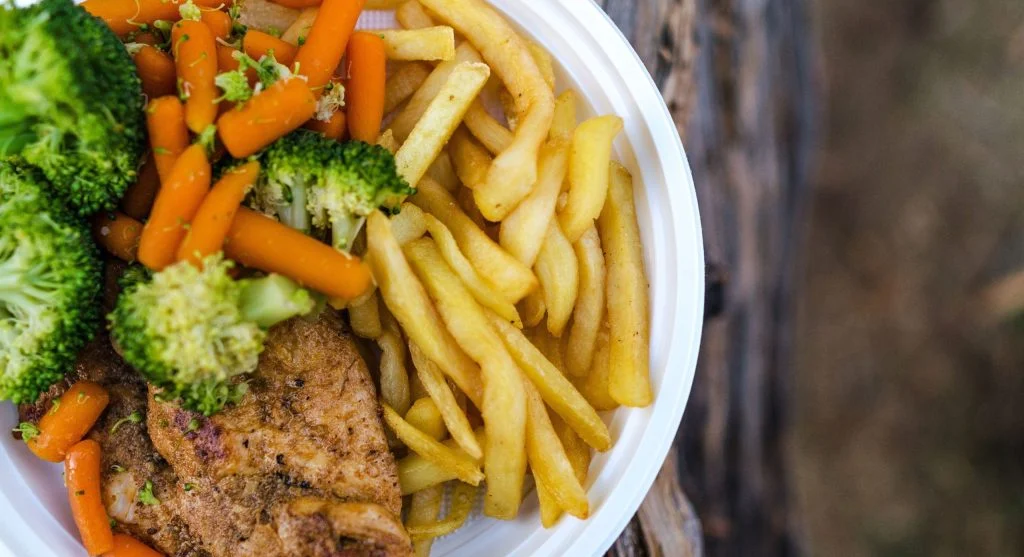
Smart cooking habits can make one-pan meals much more useful, especially on days when energy is low and cleanup needs to stay simple. Many people like the idea of cooking everything together, but one-pan meals can still turn out uneven if the ingredients do not cook at the same pace or if the meal feels unbalanced.
That is why simple kitchen habits matter. One-pan meals work best when they are practical, flexible, and built with a little structure. These smart cooking habits can help turn easy tray meals and skillet meals into dinners that feel more complete and easier to repeat.
Why one-pan meals are so appealing
One-pan meals save dishes, reduce cooking steps, and make dinner feel less overwhelming. That alone makes them appealing on busy evenings. But simplicity does not always guarantee a useful meal. Some one-pan dinners end up too light, too dry, or uneven because there was no clear plan behind the ingredients.
Smart cooking helps solve that problem. It keeps the ease of one-pan cooking while improving how the meal works as a whole.
1. Build the pan around a simple meal structure
One of the most helpful smart cooking habits is thinking about the pan in parts. A protein, vegetables, and a starch or useful base often create the strongest starting point. Chicken with potatoes and carrots works well. Tofu with broccoli and rice on the side can work too. Sausage with peppers and roasted vegetables is another simple option.
This keeps the meal from becoming just a tray of random ingredients. It gives dinner more purpose and balance from the beginning.
2. Use ingredients that cook at similar speeds
One-pan meals often fail when foods need very different cooking times. Fast-cooking vegetables may burn while potatoes stay undercooked. Smart cooking habits help by grouping ingredients that roast or cook at a similar pace, or by cutting slower foods smaller so everything finishes more evenly.
This small detail can make a big difference in how useful one-pan meals feel. It improves both texture and overall ease.
3. Cut ingredients in a practical way
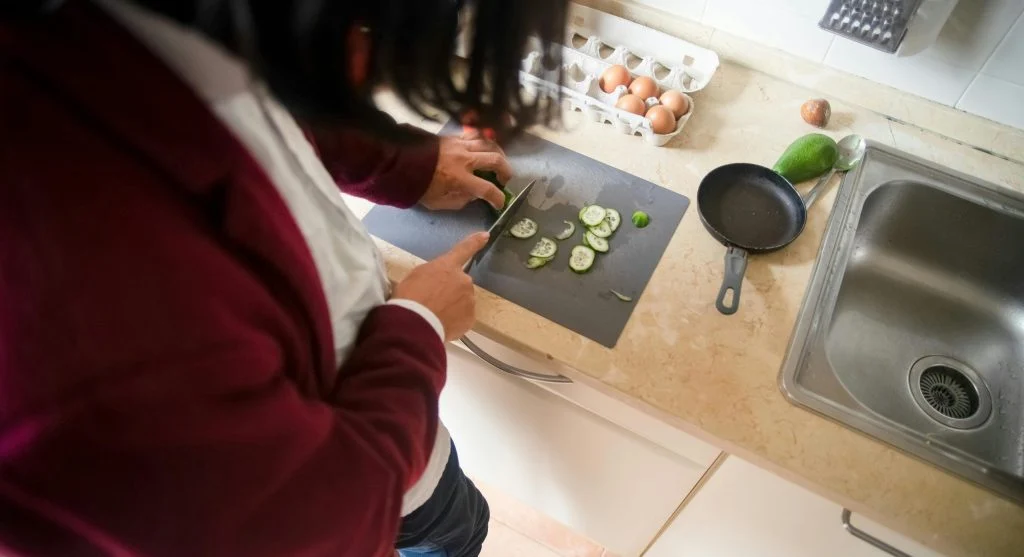
Size matters more than people sometimes realize. Smaller potato pieces roast faster. Thick carrots need more time than thin slices. Broccoli florets cook differently from large chunks. Smart cooking often means thinking about how ingredient size affects the final meal.
This is one of the easiest habits to improve because it does not require more ingredients. It simply helps the foods cook together more successfully.
4. Let one ingredient carry most of the flavor
One-pan meals feel easier when the seasoning stays simple. Garlic, lemon, mild spices, herbs, olive oil, yogurt sauce, or tomato-based flavor can often do enough without making the meal complicated. Choosing one main flavor direction helps the meal feel more complete and less scattered.
This is one of the smarter cooking habits because it reduces decision fatigue and makes repeat meals easier to prepare.
5. Keep protein simple and dependable
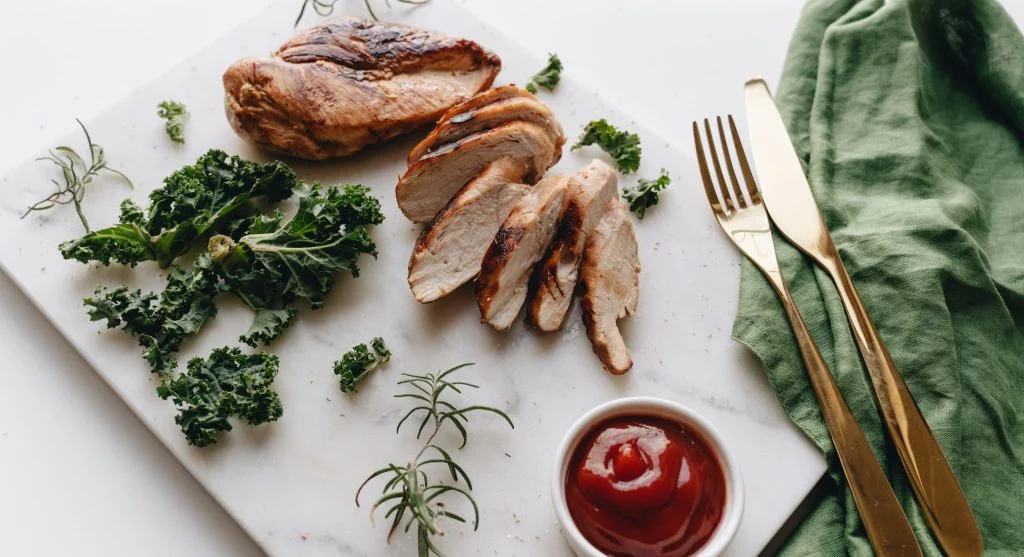
One-pan meals usually work best with proteins that cook reliably. Chicken thighs, tofu, beans added later, fish fillets, or sausages are often easier to manage than proteins that need more exact timing. Protein also helps the meal feel more satisfying, which matters on busy evenings.
Many nutrition professionals support including protein in dinner because it often helps meals feel more complete and may reduce the urge to snack again soon after eating.
6. Use one-pan meals to make vegetables easier to repeat
Roasting vegetables beside the main part of dinner often makes them much easier to include regularly. Carrots, broccoli, cauliflower, peppers, onions, zucchini, and squash can all work well depending on the season and meal style.
This is one of the most useful smart cooking habits because vegetables become part of dinner automatically instead of something that needs a separate plan.
7. Add a simple side only when it helps the meal
Not every one-pan meal needs a side, but some feel more complete with one. Rice, bread, fruit, yogurt sauce, or a small salad can help when the pan itself is lighter or missing a stronger base. The key is not adding more work without a reason.
This habit helps keep the meal practical. One-pan cooking works best when the support foods stay easy too.
8. Make enough for leftovers on purpose
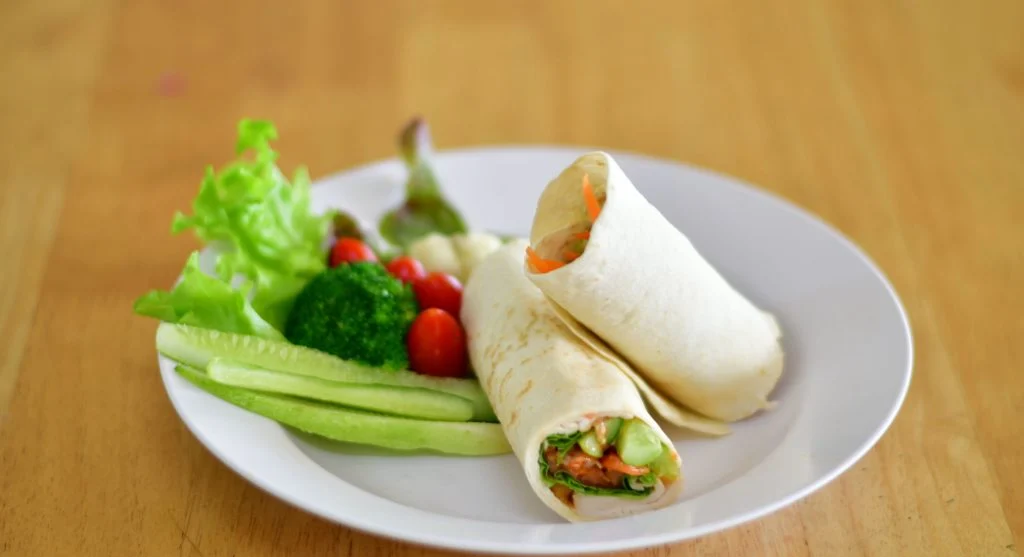
One-pan meals are often perfect for planned leftovers. Extra roasted vegetables, chicken, or potatoes can become lunch bowls, wraps, soups, or egg meals the next day. That makes the original effort much more useful.
This is one of the smartest cooking habits because it stretches one cooking session into more than one meal without adding much extra work.
9. Keep one-pan meals realistic for the day
Not every evening has the same energy level. Some nights can handle a full tray of chopped vegetables and protein. Other nights may need an easier version using frozen vegetables, pre-cut produce, or simpler ingredients. Smart cooking works better when the meal matches the day instead of an ideal plan.
This makes one-pan meals easier to repeat in real life. Practical dinners usually last longer than ambitious ones.
10. Focus on useful meals, not perfect trays
One-pan dinners do not need to look impressive to work well. A useful tray meal is one that provides enough structure, enough food, and enough ease to support the evening. It may not be highly creative, but it still does its job very well.
Many experts support consistent, realistic food routines over perfect meal presentation. That is especially true with one-pan meals, where ease is part of the value.
Simple one-pan meal ideas
Meal idea 1
Chicken thighs with potatoes, carrots, and broccoli roasted on one tray.
Meal idea 2
Sausage with peppers, onions, and baby potatoes served with yogurt sauce.
Meal idea 3
Tofu with cauliflower, zucchini, and carrots served over rice.
Meal idea 4
Fish fillets with green beans and sliced potatoes roasted with lemon and herbs.
Frequently Asked Questions
What are smart cooking habits for one-pan meals?
They are simple kitchen habits that help tray meals and skillet meals cook more evenly and feel more balanced and useful.
Why do one-pan meals sometimes fail?
They often fail when ingredients cook at very different speeds, seasoning feels scattered, or the meal lacks enough structure.
Can one-pan meals still be balanced?
Yes. They often work very well when they include protein, vegetables, and a useful starch or simple side.
Are one-pan meals good for leftovers?
Yes. They are often one of the easiest meal styles to cook in larger amounts and reuse the next day.

 Eats PEI