 Darren LeBlanc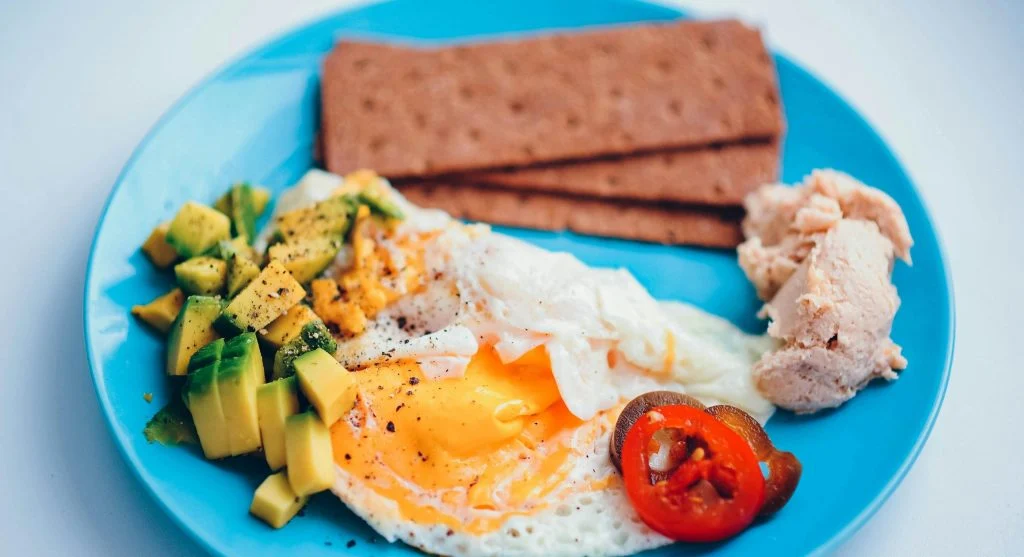
Better eating habits can feel harder to keep on weekends, even for people who eat in a more regular way during the week. Weekend schedules often change from day to day. Breakfast may happen later, lunch may be delayed, and dinners may become more relaxed or less planned than usual.
That flexibility is not always a problem, but it can make food routines feel less organized. A few simple habits can help weekends feel easier without making them strict. Better eating habits work best when they support enjoyment, balance, and a little structure at the same time.
Why weekend meals often feel less organized
Weekdays usually come with built-in structure. Work, school, and regular routines naturally shape when meals happen. Weekends often remove that structure, which means meals may depend more on mood, timing, and convenience.
That can lead to long gaps without eating, overly light meals, repeated snacking, or late dinners that feel rushed. Better eating habits can help by adding just enough rhythm to the day without making weekends feel overly planned.
1. Keep one part of the morning meal consistent
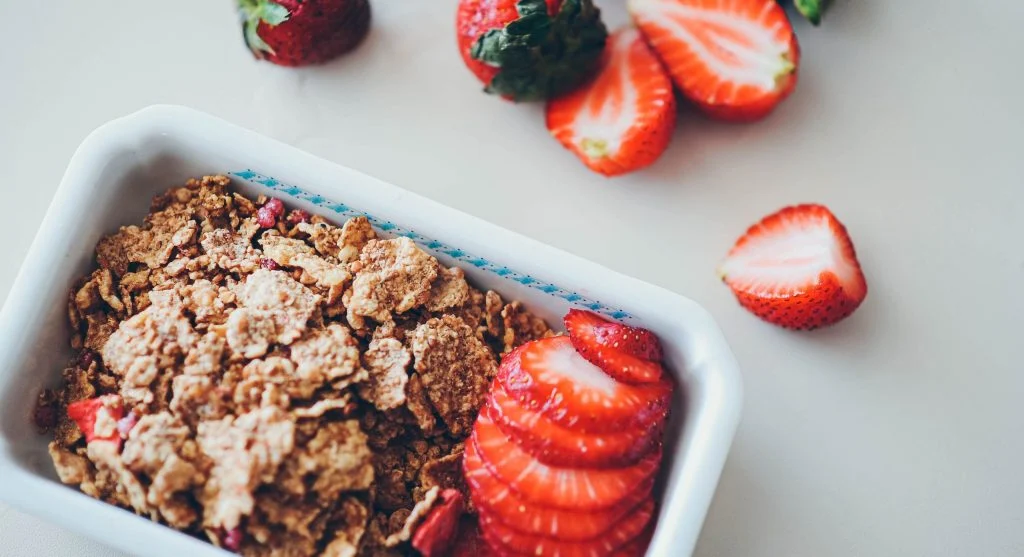
One of the easiest better eating habits for weekends is keeping one breakfast habit steady, even if timing changes. That could mean always having fruit with breakfast, adding protein like eggs or yogurt, or keeping one simple breakfast option available every weekend morning.
This creates a little structure without removing flexibility. Even one consistent habit can make the day feel more grounded.
2. Do not let weekends turn into meal skipping
When schedules are relaxed, it becomes easier to push meals back too far. A late breakfast may lead to no lunch, followed by random snacking until dinner. This often makes the whole day feel less organized around food.
One of the most useful better eating habits is simply noticing long gaps and filling them with a proper meal or a planned snack before hunger gets too strong. This can make later food choices much easier to manage.
3. Use simple meals instead of no plan at all
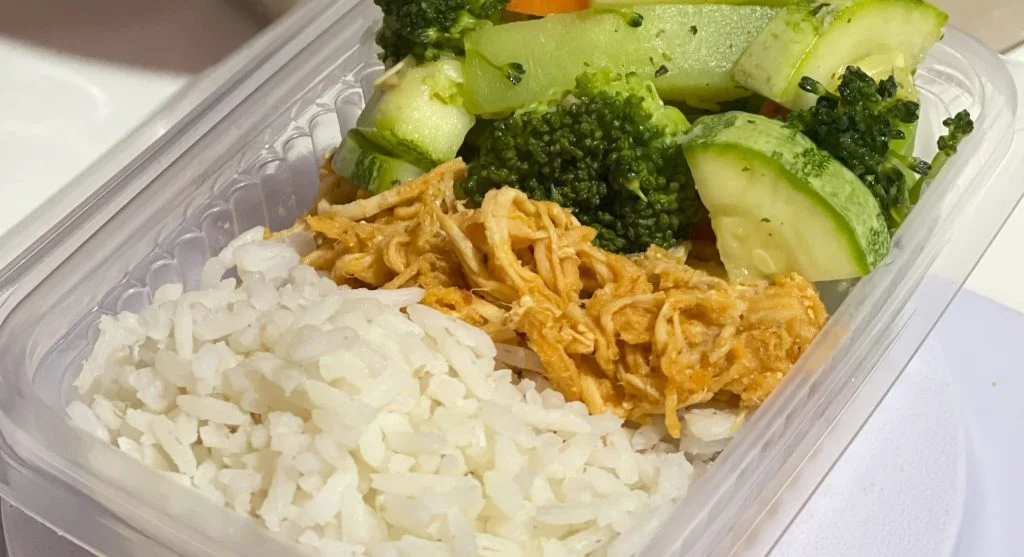
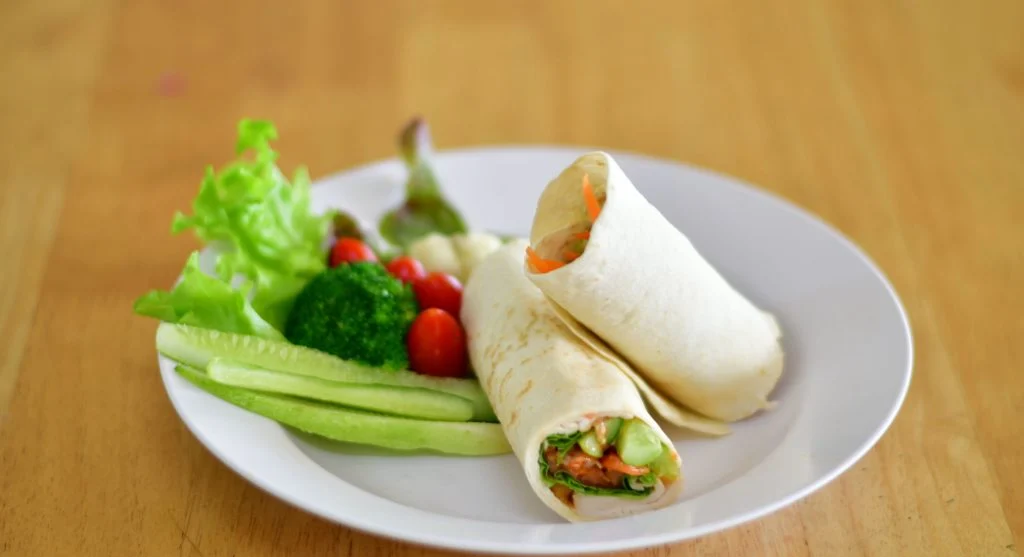
Weekends do not need a full meal plan, but it often helps to have a few easy meal ideas in mind. Eggs with toast, yogurt bowls, wraps, pasta with vegetables, soup with bread, or rice bowls can all support relaxed days without much effort.
This is one of the stronger better eating habits because it keeps food decisions from becoming too random. A simple plan is often enough.

4. Let leftovers support easier weekend choices
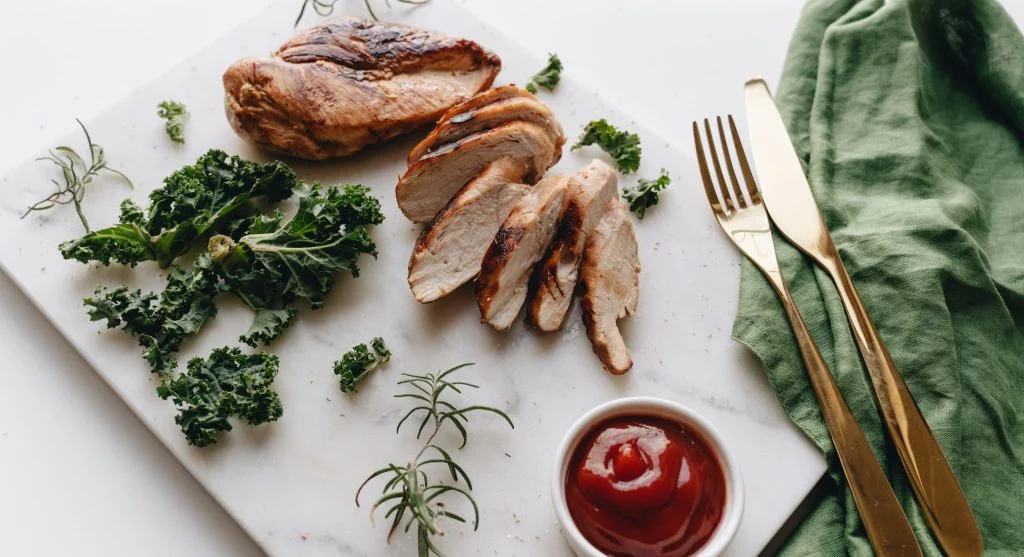
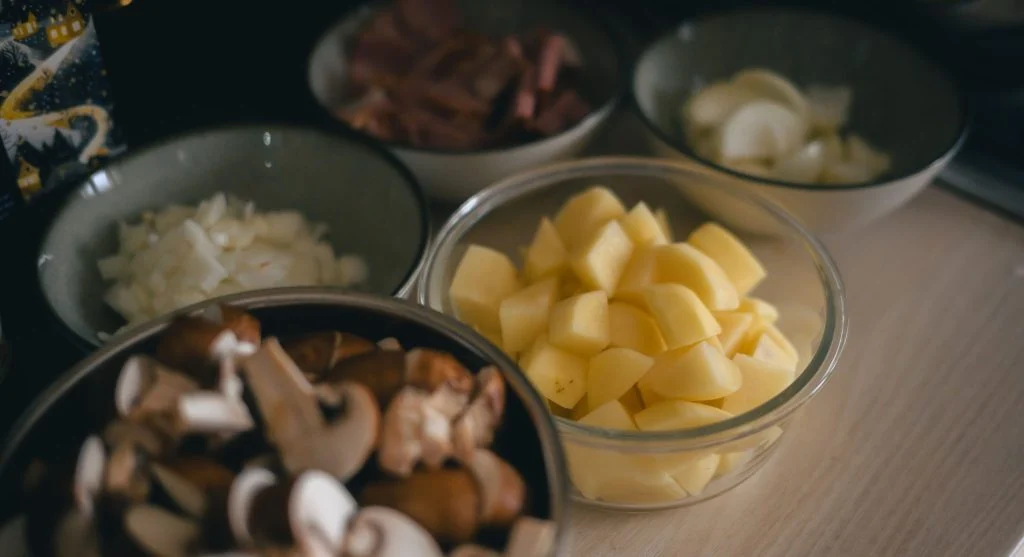
Leftovers can be very useful on weekends because they reduce the number of food decisions that need to be made. Extra soup, rice, chicken, roasted vegetables, or pasta from the week can become a quick lunch or easy dinner when the day becomes busy or less structured.
This is one of the more practical better eating habits because it supports flexibility while still keeping meals balanced and useful.
5. Build meals around simple balance, not perfection
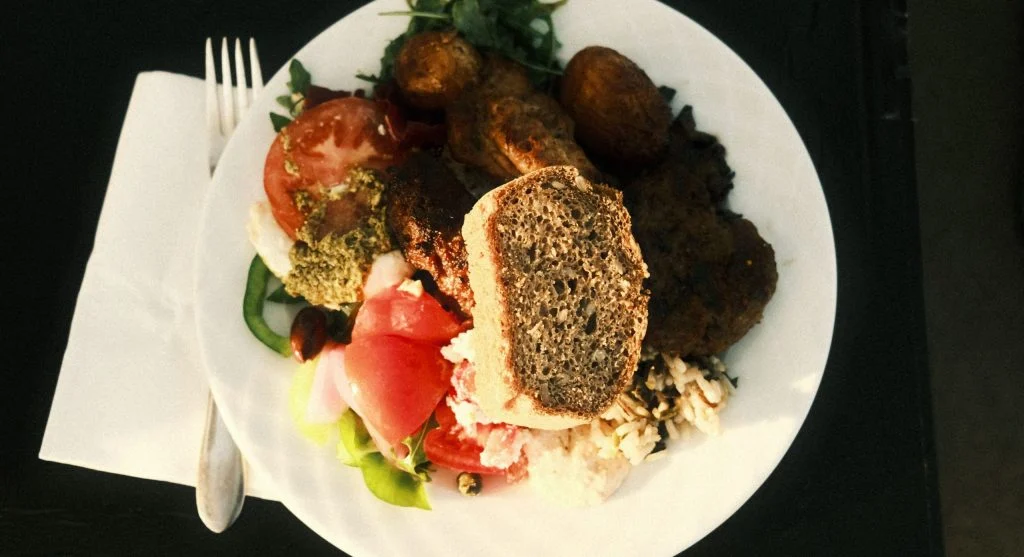
Weekend meals do not need to be ideal to work well. A helpful pattern is often enough: protein, produce, a grain or starch, and something for flavor. That could mean eggs, toast, and fruit in the morning or beans, rice, and vegetables at lunch.
Better eating habits usually last longer when meals feel simple and realistic instead of carefully controlled.
6. Keep snacks planned when the day is unpredictable
Weekend hunger can arrive at odd times because schedules shift. A useful way to stay organized is to keep a few balanced snacks easy to reach, such as yogurt, fruit, nuts, hummus, crackers, or boiled eggs.
Planned snacks can help prevent a flexible day from turning into constant grazing. This makes weekends feel calmer around food without removing freedom.
7. Keep one backup dinner idea ready
Even weekends can become busy, especially with visits, errands, or family plans. One easy backup meal can help keep the day organized when dinner gets delayed or energy is low. Soup with toast, pasta with tuna, eggs on bread, or rice with beans are all useful examples.
This is one of the better eating habits that helps meals stay consistent even when the day does not go as expected.
8. Let enjoyment stay part of the routine
Weekend meals often feel more relaxed, and that can be a very good thing. Better eating habits do not need to remove enjoyment. They usually work best when favorite foods, slower meals, or shared meals still fit into the routine.
The real goal is not strict control. It is helping meals stay organized enough that the whole day feels better supported.
9. Think about the full day, not one meal at a time
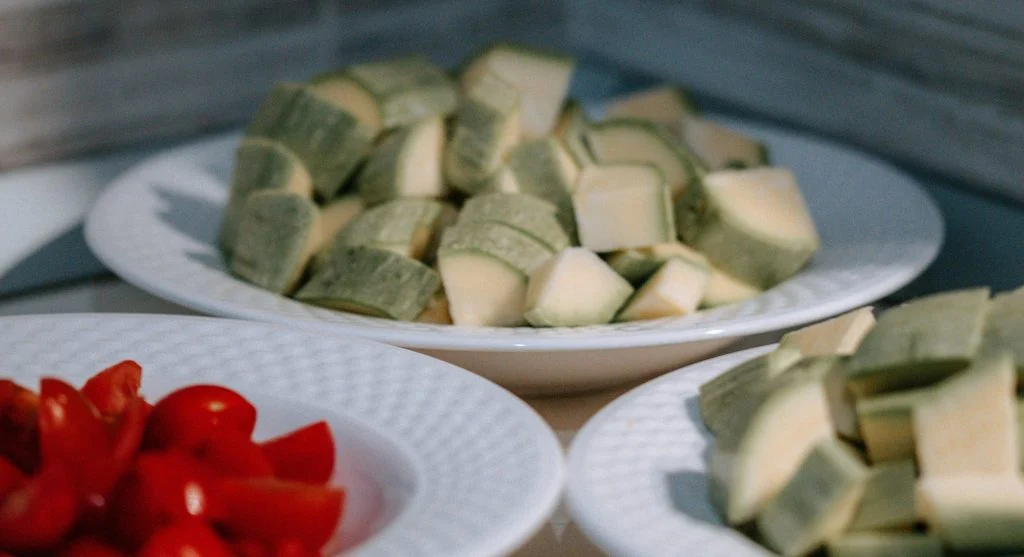
One of the most helpful better eating habits is stepping back and looking at the full weekend day. If breakfast is very late, lunch may need to be smaller. If dinner will be delayed, a more useful snack may help. If one meal is heavier, the next meal can simply be lighter and more practical.
That bigger view often makes weekend eating feel much less stressful. It helps people respond to the day instead of judging one meal too strongly.
Simple weekend meal ideas
Weekend breakfast
Eggs with whole-grain toast, fruit, and yogurt.
Weekend lunch
Rice bowl with beans, vegetables, and a yogurt-based sauce.
Weekend snack
Apple slices with peanut butter and a handful of nuts.
Weekend dinner
Soup with toast, salad, and leftover roasted vegetables.
Frequently Asked Questions
What are better eating habits for weekends?
They are simple routines that help keep meals balanced, flexible, and organized even when the weekend schedule changes.
Do weekends need a strict meal plan?
No. A few easy meal ideas and balanced snacks are often enough to support a more organized food routine.
Why do weekends feel less organized around food?
They often feel less organized because meal times shift, schedules change, and meals depend more on convenience than routine.
Can flexible weekends still support better eating?
Yes. Better eating habits can still work well on flexible days when there is a little structure and a few practical options available.
Key Takeaway
Better eating habits can make weekend meals more organized by adding just enough structure to flexible days. A few simple meal ideas, balanced snacks, leftovers, and one backup dinner can all help weekends feel calmer and more supported without becoming strict. Many experts support practical routines over perfect food plans. In everyday life, the best weekend food habits are often the ones that are flexible, balanced, and easy to keep using.

 Eats PEI