 Darren LeBlanc
That is why useful grocery routines matter so much. Eat smart habits can help people choose foods that support everyday meals instead of relying only on what looks healthy in the moment. With a little structure, grocery trips can feel simpler, faster, and more practical.
Why grocery trips often feel less helpful than expected
Many people leave the store with food in the cart but still feel unsure about what meals it will actually create. This often happens when shopping is guided by impulse, marketing, or very general ideas about “healthy food” instead of meal support.
Eat smart habits can change that. They help connect grocery shopping to the real meals a household will need through the week. That usually makes the whole routine feel more useful.
1. Start with foods that work in several meals
One of the strongest eat smart habits is choosing foods that can be used in more than one way. Eggs can work at breakfast, lunch, or dinner. Rice can support bowls, soups, and side dishes. Yogurt can fit into breakfast, snacks, or sauces. Beans can appear in lunch bowls, soups, wraps, or simple dinners.
When foods are flexible, groceries go further and meals become easier to build. This helps reduce waste and lower planning stress at the same time.
2. Shop with two or three meal ideas in mind
Shopping becomes more helpful when there is a simple picture of what the food will become. That does not mean planning every meal in detail. It just means knowing a few likely directions, such as rice bowls, egg breakfasts, sandwiches, soup, or pasta nights.
This is one of the most practical eat smart habits because it keeps the cart connected to real life instead of only good intentions.
3. Build around protein and fiber
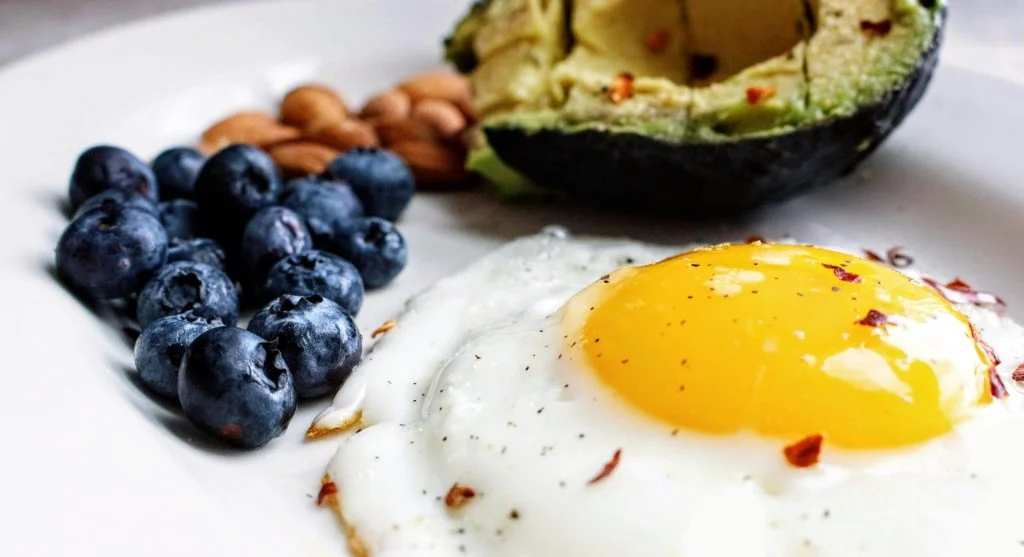
Protein and fiber often help meals feel more satisfying, which is why they are useful anchors during grocery shopping. Protein can come from eggs, yogurt, chicken, fish, beans, lentils, tofu, or cottage cheese. Fiber often comes from fruit, vegetables, oats, beans, and whole grains.
Credit: Jenna Hamra / Pexels
4. Buy produce that matches the week ahead
It is easy to buy produce with the best intentions, but grocery trips work better when fruit and vegetables match what a person will realistically use. Fresh produce can be excellent, but frozen vegetables, bagged salad, bananas, apples, berries, or pre-cut vegetables may be more practical on busy weeks.
This is one of the smartest eat smart habits because it helps reduce waste while still keeping balanced foods in regular meals.
5. Keep convenience foods that still help
Useful grocery carts do not need to avoid convenience completely. Frozen vegetables, canned beans, rotisserie chicken, cooked grains, plain yogurt, and simple soups can all help balanced eating feel more realistic. These foods save time and lower the effort needed to make meals later.
Eat smart habits often work best when they fit ordinary schedules. Helpful convenience foods can be part of that routine.
6. Choose snacks that actually support hunger
Many people buy snack foods without thinking about how they will fit into the day. A more helpful approach is choosing a few snacks that offer more balance and staying power. Yogurt, fruit, nuts, hummus, popcorn, crackers with cheese, or boiled eggs are useful examples.
This is one of the eat smart habits that can improve the whole week, especially when long gaps happen between meals.
7. Repeat staples that already work well
Some people feel that healthy shopping should look different every week, but repetition can make grocery trips much easier. Repeating staple foods like oats, eggs, rice, beans, bread, yogurt, fruit, and vegetables usually makes meal planning simpler and lowers decision fatigue.
Experts often support repeatable routines because they are easier to maintain over time. This is one of the most useful eat smart habits for consistent grocery shopping.
8. Keep one backup meal in mind while shopping
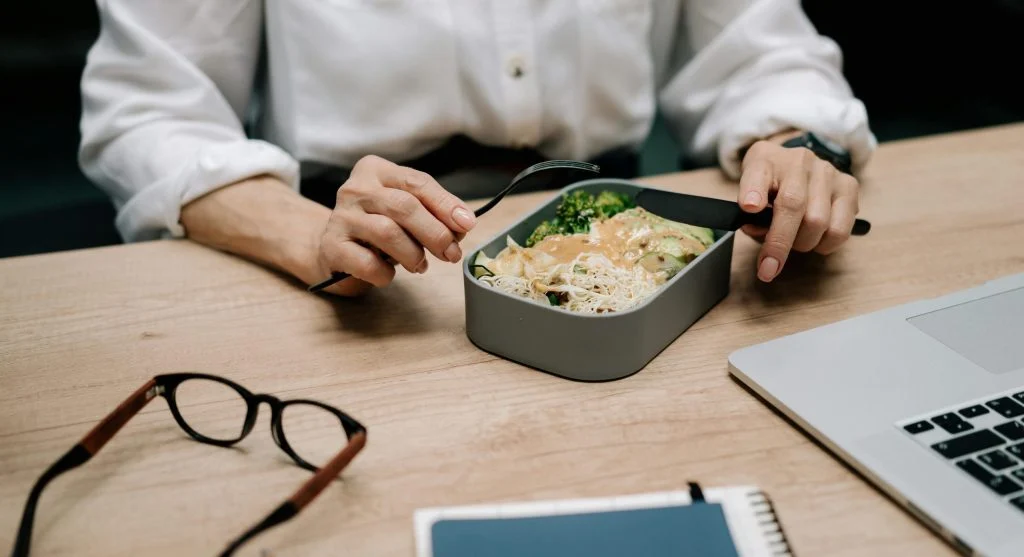
Good grocery trips usually include foods for at least one low-effort meal. Eggs on toast, soup with a sandwich, rice with beans and frozen vegetables, or pasta with tuna and peas are all strong examples. These meals do not need to be exciting. They need to be dependable.
This habit makes shopping more useful because it prepares for the kind of evening when energy is low and cooking feels harder than expected.
Credit: cottonbro studio / Pexels
9. Think about the week after the store, not only the cart in the store
One of the most important eat smart habits is remembering that a grocery trip matters most after it is over. A useful cart is not the one that only looks healthy in the aisle. It is the one that makes breakfast, lunch, dinner, and snacks easier during the next several days.
This shift in thinking often makes shopping feel calmer and more practical. It brings the focus back to what foods will truly support daily life.
Simple grocery combinations that support easy meals
Breakfast combination
Oats, yogurt, berries, and bananas.
Lunch combination
Whole-grain bread, eggs, fruit, and chopped vegetables.
Dinner combination
Rice, beans, frozen vegetables, and rotisserie chicken.
Snack combination
Yogurt, nuts, apples, and hummus with crackers.
Frequently Asked Questions
What are eat smart habits for grocery shopping?
They are simple shopping routines that help people choose useful foods for balanced meals and easier weekly planning.
Do grocery trips need a full weekly meal plan?
No. Many people do well with a few meal ideas, flexible staples, and one or two backup meal options.
Why do practical staple foods matter so much?
They make it easier to build meals quickly, reduce waste, and lower the number of food decisions needed later.
Can convenience foods still fit into eat smart habits?
Yes. Useful convenience foods can make balanced meals much easier during busy weeks.
Key Takeaway
Eat smart habits can make grocery trips much more useful by focusing on foods that truly support the week ahead. Flexible staples, realistic produce, balanced snacks, and dependable backup meal ingredients can all make breakfast, lunch, and dinner easier to manage. Many experts support practical routines over perfect shopping plans. In everyday life, the best grocery trip is usually the one that makes meals easier once the bags are back home.


 Eats PEI