 Darren LeBlanc
Eat smart habits can help reduce random snacking, especially for people who feel like they’re constantly reaching for food without really planning to. In many cases, snacks themselves aren’t the issue. The real problem is that meals may not be balanced enough, hunger builds too strongly, or food is simply too easy to grab without thinking.
That’s why reducing random snacking often starts with improving the rest of the day. Many nutrition professionals suggest focusing on meal structure, awareness of hunger, and practical routines instead of relying only on willpower. Eat smart habits can help people feel more in control without turning food into a strict set of rules.
Why random snacking happens so often
Random snacking rarely has just one cause. Sometimes it happens because breakfast was too light or lunch was pushed too late. Other times, it’s driven by convenience, stress, or simple fatigue when people want quick comfort.
This is where eat smart habits come in. They shift the focus to the bigger pattern instead of treating every snack as a separate issue. When the overall routine improves, random snacking often becomes easier to manage.
1. Make meals more filling from the start
One of the most effective eat smart habits is building meals that actually last. Meals that include protein, fiber, and a useful source of carbohydrates tend to do a better job of preventing constant grazing later.
For example, eggs with toast and fruit are usually more satisfying than a pastry on its own. A lunch with chicken, rice, and vegetables often holds up better than a few crackers or a sweet drink. When meals aren’t filling enough, snacking tends to fill the gap.
2. Do not wait until hunger becomes extreme
Very strong hunger can make it harder to choose balanced foods. When hunger gets too intense, people often reach for whatever is quickest and easiest.
This doesn’t mean eating has to follow a strict schedule, but it helps to notice when too much time has passed. Eat smart habits tend to work best when hunger is managed before it becomes urgent.
3. Keep better snacks easy to reach
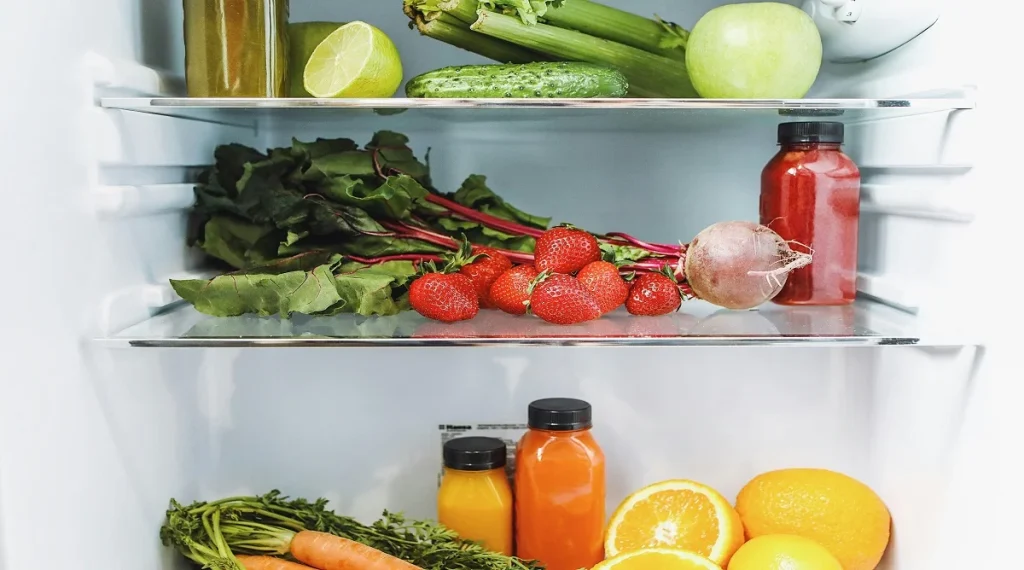
Making a better choice is much easier when it’s already within reach. Yogurt, fruit, nuts, boiled eggs, hummus, plain popcorn, and cheese can all be useful options, depending on the situation.
This is one of the most practical eat smart habits because it works with real life. People naturally go for what’s visible and convenient, especially during busy afternoons or late evenings.
Credit Format: Polina Tankilevitch / pexels
4. Learn the difference between hunger and habit
Not every urge to snack comes from physical hunger. Sometimes it’s driven by boredom, stress, routine, or simply seeing food nearby. That doesn’t make the urge invalid, but it may mean the body isn’t actually asking for food in the same way.
A helpful habit is to pause for a moment and ask a simple question: am I truly hungry, or do I need a break, some water, or a change of pace? That small pause can lead to more aware choices without adding pressure.
5. Build stronger lunches and dinners
Many people focus on snacks when the real issue starts with meals. A lunch or dinner that’s too small or low in protein and fiber often leads to more snacking later on. More balanced meals can reduce that need.
Eat smart habits tend to improve when lunch and dinner are treated as real meals, not quick placeholders. Meals that are more complete usually have better staying power than repeated small snacks.
6. Stop treating all snacks like a mistake
Trying to avoid snacks entirely can backfire. A planned snack can actually prevent random eating later in the day. For example, yogurt in the afternoon or fruit with nut butter before a long evening can help maintain a steadier routine.
This is one of the more useful eat smart habits because it replaces guilt with structure. A thoughtful snack is very different from eating aimlessly when meals haven’t been enough.
7. Do not eat only while distracted
Snacking while scrolling, watching screens, or working can make it harder to notice how much you’re eating or whether it’s satisfying. When food happens in the background, it often feels less intentional.
That doesn’t mean every snack needs a formal setting, but it helps to give it a bit of attention. This can improve awareness and reduce the feeling of eating without realizing it.
8. Keep packaged snack foods in a more deliberate place
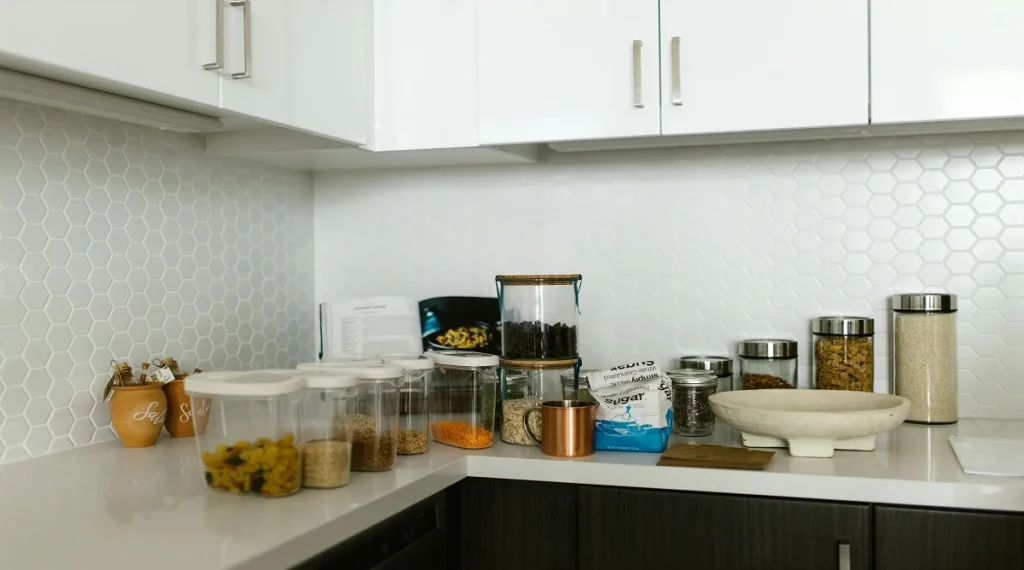
Some snack foods are easy to overeat because they’re always visible and require no effort. Placing them out of immediate reach while keeping better options easier to access can gently guide better choices.
Public health and behavior research often show that environment influences decisions more than people expect. Eat smart habits tend to stick more easily when surroundings support them.
Credit Format: RDNE Stock project / pexels
Frequently Asked Questions
What causes random snacking?
It can happen because of real hunger, weak meals, long gaps between meals, stress, boredom, or simply having easy-to-grab foods nearby.
Are snacks always a bad habit?
No. Planned and balanced snacks can be helpful, especially when they support hunger between meals.
How can people reduce random snacking?
They can improve meal balance, manage hunger earlier, keep better options visible, and notice the difference between hunger and habit.
Do people need to avoid all packaged snacks?
No. It often helps more to keep them in a more deliberate place and make balanced foods easier to choose first.


 Eats PEI