 Darren LeBlanc
Food truths can be especially helpful in the grocery store, where labels, trends, and mixed nutrition advice can quickly feel overwhelming. A simple shopping trip can become confusing when every product claims to offer better health, more energy, or smarter eating.
In reality, experts tend to come back to a few basic ideas that matter more than clever packaging. These food truths can help guide grocery choices that support balanced meals, realistic routines, and less stress throughout the week.
Why grocery shopping can feel so complicated
Modern grocery stores offer endless options, but more choice doesn’t always make things easier. Many people feel pushed toward specialty products instead of focusing on everyday foods that actually help them build breakfast, lunch, dinner, and snacks.
That’s where food truths help. They shift the focus away from confusion and back to practical foods that support real meals at home.
1. The healthiest cart does not need to look trendy
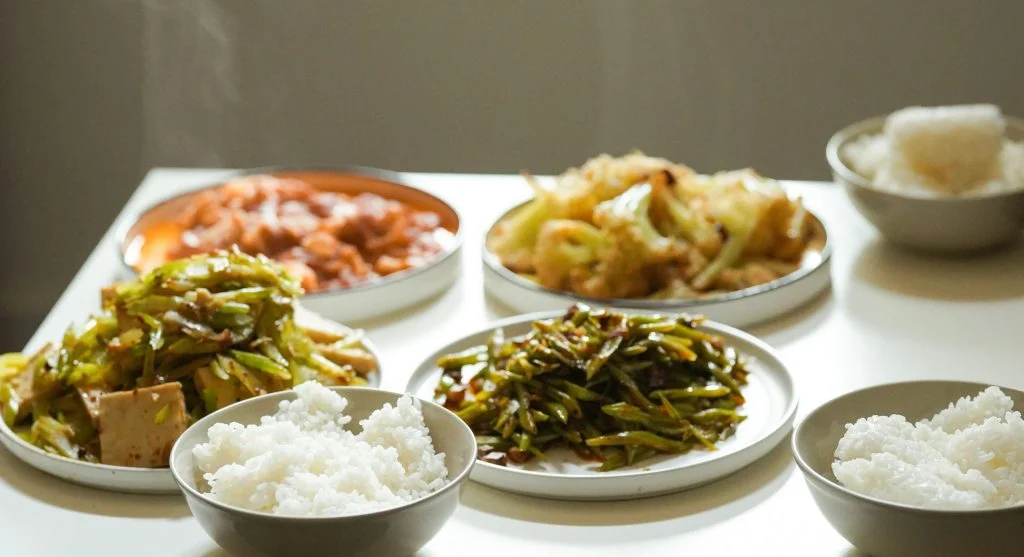
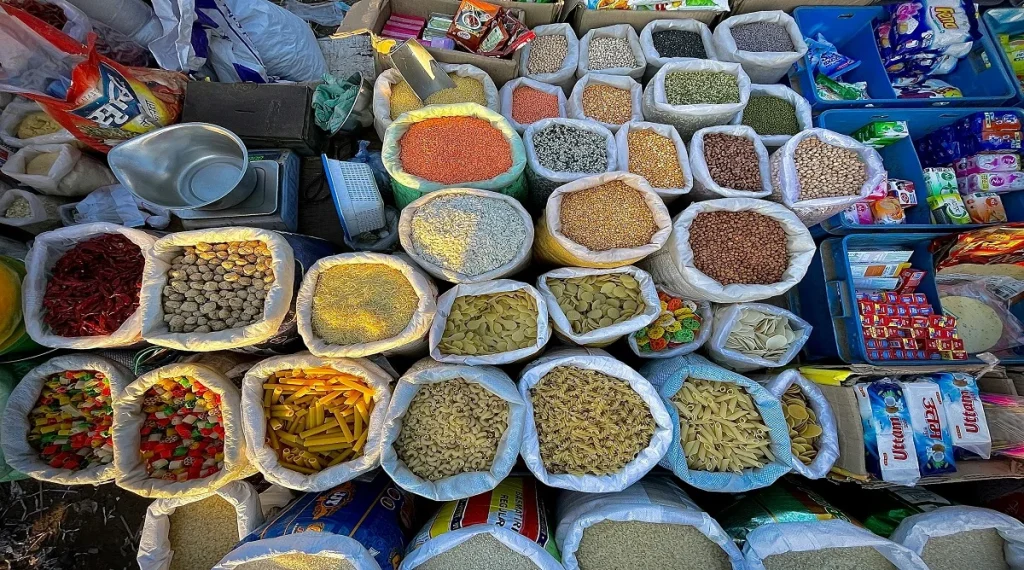
One of the most useful food truths is that a strong grocery cart often looks simple, not exciting. Oats, eggs, yogurt, fruit, beans, rice, potatoes, frozen vegetables, and whole-grain bread may not stand out, but they can support a wide range of balanced meals.
Trendy products aren’t necessarily bad, but they’re not required for eating well. In many households, basic staples do most of the work.
2. Protein and fiber often deserve the most attention
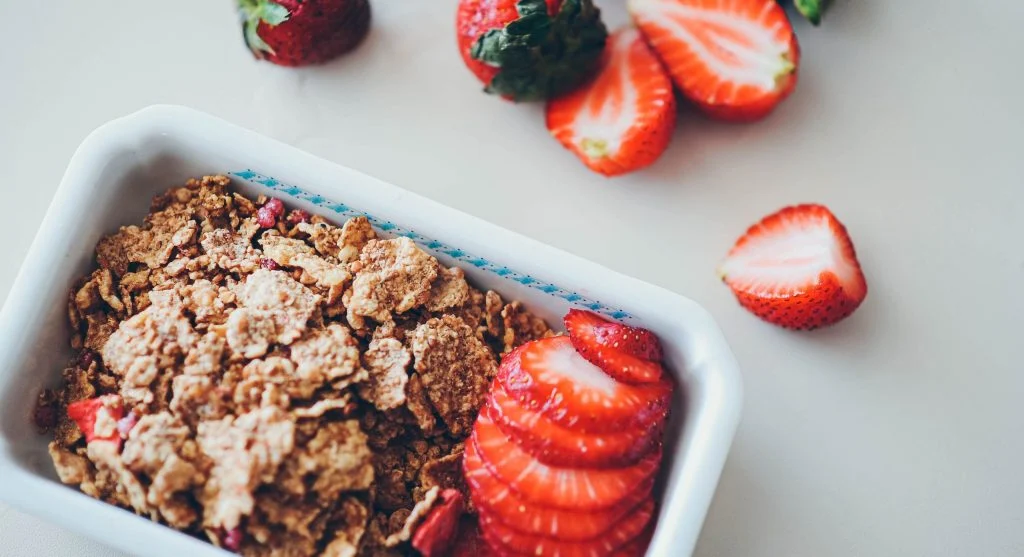
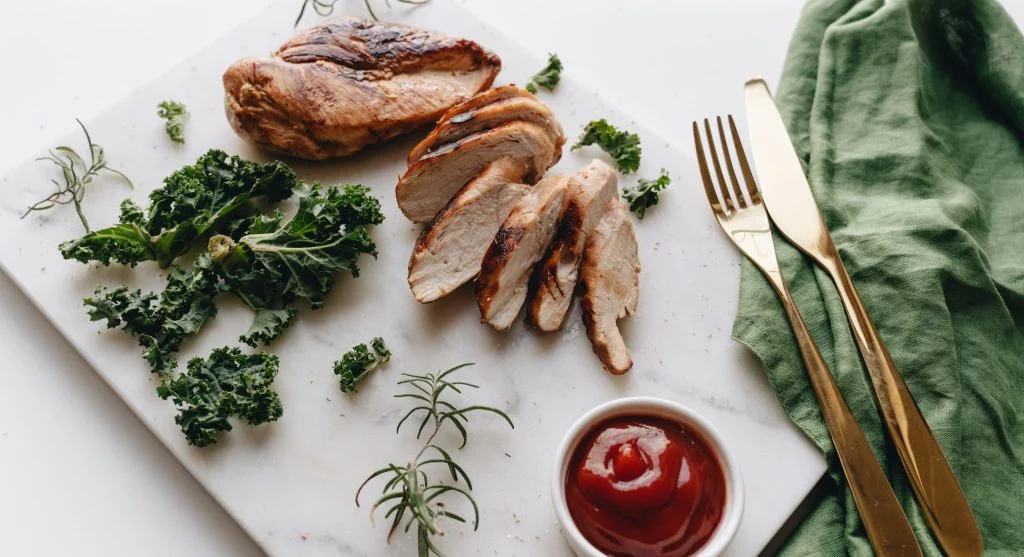
When grocery shopping feels overwhelming, it helps to focus on a few key elements. Foods that provide protein and fiber often make meals more satisfying. Protein can come from eggs, yogurt, chicken, beans, fish, lentils, tofu, or cottage cheese. Fiber often comes from fruit, vegetables, oats, beans, and whole grains.
Many nutrition experts return to these two areas because they can support fullness and more balanced eating patterns.
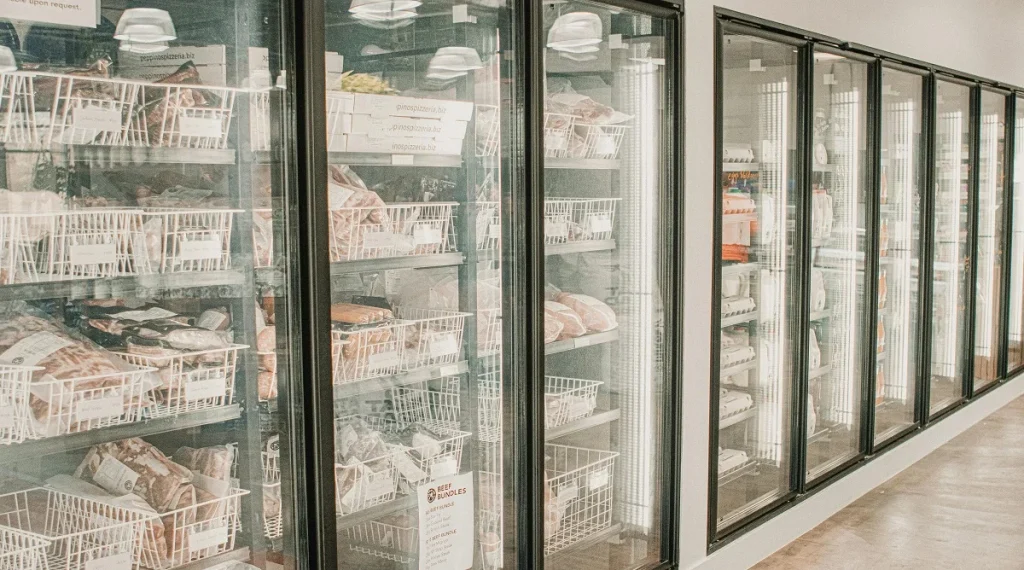
3. Frozen foods can be just as practical as fresh foods
Frozen fruits and vegetables are often seen as backups, but they can be just as useful for everyday meals. They last longer, reduce waste, and work well in smoothies, soups, stir-fries, and simple side dishes.
This is one of the food truths that can make shopping easier. Public health nutrition guidance often supports frozen produce as a practical part of a balanced diet.
Credit Format: Daniel & Hannah Snipes / pexels
Credit Format: Nishant Aneja / pexels
9. Labels can guide shopping, but they should not control it
Labels like “high protein,” “low sugar,” or “natural” can grab attention, but they don’t always tell the full story. A more useful approach is to treat labels as one piece of information, not the final answer. Looking at protein, fiber, added sugar, and the ingredient list often gives a clearer picture than front-of-package claims alone.
Food truths bring the focus back to the overall food choice, rather than the marketing on the label.
10. A good grocery trip should make meals easier later
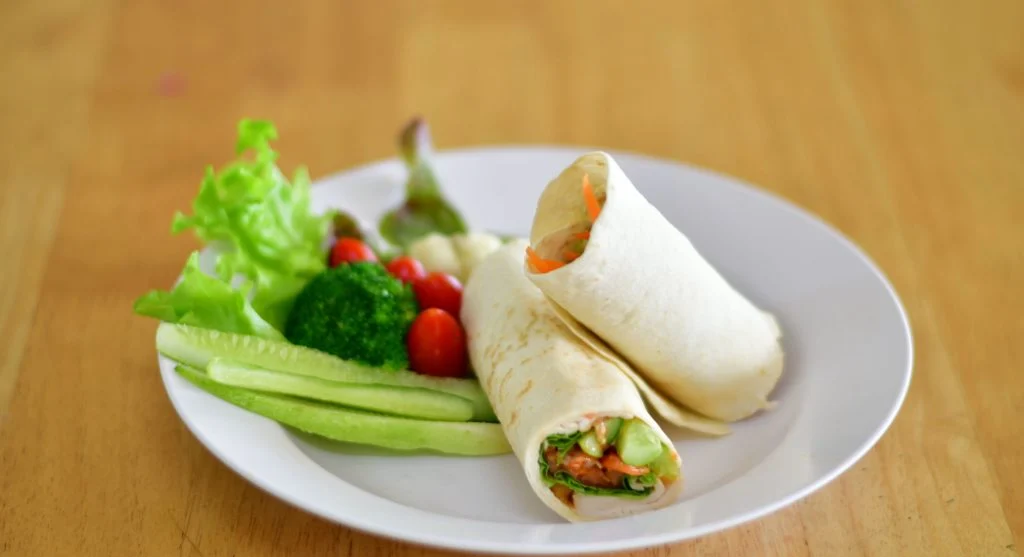
The value of groceries isn’t just how healthy they look in the cart. What really matters is whether those foods make breakfast, lunch, dinner, and snacks easier throughout the week. A good grocery trip gives enough structure to build meals without constant guesswork.
This is one of the clearest food truths about shopping. Grocery choices matter most when they support a smoother routine once you’re back home.
How to apply these food truths on your next grocery trip
A practical grocery trip can start with a few simple questions. What protein sources will you use this week? What produce feels realistic to prepare? What grains or starches will help you build easy meals? What snacks will actually help manage hunger instead of just filling the cart?
Thinking this way can make grocery shopping feel calmer and more purposeful. It shifts the focus toward what supports everyday life, not just what sounds healthy in the store.
Frequently Asked Questions
What are food truths in grocery shopping?
They are simple nutrition ideas that help people focus on useful staples, balanced choices, and realistic shopping habits.
Do healthy groceries always cost more?
No. Many affordable foods, such as oats, eggs, beans, potatoes, rice, and frozen vegetables, can support balanced meals.
Are frozen fruits and vegetables good grocery choices?
Yes. They are practical, easy to store, and can still support healthy eating.
Should people buy different healthy foods every week?
Not necessarily. Repeating useful staples often makes grocery shopping and meal planning easier.

 Eats PEI