 Darren LeBlanc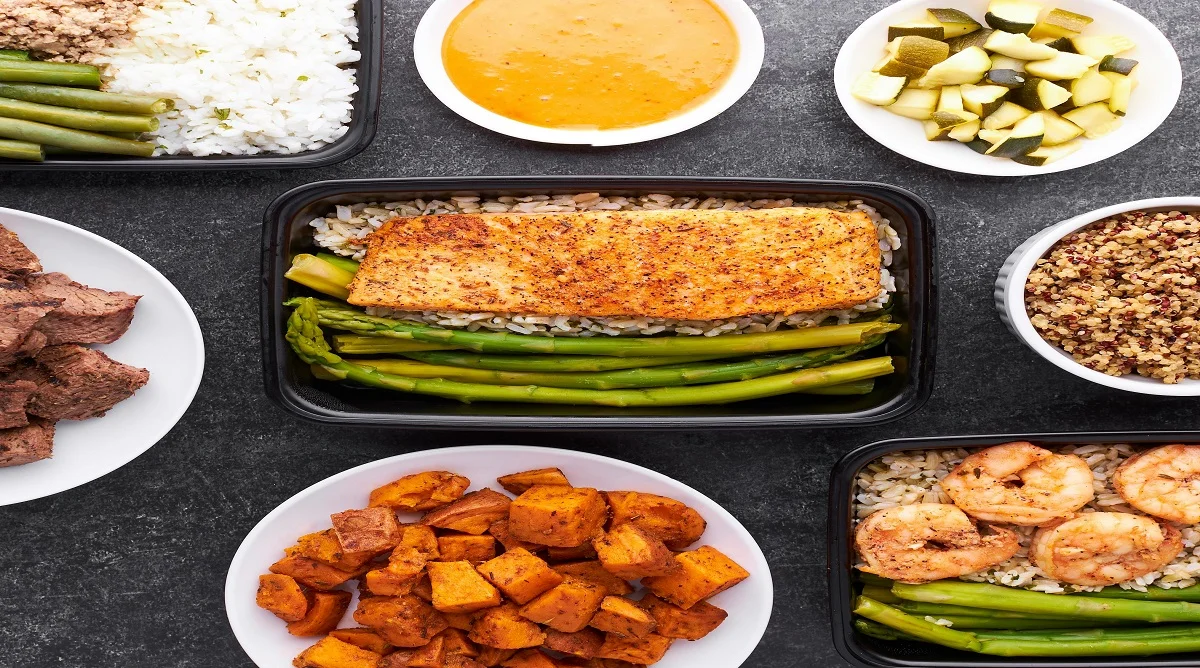
Meal smarts can make everyday eating feel much easier, especially during busy weekdays when time and energy are limited. Meals often become stressful not because food is hard to understand, but because there’s no simple system for deciding what to eat or how to put it together.
That’s where practical structure helps. Meal smarts give people a way to build balanced meals without turning every breakfast, lunch, or dinner into a major decision. In most cases, the goal isn’t perfect cooking—it’s making useful meals easier to repeat.
Why weekday meals often feel harder than they should
Weekdays tend to move quickly. Breakfast gets rushed, lunch is sometimes skipped or delayed, and dinner comes when energy is already low. When every meal has to be planned from scratch, food choices often become reactive instead of thoughtful.
Meal smarts help ease that pressure. They provide a simple way to think about food before hunger takes over. Many experts support this kind of structure because it makes healthy routines more realistic in daily life.
1. Think in meal parts instead of full recipes
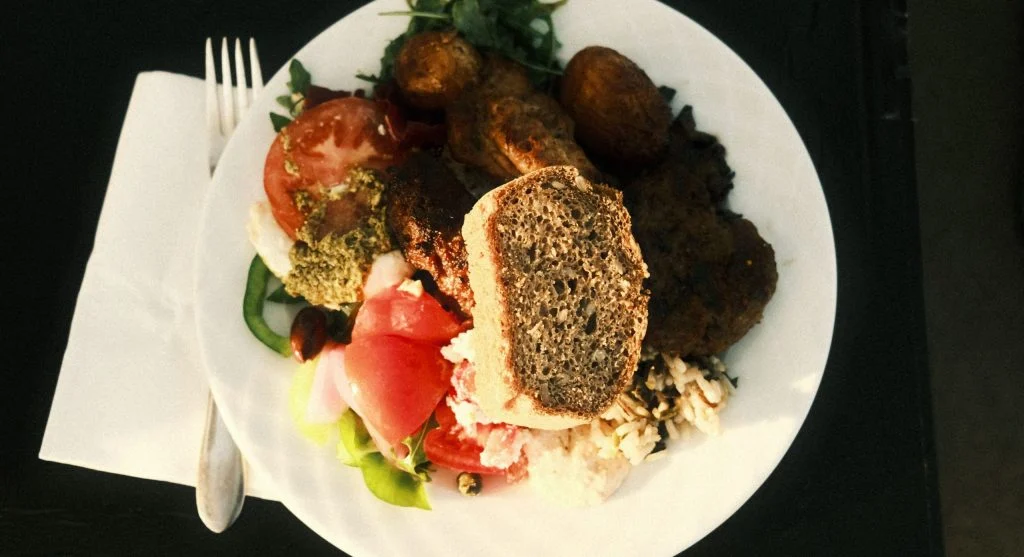
One of the most helpful meal smarts ideas is to stop treating every meal like a full recipe. A simple meal can often be built from four parts: protein, produce, a grain or starch, and something for flavor.
That might look like eggs, toast, and fruit for breakfast, or chicken with rice, vegetables, and a yogurt-based sauce for dinner. When meals are built this way, the process becomes quicker and more flexible.
2. Give each meal a basic job
Not every meal needs to serve the same purpose. Breakfast might need to support the morning, lunch may need to carry you through the afternoon, and dinner might need to be easy, calming, and filling. Thinking about the role of each meal can make decisions much simpler.
This is one of the more practical meal smarts strategies because it connects food to real-life needs instead of abstract rules.
3. Keep a few reliable foods in regular rotation
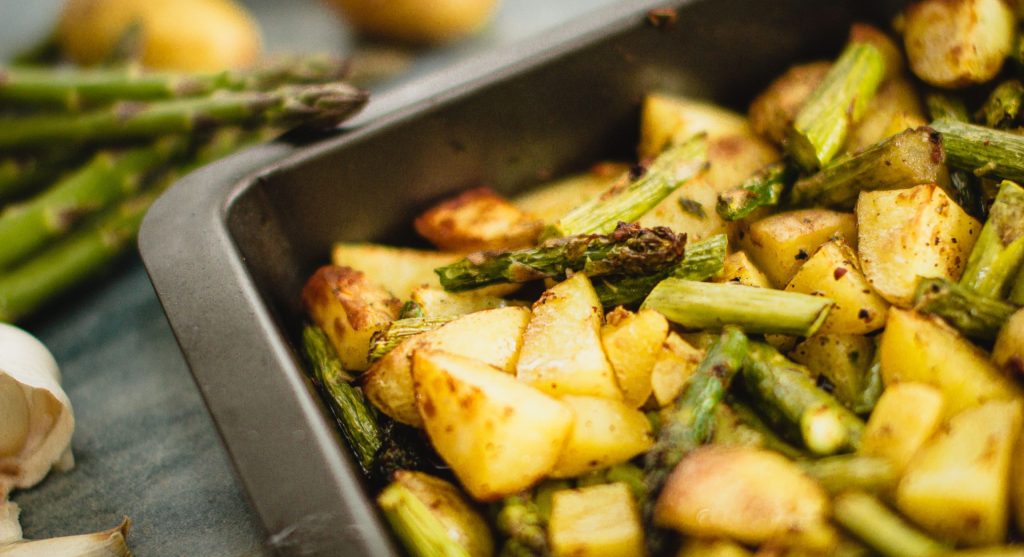
Meal smarts often begin with repetition. Foods like oats, eggs, yogurt, fruit, rice, potatoes, beans, frozen vegetables, whole-grain bread, and canned fish can support a wide range of meals throughout the week.
Repeating these staples reduces decision fatigue and makes grocery shopping easier. Many dietitians encourage simple routines because they’re more likely to stick.
Credit Format: MART PRODUCTION / pexels
4. Let leftovers do more of the work
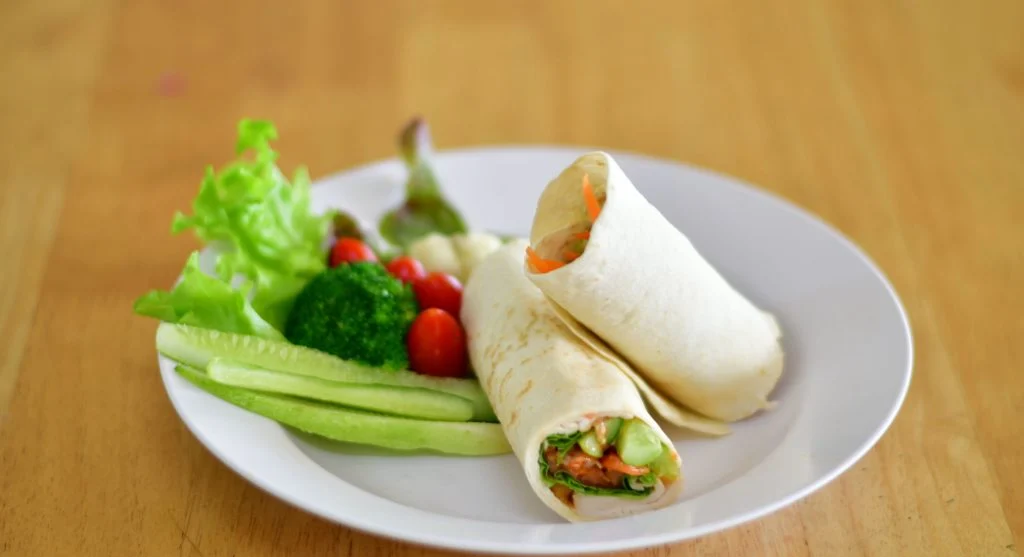
Leftovers are one of the most useful tools during the week. Extra chicken can turn into lunch wraps, leftover rice can become a quick grain bowl, and extra vegetables can be added to soup, pasta, or eggs the next day.
Meal smarts often come down to treating leftovers as part of the plan instead of random extras. This saves both time and mental effort throughout the week.
5. Make breakfast easier than skipping it
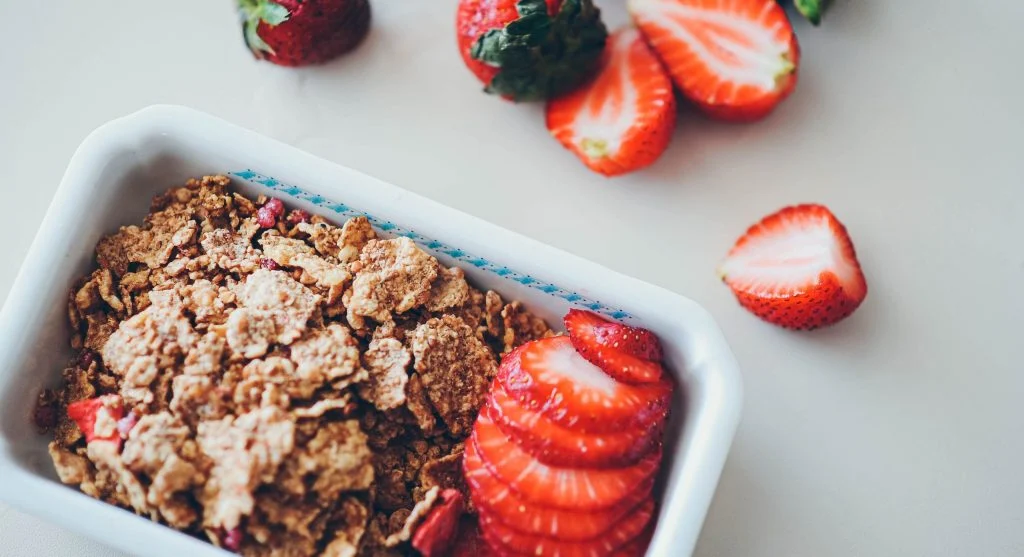
Breakfast is more likely to happen when it’s simple. It doesn’t need to be large or complicated, but it usually helps when it includes some protein and fiber. Yogurt with fruit, eggs with toast, or oats with nut butter are all good examples.
When breakfast feels too difficult to put together, it often gets skipped, which can lead to stronger hunger later. Meal smarts help by making that first meal more automatic.
6. Build lunch to last through the afternoon
Lunch often falls short because it’s too small or rushed. A more useful lunch includes enough food to feel like a real meal, not just something to get by. Sandwiches with fruit and yogurt, rice bowls with beans and vegetables, or dinner leftovers can all work well.
Many nutrition experts support balanced lunches because they can help reduce afternoon energy dips and unplanned snacking.
7. Keep one emergency meal available
Every home benefits from having a backup meal for days when plans fall apart. This could be eggs on toast, soup with crackers, rice with beans and frozen vegetables, or pasta with tuna and peas. It doesn’t need to be special—just reliable.
This is one of the strongest meal smarts habits because it helps prevent busy days from turning into chaotic food choices.
8. Use convenience foods that still support balance
Convenience foods can play a helpful role in everyday meals. Bagged salads, pre-cut vegetables, canned beans, rotisserie chicken, cooked grains, and frozen vegetables can all make meal prep faster.
Healthy eating becomes more realistic when convenience works in your favor. Meal smarts aren’t about doing everything from scratch—they’re about making balanced meals possible on normal days.
Credit Format: Loren Castillo / pexels
Simple weekday meal examples
Breakfast
Greek yogurt with oats, berries, and seeds.
Lunch
Whole-grain sandwich with turkey, side fruit, and yogurt.
Dinner
Rice, beans, roasted vegetables, and avocado with salsa.
Emergency meal
Eggs on toast with fruit and a glass of water.
Frequently Asked Questions
What are meal smarts?
Meal smarts are simple habits and strategies that help people build practical, balanced meals more easily.
Do weekday meals need to be different every day?
No. Repeating a few useful meals often makes eating better much easier to maintain.
Can convenience foods fit into meal smarts?
Yes. Practical convenience foods can make balanced meals faster and more realistic during busy weeks.
Why are emergency meals important?
They help people handle hectic days without falling back on random snacks or less balanced last-minute food choices.

 Eats PEI