 Eats PEI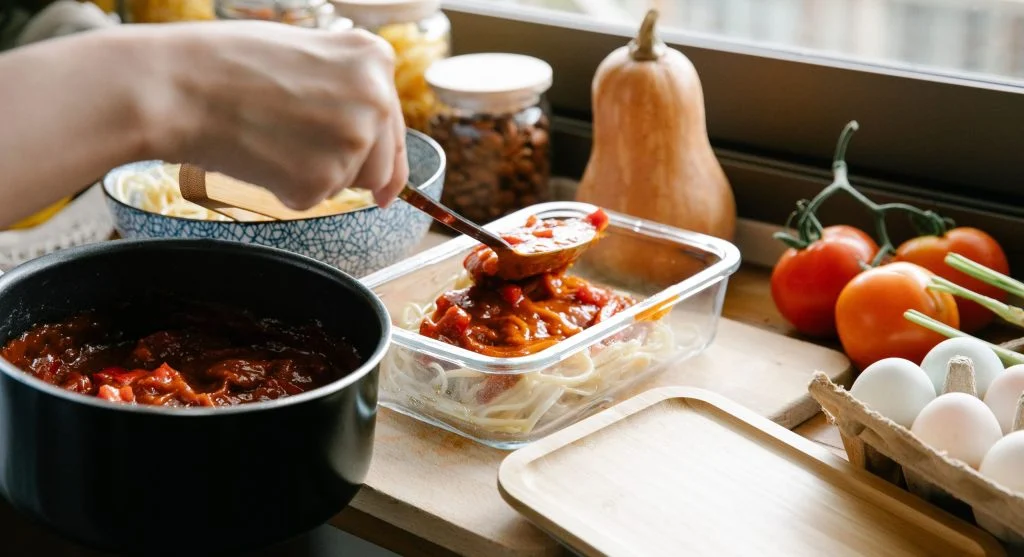
Quick dinners often become harder not because the meals are complicated, but because they start feeling repetitive too quickly. Rice shows up again. Eggs return. Roasted vegetables come back. Pasta appears for another night. None of these foods are the problem on their own. In many homes, they are exactly the foods that make weeknight cooking possible. The real problem usually begins when every meal feels like a brand-new cooking task, even though the same ingredients keep appearing in slightly different ways.
Cooking educators often explain that one of the easiest ways to reduce this pressure is not to search for completely different meals, but to give familiar meals one reliable flavor tool that makes them feel more connected and easier to finish. A repeat sauce can do exactly that. It might be a simple yogurt sauce, a tomato-based sauce, a light garlic sauce, a tahini-style dressing, or another easy option that works across several meals. This is why quick dinners often work better when one repeat sauce keeps the week from feeling like new cooking every night.
Why Weeknight Cooking Often Feels Harder Than the Food Itself
Many weeknight meals are not technically difficult. The foods are familiar, the ingredients are already in the kitchen, and the cooking steps are manageable. What often makes dinner feel tiring is the repeated mental work. Each night seems to ask for another decision, another flavor plan, and another way to make ordinary foods feel worth eating again. That can make even simple meals feel heavier than they really are.
Meal-smarts coaches often note that one repeated flavor element can reduce that pressure. The meal no longer needs a completely new identity every night. It only needs enough support to feel useful and slightly refreshed.
Why One Sauce Often Does More Work Than People Expect
A sauce can change a meal more than many people realize because it affects flavor, moisture, and how finished the plate feels. Rice with vegetables may feel plain on its own, but rice with vegetables and a reliable sauce often feels much more complete. Eggs, potatoes, grain bowls, wraps, pasta, and leftover vegetables can all feel easier to reuse when one familiar sauce helps bring everything together.
Cooking instructors often explain that a good repeat sauce is not meant to make every dinner taste the same. It is meant to remove the feeling that every dinner has to be reinvented from zero.
How a Repeat Sauce Reduces the Need for Full Recipe Thinking
One reason quick dinners become tiring is that every meal starts to feel like a recipe problem. What seasoning should this have? What side would go with it? How can the meal avoid tasting too plain? A repeat sauce can simplify those questions. Once the cook knows that one dependable sauce can help finish the plate, the meal becomes easier to build around familiar staples.
Food routine educators often point out that this matters because recipe thinking can quietly drain energy on busy nights. A strong support sauce reduces that burden without making the meal feel lower quality.
Why the Best Repeat Sauces Are Usually Simple, Not Dramatic
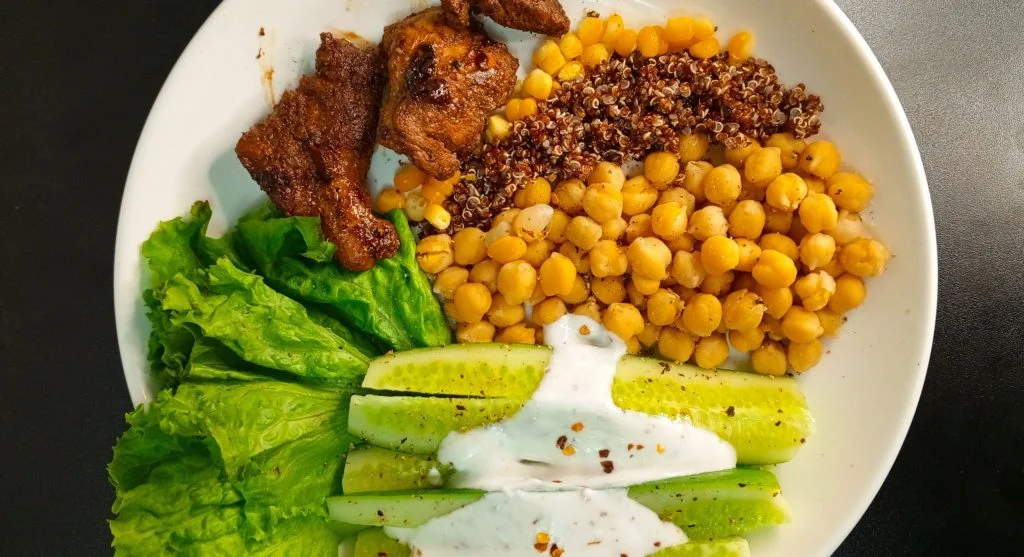
The most useful repeat sauces are usually the ones that can move across several meals without becoming too specific. A yogurt sauce with lemon and herbs, a simple tomato sauce, a light garlic dressing, hummus thinned into a creamy drizzle, or a tahini-style sauce often works better across the week than a very intense sauce that only fits one dinner style.
Cooking coaches often recommend simple sauces because they work more like support systems than centerpieces. That flexibility is what gives them their real value.
Why Repeat Sauce Helps Familiar Foods Feel Less Repetitive
Many foods repeat because they are practical. Rice, pasta, beans, eggs, vegetables, and potatoes all show up often for a reason. A repeat sauce helps because it gives those foods a reliable finishing element that makes them feel more complete without asking the cook to create a whole new meal each time. The foods may still repeat, but dinner no longer feels unfinished or too plain.
Meal educators often explain that useful variety does not always come from new ingredients. It often comes from a familiar finish that helps the meal feel deliberate instead of accidental.
How Sauces Often Solve Dryness, Plainness, and Weak Dinner Flow at Once
A strong repeat sauce can solve several common weeknight problems at the same time. It can add moisture to a dry meal, flavor to a plain one, and continuity to a plate that feels disconnected. A bowl meal may need a sauce to feel finished. Roasted vegetables may need one to feel more inviting. Eggs and potatoes may need one to avoid tasting too flat halfway through the meal.
Cooking educators often note that when one tool solves several small problems at once, it becomes especially valuable on busy evenings. A repeat sauce often does exactly that.
Why One Repeat Sauce Can Quietly Improve Leftovers Too
Leftovers often become easier to use when a familiar sauce is already available. Yesterday’s rice can become today’s bowl more easily. Roasted vegetables can fit into wraps better. Leftover potatoes can feel more complete beside eggs. A sauce often gives leftovers enough support that they stop feeling like scraps and start feeling like a real dinner option again.
Meal-planning coaches often recommend building meals around leftovers and support foods together. A repeat sauce can be one of the simplest ways to make that system work.
Why This Habit Often Lowers Shopping Stress as Well
One quiet advantage of a repeat sauce is that it can make grocery shopping easier. Once the household knows one sauce will likely support several meals, the cart becomes easier to build. Yogurt, lemons, tomatoes, herbs, tahini, garlic, or other simple sauce ingredients begin to act as support foods rather than random purchases. The rest of the groceries start making more sense around them.
Shopping educators often explain that useful meal routines usually show up first in the cart. A repeat sauce can become one of the easiest ways to make grocery choices connect more clearly to real dinners later.
Why Repeat Does Not Have to Mean Boring
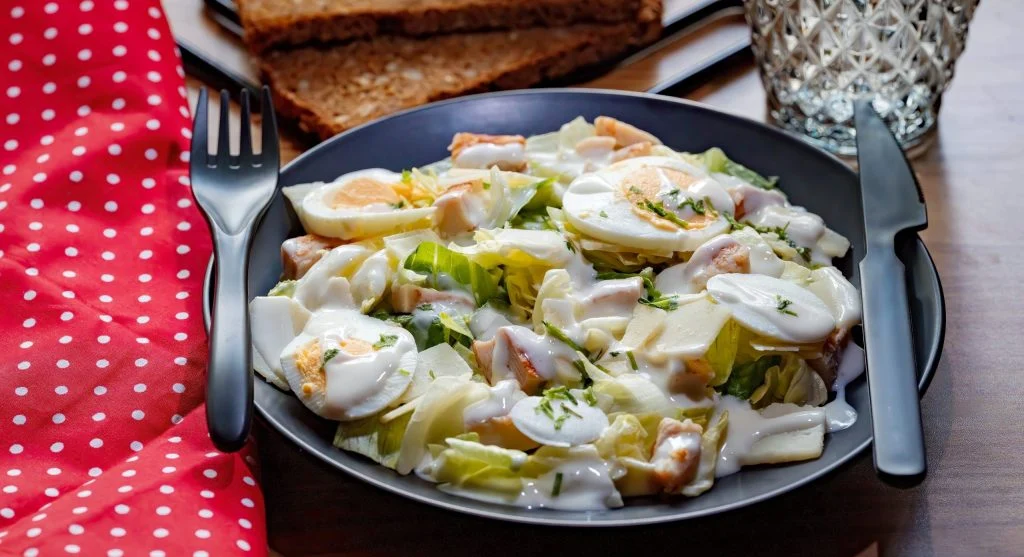
Some people avoid repeated sauces because they worry every dinner will start tasting the same. In practice, the meals often still feel different because the foods around the sauce keep changing. The same yogurt sauce may work with potatoes one night, rice and beans another night, and a wrap the day after that. The sauce repeats, but the meals still move enough that the week feels manageable rather than dull.
Cooking instructors often explain that repeated support foods create stability, not sameness. The point is not to make every meal identical. The point is to make every meal easier to finish well.
How Home Cooks Can Choose the Right Repeat Sauce
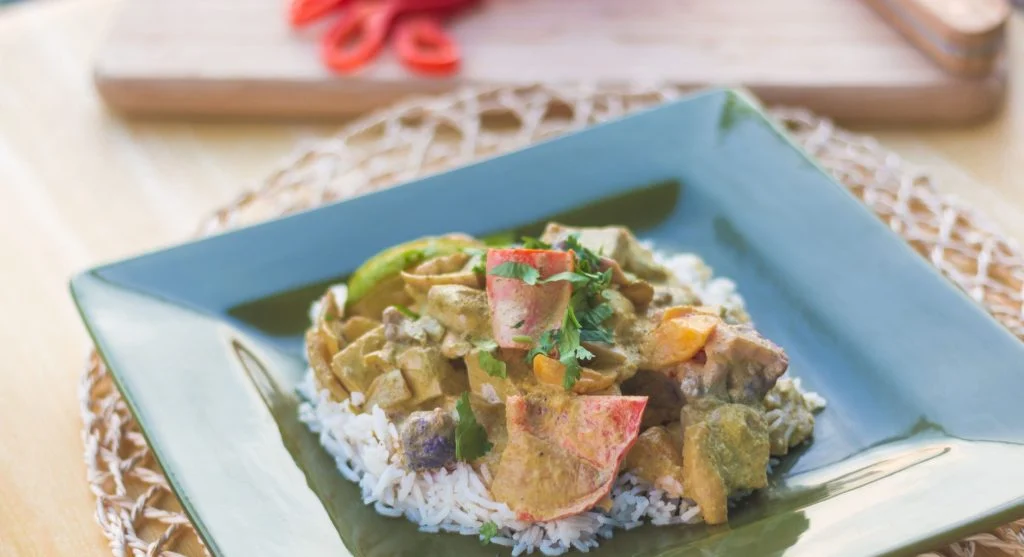
A useful repeat sauce usually matches the foods that already show up most often in the kitchen. If rice bowls, vegetables, eggs, and wraps are common, a yogurt- or tahini-style sauce may help most. If pasta, beans, and cooked vegetables appear often, a tomato-based sauce may fit better. The best sauce is usually not the most exciting one. It is the one that can quietly support the most meals without requiring much extra work.
Meal coaches often recommend choosing repeat foods based on the real week ahead, not an ideal version of the week. That honesty usually makes the sauce much more useful later.
Why This Habit Often Makes the Whole Week Feel Lighter
One repeat sauce can make the week feel lighter because it reduces the number of evening choices that have to be solved from scratch. The cook knows one part of dinner support is already handled. That can make it easier to start the meal, easier to trust simple ingredients, and easier to finish dinner without feeling like the kitchen is asking for a completely new idea again.
Cooking educators often explain that sustainable meal routines are built from small repeated helps. A repeat sauce is one of those small helps that often ends up doing far more work than expected.
Frequently Asked Questions
Q: Why does one repeat sauce help quick dinners so much?
A: Because it reduces repeated flavor decisions and helps familiar foods feel more complete without requiring a new cooking plan every night.
Q: Does the sauce need to go with every dinner?
A: No. It simply needs to support enough common meals during the week that it lowers effort and improves dinner flow.
Q: What kind of sauce works best as a repeat sauce?
A: Usually a simple sauce that fits several meals, such as yogurt-based, tomato-based, tahini-style, or another flexible option the household already enjoys.
Q: Will repeated sauce make meals boring?
A: Not necessarily. The meals around it usually still change enough that the week feels steadier rather than repetitive in a dull way.